Department of Intensive Care Medicine, The Third Hospital Affiliated to Naval Medical University, Jiading District, Shanghai, China.
State Key Laboratory of Genetic Engineering, Shanghai Engineering Research Center of Industrial Microorganisms, School of Life Sciences, Fudan University, Shanghai, China.
Biomol Biomed. 2024 Oct 17;24(6):1606-1619. doi: 10.17305/bb.2024.10328.
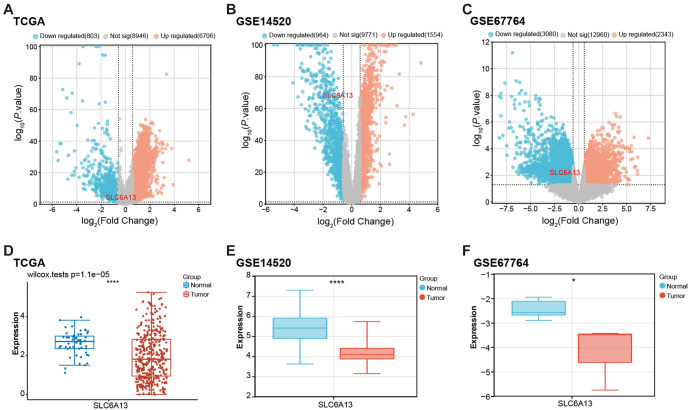
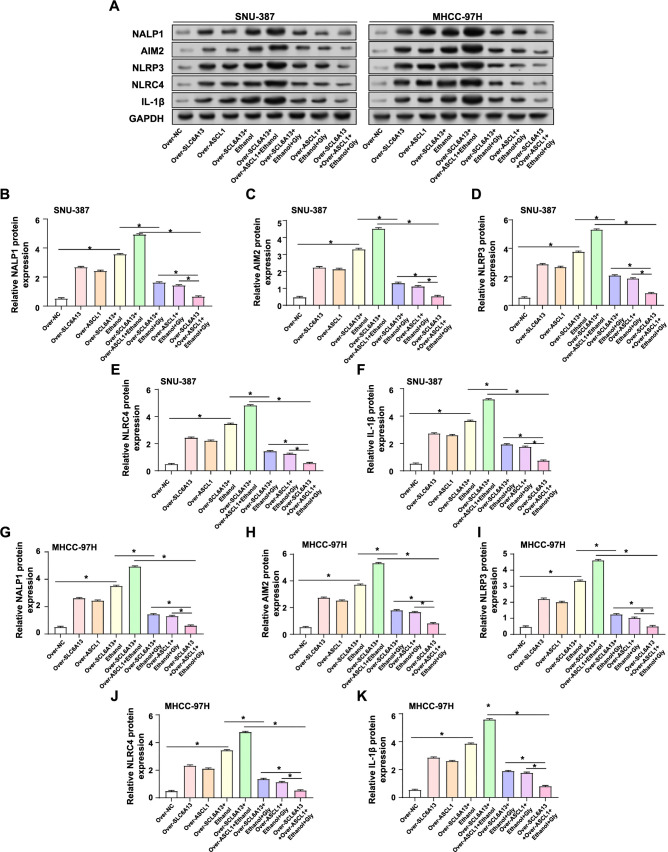
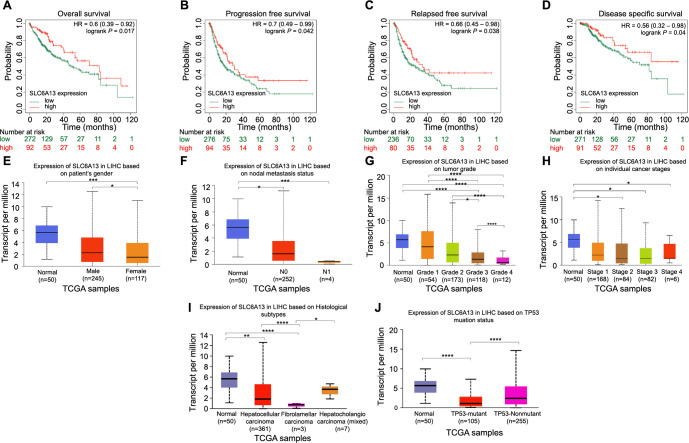
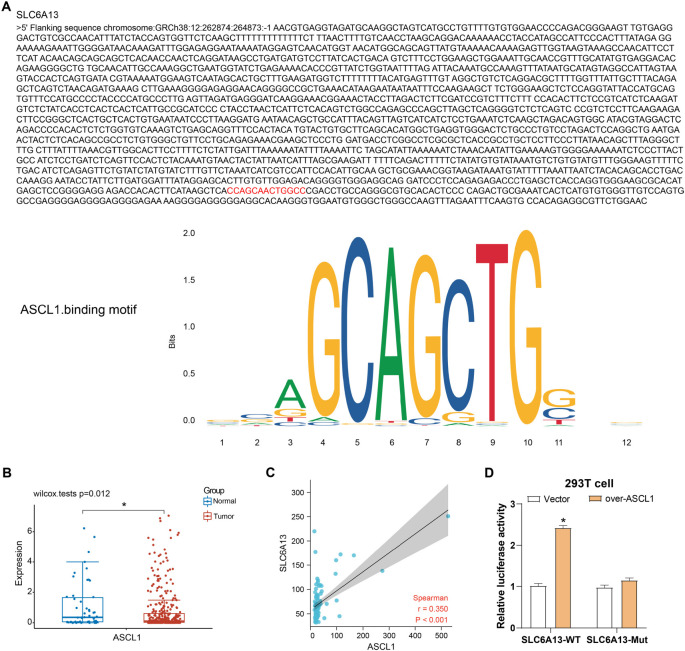
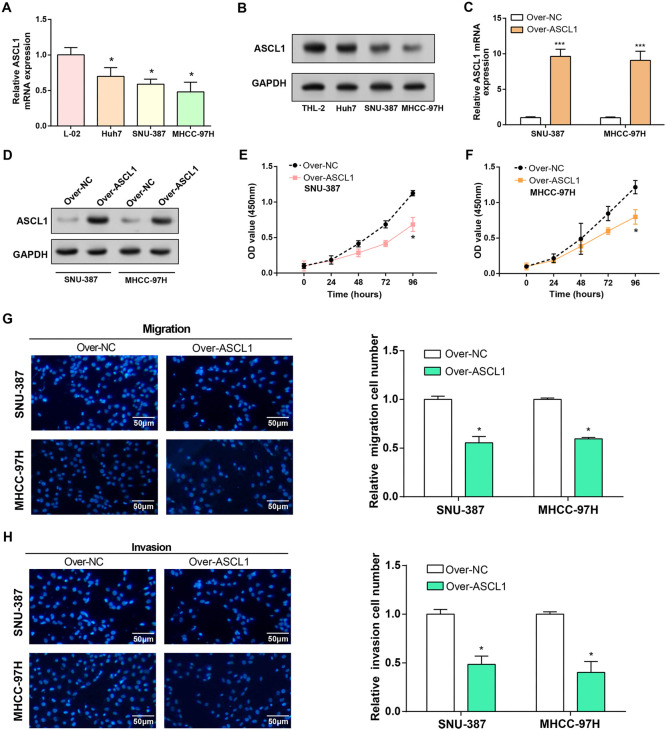
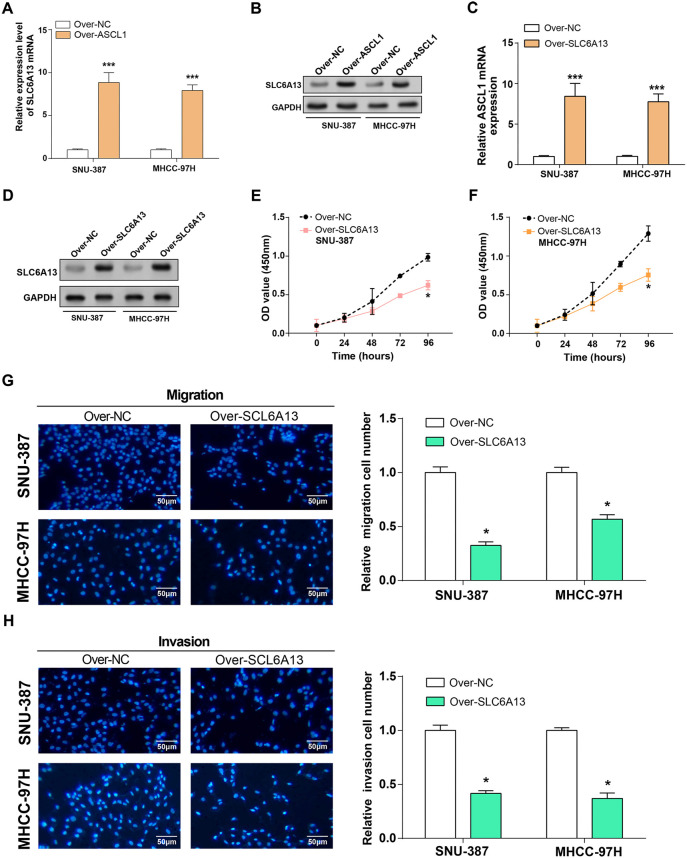
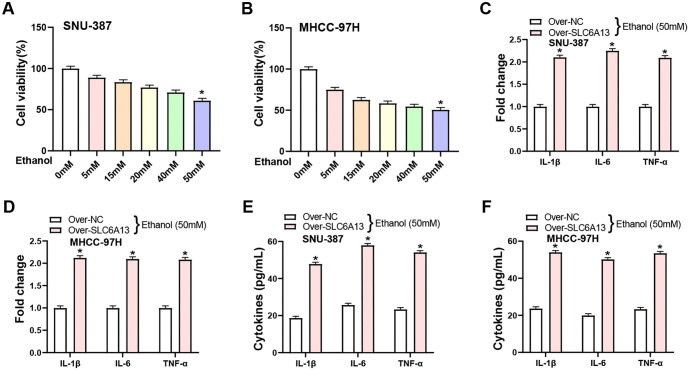
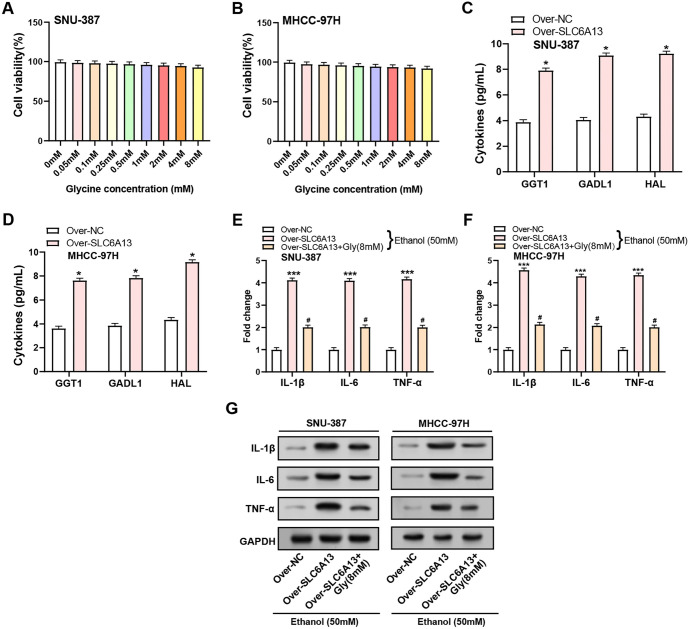
Hepatocellular carcinoma (HCC), the most common primary liver cancer, typically arises from chronic liver conditions such as hepatitis, cirrhosis, or other chronic liver diseases, and is characterized by its aggressive nature and poor prognosis. The purpose of this research was to clarify the function of achaete-scute family bHLH transcription factor 1 (ASCL1) and solute carrier family 6 member 13 (SLC6A13) in influencing tumor cell behavior, inflammatory responses, and the regulation of inflammasomes. We analyzed the differentially expressed genes (DEGs) in the Cancer Genome Atlas-Liver Hepatocellular Carcinoma (TCGA-LIHC) database, as well as in the GSE14520 and GSE67764 datasets, to identify the expression changes of SLC6A13 in liver cancer. The prognostic significance of SLC6A13 in LIHC was assessed through Kaplan-Meier survival curve analysis. Transcriptional regulation of SLC6A13 by ASCL1 was explored using the Joint Annotation of the Human Genome and other species by the Systematic Pipeline for the Annotation of Regulatory Regions (JASPAR) database and dual-luciferase assays. In vitro experiments investigated the impact of ASCL1 and SLC6A13 overexpression on HCC cell growth. Additionally, the effects of ethanol treatment and glycine modulation on the inflammatory response in HCC cell lines were evaluated. HCC samples showed reduced levels of SLC6A13, which correlates with a better prognosis for liver metastases. Elevated SLC6A13 expression correlated with improved overall survival (OS), progression-free survival (PFS), recurrence-free survival (RFS), and disease-specific survival (DSS). ASCL1 upregulated SLC6A13 and inhibited proliferation, migration, and invasion of HCC cells. Ethanol induced the production of inflammatory cytokines, which was enhanced by overexpression of SLC6A13 but counteracted by glycine. This study highlighted elevated expression of SLC6A13 in LIHC which has been correlated with improved OS, PFS, RFS, and DSS. Overexpression of SLC6A13 and ASCL1 in HCC cells enhanced inflammasome activation, which was exacerbated by ethanol and attenuated by glycine.
肝细胞癌(HCC)是最常见的原发性肝癌,通常源于慢性肝脏疾病,如肝炎、肝硬化或其他慢性肝病,其特点是侵袭性强、预后差。本研究旨在阐明achaete-scute 家族 bHLH 转录因子 1(ASCL1)和溶质载体家族 6 成员 13(SLC6A13)在影响肿瘤细胞行为、炎症反应和调节炎症小体方面的作用。我们分析了癌症基因组图谱-肝肝细胞癌(TCGA-LIHC)数据库、GSE67764 数据集和 GSE14520 数据集的差异表达基因(DEGs),以确定 SLC6A13 在肝癌中的表达变化。通过 Kaplan-Meier 生存曲线分析评估 SLC6A13 在 LIHC 中的预后意义。使用系统管道进行注释的人类基因组和其他物种的联合注释(JASPAR)数据库和双荧光素酶测定法探讨了 ASCL1 对 SLC6A13 的转录调控。体外实验研究了 ASCL1 和 SLC6A13 过表达对 HCC 细胞生长的影响。此外,还评估了乙醇处理和甘氨酸调节对 HCC 细胞系炎症反应的影响。HCC 样本中 SLC6A13 的表达水平降低,与肝转移的预后较好相关。SLC6A13 的高表达与总生存期(OS)、无进展生存期(PFS)、无复发生存期(RFS)和疾病特异性生存期(DSS)的改善相关。ASCL1 上调 SLC6A13 并抑制 HCC 细胞的增殖、迁移和侵袭。乙醇诱导炎症细胞因子的产生,SLC6A13 的过表达增强了这种产生,而甘氨酸则拮抗了这种产生。本研究强调了 SLC6A13 在 LIHC 中的高表达与 OS、PFS、RFS 和 DSS 的改善相关。SLC6A13 和 ASCL1 在 HCC 细胞中的过表达增强了炎症小体的激活,而乙醇的作用加剧,甘氨酸则减弱了这种激活。