Tinsae Techilo, Shumet Shegaye, Tadesse Gebresilassie, Takelle Girmaw Medfu, Rtbey Gidey, Melkam Mamaru, Andualem Fantahun, Nakie Girum, Segon Tesfaye, Koye Selam, Fentahun Setegn, Alemu Wondale Getinet
Department of Psychiatry, College of Medicine and Health Science, University of Gondar, Gondar, Ethiopia.
Department of Psychiatry, School of Medicine, College of Medicine and Health Sciences, University of Gondar, Gondar, Ethiopia.
Front Psychiatry. 2024 May 9;15:1399013. doi: 10.3389/fpsyt.2024.1399013. eCollection 2024.
Post-traumatic stress disorder (PTSD) is a significant mental health concern globally, particularly prevalent in populations exposed to war and conflict. This systematic review and meta-analysis aim to examine the prevalence and factors associated with PTSD among the Ethiopian population residing in war-affected communities.
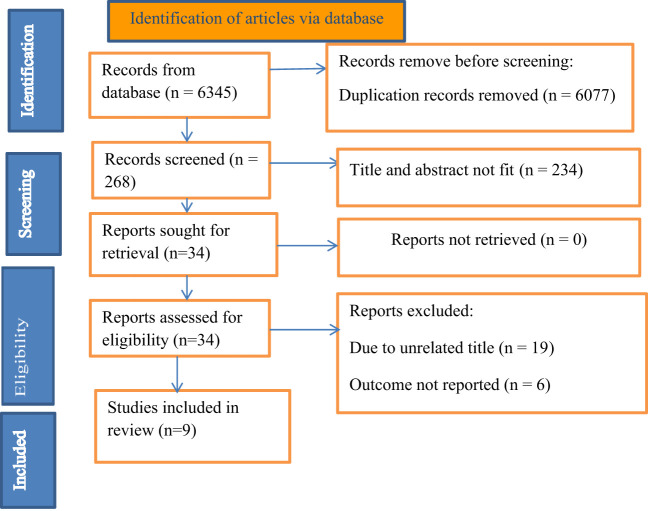
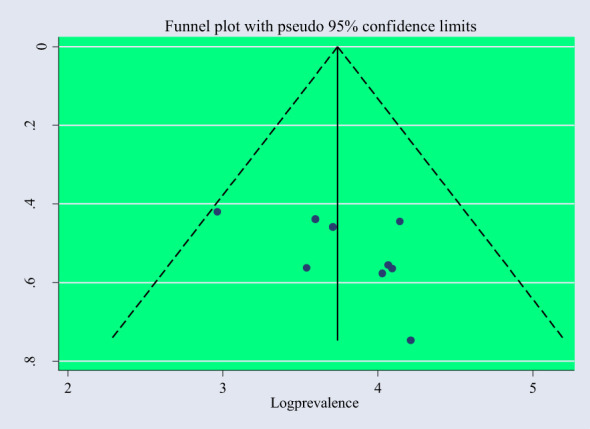
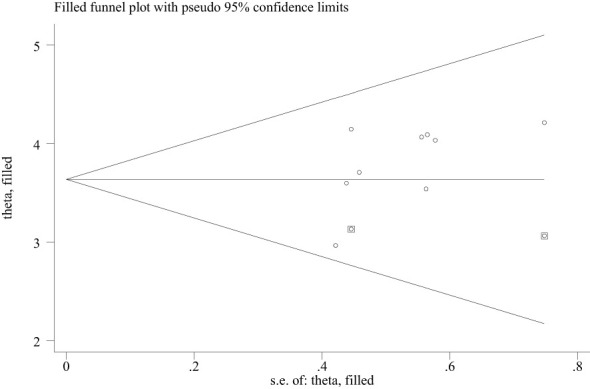
The review was reported according to the PRISMA guidelines. Related eligible published articles were searched in electronic online databases such as PubMed, Scopus, Web of Science, MEDLINE/PubMed, Scopus, Embase, Science Direct, Web of Science, Google Scholar, and Google, which reported the prevalence and risk factors of PTSD among people dwelling in the war-affected area until January 2024. The relevant data was extracted using a Microsoft Excel spreadsheet. The meta-analysis was conducted using STATA version 11. The estimated pooled prevalence and risk factors were estimated using a random effect model. The potential risk of publication bias was checked using a funnel plot and Egger's statistical test.
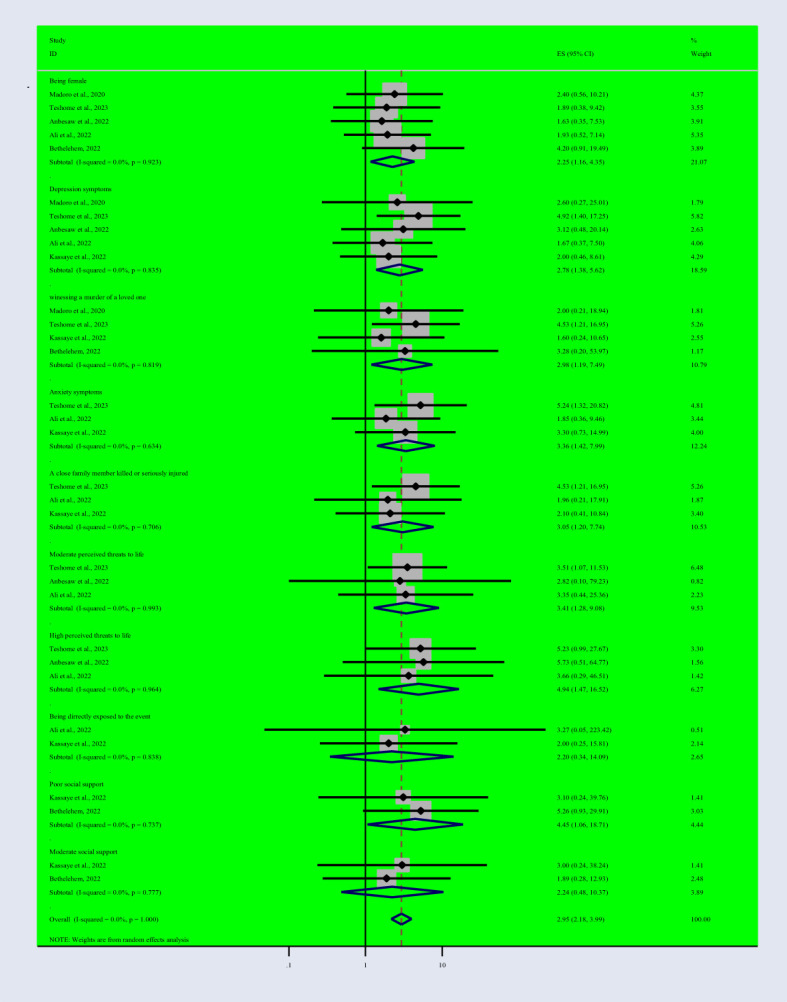
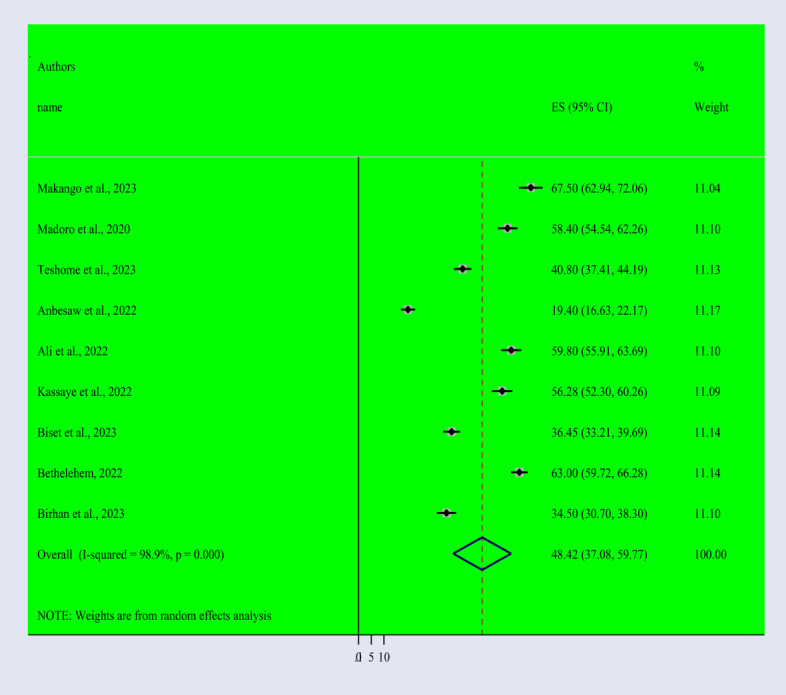
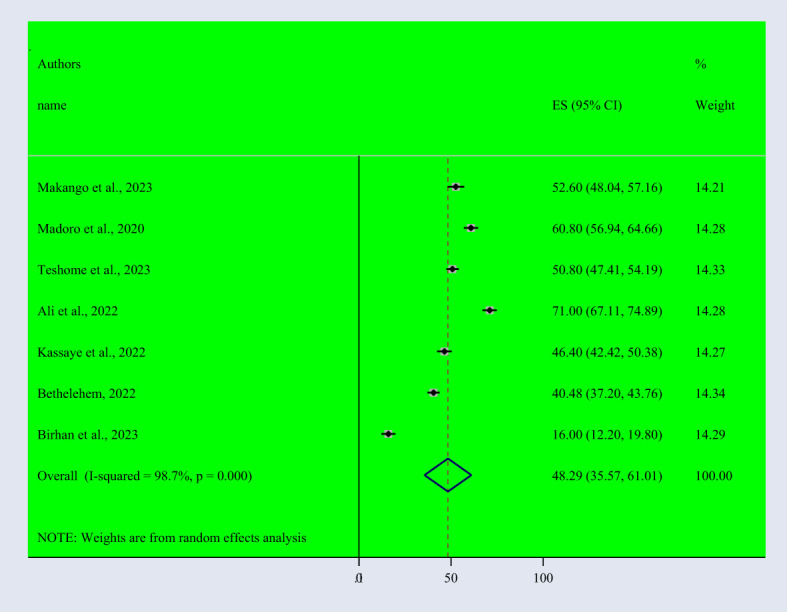
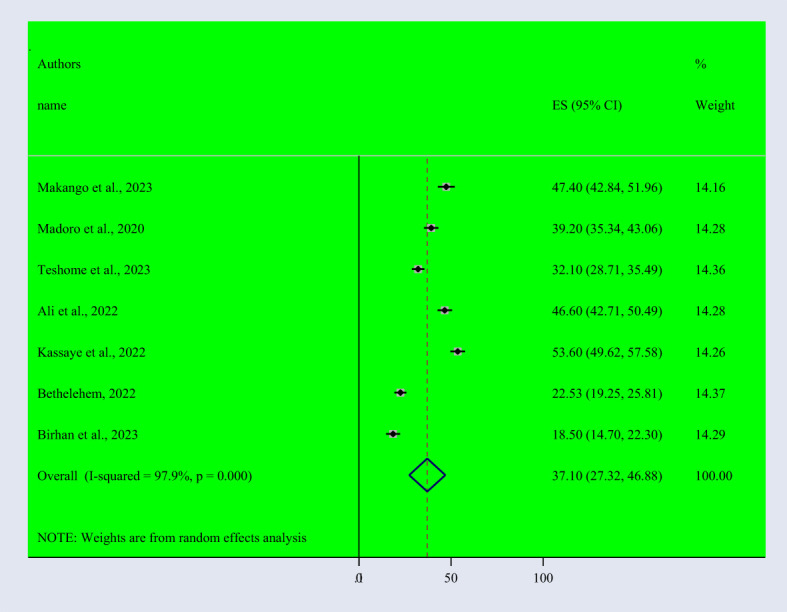
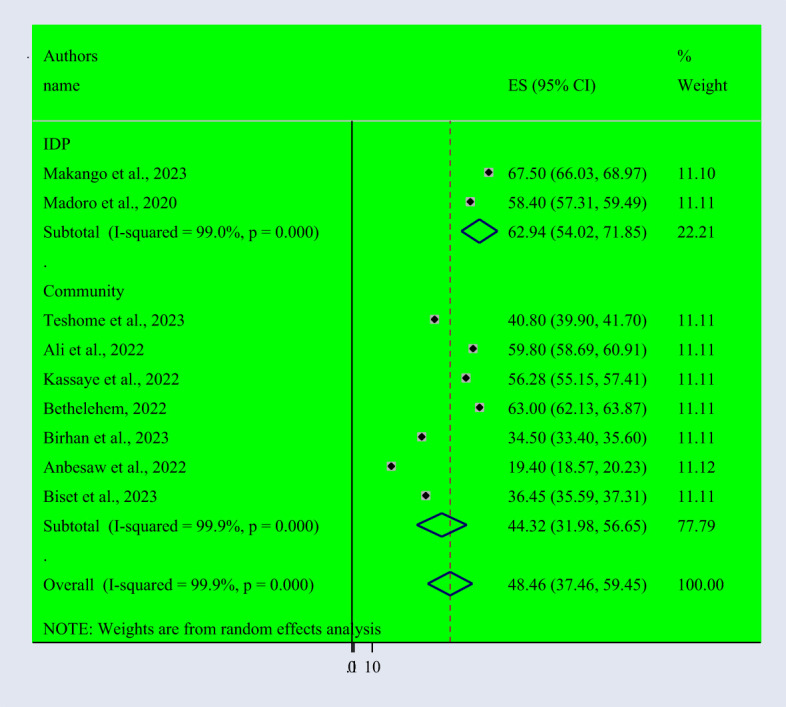
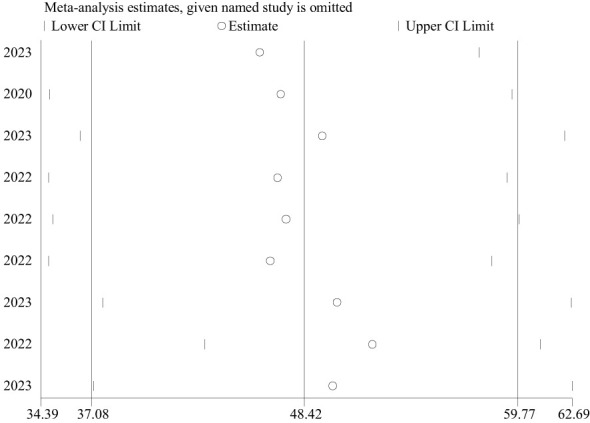
A total of nine published studies with 6107 participants were analyzed in this meta-analysis. The estimated pooled prevalence of PTSD among people living in war-affected areas was 48.4%, with a 95% CI (37.1, 59.8). This study found a higher prevalence of PTSD among women than men. Being female (OR= 2.2, 95% CI: 1.2, 4.3), witnessing a murder of a loved one (OR= 3.0, 95% CI: 1.2, 7.5), depression symptoms (OR= 2.8, 95% CI: 1.4, 5.6), and anxiety symptoms (OR= 3.4, 95% CI: 1.4, 8.0), a close family member killed or seriously injured (OR= 3.1, 95% CI: 1.2, 7.7), a moderate and high perceived threat to life (OR= 3.4, 95% CI: 1.3, 9.1), and poor social support (OR= 4.4, 95% CI: 1.1, 18.7) were associated with post-traumatic stress disorder.
The result of this study shows the high prevalence rate of PTSD in people living in war-affected areas. disparities in PTSD prevalence, with women being at higher risk, and identified risk factors were witnessing the murder of a loved one, experiencing depression and anxiety, and perceived threat to life. Addressing PTSD in war-affected communities requires comprehensive interventions that consider both individual and contextual factors.
www.crd.york.ac.uk/PROSPERO/, identifier CRD42024501384.
创伤后应激障碍(PTSD)是全球范围内一个重大的心理健康问题,在经历战争和冲突的人群中尤为普遍。本系统评价和荟萃分析旨在研究居住在受战争影响社区的埃塞俄比亚人群中PTSD的患病率及相关因素。
本评价按照PRISMA指南进行报告。在电子在线数据库如PubMed、Scopus、Web of Science、MEDLINE/PubMed、Scopus、Embase、Science Direct、Web of Science、Google Scholar和Google中检索相关的合格已发表文章,这些文章报告了截至2024年1月受战争影响地区人群中PTSD的患病率和危险因素。使用Microsoft Excel电子表格提取相关数据。使用STATA 11版进行荟萃分析。采用随机效应模型估计合并患病率和危险因素。使用漏斗图和Egger统计检验检查发表偏倚的潜在风险。
本荟萃分析共纳入9项已发表研究,6107名参与者。居住在受战争影响地区人群中PTSD的合并患病率估计为48.4%,95%置信区间为(37.1,59.8)。本研究发现女性中PTSD的患病率高于男性。女性(比值比=2.2,95%置信区间:1.2,4.3)、目睹亲人被谋杀(比值比=3.0,95%置信区间:1.2,7.5)、抑郁症状(比值比=2.8,95%置信区间:1.4,5.6)、焦虑症状(比值比=3.4,95%置信区间:1.4,8.0)、近亲被杀或受重伤(比值比=3.1,95%置信区间:1.2,7.7)、对生命的中度和高度感知威胁(比值比=3.4,95%置信区间:1.3,9.1)以及社会支持差(比值比=4.4,95%置信区间:1.1,18.7)与创伤后应激障碍相关。
本研究结果显示,居住在受战争影响地区的人群中PTSD患病率较高。PTSD患病率存在差异,女性风险更高,已确定的危险因素包括目睹亲人被谋杀、经历抑郁和焦虑以及对生命的感知威胁。在受战争影响的社区应对PTSD需要综合干预,同时考虑个体和背景因素。