Alzahrani Abdullah, Ullah Arif
Department of Health Rehabilitation Sciences, College of Applied Medical Sciences at Shaqra, Shaqra University, Shaqra, Saudi Arabia.
Physical Medicine & Rehabilitation, Khyber Medical University, Peshawar, KPK, Pakistan.
Digit Health. 2024 May 27;10:20552076241256745. doi: 10.1177/20552076241256745. eCollection 2024 Jan-Dec.
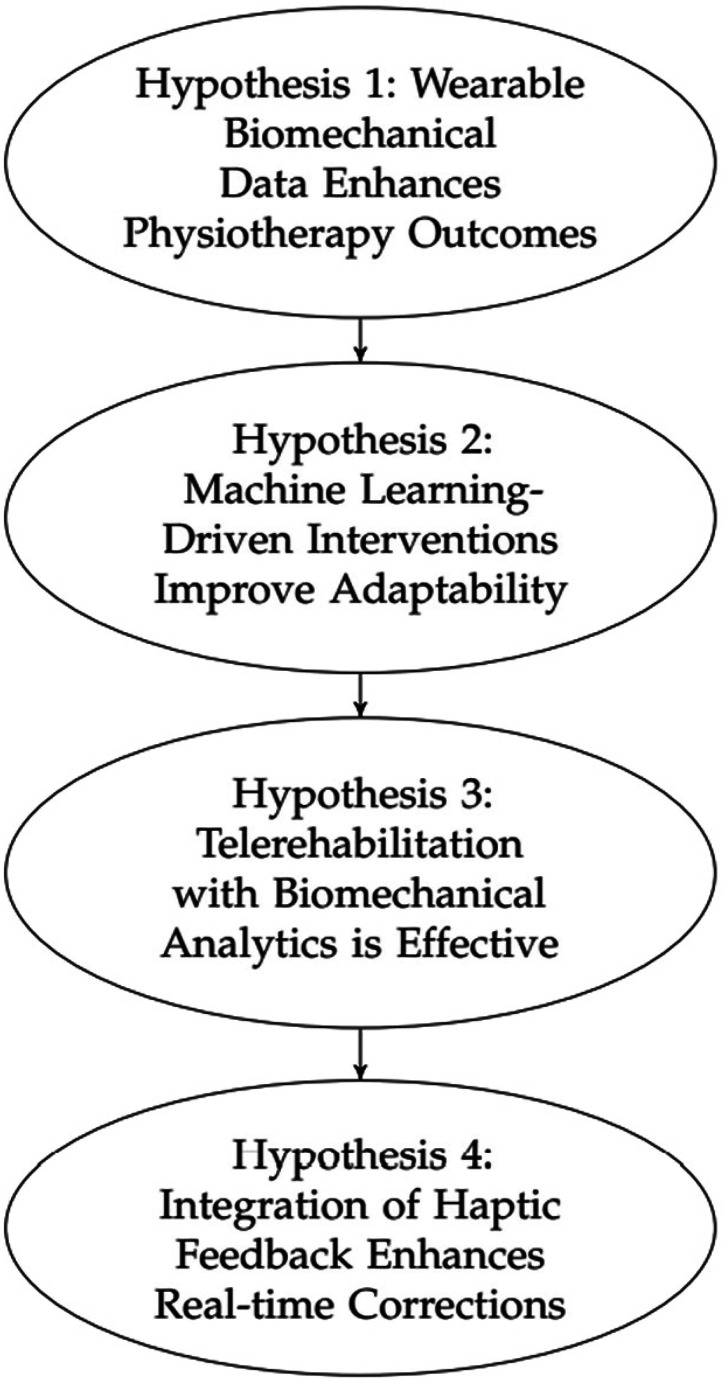
This study investigated the impact of wearable technologies, particularly advanced biomechanical analytics and machine learning, on sports performance monitoring and intervention strategies within the realm of physiotherapy. The primary aims were to evaluate key performance metrics, individual athlete variations and the efficacy of machine learning-driven adaptive interventions.
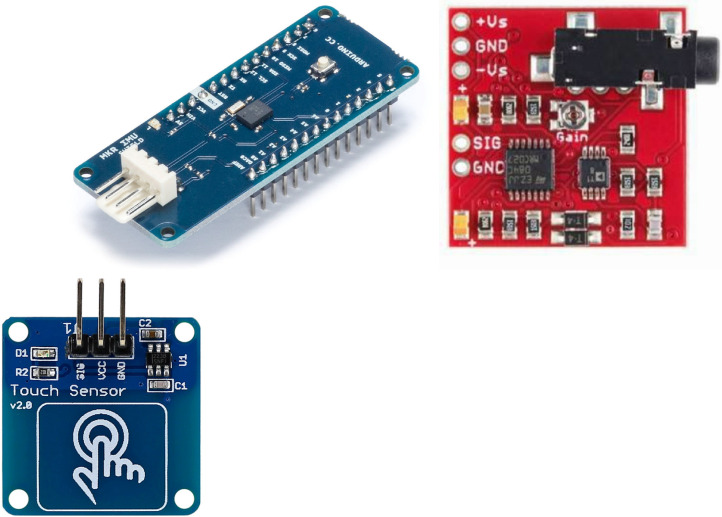
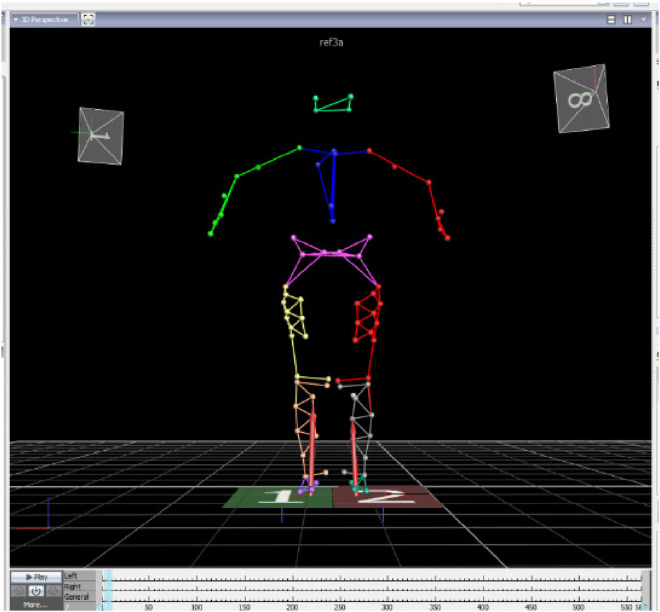
The research employed an observational cross-sectional design, focusing on the collection and analysis of real-world biomechanical data from athletes engaged in sports physiotherapy. A representative sample of athletes from Bahawalpur participated, utilizing Dring Stadium as the primary data collection venue. Wearable devices, including inertial sensors (MPU6050, MPU9250), electromyography (EMG) sensors (MyoWare Muscle Sensor), pressure sensors (FlexiForce sensor) and haptic feedback sensors, were strategically chosen for their ability to capture diverse biomechanical parameters.
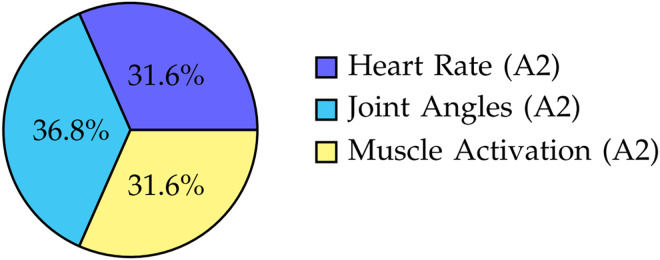
Key performance metrics, such as heart rate (mean: 76.5 bpm, SD: 3.2, min: 72, max: 80), joint angles (mean: 112.3 degrees, SD: 6.8, min: 105, max: 120), muscle activation (mean: 43.2%, SD: 4.5, min: 38, max: 48) and stress and strain features (mean: [112.3 ], SD: [6.5 ]), were analyzed and presented in summary tables. Individual athlete analyses highlighted variations in performance metrics, emphasizing the need for personalized monitoring and intervention strategies. The impact of wearable technologies on athletic performance was quantified through a comparison of metrics recorded with and without sensors. Results consistently demonstrated improvements in monitored parameters, affirming the significance of wearable technologies.
The study suggests that wearable technologies, when combined with advanced biomechanical analytics and machine learning, can enhance athletic performance in sports physiotherapy. Real-time monitoring allows for precise intervention adjustments, demonstrating the potential of machine learning-driven adaptive interventions.
本研究调查了可穿戴技术,特别是先进的生物力学分析和机器学习,对物理治疗领域运动表现监测和干预策略的影响。主要目的是评估关键性能指标、个体运动员差异以及机器学习驱动的自适应干预的效果。
该研究采用观察性横断面设计,重点收集和分析参与运动物理治疗的运动员的真实世界生物力学数据。来自巴哈瓦尔布尔的运动员代表样本参与了研究,以德林体育场作为主要数据收集地点。战略性地选择了可穿戴设备,包括惯性传感器(MPU6050、MPU9250)、肌电图(EMG)传感器(MyoWare肌肉传感器)、压力传感器(FlexiForce传感器)和触觉反馈传感器,因为它们能够捕捉各种生物力学参数。
对关键性能指标进行了分析,并在汇总表中列出,如心率(平均值:76.5次/分钟,标准差:3.2,最小值:72,最大值:80)、关节角度(平均值:112.3度,标准差:6.8,最小值:105,最大值:120)、肌肉激活(平均值:43.2%,标准差:4.5,最小值:38,最大值:48)以及应力和应变特征(平均值:[112.3],标准差:[6.