Xu Jing, Yang Yicheng, Li Xin, Ding Shusi, Zheng Lemin, Xiong Changming, Yang Yuejin
Department of Cardiology, State Key Laboratory of Cardiovascular Disease, Fuwai Hospital, National Center for Cardiovascular Diseases Chinese Academy of Medical Sciences and Peking Union Medical College Beijing China.
Respiratory and Pulmonary Vascular Center, State Key Laboratory of Cardiovascular Disease, Fuwai Hospital, National Center for Cardiovascular Diseases Chinese Academy of Medical Sciences and Peking Union Medical College Beijing China.
Imeta. 2023 Jun 19;2(3):e124. doi: 10.1002/imt2.124. eCollection 2023 Aug.
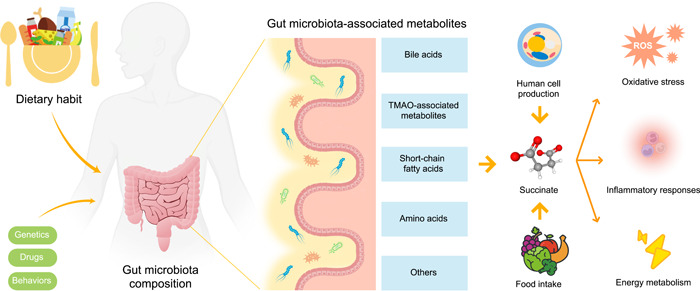
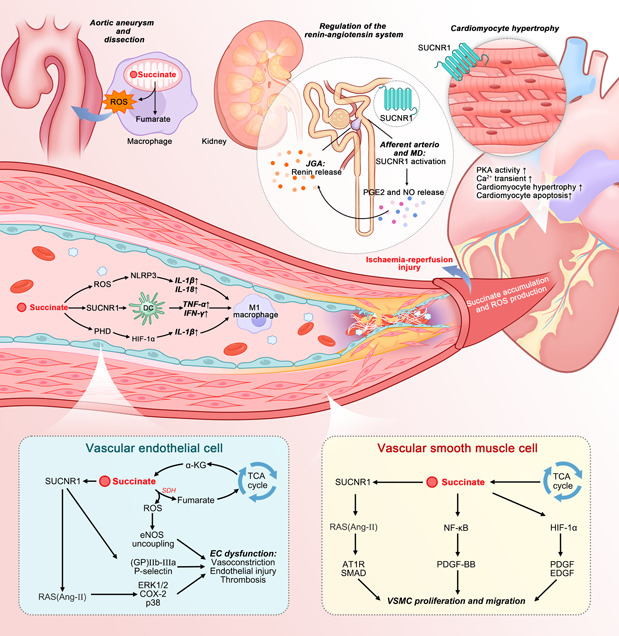
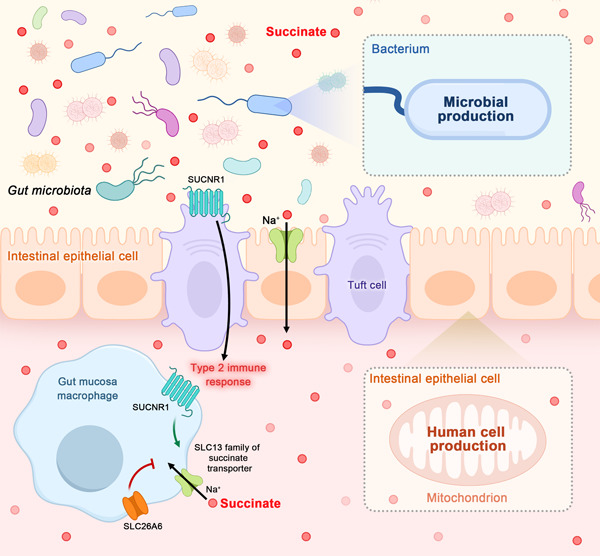
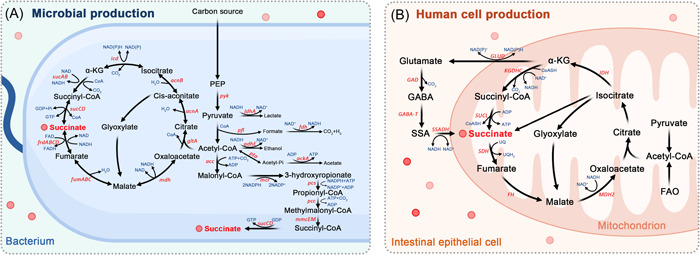
Cardiovascular diseases (CVDs) continue to be a significant contributor to global mortality, imposing a substantial burden and emphasizing the urgent need for disease control to save lives and prevent disability. With advancements in technology and scientific research, novel mechanisms underlying CVDs have been uncovered, leading to the exploration of promising treatment targets aimed at reducing the global burden of the disease. One of the most intriguing findings is the relationship between CVDs and gut microbiota, challenging the traditional understanding of CVDs mechanisms and introducing the concept of the gut-heart axis. The gut microbiota, through changes in microbial compositions and functions, plays a crucial role in influencing local and systemic effects on host physiology and disease development, with its metabolites acting as key regulators. In previous studies, we have emphasized the importance of specific metabolites such as betaine, putrescine, trimethylamine oxide, and -trimethyl-5-aminovaleric acid in the potential treatment of CVDs. Particularly noteworthy is the gut microbiota-associated metabolite succinate, which has garnered significant attention due to its involvement in various pathophysiological pathways closely related to CVDs pathogenesis, including immunoinflammatory responses, oxidative stress, and energy metabolism. Furthermore, we have identified succinate as a potential biomarker, highlighting its therapeutic feasibility in managing aortic dissection and aneurysm. This review aims to comprehensively outline the characteristics of succinate, including its biosynthetic process, summarize the current evidence linking it to CVDs causation, and emphasize the host-microbial crosstalk involved in modulating CVDs. The insights presented here offer a novel paradigm for future management and control of CVDs.
心血管疾病(CVDs)仍然是全球死亡的重要原因,带来了沉重负担,并凸显了疾病控制以挽救生命和预防残疾的迫切需求。随着技术和科学研究的进步,已发现CVDs潜在的新机制,从而促使人们探索有前景的治疗靶点,以减轻该疾病的全球负担。最引人关注的发现之一是CVDs与肠道微生物群之间的关系,这挑战了对CVDs机制的传统理解,并引入了肠-心轴的概念。肠道微生物群通过微生物组成和功能的变化,在影响宿主生理和疾病发展的局部和全身效应中发挥关键作用,其代谢产物起着关键调节作用。在先前的研究中,我们强调了甜菜碱、腐胺、氧化三甲胺和γ-三甲氨基戊酸等特定代谢产物在CVDs潜在治疗中的重要性。特别值得注意的是与肠道微生物群相关的代谢产物琥珀酸,由于其参与了与CVDs发病机制密切相关的各种病理生理途径,包括免疫炎症反应、氧化应激和能量代谢,因而备受关注。此外,我们已将琥珀酸确定为一种潜在的生物标志物,突出了其在治疗主动脉夹层和动脉瘤方面的可行性。本综述旨在全面概述琥珀酸的特性,包括其生物合成过程,总结目前将其与CVDs病因联系起来的证据,并强调参与调节CVDs的宿主-微生物相互作用。本文提出的见解为未来CVDs的管理和控制提供了一种新的范例。