Department of Drug Technology and Social Pharmacy, Faculty of Pharmacy, Medical Academy, Lithuanian University of Health Sciences, Sukileliu pr. 13, LT-50161 Kaunas, Lithuania.
Institute of Pharmaceutical Technologies, Faculty of Pharmacy, Medical Academy, Lithuanian University of Health Sciences, Sukileliu pr. 13, LT-50161 Kaunas, Lithuania.
Molecules. 2024 May 23;29(11):2460. doi: 10.3390/molecules29112460.
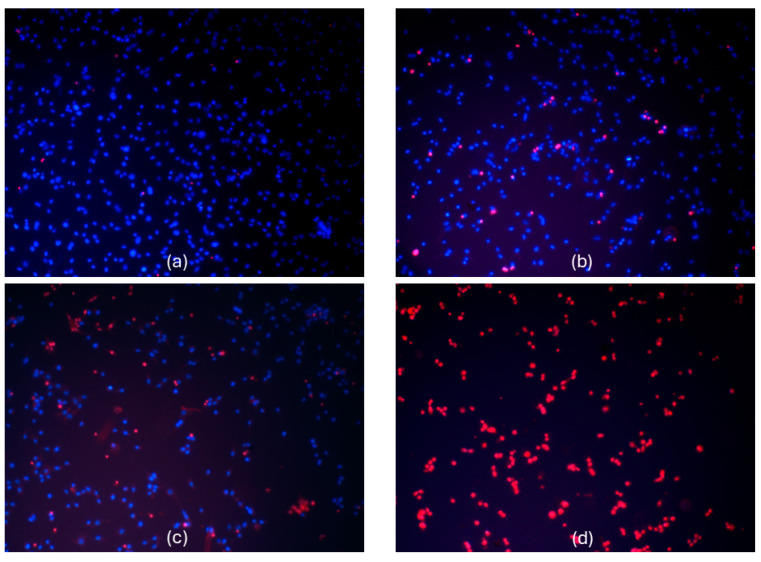
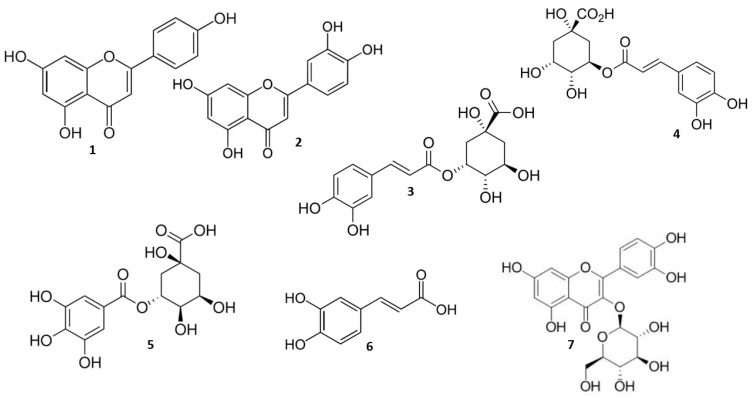
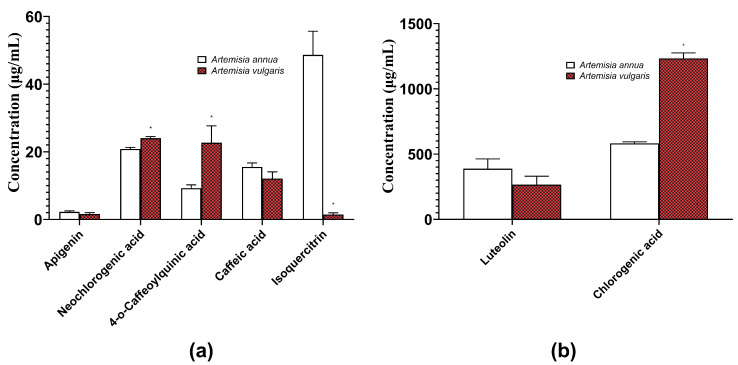
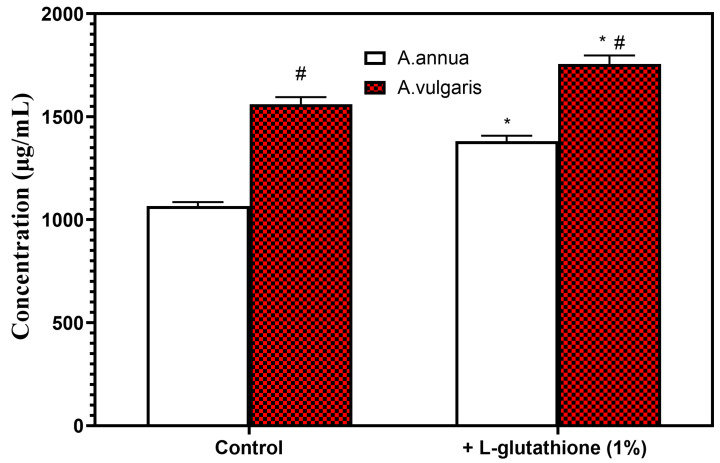
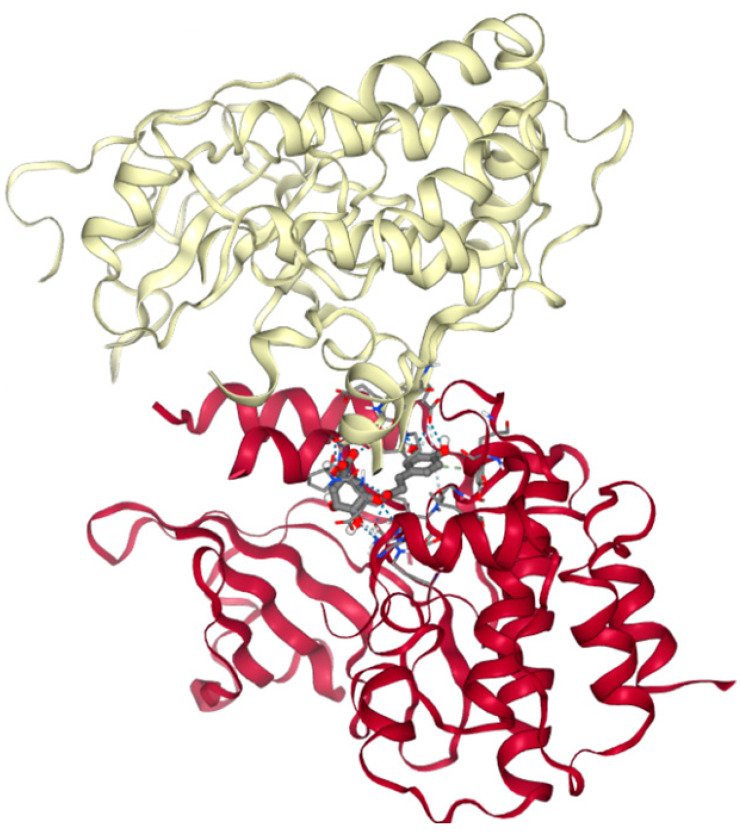
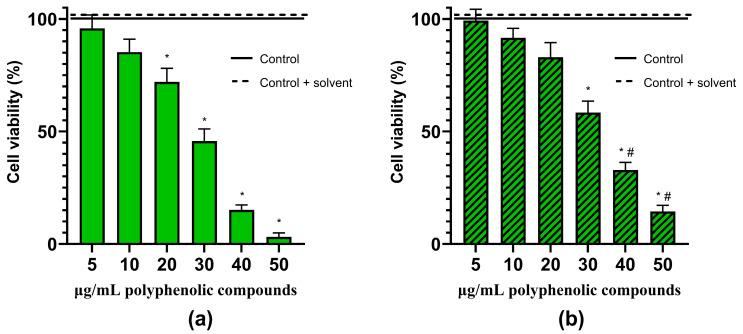
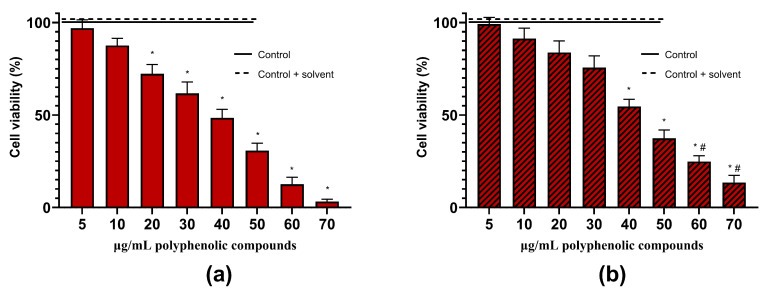
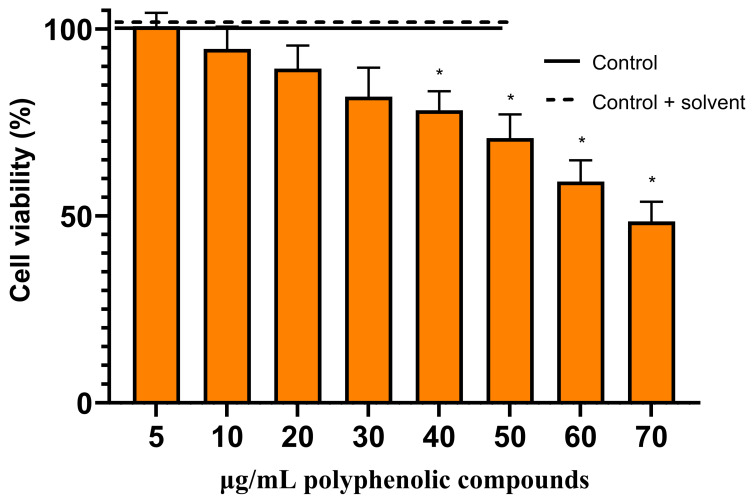
Glioblastoma, the most aggressive and challenging brain tumor, is a key focus in neuro-oncology due to its rapid growth and poor prognosis. The C6 glioma cell line is often used as a glioblastoma model due to its close simulation of human glioma characteristics, including rapid expansion and invasiveness. Alongside, herbal medicine, particularly Artemisia spp., is gaining attention for its anticancer potential, offering mechanisms like apoptosis induction, cell cycle arrest, and the inhibition of angiogenesis. In this study, we optimized extraction conditions of polyphenols from L. and L. herbs and investigated their anticancer effects in silico and in vitro. Molecular docking of the main phenolic compounds of and and potential target proteins, including programmed cell death (apoptosis) pathway proteins proapoptotic Bax (PDB ID 6EB6), anti-apoptotic Bcl-2 (PDB ID G5M), and the necroptosis pathway protein (PDB ID 7MON), mixed lineage kinase domain-like protein (MLKL), in complex with receptor-interacting serine/threonine-protein kinase 3 (RIPK3), revealed the high probability of their interactions, highlighting the possible influence of chlorogenic acid in modulating necroptosis processes. The cell viability of rat C6 glioma cell line was assessed using a nuclear fluorescent double-staining assay with Hoechst 33342 and propidium iodide. The extracts from and have demonstrated anticancer activity in the glioblastoma model, with the synergistic effects of their combined compounds surpassing the efficacy of any single compound. Our results suggest the potential of these extracts as a basis for developing more effective glioblastoma treatments, emphasizing the importance of further research into their mechanisms of action and therapeutic applications.
胶质母细胞瘤是最具侵袭性和挑战性的脑肿瘤,由于其快速生长和预后不良,是神经肿瘤学的重点关注对象。C6 神经胶质瘤细胞系由于其与人胶质细胞瘤特征的紧密模拟,包括快速扩张和侵袭性,常被用作胶质母细胞瘤模型。此外,草药,特别是青蒿属植物,因其抗癌潜力而受到关注,提供了诱导细胞凋亡、细胞周期停滞和抑制血管生成等机制。在这项研究中,我们优化了来自 和 植物的多酚提取条件,并在体内和体外研究了它们的抗癌作用。主要酚类化合物和潜在靶蛋白(包括程序性细胞死亡(凋亡)途径蛋白促凋亡 Bax(PDB ID 6EB6)、抗凋亡 Bcl-2(PDB ID G5M)和坏死途径蛋白(PDB ID 7MON)、混合谱系激酶结构域样蛋白(MLKL)与受体相互作用丝氨酸/苏氨酸蛋白激酶 3(RIPK3)的复合物的分子对接表明它们相互作用的可能性很高,突出了绿原酸在调节坏死过程中的可能影响。使用 Hoechst 33342 和碘化丙啶的核荧光双重染色测定法评估大鼠 C6 神经胶质瘤细胞系的细胞活力。 和 的提取物在胶质母细胞瘤模型中表现出抗癌活性,其联合化合物的协同作用超过了任何单一化合物的功效。我们的结果表明,这些提取物有可能成为开发更有效的胶质母细胞瘤治疗方法的基础,强调了进一步研究其作用机制和治疗应用的重要性。