Department of Orthopedics, People's Hospital of Dali Bai Autonomous Prefecture, Dali, Yunnan, China.
Department of Clinical Laboratory, People's Hospital of Dali Bai Autonomous Prefecture, Dali, Yunnan, China.
Medicine (Baltimore). 2024 Jun 21;103(25):e38613. doi: 10.1097/MD.0000000000038613.
Scrub typhus is a naturally occurring acute febrile disease caused by Orientia tsutsugamushi. Although it can cause multiple organ dysfunction, central nervous system infections are uncommon.
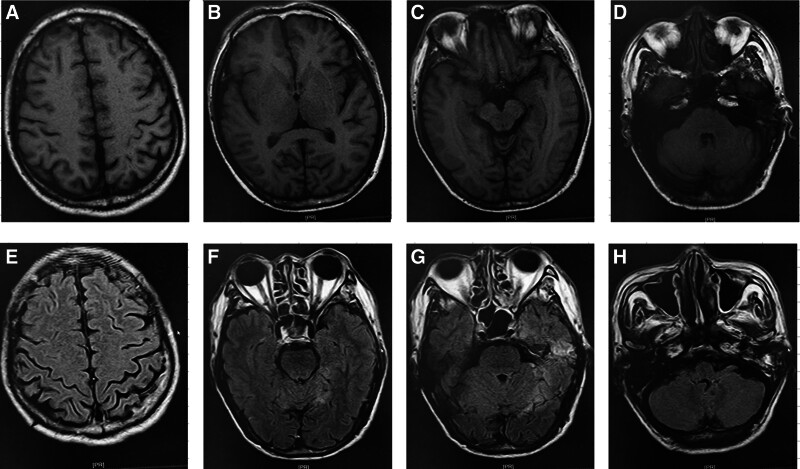
A 17-year-old male presented with a 5-day history of fever and headaches. The MRI of the head revealed thickness and enhancement of the left temporal lobe and tentorium cerebelli, indicating potential inflammation.
The patient was diagnosed with a central nervous system infection.
Ceftriaxone and acyclovir were administered intravenously to treat the infection, reduce fever, restore acid-base balance, and manage electrolyte disorders.
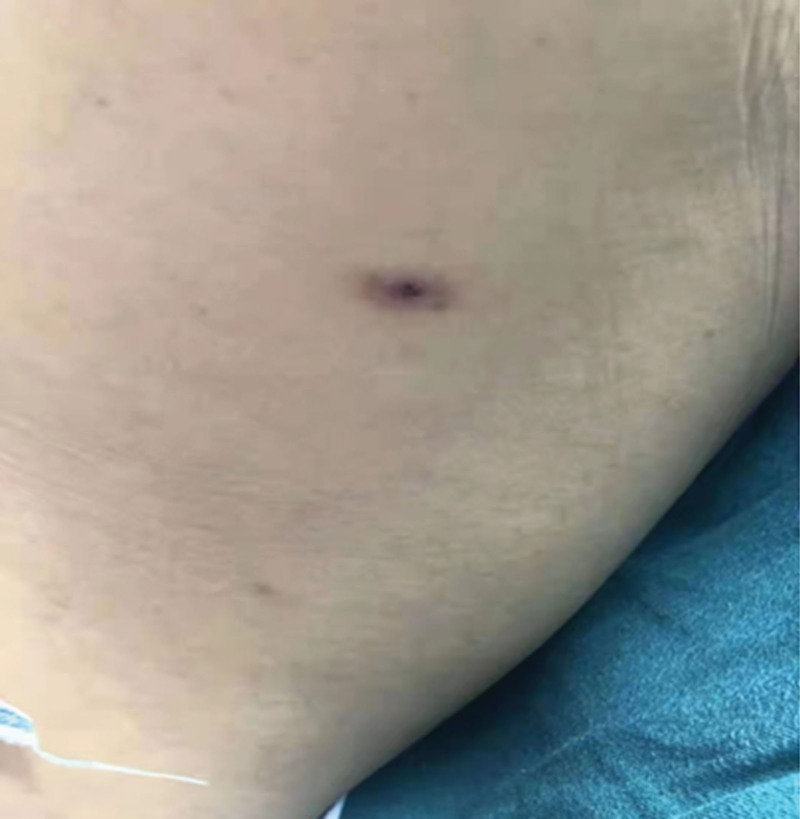
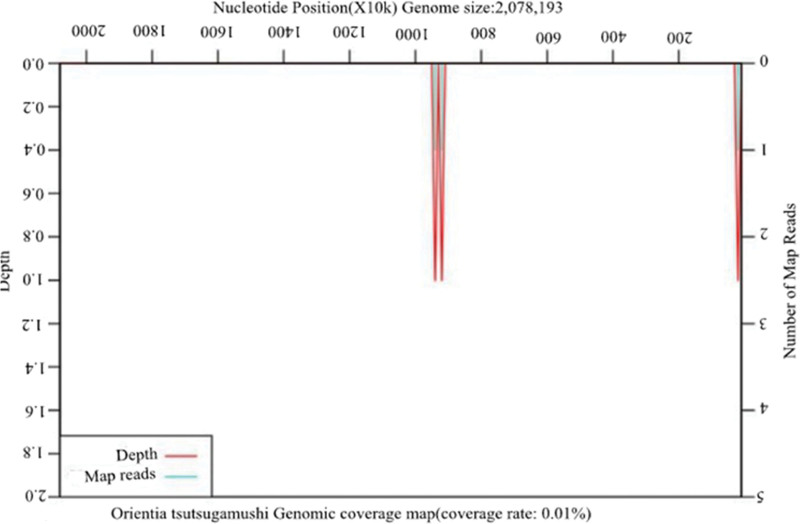
Despite receiving ceftriaxone and acyclovir as infection therapy, there was no improvement. Additional multipathogen metagenomic testing indicated the presence of O tsutsugamushi infection, and an eschar was identified in the left axilla. The diagnosis was changed to scrub typhus with meningitis and the therapy was modified to intravenous doxycycline. Following a 2-day therapy, the body temperature normalized, and the fever subsided.
The patient was diagnosed with scrub typhus accompanied by meningitis, and doxycycline treatment was effective.
Rarely reported cases of scrub typhus with meningitis and the lack of identifiable symptoms increase the chance of misdiagnosis or oversight. Patients with central nervous system infections presenting with fever and headache unresponsive to conventional antibacterial and antiviral treatment should be considered for scrub typhus with meningitis. Prompt multipathogen metagenomic testing is recommended to confirm the diagnosis and modify the treatment accordingly.
恙虫病是一种由恙虫东方体引起的自然发生的急性发热性疾病。尽管它可导致多器官功能障碍,但中枢神经系统感染并不常见。
一名 17 岁男性,发热头痛 5 天。头部 MRI 显示左侧颞叶和小脑幕增厚和增强,提示存在潜在炎症。
患者被诊断为中枢神经系统感染。
给予头孢曲松和阿昔洛韦静脉治疗以控制感染、退热、恢复酸碱平衡和处理电解质紊乱。
尽管给予头孢曲松和阿昔洛韦进行抗感染治疗,但病情没有改善。进一步的多病原体宏基因组检测提示存在恙虫东方体感染,左侧腋窝发现焦痂。诊断更改为恙虫病伴脑膜炎,治疗方案改为静脉用多西环素。经过 2 天的治疗,体温恢复正常,发热消退。
患者被诊断为恙虫病伴脑膜炎,多西环素治疗有效。
恙虫病伴脑膜炎的罕见病例报告和缺乏可识别的症状增加了误诊或漏诊的机会。对于以发热和头痛为表现的中枢神经系统感染患者,若常规抗菌和抗病毒治疗无效,应考虑恙虫病伴脑膜炎。建议进行多病原体宏基因组检测以明确诊断并相应调整治疗方案。