Rouillard A, Escot Bocanegra P, Stancampiano A, Dozias S, Lemaire J, Pouvesle J M, Robert E, Brulé-Morabito F, Demasure M, Rouquette S
GREMI, CNRS/Université d'Orléans-UMR7344, Orléans, France.
CBM, CNRS-UPR4301, Orléans, France.
NPJ Microgravity. 2024 Jul 6;10(1):74. doi: 10.1038/s41526-024-00408-1.
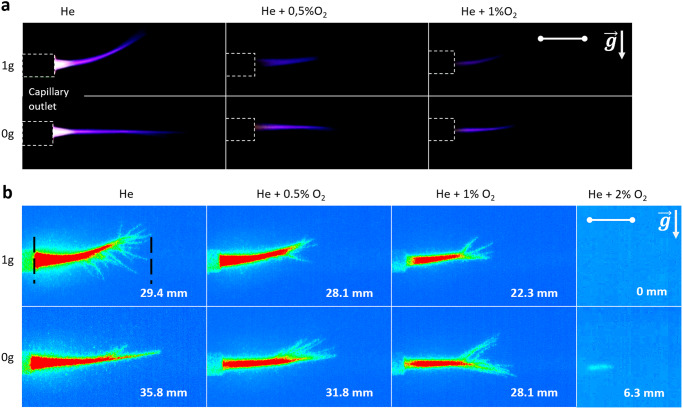
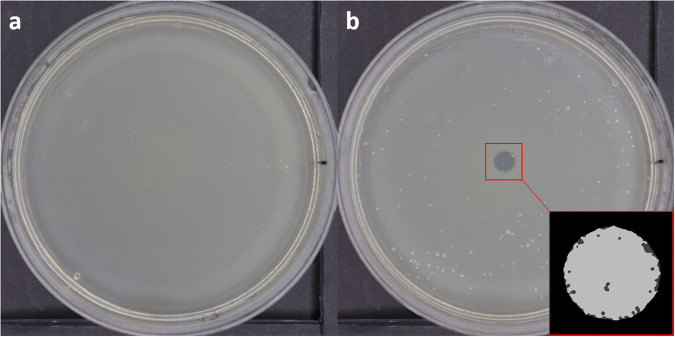
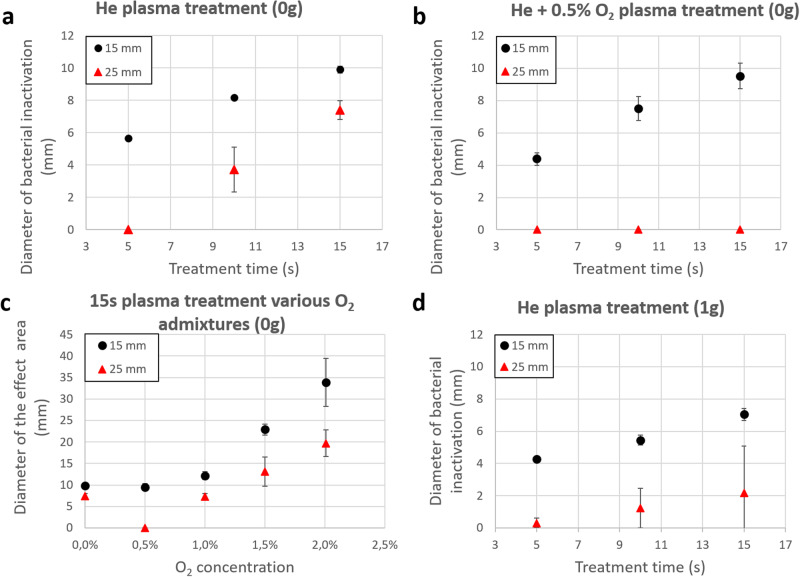
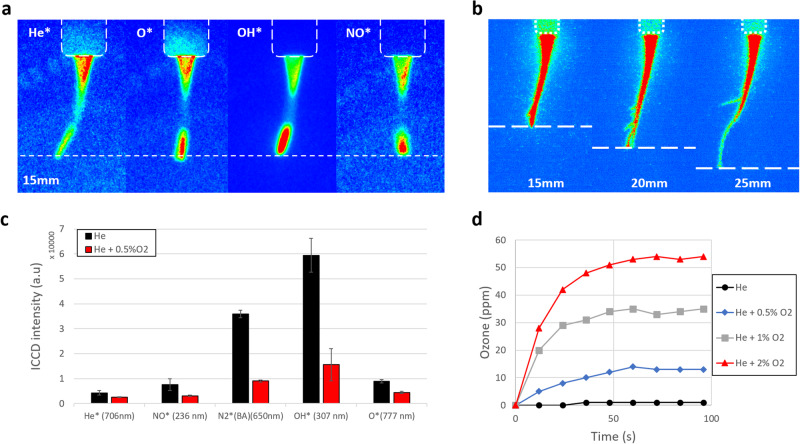
Cold atmospheric pressure plasma (ionized gas) is an innovative medical tool for the treatment of infected wounds thanks to its potential to inactivate drug-resistant microorganisms and promote tissue regeneration and vascularization. The low power consumption, compactness, and versatility of Cold Atmospheric Pressure Plasma (CAPP) devices make them an ideal tool for risk mitigation associated with human spaceflights. This work presents results in microgravity on the operability of CAPP and its antimicrobial effect. The experiments carried out in parabolic flights make it possible to optimize the treatment conditions (i.e., the distance, the gas mixture) and to obtain the rapid inactivation (<15 s) of Escherichia coli samples. Interestingly, the inactivation efficiency of CAPP was higher during parabolic flights than under terrestrial conditions. Overall, these results encourage the further development of CAPP medical devices for its implementation during human spaceflights.
冷大气压等离子体(电离气体)是一种创新的医疗工具,可用于治疗感染伤口,因为它具有使耐药微生物失活以及促进组织再生和血管形成的潜力。冷大气压等离子体(CAPP)设备的低功耗、紧凑性和多功能性使其成为减轻人类太空飞行相关风险的理想工具。这项工作展示了在微重力环境下CAPP的可操作性及其抗菌效果。在抛物线飞行中进行的实验使得优化治疗条件(即距离、气体混合物)并实现大肠杆菌样本的快速失活(<15秒)成为可能。有趣的是,CAPP在抛物线飞行期间的失活效率高于地面条件下的效率。总体而言,这些结果鼓励进一步开发CAPP医疗设备,以便在人类太空飞行中应用。