Department of Dermatology, Medical University of Warsaw, 02-091 Warsaw, Poland.
Int J Mol Sci. 2024 Jul 11;25(14):7616. doi: 10.3390/ijms25147616.
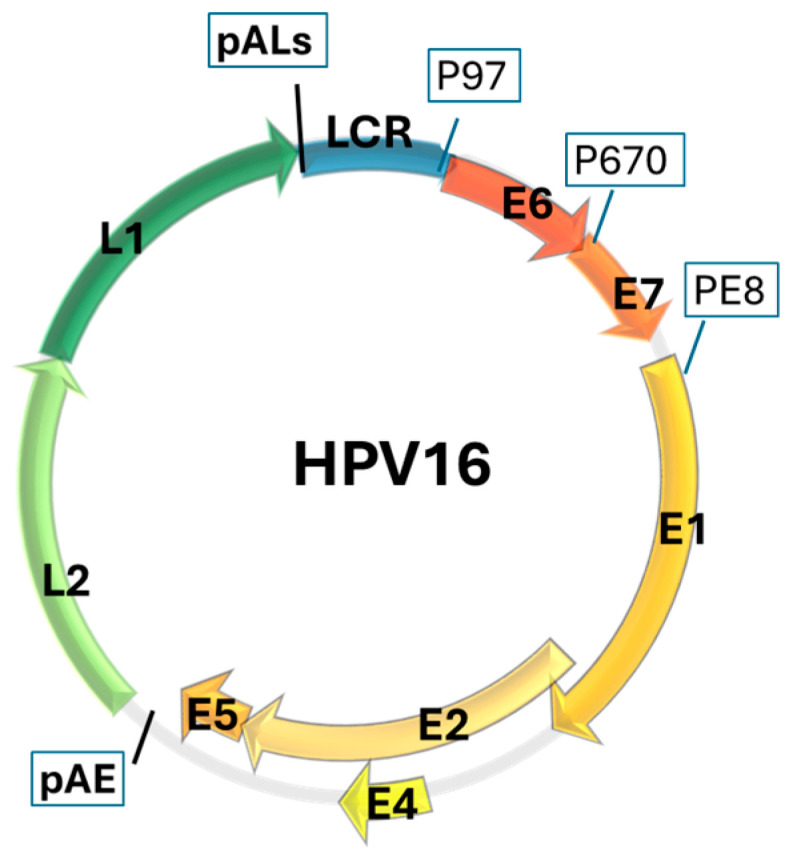
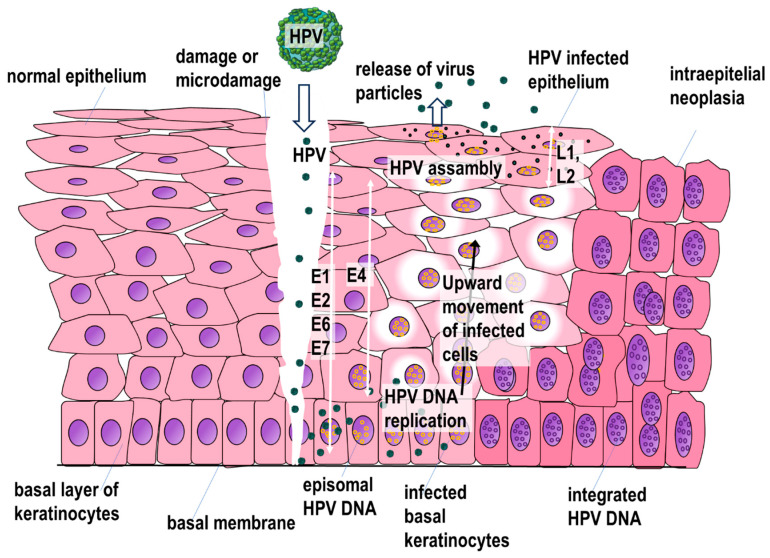
To date, more than 400 types of human papillomavirus (HPV) have been identified. Despite the creation of effective prophylactic vaccines against the most common genital HPVs, the viruses remain among the most prevalent pathogens found in humans. According to WHO data, they are the cause of 5% of all cancers. Even more frequent are persistent and recurrent benign lesions such as genital and common warts. HPVs are resistant to many disinfectants and relatively unsusceptible to external conditions. There is still no drug available to inhibit viral replication, and treatment is based on removing lesions or stimulating the host immune system. This paper presents the systematics of HPV and the differences in HPV structure between different genetic types, lineages, and sublineages, based on the literature and GenBank data. We also present the pathogenesis of diseases caused by HPV, with a special focus on the role played by E6, E7, and other viral proteins in the development of benign and cancerous lesions. We discuss further prospects for the treatment of HPV infections, including, among others, substances that block the entry of HPV into cells, inhibitors of viral early proteins, and some substances of plant origin that inhibit viral replication, as well as new possibilities for therapeutic vaccines.
迄今为止,已经发现了超过 400 种人类乳头瘤病毒(HPV)。尽管已经研发出了针对最常见的生殖器 HPV 的有效预防性疫苗,但这些病毒仍然是人类最常见的病原体之一。根据世界卫生组织的数据,它们是所有癌症的 5%的病因。更常见的是持续和复发性良性病变,如生殖器疣和普通疣。HPV 对许多消毒剂具有抗性,并且对外界条件相对不敏感。目前还没有抑制病毒复制的药物,治疗方法基于去除病变或刺激宿主免疫系统。本文基于文献和 GenBank 数据,介绍了 HPV 的系统分类学以及不同遗传类型、谱系和亚谱系之间 HPV 结构的差异。我们还介绍了 HPV 引起的疾病的发病机制,特别关注了 E6、E7 和其他病毒蛋白在良性和癌性病变发展中的作用。我们讨论了 HPV 感染治疗的进一步前景,包括阻断 HPV 进入细胞的物质、病毒早期蛋白抑制剂以及一些抑制病毒复制的植物来源物质,以及治疗性疫苗的新可能性。