Casey Donald E, Blood Alexander J, Persell Stephen D, Pohlman Daniel, Williamson Jeff D
Jefferson College of Population Health, Philadelphia, PA.
Department of Internal Medicine, Rush Medical College, Chicago, IL.
Mayo Clin Proc Innov Qual Outcomes. 2024 Jul 4;8(4):384-395. doi: 10.1016/j.mayocpiqo.2024.06.001. eCollection 2024 Aug.
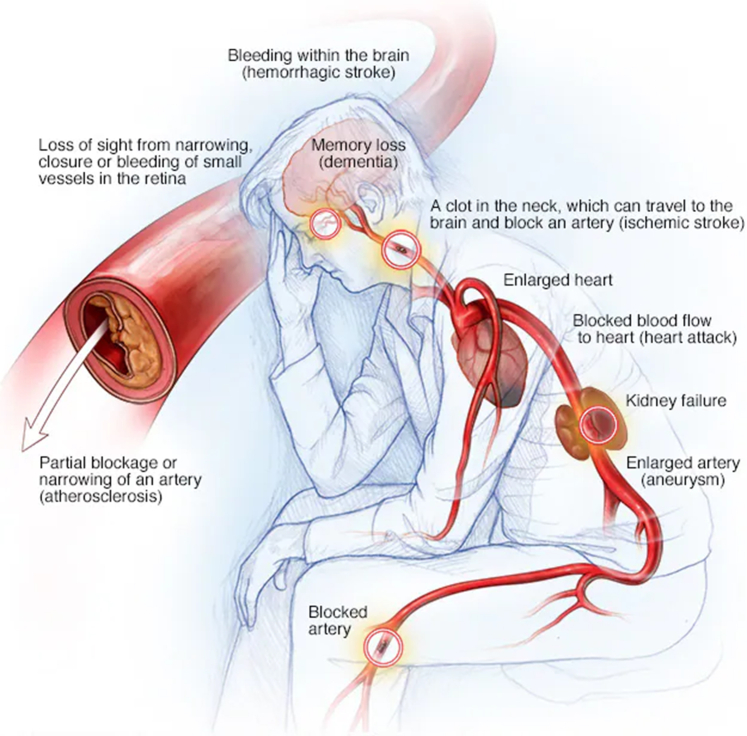
An estimated 45% of adult Americans currently have high blood pressure (HBP). Effective blood pressure (BP) control is essential for preventing major adverse events from cardiovascular and other vascular-related diseases, such as chronic kidney disease, stroke and dementia. A large and growing number of medical professional societies, health care organizations, and governmental agencies have now endorsed a clinical practice guideline-based target for adequate control of HBP to a systolic BP of less than 130 mm Hg. However, adequate BP control to this goal has been recently estimated to be as low as 30%. The first and most important steps to guide effective BP control include accurate, standardized BP measurement and formal assessment of overall atherosclerotic cardiovascular disease risk. In addition to appropriate pharmacologic treatment, optimal BP management must also include multifaceted guideline-directed lifestyle modifications. High-quality evidence now supports effective uniform HBP control that is consistently achievable for most of people from diverse backgrounds. This can be accomplished through identification and prioritization of social determinants of health enabled by shared decision making that is delivered via team-based care. Such integrated approaches can have a substantial impact for simultaneously reducing several major modifiable atherosclerotic cardiovascular disease risk factors. Hence, moving the "Big Needle" of improved overall cardiovascular, kidney, and brain health of the US population must no longer be solely relegated to primary care and will require a major and coordinated reprioritization of capital and evidence-based human resource allocations by all health care stakeholder organizations.
据估计,目前45%的美国成年人患有高血压(HBP)。有效控制血压(BP)对于预防心血管疾病和其他血管相关疾病(如慢性肾病、中风和痴呆症)的重大不良事件至关重要。现在,越来越多的医学专业协会、医疗保健组织和政府机构认可了基于临床实践指南的目标,即把HBP充分控制在收缩压低于130毫米汞柱。然而,最近估计达到这一目标的血压充分控制率低至30%。指导有效控制血压的首要且最重要的步骤包括准确、标准化的血压测量以及对整体动脉粥样硬化性心血管疾病风险的正式评估。除了适当的药物治疗外,最佳血压管理还必须包括多方面的、遵循指南的生活方式改变。高质量证据现在支持对大多数不同背景的人都能持续实现的有效统一血压控制。这可以通过基于团队护理的共同决策来确定和优先考虑健康的社会决定因素来实现。这种综合方法可以对同时降低几个主要的可改变的动脉粥样硬化性心血管疾病风险因素产生重大影响。因此,要改善美国人口的整体心血管、肾脏和大脑健康这一“大目标”,绝不能再仅仅局限于初级保健,所有医疗保健利益相关者组织都需要对资金和基于证据的人力资源分配进行重大且协调一致的重新优先排序。