State Key Laboratory of Chemical Biology & Center of Pharmaceutics, Shanghai Institute of Materia Medica, Chinese Academy of Sciences, Shanghai, 201203, China.
Department of Ultrasound, Zhongshan Hospital, Institute of Ultrasound in Medicine and Engineering, Fudan University, Shanghai, 200032, China.
Nat Commun. 2024 Aug 4;15(1):6608. doi: 10.1038/s41467-024-50735-w.
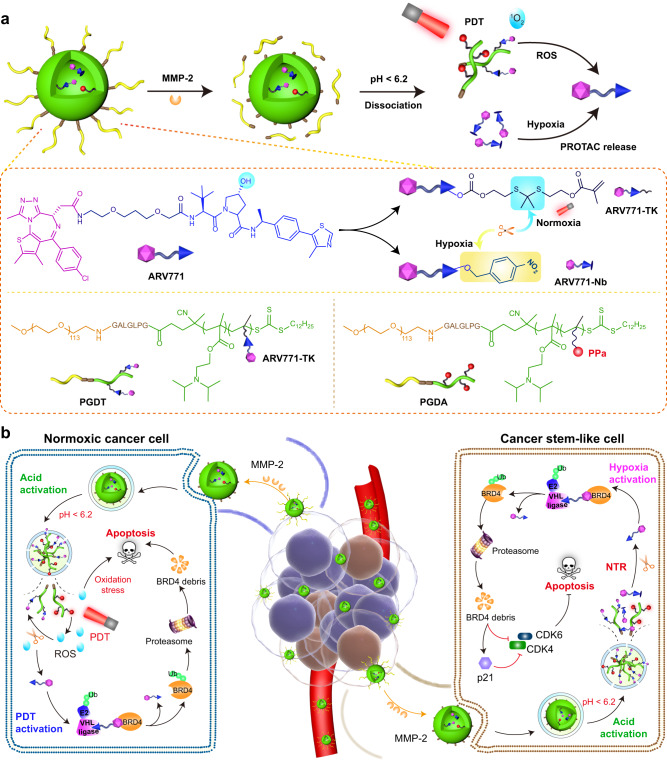
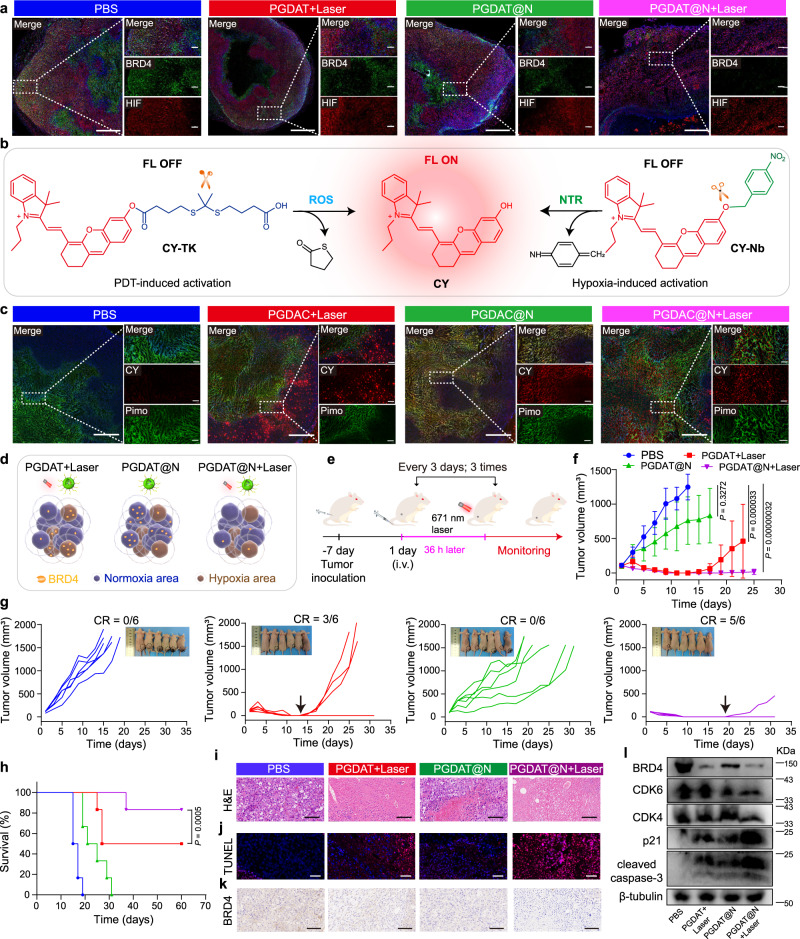
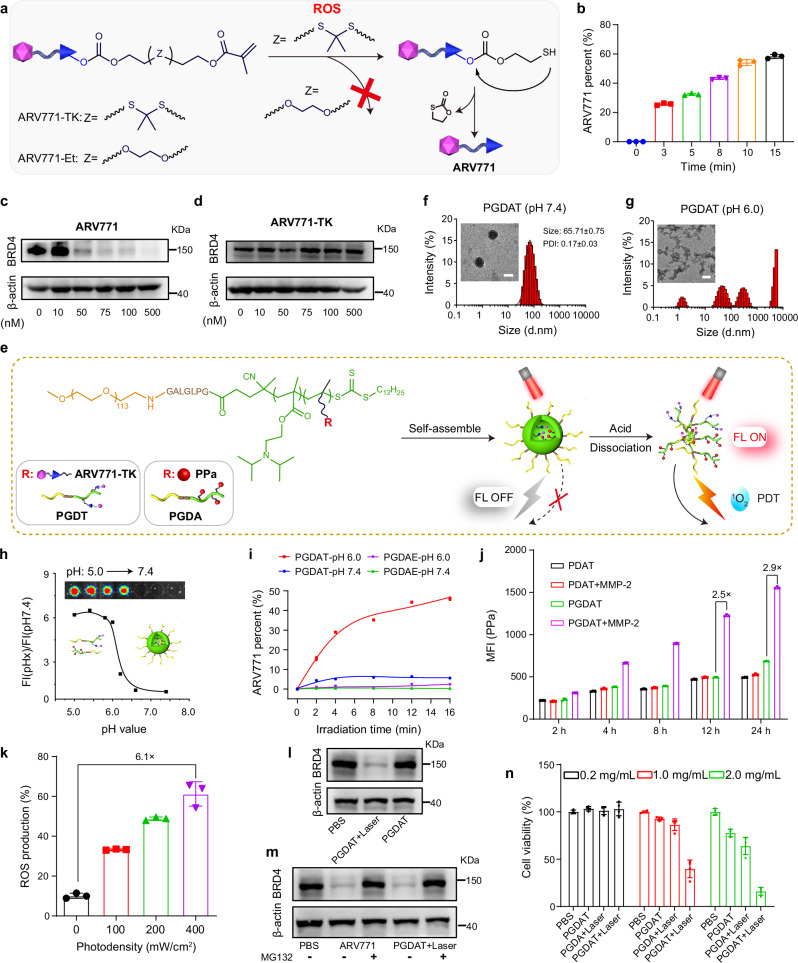
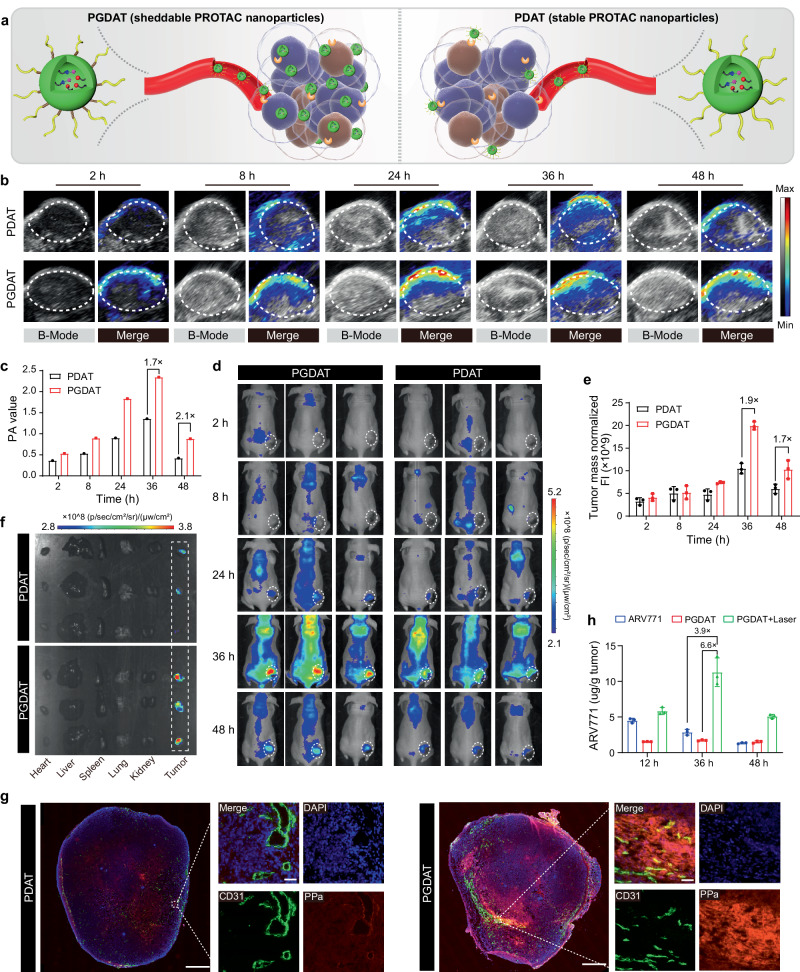
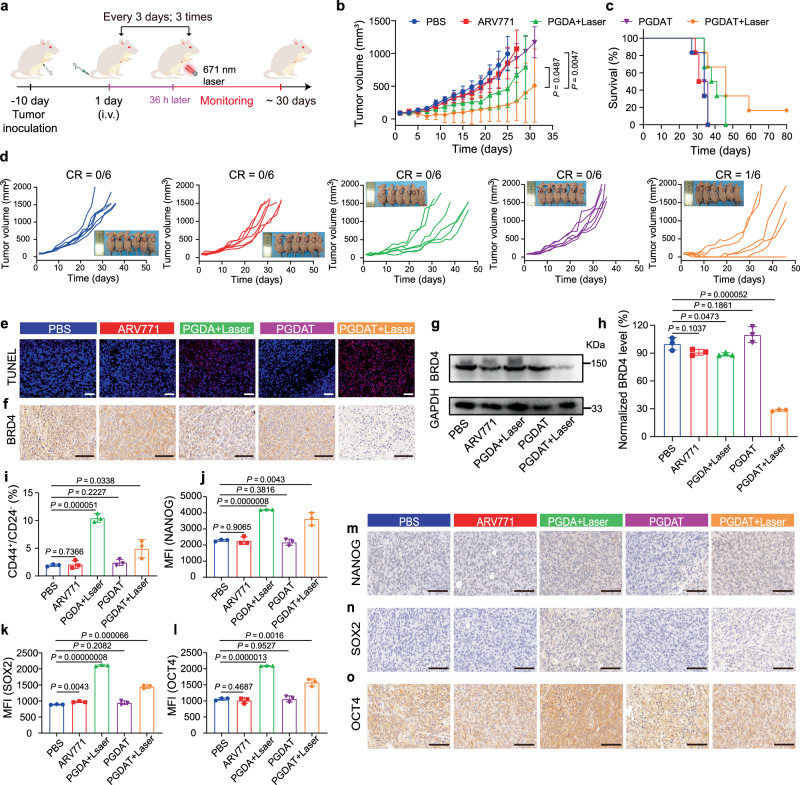
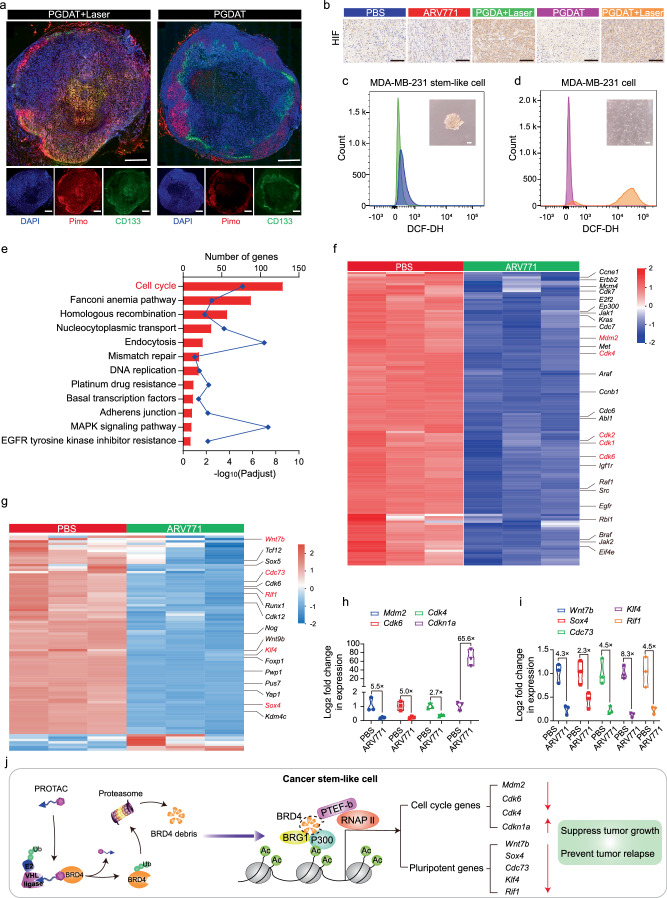
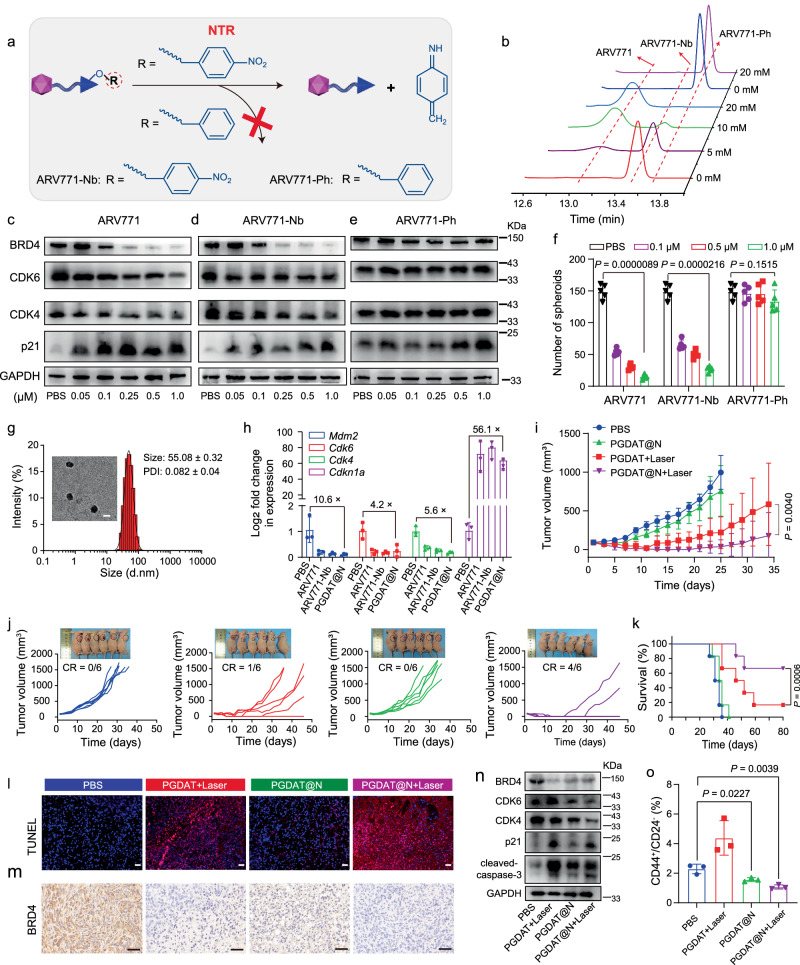
The antitumor performance of PROteolysis-TArgeting Chimeras (PROTACs) is limited by its insufficient tumor specificity and poor pharmacokinetics. These disadvantages are further compounded by tumor heterogeneity, especially the presence of cancer stem-like cells, which drive tumor growth and relapse. Herein, we design a region-confined PROTAC nanoplatform that integrates both reactive oxygen species (ROS)-activatable and hypoxia-responsive PROTAC prodrugs for the precise manipulation of bromodomain and extraterminal protein 4 expression and tumor eradication. These PROTAC nanoparticles selectively accumulate within and penetrate deep into tumors via response to matrix metalloproteinase-2. Photoactivity is then reactivated in response to the acidic intracellular milieu and the PROTAC is discharged due to the ROS generated via photodynamic therapy specifically within the normoxic microenvironment. Moreover, the latent hypoxia-responsive PROTAC prodrug is restored in hypoxic cancer stem-like cells overexpressing nitroreductase. Here, we show the ability of region-confined PROTAC nanoplatform to effectively degrade BRD4 in both normoxic and hypoxic environments, markedly hindering tumor progression in breast and head-neck tumor models.
PROTACs 的抗肿瘤性能受到其肿瘤特异性不足和药代动力学差的限制。这些缺点因肿瘤异质性而进一步加剧,尤其是癌症干细胞样细胞的存在,这些细胞驱动肿瘤生长和复发。在此,我们设计了一种区域限制的 PROTAC 纳米平台,该平台集成了活性氧 (ROS) 激活和缺氧反应性 PROTAC 前药,用于精确操纵溴结构域和末端蛋白 4 的表达和肿瘤清除。这些 PROTAC 纳米颗粒通过响应基质金属蛋白酶-2 选择性地在肿瘤内积聚并穿透到肿瘤深部。然后,光活性响应酸性细胞内环境重新激活,并且由于光动力治疗在正常氧微环境中特异性产生的 ROS,PROTAC 被释放。此外,过表达硝基还原酶的缺氧肿瘤干细胞中潜伏的缺氧反应性 PROTAC 前药被恢复。在这里,我们展示了区域限制的 PROTAC 纳米平台在正常氧和缺氧环境下有效降解 BRD4 的能力,显著抑制了乳腺癌和头颈部肿瘤模型中的肿瘤进展。