Department of Dentistry, Puzi Hospital, Ministry of Health and Welfare, Chiayi, Taiwan.
Research Center for Humanities and Social Sciences, Academia Sinica, 128 Academia Road, Section 2, Nankang, Taipei, 115, Taiwan.
Sci Rep. 2024 Aug 5;14(1):18131. doi: 10.1038/s41598-024-68958-8.
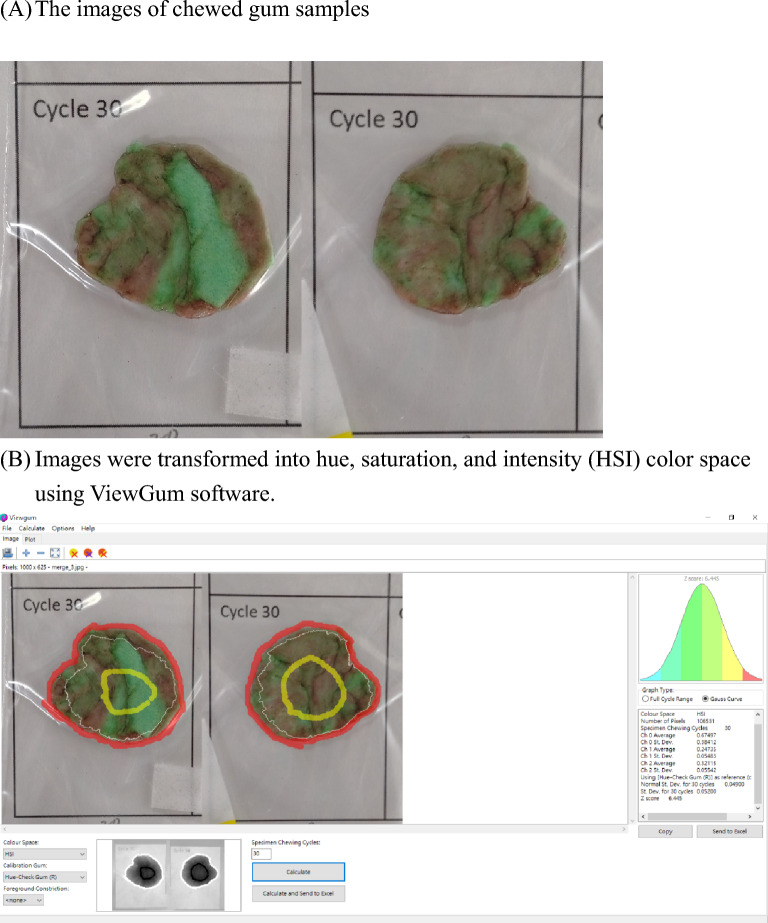
This study aimed to explore the association between bone mineral density and physical frailty including nutrition, muscle mass, and oral function. We included participants aged 35-80 years and examined their bone mineral density, serum albumin level, body composition, and variance of hue (VOH) of two-colored gum. We also used the geriatric oral health assessment index (GOHAI). These data were used to calculate the geriatric nutritional risk index (GNRI) and skeletal muscle index (SMI). Multinomial logistic regression was performed to assess the relationship between GNRI, SMI, VOH, GOHAI, and bone mineral density after adjusting for comorbidities, including hypertension, diabetes mellitus, and previous bone fracture. We included 228 participants and classified their bone mineral density as normal, osteopenic, or osteoporotic. Older age (odds ratio (OR) 1.15, 95% confidence interval (CI) [1.08, 1.23]), low GNRI (OR 0.90, 95% CI [0.83, 0.98]), low SMI (OR 0.43, 95% CI [0.27, 0.68]), and high VOH (OR 1.08, 95% CI [1.01, 1.17]) were significantly associated with osteoporosis. Older age (OR 1.08, 95% CI [1.04, 1.11]) and low GNRI (OR 0.93, 95% CI [0.87, 0.99]) were significantly associated with osteopenia. GNRI, SMI, and VOH were significantly associated with osteoporosis among male participants. Although the multinomial logistic regression analysis indicated that GNRI, SMI, VOH, and GOHAI were not significantly associated with osteoporosis or osteopenia among female participants, the demographic distribution showed that older age, low GNRI, and low SMI were significantly associated with bone mineral density decline. Physical frailty, including nutritional decline, muscle mass loss, and poor oral status, is associated with low bone density. This easy-to-use tool can be used to detect osteoporosis early and to prevent osteoporosis and osteoporosis-related fractures.
本研究旨在探讨骨密度与身体虚弱(包括营养、肌肉量和口腔功能)之间的关联。我们纳入了年龄在 35-80 岁之间的参与者,并检查了他们的骨密度、血清白蛋白水平、身体成分和双色牙龈的色调变化(VOH)。我们还使用了老年口腔健康评估指数(GOHAI)。这些数据用于计算老年营养风险指数(GNRI)和骨骼肌指数(SMI)。多分类逻辑回归用于评估 GNRI、SMI、VOH、GOHAI 和骨密度之间的关系,调整了合并症,包括高血压、糖尿病和既往骨折。我们纳入了 228 名参与者,并将他们的骨密度分类为正常、骨质疏松或骨质疏松症。年龄较大(比值比(OR)1.15,95%置信区间(CI)[1.08,1.23])、低 GNRI(OR 0.90,95%CI [0.83,0.98])、低 SMI(OR 0.43,95%CI [0.27,0.68])和高 VOH(OR 1.08,95%CI [1.01,1.17])与骨质疏松症显著相关。年龄较大(OR 1.08,95%CI [1.04,1.11])和低 GNRI(OR 0.93,95%CI [0.87,0.99])与骨质疏松症显著相关。GNRI、SMI 和 VOH 与男性参与者的骨质疏松症显著相关。尽管多分类逻辑回归分析表明,GNRI、SMI、VOH 和 GOHAI 与女性参与者的骨质疏松症或骨质疏松症无显著相关性,但人口统计学分布显示,年龄较大、低 GNRI 和低 SMI 与骨密度下降显著相关。身体虚弱,包括营养下降、肌肉量减少和口腔状况不佳,与低骨密度有关。这种易于使用的工具可以用于早期检测骨质疏松症,并预防骨质疏松症和骨质疏松症相关骨折。