Das Sandip Kumar, Swain Sarat Chandra, Dash Ritesh, K Jyotheeswara Reddy, C Dhanamjayalu, Chinthaginjala Ravikumar, Jena Ramakanta, Kotb Hossam, ELrashidi Ali
School of Electrical Engineering, KIIT Deemed to be University, India.
School of Electrical and Electronics Engineering, REVA University, Bengaluru, India.
Heliyon. 2024 Jul 9;10(14):e34140. doi: 10.1016/j.heliyon.2024.e34140. eCollection 2024 Jul 30.
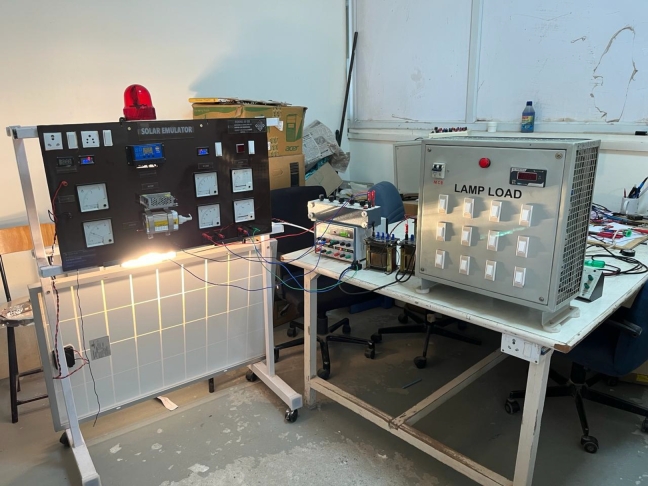
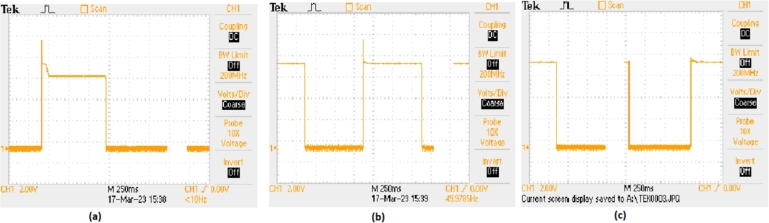
In recent years, the power sector has shifted to decentralized power generation, exemplified by microgrids that combine renewable and traditional power sources. With the introduction of renewable energy resources and distributed generators, novel strategies are required to improve reliability and quality of power (PQ). In our proposed system, a model consisting of photovoltaics, wind energy, and fuel cells has been designed to share a network, bolstered by the integration of UPQC to rectify PQ issues. Notably, our model introduces a Back-stepping controller method featuring Model Reference Adaptive Control (MRAC) with online parameter tuning, offering superior adaptability and responsiveness. This approach not only ensures optimal grid management but also enhances efficiency and stability. Furthermore, the proposed model demands minimal additional infrastructure, leveraging existing resources to streamline implementation and maintenance, thereby promoting sustainability and cost-effectiveness. The research culminates in a comparative analysis between the MRAC-Back-stepping controller, Adaptive Neuro-Fuzzy Inference System (ANFIS), and Fuzzy controller, highlighting the efficacy and versatility of our proposed model in microgrid operations. A Matlab model has been designed along with a hardware setup to demonstrate the robustness of the model.
近年来,电力部门已转向分散式发电,以结合可再生能源和传统能源的微电网为代表。随着可再生能源资源和分布式发电机的引入,需要新的策略来提高电力可靠性和电能质量(PQ)。在我们提出的系统中,设计了一个由光伏、风能和燃料电池组成的模型来共享网络,并通过统一电能质量调节器(UPQC)的集成来改善电能质量问题。值得注意的是,我们的模型引入了一种具有在线参数调整的模型参考自适应控制(MRAC)的反步控制器方法,具有卓越的适应性和响应性。这种方法不仅确保了最佳的电网管理,还提高了效率和稳定性。此外,所提出的模型所需的额外基础设施最少,利用现有资源简化实施和维护,从而促进可持续性和成本效益。该研究最终对MRAC反步控制器、自适应神经模糊推理系统(ANFIS)和模糊控制器进行了对比分析,突出了我们提出的模型在微电网运行中的有效性和通用性。设计了一个Matlab模型以及硬件设置来证明该模型的鲁棒性。