Karaaslan Elif, Sorvillo Teresa E, Scholte Florine E M, O'Neal Troy Justin, Welch Stephen R, Davies Katherine A, Coleman-McCray JoAnn D, Harmon Jessica R, Ritter Jana M, Pegan Scott D, Montgomery Joel M, Spengler Jessica R, Spiropoulou Christina F, Bergeron Éric
Viral Special Pathogens Branch, Division of High-Consequence Pathogens and Pathology, National Center for Emerging and Zoonotic Infectious Diseases, Centers for Disease Control and Prevention, Atlanta, GA, USA.
Division of Biomedical Sciences, University of California Riverside, Riverside, CA, USA.
NPJ Vaccines. 2024 Aug 14;9(1):148. doi: 10.1038/s41541-024-00931-y.
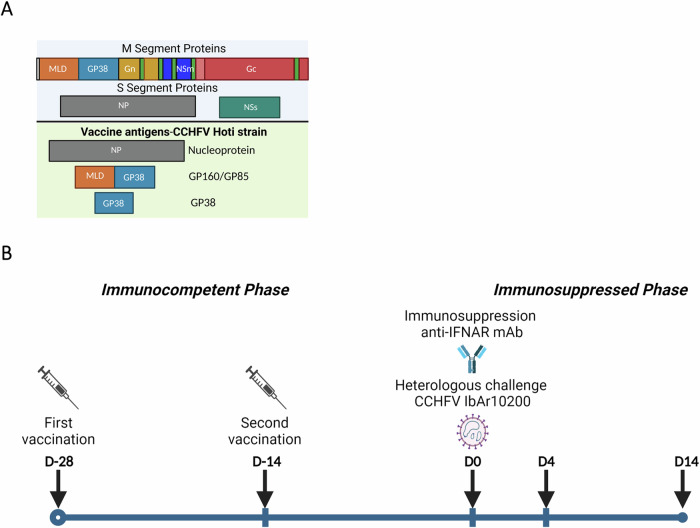
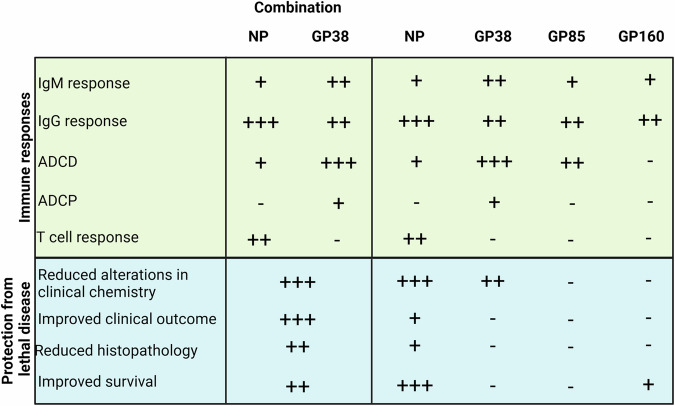
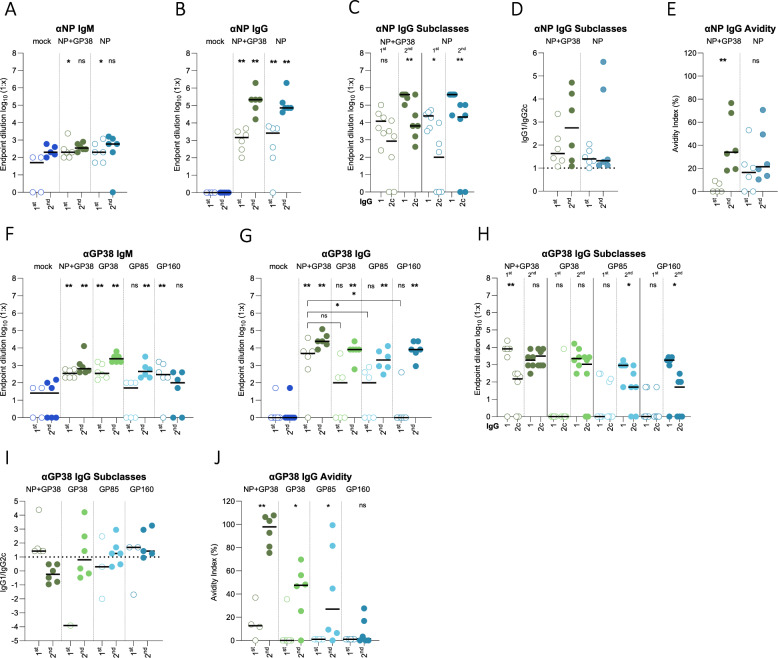
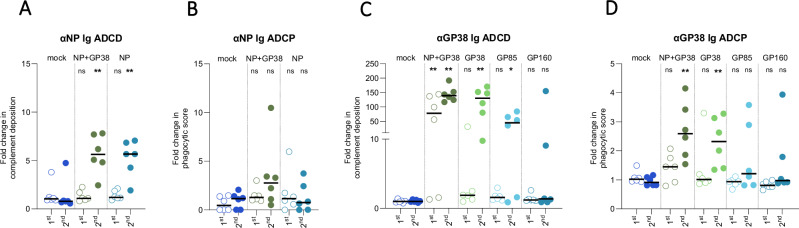
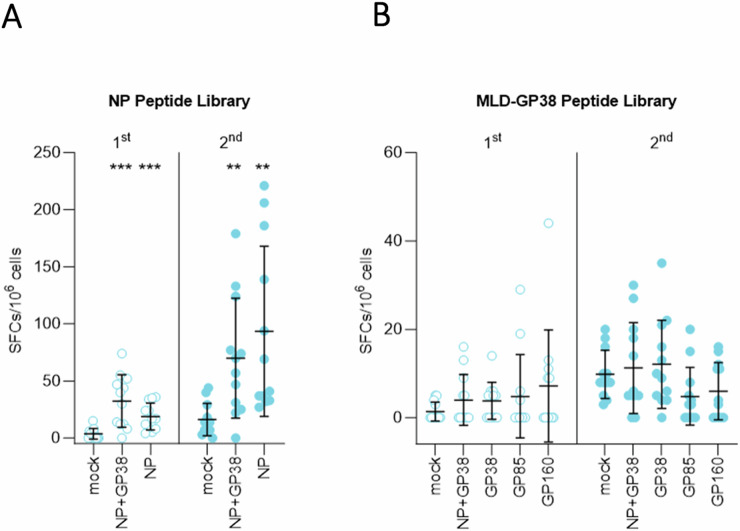
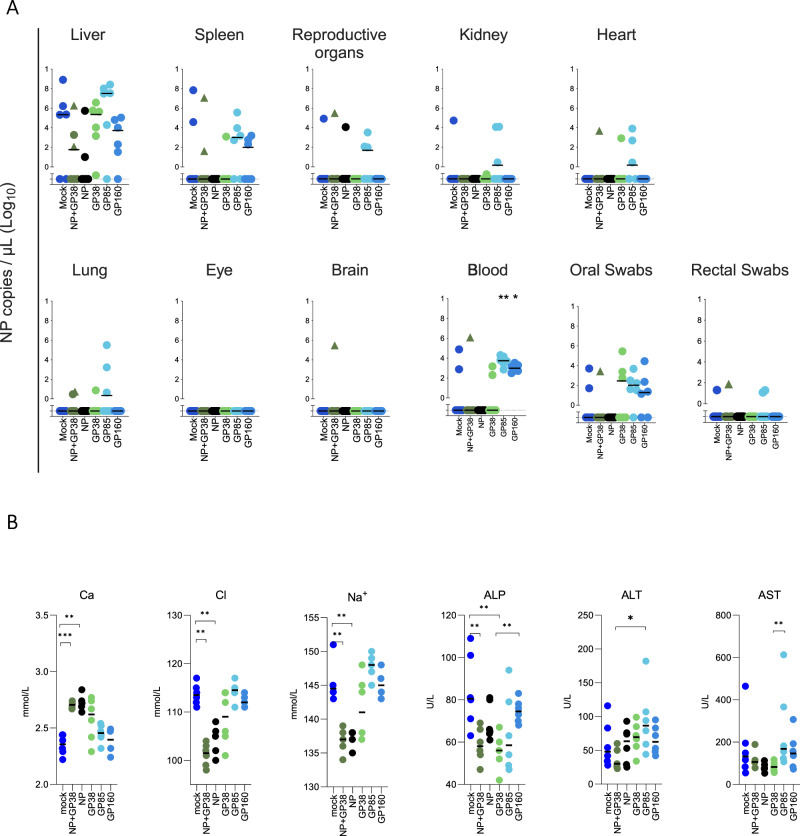
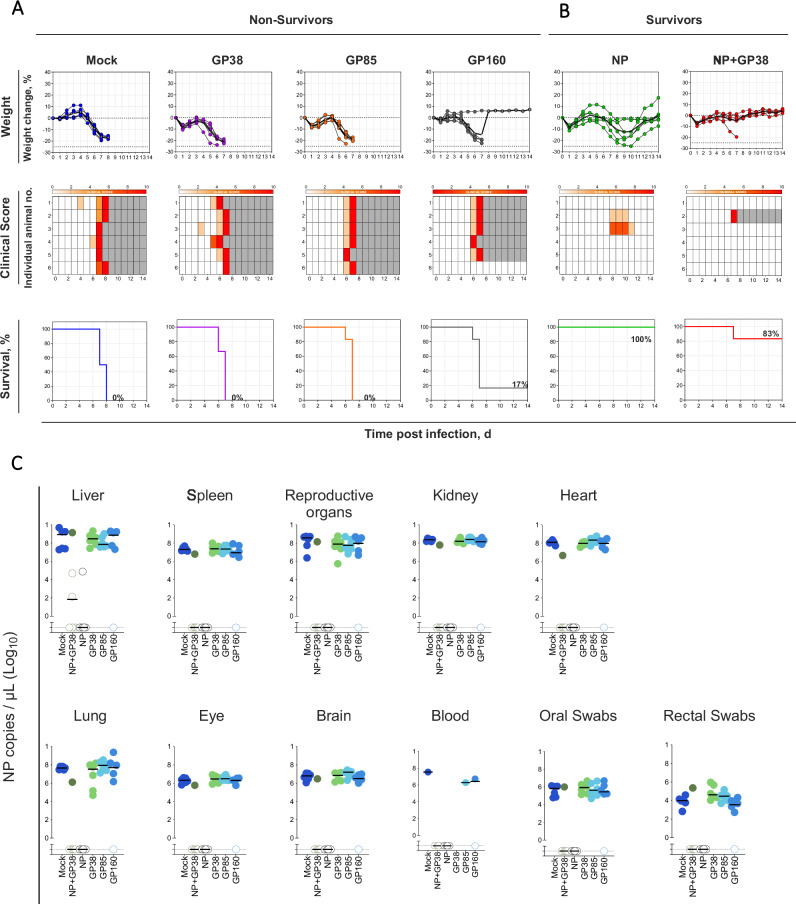
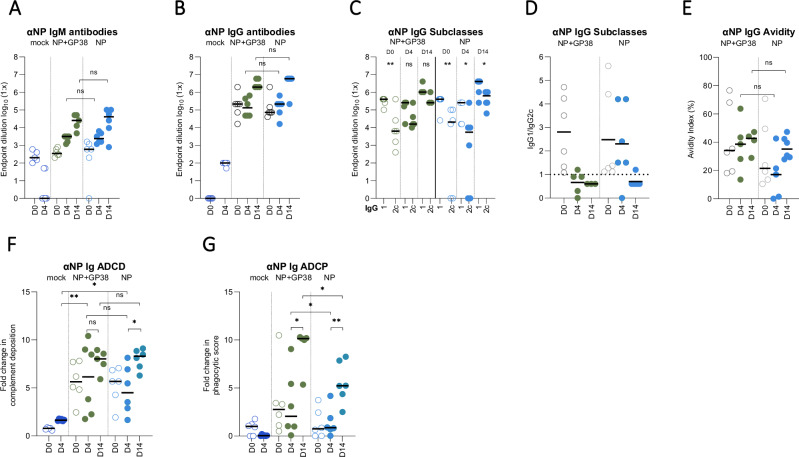
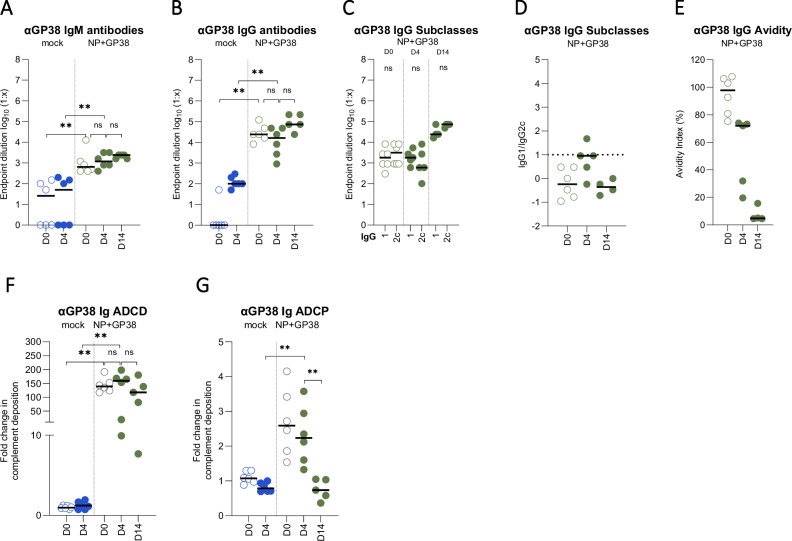
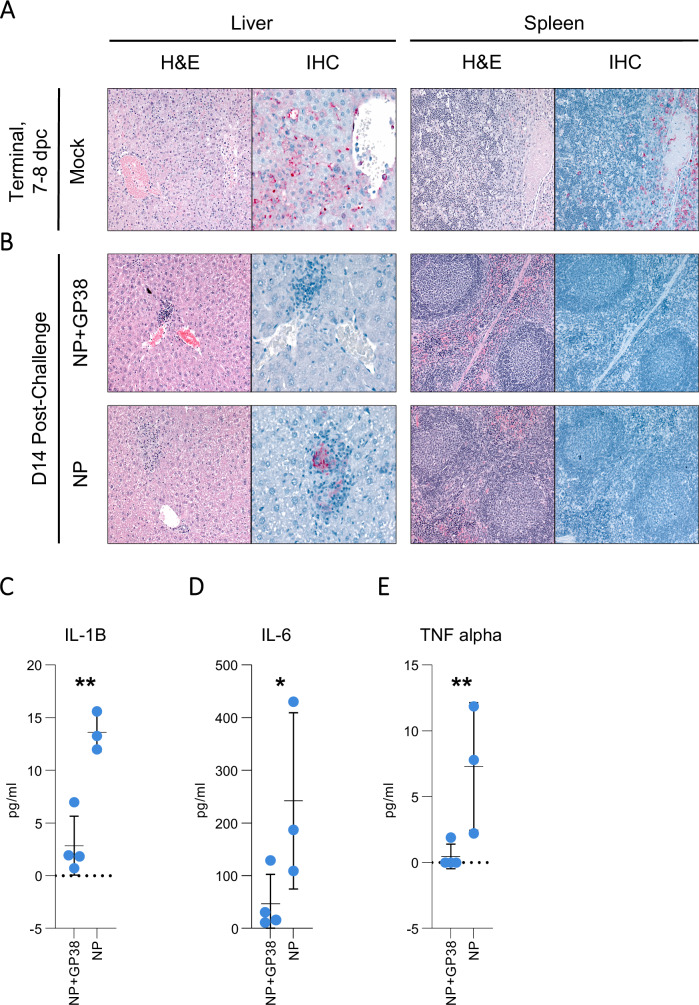
Immunizing mice with Crimean-Congo hemorrhagic fever virus (CCHFV) nucleoprotein (NP), glycoprotein precursor (GPC), or with the GP38 domain of GPC, can be protective when the proteins are delivered with viral vectors or as a DNA or RNA vaccine. Subunit vaccines are a safe and cost-effective alternative to some vaccine platforms, but Gc and Gn glycoprotein subunit vaccines for CCHFV fail to protect despite eliciting high levels of neutralizing antibodies. Here, we investigated humoral and cellular immune responses and the protective efficacy of recombinant NP, GP38, and GP38 forms (GP85 and GP160) associated with the highly glycosylated mucin-like (MLD) domain, as well as the NP + GP38 combination. Vaccination with GP160, GP85, or GP38 did not confer protection, and vaccination with the MLD-associated GP38 forms blunted the humoral immune responses to GP38, worsened clinical chemistry, and increased viral RNA in the blood compared to the GP38 vaccination. In contrast, NP vaccination conferred 100% protection from lethal outcome and was associated with mild clinical disease, while the NP + GP38 combination conferred even more robust protection by reducing morbidity compared to mice receiving NP alone. Thus, recombinant CCHFV NP alone is a promising vaccine candidate conferring 100% survival against heterologous challenge. Moreover, incorporation of GP38 should be considered as it further enhances subunit vaccine efficacy by reducing morbidity in surviving animals.
用克里米亚-刚果出血热病毒(CCHFV)核蛋白(NP)、糖蛋白前体(GPC)或GPC的GP38结构域免疫小鼠,当这些蛋白通过病毒载体递送或作为DNA或RNA疫苗时,可起到保护作用。亚单位疫苗是某些疫苗平台的一种安全且具有成本效益的替代方案,但用于CCHFV的Gc和Gn糖蛋白亚单位疫苗尽管能诱导高水平的中和抗体,却无法提供保护。在此,我们研究了重组NP、GP38以及与高度糖基化粘蛋白样(MLD)结构域相关的GP38形式(GP85和GP160)以及NP + GP38组合的体液免疫和细胞免疫反应及保护效力。用GP160、GP85或GP38进行疫苗接种未能提供保护,与接种GP38相比,接种与MLD相关的GP38形式会削弱对GP38的体液免疫反应、使临床化学指标恶化并增加血液中的病毒RNA。相比之下,接种NP可提供100%的致死性保护,且与轻度临床疾病相关,而与单独接受NP接种的小鼠相比,NP + GP38组合通过降低发病率提供了更强有力的保护。因此,单独的重组CCHFV NP是一种有前景的疫苗候选物,可对异源攻击提供100%的存活率。此外,应考虑加入GP38,因为它可通过降低存活动物的发病率进一步提高亚单位疫苗的效力。