Gottfried Schatz Research Center, Molecular Biology and Biochemistry, Medical University of Graz, Neue Stiftingtalstrasse 6/4, Graz, 8010, Austria.
Department of Medicine and Surgery, University of Parma, Parma, Italy.
Cardiovasc Diabetol. 2024 Aug 14;23(1):298. doi: 10.1186/s12933-024-02397-7.
Activation of brown adipose tissue (BAT) has gained attention due to its ability to dissipate energy and counteract cardiometabolic diseases (CMDs).
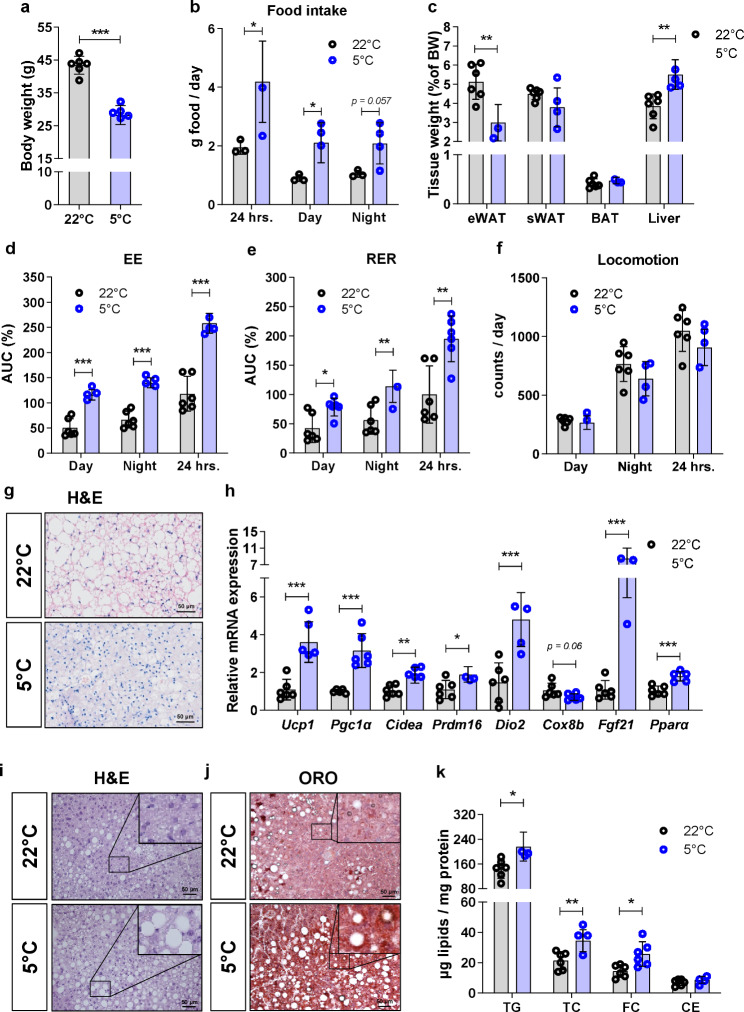
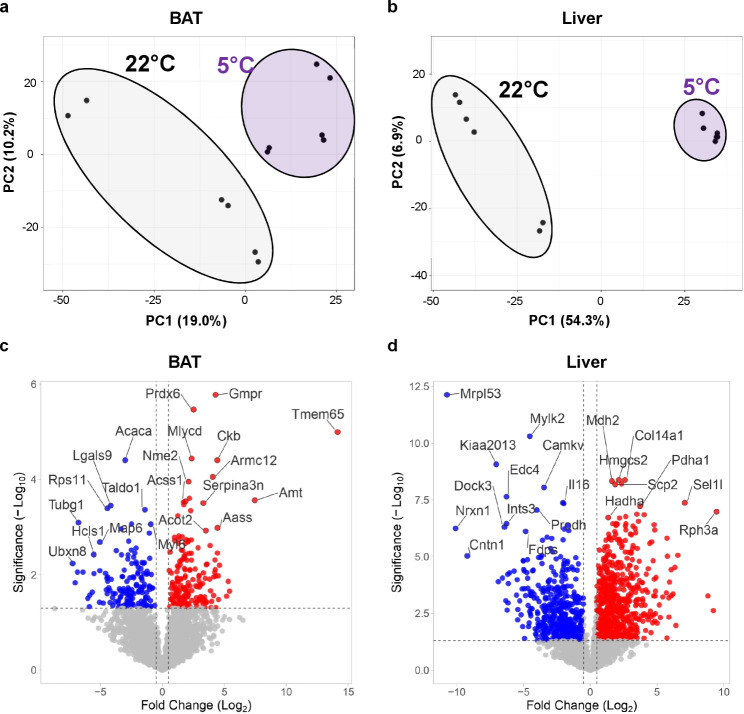
This study investigated the consequences of cold exposure on the BAT and liver proteomes of an established CMD mouse model based on LDL receptor-deficient (LdlrKO) mice fed a high-fat, high-sucrose, high-cholesterol diet for 16 weeks. We analyzed energy metabolism in vivo and performed untargeted proteomics on BAT and liver of LdlrKO mice maintained at 22 °C or 5 °C for 7 days.
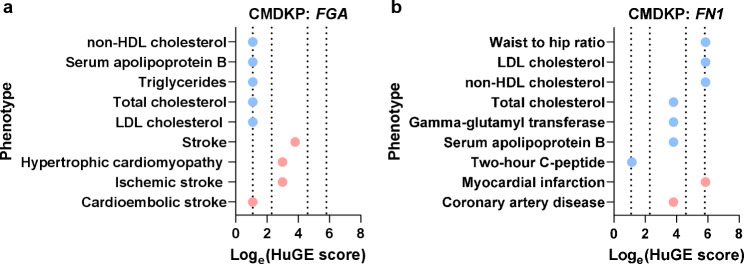
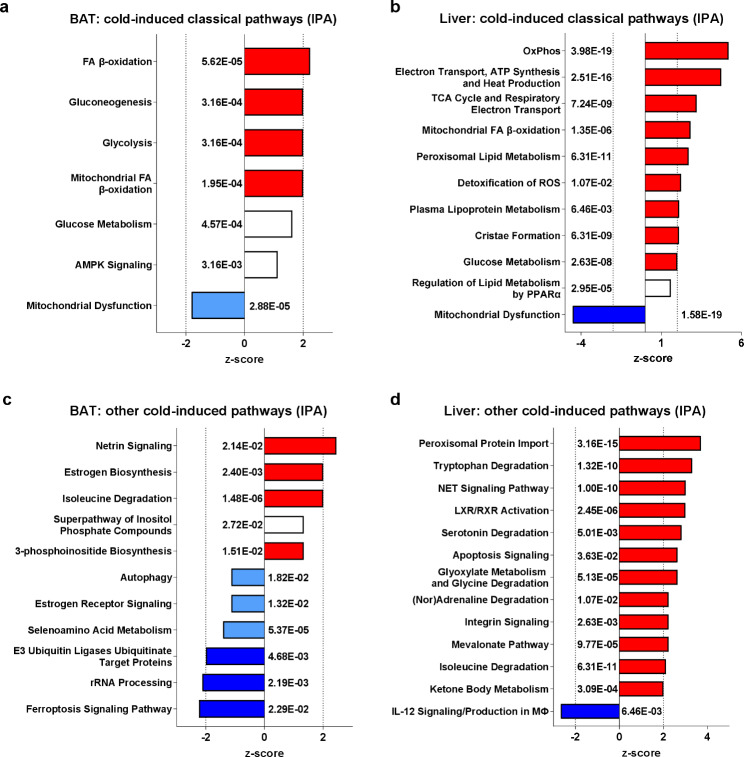
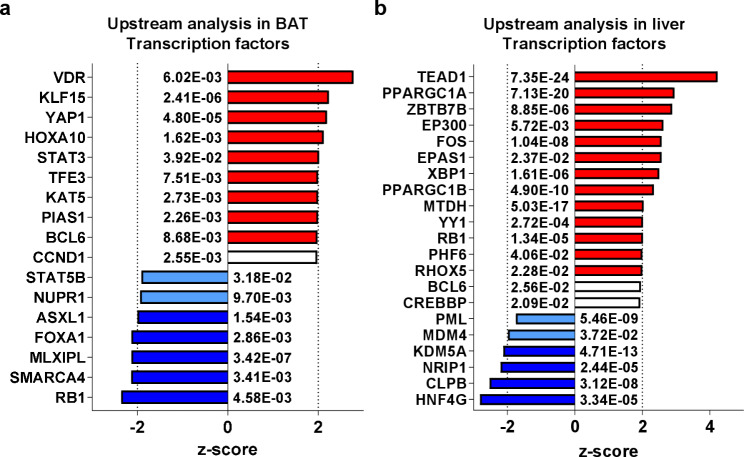
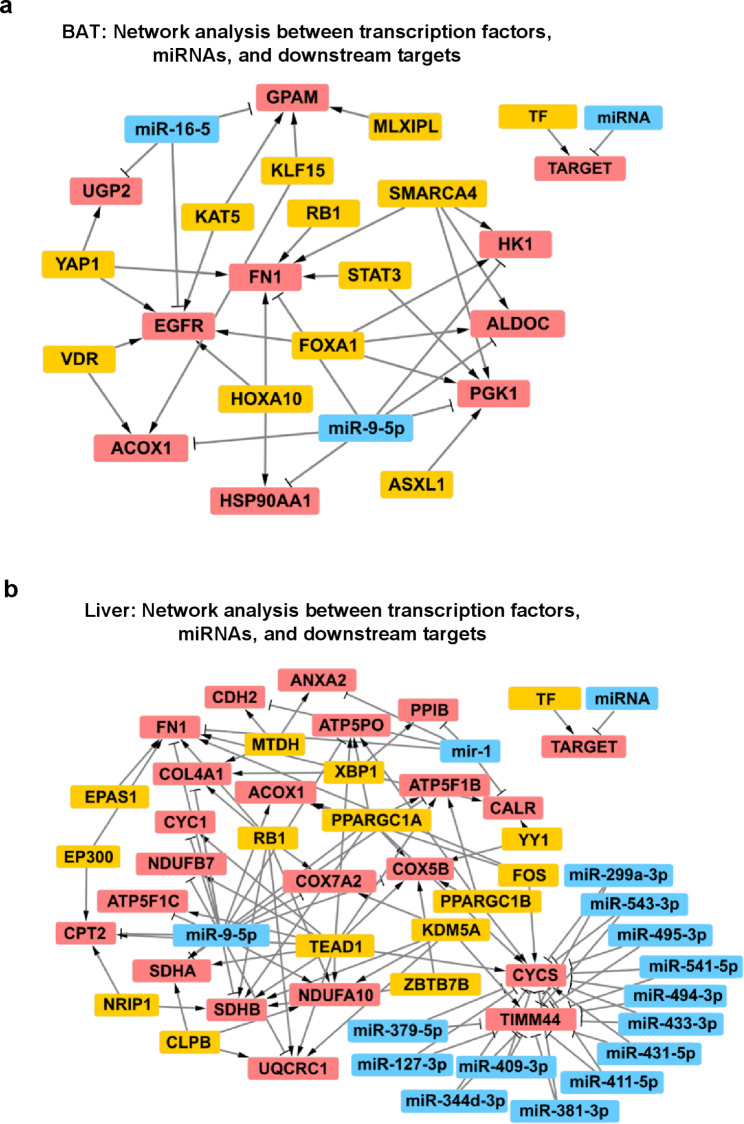
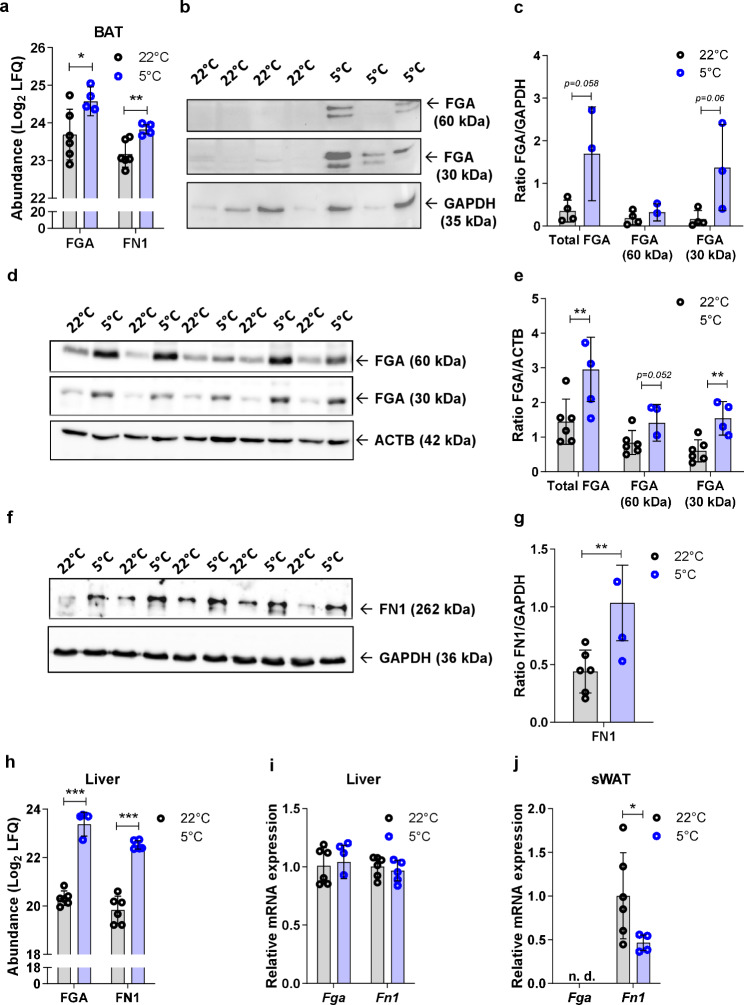
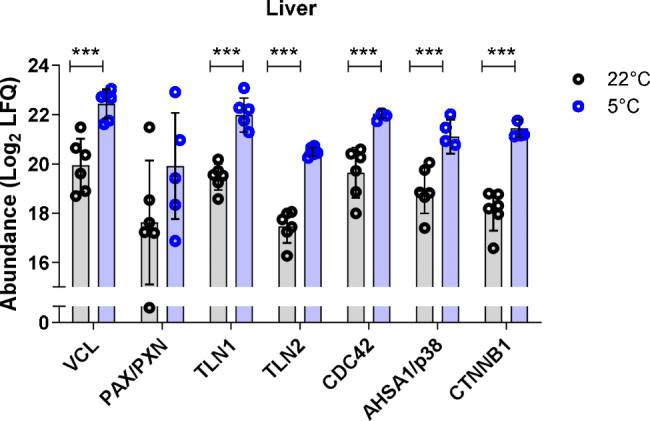
We identified several dysregulated pathways, miRNAs, and transcription factors in BAT and liver of cold-exposed Ldlrko mice that have not been previously described in this context. Networks of regulatory interactions based on shared downstream targets and analysis of ligand-receptor pairs identified fibrinogen alpha chain (FGA) and fibronectin 1 (FN1) as potential crosstalk factors between BAT and liver in response to cold exposure. Importantly, genetic variations in the genes encoding FGA and FN1 have been associated with cardiometabolic-related phenotypes and traits in humans.
This study describes the key factors, pathways, and regulatory networks involved in the crosstalk between BAT and the liver in a cold-exposed CMD mouse model. These findings may provide a basis for future studies aimed at testing whether molecular mediators, as well as regulatory and signaling mechanisms involved in tissue adaption upon cold exposure, could represent a target in cardiometabolic disorders.
棕色脂肪组织 (BAT) 的激活因其消耗能量和对抗心脏代谢疾病 (CMD) 的能力而受到关注。
本研究基于 LDL 受体缺陷(LdlrKO)小鼠,在喂食 16 周高脂肪、高蔗糖、高胆固醇饮食后,研究了冷暴露对 BAT 和肝脏蛋白质组的影响。我们分析了体内的能量代谢,并对在 22°C 或 5°C 下维持 7 天的 LdlrKO 小鼠的 BAT 和肝脏进行了非靶向蛋白质组学分析。
我们在冷暴露的 LdlrKO 小鼠的 BAT 和肝脏中鉴定出了几个以前在这种情况下未被描述过的失调途径、miRNA 和转录因子。基于共享下游靶点的调控相互作用网络和配体-受体对的分析,确定纤维蛋白原 alpha 链(FGA)和纤维连接蛋白 1(FN1)作为 BAT 和肝脏对冷暴露反应的潜在串扰因子。重要的是,编码 FGA 和 FN1 的基因中的遗传变异与人类的心脏代谢相关表型和特征有关。
本研究描述了在冷暴露的 CMD 小鼠模型中 BAT 和肝脏之间串扰所涉及的关键因素、途径和调控网络。这些发现可能为未来的研究提供基础,旨在测试分子介质以及冷暴露时组织适应所涉及的调节和信号机制是否可以作为心脏代谢紊乱的靶点。