Sir Ian Potter NanoBioSensing Facility, NanoBiotechnology Research Laboratory (NBRL), School of Science, RMIT University, Melbourne, VIC, 3000, Australia.
Anal Bioanal Chem. 2024 Nov;416(27):6149-6159. doi: 10.1007/s00216-024-05483-7. Epub 2024 Aug 17.
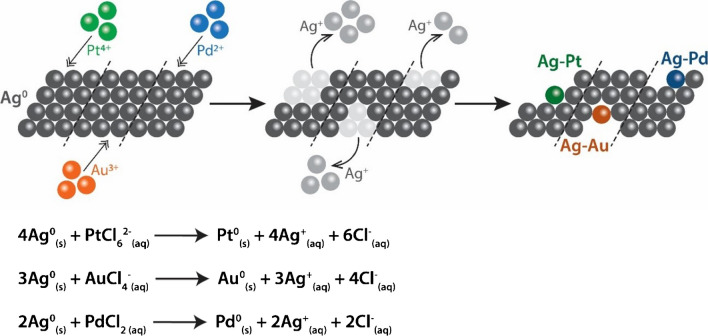
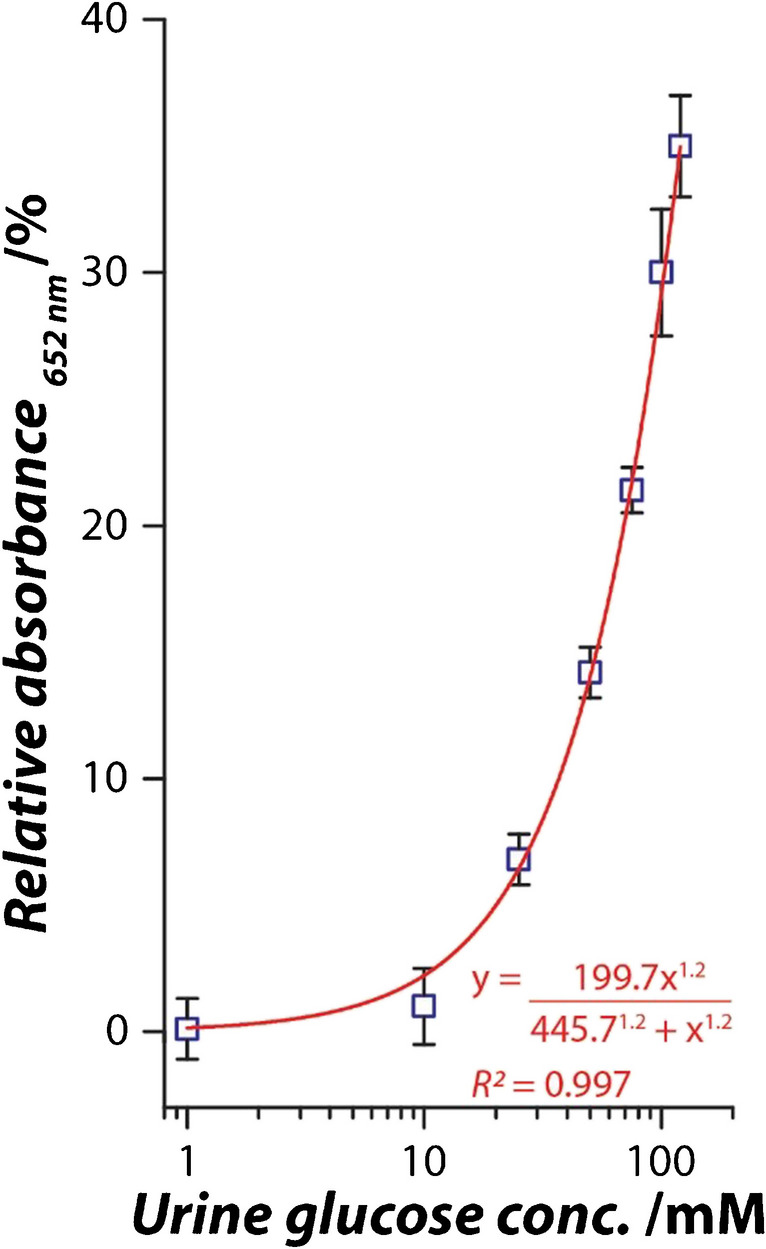
The enhanced catalytic properties of bimetallic nanoparticles have been extensively investigated. In this study, bimetallic Ag-M (M = Au, Pt, or Pd) cotton fabrics were fabricated using a combination of electroless deposition and galvanic replacement reactions, and improvement in their peroxidase-mimicking catalytic activity compared to that of the parent Ag fabric was studied. The Ag-Pt bimetallic nanozyme fabric, which showed the highest catalytic activity and ability to simultaneously generate hydroxyl (•OH) and superoxide (O) radicals, was assessed as a urine glucose sensor. This nanozyme fabric sensor could directly detect urinary glucose in the pathophysiologically relevant high millimolar range without requiring sample predilution. The sensor could achieve performance on par with that of the current clinical gold standard assay. These features of the Ag-Pt nanozyme sensor, particularly its ability to avoid interference effects from complex urinary matrices, position it as a viable candidate for point-of-care urinary glucose monitoring.
双金属纳米粒子的增强催化性能已经得到了广泛的研究。在这项研究中,通过化学镀和电置换反应相结合的方法制备了双金属 Ag-M(M=Au、Pt 或 Pd)棉织物,并研究了它们与母体 Ag 织物相比的过氧化物酶模拟催化活性的提高。Ag-Pt 双金属纳米酶织物表现出最高的催化活性和同时生成羟基(•OH)和超氧(O)自由基的能力,被评估为尿液葡萄糖传感器。这种纳米酶织物传感器可以直接在病理相关的高毫摩尔范围内检测尿液中的葡萄糖,而无需对样品进行预稀释。该传感器的性能可与当前临床金标准测定相媲美。Ag-Pt 纳米酶传感器的这些特性,特别是其能够避免复杂尿液基质的干扰效应,使其成为即时护理尿液葡萄糖监测的可行候选者。