National Public Health Laboratory, Libreville, Gabon.
Peyrie Medical Center, Libreville, Gabon.
PLoS One. 2024 Aug 19;19(8):e0307101. doi: 10.1371/journal.pone.0307101. eCollection 2024.
Transfusion-transmissible infections (TTIs) remain a major public health problem in countries with limited resources, particularly in Gabon. Complete information on the prevalence in Gabon of the main TTIs among blood donors is still lacking in the national context. The purpose of this systematic review and meta-analysis was to determine the prevalence and factors associated with TTIs among blood donors in Gabon.
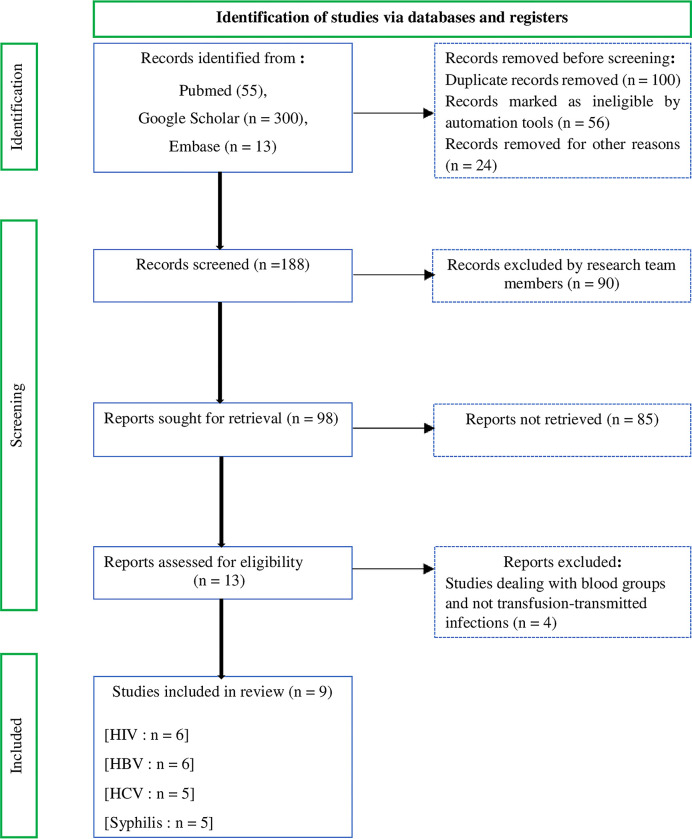
This systematic review and meta-analysis was reported in accordance with the PRISMA 2020 guidelines. It was the result of data from several comprehensive studies published between 2014 and 2022, the purpose of which focused on the prevalence and factors associated with TTIs among blood donors in Gabon. The quality of the articles was assessed using the Joanna Briggs Institute critical appraisal checklist for studies reporting prevalence data. The overall prevalence of TTIs among blood donors was determined using the random effects model. Heterogeneity between studies was assessed using I2 statistics. Publication bias was assessed by visual inspection of the funnel plot and Egger's statistics.
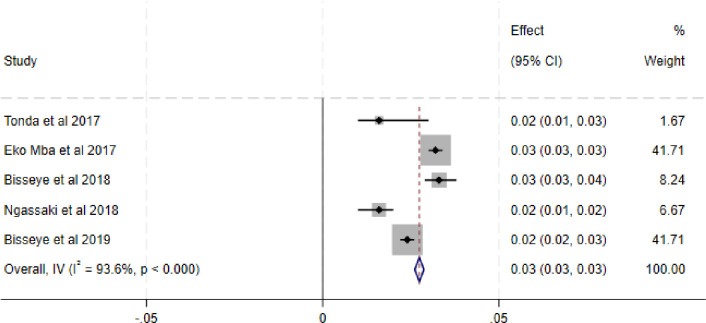
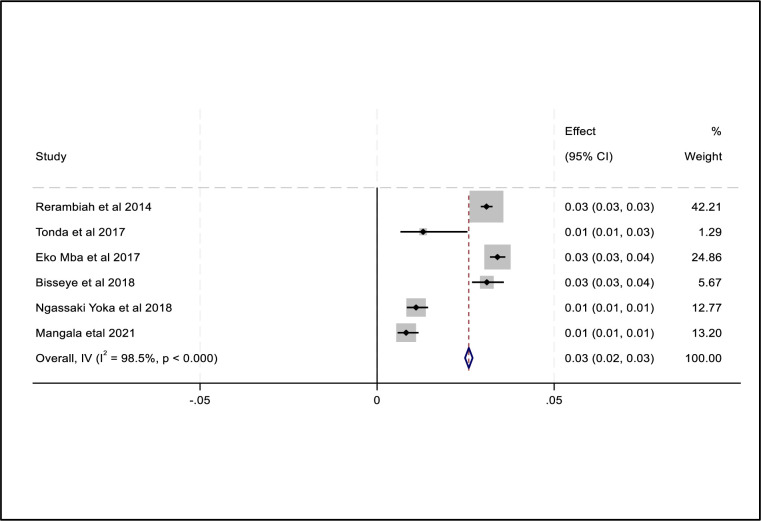
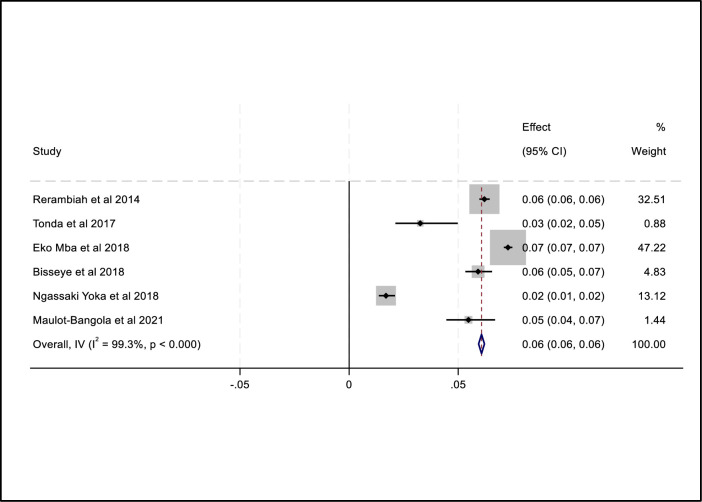
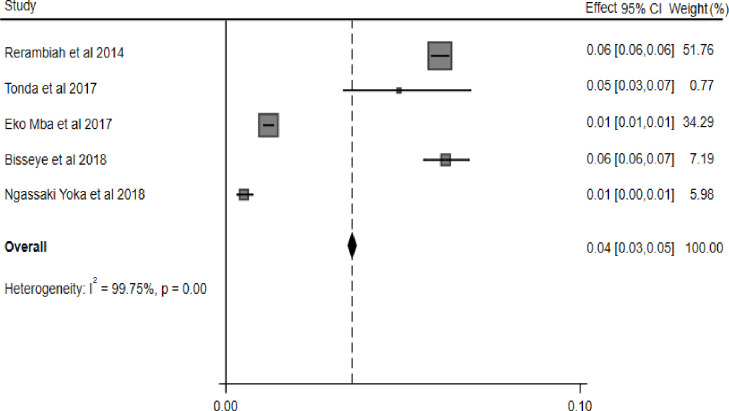
A total of 175,140 blood donors from the nine eligible studies were admitted to this study. The combined prevalence of HIV, HBV, HCV and syphilis obtained in the random effects model was 3.0%, 6.0%, 4.0% and 3.0%, respectively. Moreover, being a male blood donor and aged between 25 and 44 years was significantly associated with HBV infection and being a female blood donor and aged 35 years and over was significantly associated with HIV infection. Family or replacement blood donors had a high infection burden for all four TTIs of study.
The overall prevalence of transfusion-transmissible infections remains high in the country's blood banks. Improving current prevention (selection criteria) and screening strategies may be necessary in a global approach.
在资源有限的国家,特别是在加蓬,经输血传播的感染(TTIs)仍然是一个主要的公共卫生问题。在国家范围内,关于该国献血者中主要 TTIs 的流行情况的完整信息仍然缺乏。本系统评价和荟萃分析的目的是确定加蓬献血者中 TTIs 的流行率和相关因素。
本系统评价和荟萃分析按照 PRISMA 2020 指南进行报告。它是 2014 年至 2022 年期间发表的几项综合研究的数据结果,这些研究的目的是集中研究加蓬献血者中 TTIs 的流行率和相关因素。使用 Joanna Briggs 研究所用于报告流行率数据的研究的批判性评估清单评估文章的质量。使用随机效应模型确定献血者中 TTIs 的总体流行率。使用 I2 统计量评估研究之间的异质性。通过视觉检查漏斗图和 Egger 的统计量评估发表偏倚。
共有来自 9 项合格研究的 175,140 名献血者被纳入本研究。在随机效应模型中获得的 HIV、HBV、HCV 和梅毒的合并流行率分别为 3.0%、6.0%、4.0%和 3.0%。此外,男性献血者和年龄在 25 至 44 岁之间与 HBV 感染显著相关,而女性献血者和年龄在 35 岁及以上与 HIV 感染显著相关。家庭或替代献血者对所有四种 TTIs 的感染负担都很高。
该国血库中转播性感染的总体流行率仍然很高。在全球范围内,可能需要改进当前的预防(选择标准)和筛选策略。