WHO Collaborating Centre for Infectious Disease Epidemiology and Control, School of Public Health, Li Ka Shing Faculty of Medicine, The University of Hong Kong, Special Administrative Region, Hong Kong, China.
Infectious Diseases Data Observatory (IDDO), University of Oxford, NDMRB, Old Road Campus, Oxford, OX3 7FZ, UK.
BMC Infect Dis. 2024 Aug 20;24(1):843. doi: 10.1186/s12879-024-09542-3.
Rapid point-of-care tests for malaria are now widely used in many countries to guide the initial clinical management of patients presenting with febrile illness. With China having recently achieved malaria elimination, better understanding regarding the identity and distribution of major non-malarial causes of febrile illnesses is of particular importance to inform evidence-based empirical treatment policy.
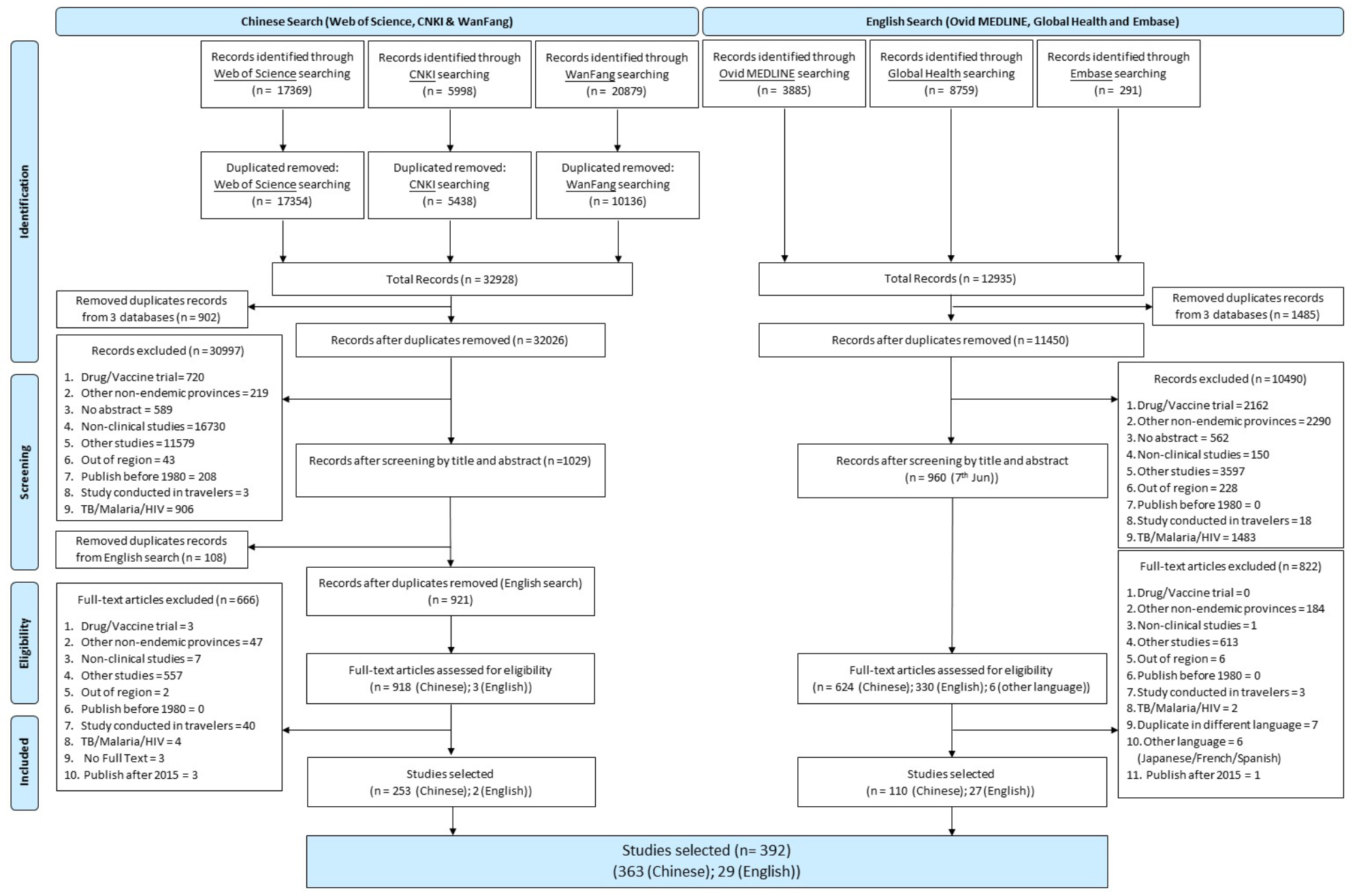
A systematic review of published literature was undertaken to characterise the spectrum of pathogens causing non-malaria febrile illness in China (1980-2015). Literature searches were conducted in English and Chinese languages in six databases: Ovid MEDLINE, Global Health, EMBASE, Web of Science™ - Chinese Science Citation Database , The China National Knowledge Infrastructure (CNKI), and WanFang Med Online. Selection criteria included reporting on an infection or infections with a confirmed diagnosis, defined as pathogens detected in or cultured from samples from normally sterile sites, or serological evidence of current or past infection. The number of published articles, reporting a given pathogen were presented, rather than incidence or prevalence of infection.
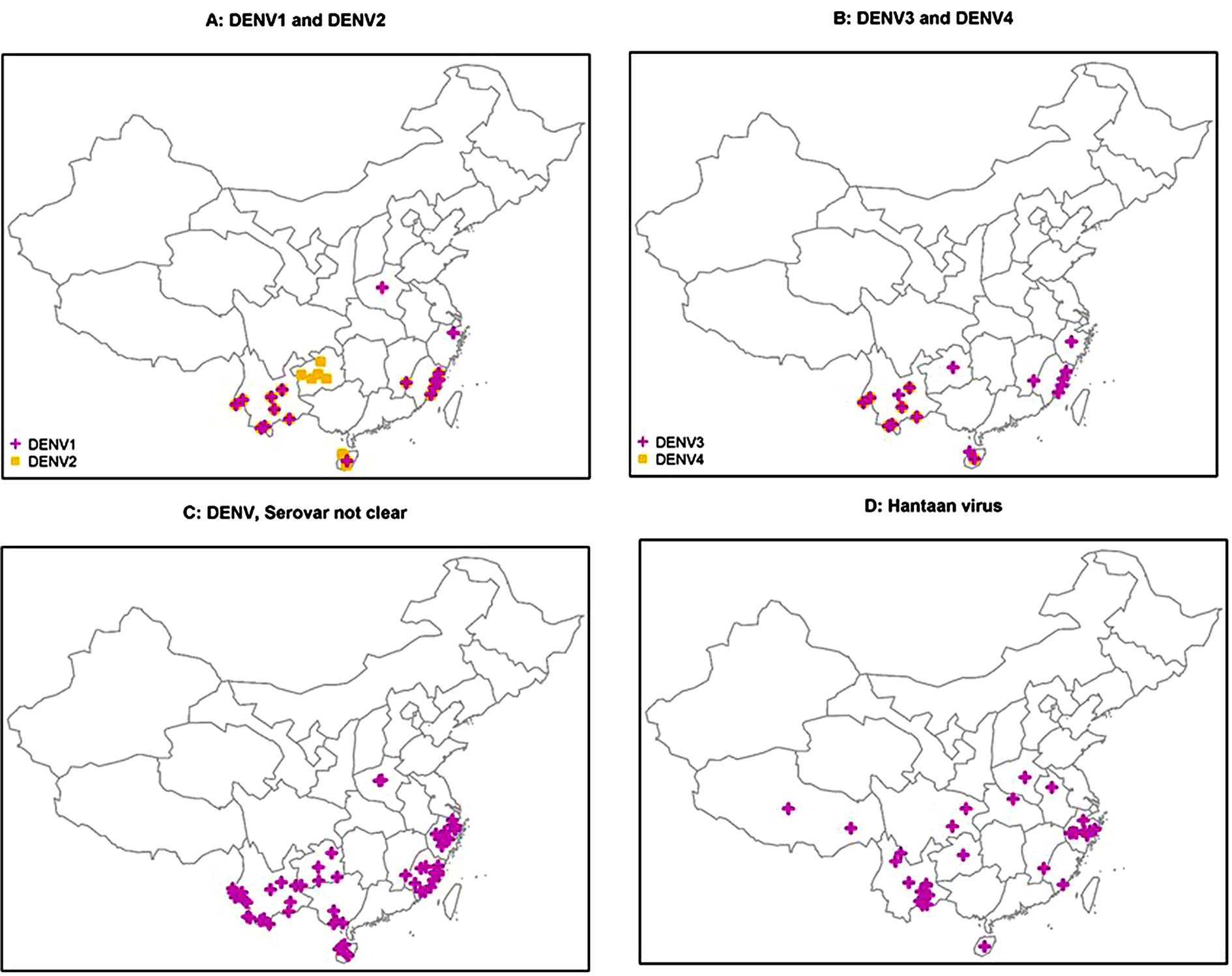
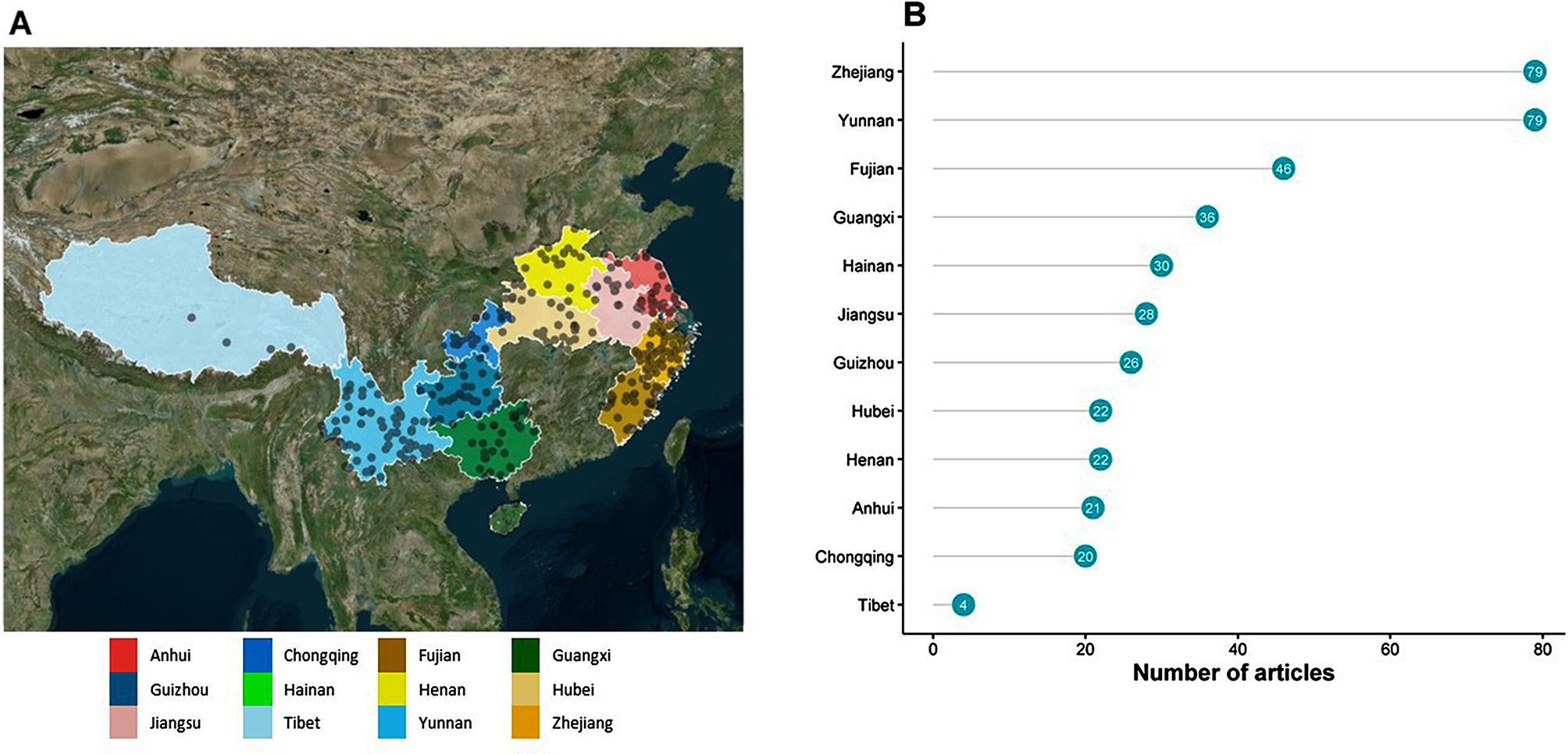
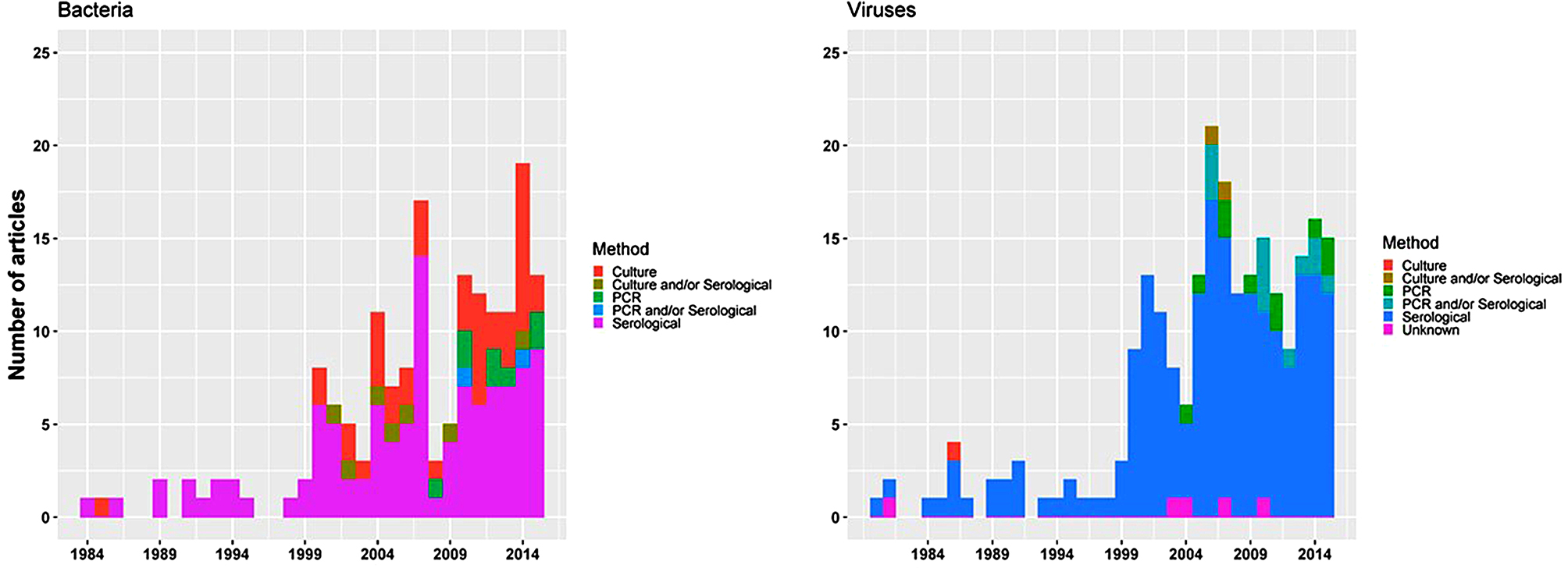
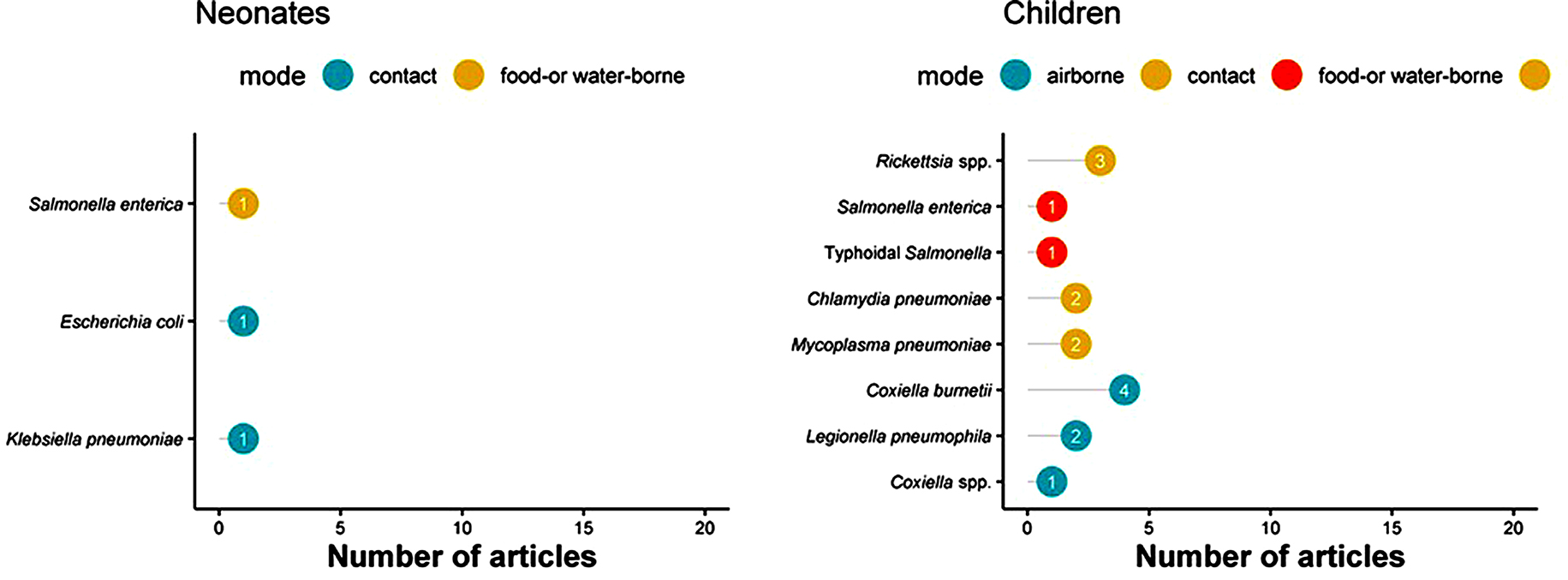
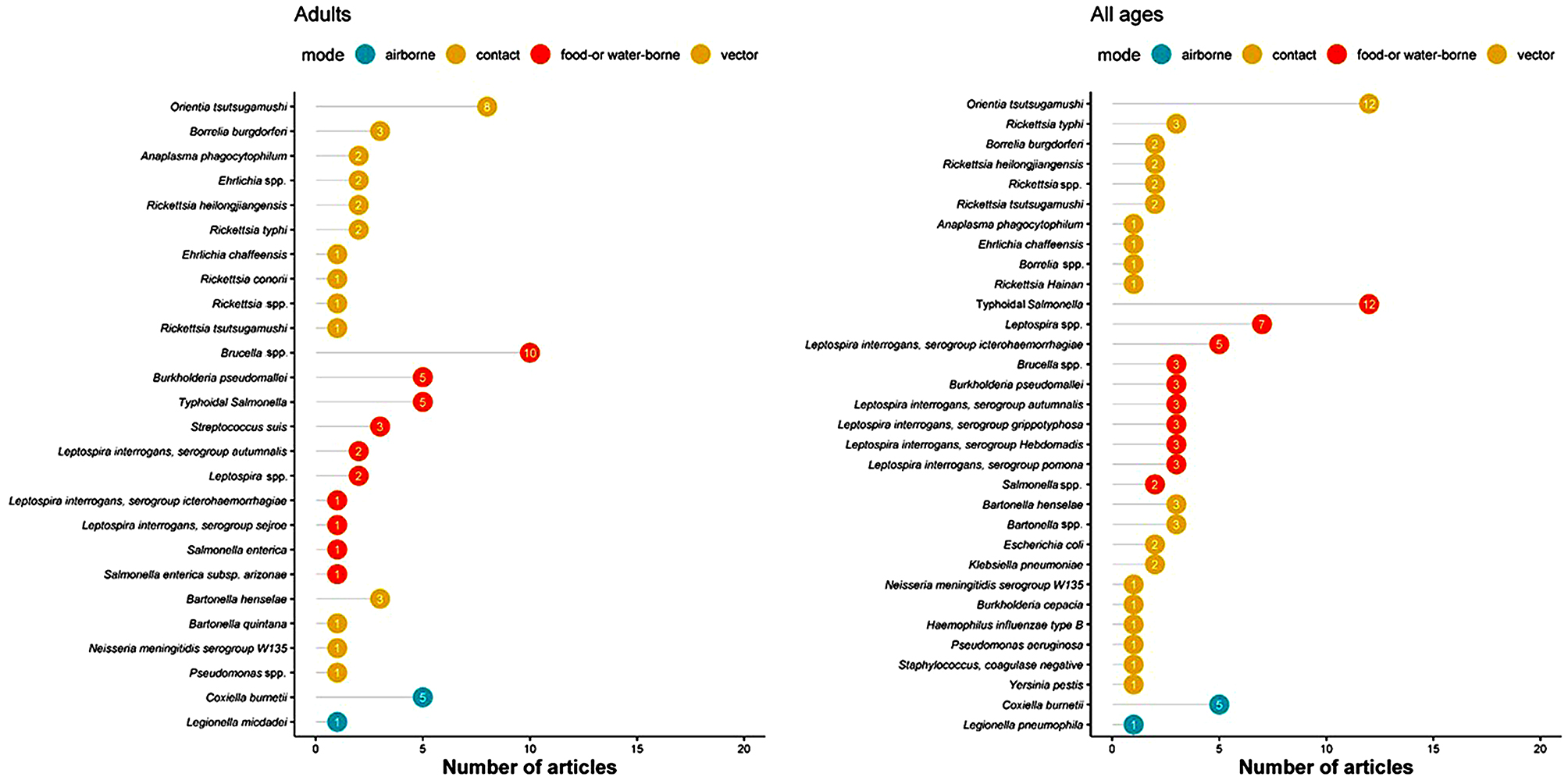
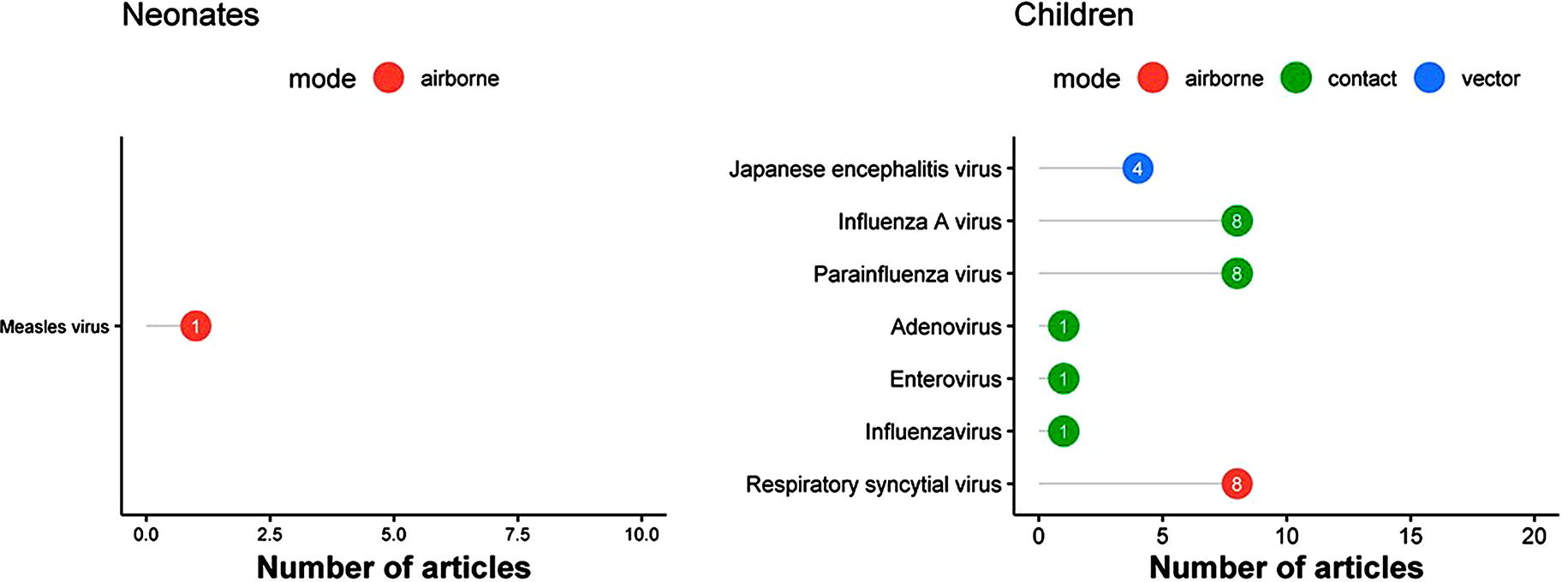
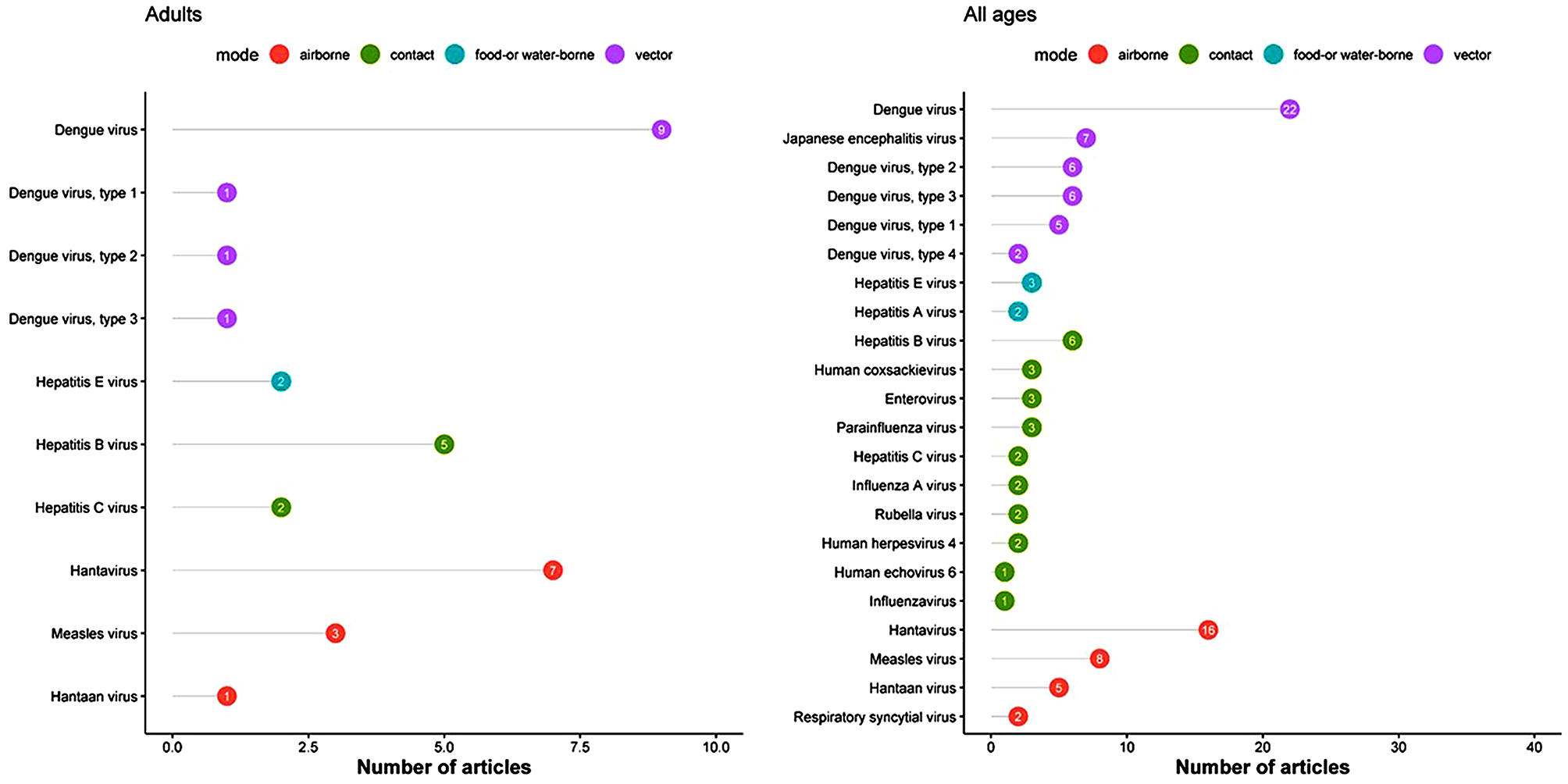
A total of 57,181 records from 13 provinces of China where malaria used to be endemic were screened, of which 392 met selection criteria and were included in this review. The review includes 60 (15.3%) records published from 1980 to 2000, 211 (53.8%) from 2001 to 2010 and 121 (30.9%) from 2011 to 2015;. Of the 392 records, 166 (42.3%) were from the eastern region of China, 120 (30.6%) were from the south-west, 102 (26.0%) from south-central, and four (1.0%) were multi-regional studies. Bacterial infections were reported in 154 (39.3%) records, viral infections in 219 (55.9%), parasitic infections in four (1.0%), fungal infections in one (0.3%), and 14 (3.6%) publications reported more than one pathogen group. Participants of all ages were included in 136 (34.7%) studies, only adults in 75 (19.1%), only children in 17 (4.3%), only neonates in two (0.5%) and the age distribution was not specified in 162 (41.3%) records. The most commonly reported bacterial pathogens included Typhoidal Salmonella (n = 30), Orientia/ Rickettsia tsutsugamushi (n = 31), Coxiella burnetii (n = 17), Leptospira spp. (n = 15) and Brucella spp. (n = 15). The most commonly reported viral pathogens included Hantavirus/Hantaan virus (n = 89), dengue virus (DENV) (n = 76 including those with unknown serovars), Japanese encephalitis virus (n = 21), and measles virus (n = 15). The relative lack of data in the western region of the country, as well as in in neonates and children, represented major gaps in the understanding of the aetiology of fever in China.
This review presents a landscape of non-malaria pathogens causing febrile illness in China over 36 years as the country progressed toward malaria elimination. These findings can inform guidelines for clinical management of fever cases and infection surveillance and prevention, and highlight the need to standardize operational and reporting protocols for better understanding of fever aetiology in the country.
快速床边检测现已广泛用于许多国家,以指导出现发热症状的患者的初步临床管理。随着中国最近消除了疟疾,了解导致发热的非疟疾主要病原体的特征和分布情况对于制定基于证据的经验性治疗政策具有重要意义。
对发表的文献进行系统回顾,以描述中国(1980-2015 年)引起非疟疾发热的病原体谱。在六个数据库中以英文和中文进行文献检索:Ovid MEDLINE、全球健康、EMBASE、Web of ScienceTM-中国科学引文数据库、中国国家知识基础设施(CNKI)和万方医学在线。选择标准包括报告已确诊的感染或感染,定义为从正常无菌部位的样本中检测到或培养出的病原体,或血清学证据表明当前或过去的感染。呈现了报告特定病原体的已发表文章数量,而不是感染的发病率或流行率。
从疟疾流行的中国 13 个省份筛选出 57181 条记录,其中 392 条符合选择标准,纳入本综述。本综述包括 1980 年至 2000 年期间发表的 60 篇(15.3%)记录、2001 年至 2010 年期间发表的 211 篇(53.8%)和 2011 年至 2015 年期间发表的 121 篇(30.9%);392 篇记录中,166 篇(42.3%)来自中国东部地区,120 篇(30.6%)来自中国西南部,102 篇(26.0%)来自中国中南部,4 篇(1.0%)为多区域研究。报告了 154 篇(39.3%)细菌感染记录,219 篇(55.9%)病毒感染记录,4 篇(1.0%)寄生虫感染记录,1 篇(0.3%)真菌感染记录,14 篇(3.6%)出版物报告了超过一个病原体组。136 项研究(34.7%)纳入了所有年龄段的参与者,75 项研究(19.1%)仅纳入成年人,17 项研究(4.3%)仅纳入儿童,2 项研究(0.5%)仅纳入新生儿,162 项研究(41.3%)未明确年龄分布。最常报告的细菌病原体包括伤寒沙门氏菌(n=30)、东方体/恙虫病立克次体(n=31)、贝纳柯克斯体(n=17)、钩端螺旋体(n=15)和布鲁氏菌(n=15)。最常报告的病毒病原体包括汉坦病毒/汉坦病毒(n=89)、登革热病毒(DENV)(n=76,包括未知血清型)、日本脑炎病毒(n=21)和麻疹病毒(n=15)。中国西部地区以及新生儿和儿童中数据的相对缺乏是了解中国发热病因的主要差距。
本综述介绍了中国在 36 年期间因疟疾而引起发热的非疟疾病原体的情况,因为中国正在向消除疟疾迈进。这些发现可以为发热病例的临床管理和感染监测与预防提供指导,并强调需要标准化操作和报告协议,以更好地了解中国的发热病因。