• 文献检索
  • 文档翻译
  • 深度研究
  • 学术资讯
  • Suppr Zotero 插件Zotero 插件
  • 邀请有礼
  • 套餐&价格
  • 历史记录
应用&插件
Suppr Zotero 插件Zotero 插件浏览器插件Mac 客户端Windows 客户端微信小程序
定价
高级版会员购买积分包购买API积分包
服务
文献检索文档翻译深度研究API 文档MCP 服务
关于我们
关于 Suppr公司介绍联系我们用户协议隐私条款
关注我们

Suppr 超能文献

核心技术专利:CN118964589B侵权必究
粤ICP备2023148730 号-1Suppr @ 2026

文献检索

告别复杂PubMed语法,用中文像聊天一样搜索,搜遍4000万医学文献。AI智能推荐,让科研检索更轻松。

立即免费搜索

文件翻译

保留排版,准确专业,支持PDF/Word/PPT等文件格式,支持 12+语言互译。

免费翻译文档

深度研究

AI帮你快速写综述,25分钟生成高质量综述,智能提取关键信息,辅助科研写作。

立即免费体验

评估欠发达地区公立医院在不同阶段的疫情风险状态及其变化趋势。

Assessment of epidemic risk state and its change trend of public hospital in underdeveloped area in different stages.

机构信息

School of Information, Yunnan University of Finance and Economics, Kunming, China.

Yunnan Key Laboratory of Service Computing, Kunming, China.

出版信息

Front Public Health. 2024 Aug 6;12:1384118. doi: 10.3389/fpubh.2024.1384118. eCollection 2024.

DOI:10.3389/fpubh.2024.1384118
PMID:39165784
原文链接:https://pmc.ncbi.nlm.nih.gov/articles/PMC11333247/
Abstract

OBJECTIVE

Epidemics are sudden and rapidly spreading. Hospitals in underdeveloped areas are particularly vulnerable in case of an outbreak. This paper aims to assess the epidemic risk state and its change trend of hospitals in different epidemic stages, identify the key factors affecting hospital epidemic risk change, provide priority reference for hospital epidemic risk control, and enhance the hospital's ability to respond to sudden epidemics.

METHODS

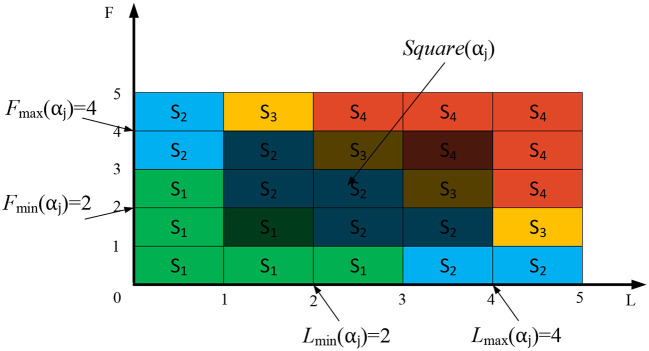
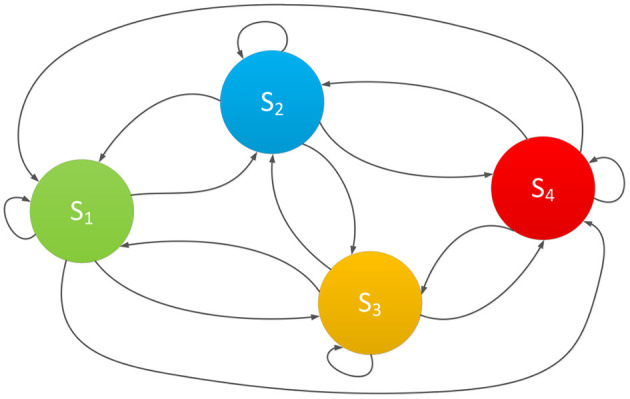
Based on Grounded theory, the epidemic risk indicators that affect hospital safety are summarized. The concept of epidemic risk state and its random state space is proposed according to Markov chain theory. The impact of each indicator on the random risk state and its change is comprehensively assessed from two aspects: risk occurrence probability and risk loss. Finally, the assessment of the hospital epidemic risk state and its change at different stages is achieved.

RESULTS

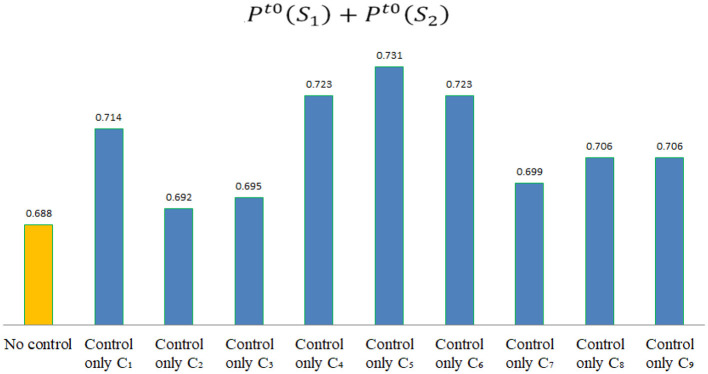
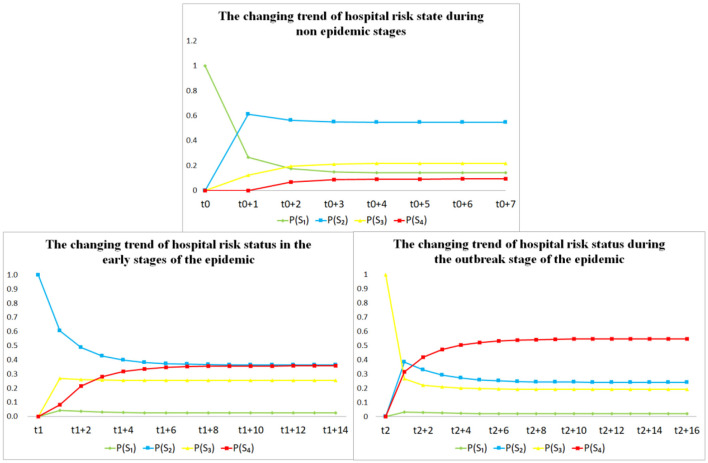
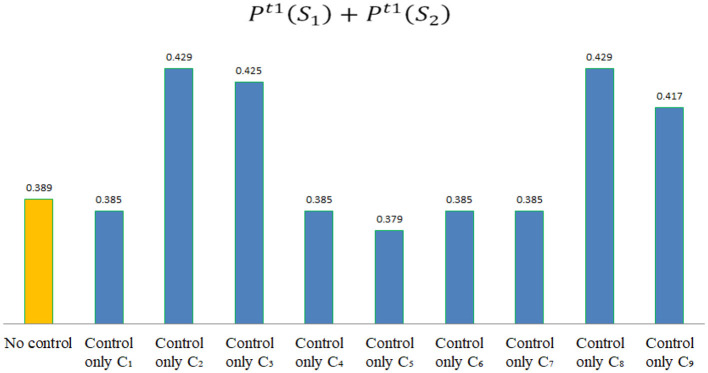
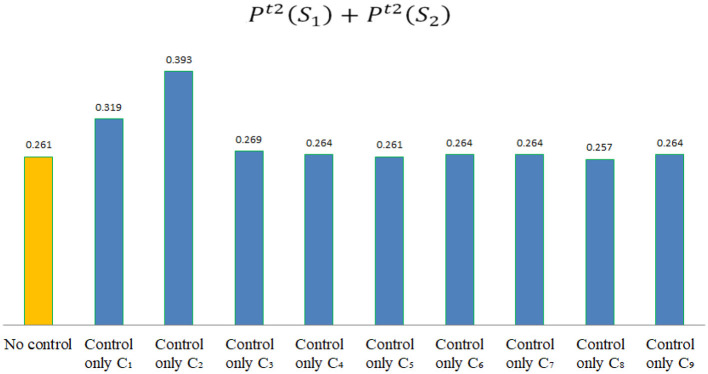
The stable risk states of public hospitals in underdeveloped areas in non-epidemic stage 0, early epidemic stage 1, and outbreak stage 2 are , , and , respectively. In non-epidemic stage, the key factor in improving the hospital epidemic risk state is emergency funding. In early epidemic stage, the key factors in improving the hospital epidemic risk state are the training of medical staff in epidemic prevention skills and the management of public health. In outbreak state, the key factor in improving the hospital epidemic risk state is the training of medical staff in epidemic prevention skills and psychological awareness.

CONCLUSION

This paper proposes the concept of epidemic risk state, providing an effective assessment method for the epidemic risk state and its change trend in public hospitals. According to the assessment, public hospitals in underdeveloped areas in different epidemic stages should adopt different risk control strategies to improve their current risk state. Blind risk control is inefficient and may even cause the epidemic risk to transition toward a more dangerous state.

摘要

目的

疫情具有突发性和快速传播性。在疫情爆发时,欠发达地区的医院尤其脆弱。本文旨在评估不同疫情阶段医院的疫情风险状态及其变化趋势,识别影响医院疫情风险变化的关键因素,为医院疫情风险控制提供优先参考,增强医院应对突发疫情的能力。

方法

基于扎根理论,总结影响医院安全的疫情风险指标。根据马尔可夫链理论,提出疫情风险状态及其随机状态空间的概念。从风险发生概率和风险损失两个方面,综合评估各指标对随机风险状态及其变化的影响。最后,实现对不同阶段医院疫情风险状态及其变化的评估。

结果

欠发达地区公立医院在非疫情阶段 0、早期疫情阶段 1 和疫情爆发阶段 2 的稳定风险状态分别为 、 和 。在非疫情阶段,提高医院疫情风险状态的关键因素是应急资金。在早期疫情阶段,提高医院疫情风险状态的关键因素是医务人员传染病防控技能培训和公共卫生管理。在疫情爆发阶段,提高医院疫情风险状态的关键因素是医务人员传染病防控技能培训和心理意识。

结论

本文提出了疫情风险状态的概念,为公立医院的疫情风险状态及其变化趋势提供了有效的评估方法。根据评估,不同疫情阶段的欠发达地区公立医院应采取不同的风险控制策略,以改善其当前的风险状态。盲目进行风险控制效率低下,甚至可能导致疫情风险向更危险的状态转变。
https://cdn.ncbi.nlm.nih.gov/pmc/blobs/30d8/11333247/45f11c897e98/fpubh-12-1384118-g0006.jpg
https://cdn.ncbi.nlm.nih.gov/pmc/blobs/30d8/11333247/f1862a39263c/fpubh-12-1384118-g0001.jpg
https://cdn.ncbi.nlm.nih.gov/pmc/blobs/30d8/11333247/cc43e6e20c2a/fpubh-12-1384118-g0002.jpg
https://cdn.ncbi.nlm.nih.gov/pmc/blobs/30d8/11333247/969e69b6faea/fpubh-12-1384118-g0003.jpg
https://cdn.ncbi.nlm.nih.gov/pmc/blobs/30d8/11333247/22264683f3d3/fpubh-12-1384118-g0004.jpg
https://cdn.ncbi.nlm.nih.gov/pmc/blobs/30d8/11333247/6bc961411d0e/fpubh-12-1384118-g0005.jpg
https://cdn.ncbi.nlm.nih.gov/pmc/blobs/30d8/11333247/45f11c897e98/fpubh-12-1384118-g0006.jpg
https://cdn.ncbi.nlm.nih.gov/pmc/blobs/30d8/11333247/f1862a39263c/fpubh-12-1384118-g0001.jpg
https://cdn.ncbi.nlm.nih.gov/pmc/blobs/30d8/11333247/cc43e6e20c2a/fpubh-12-1384118-g0002.jpg
https://cdn.ncbi.nlm.nih.gov/pmc/blobs/30d8/11333247/969e69b6faea/fpubh-12-1384118-g0003.jpg
https://cdn.ncbi.nlm.nih.gov/pmc/blobs/30d8/11333247/22264683f3d3/fpubh-12-1384118-g0004.jpg
https://cdn.ncbi.nlm.nih.gov/pmc/blobs/30d8/11333247/6bc961411d0e/fpubh-12-1384118-g0005.jpg
https://cdn.ncbi.nlm.nih.gov/pmc/blobs/30d8/11333247/45f11c897e98/fpubh-12-1384118-g0006.jpg

相似文献

1
Assessment of epidemic risk state and its change trend of public hospital in underdeveloped area in different stages.评估欠发达地区公立医院在不同阶段的疫情风险状态及其变化趋势。
Front Public Health. 2024 Aug 6;12:1384118. doi: 10.3389/fpubh.2024.1384118. eCollection 2024.
2
Effectiveness of Epidemic Preventive Policies and Hospital Strategies in Combating COVID-19 Outbreak in Taiwan.台湾地区应对 COVID-19 疫情的防疫政策与医院策略之成效。
Int J Environ Res Public Health. 2021 Mar 26;18(7):3456. doi: 10.3390/ijerph18073456.
3
Internet Hospitals Help Prevent and Control the Epidemic of COVID-19 in China: Multicenter User Profiling Study.互联网医院助力中国新冠疫情防控:多中心用户画像研究
J Med Internet Res. 2020 Apr 14;22(4):e18908. doi: 10.2196/18908.
4
How Is the Risk of Major Sudden Infectious Epidemic Transmitted? A Grounded Theory Analysis Based on COVID-19 in China.重大突发传染性疫情的风险是如何传播的?基于中国新冠肺炎的扎根理论分析。
Front Public Health. 2021 Nov 26;9:795481. doi: 10.3389/fpubh.2021.795481. eCollection 2021.
5
The impact of nodes of information dissemination on epidemic spreading in dynamic multiplex networks.信息传播节点对动态多重网络中传染病传播的影响。
Chaos. 2023 Apr 1;33(4). doi: 10.1063/5.0142386.
6
Early detection of cholera epidemics to support control in fragile states: estimation of delays and potential epidemic sizes.早期发现霍乱疫情以支持脆弱国家的控制:延迟估计和潜在疫情规模。
BMC Med. 2020 Dec 15;18(1):397. doi: 10.1186/s12916-020-01865-7.
7
Study on the regional risk classification method for the prevention and control of emerging infectious diseases based on directed graph theory.基于有向图理论的新发传染病防控区域风险分类方法研究。
Front Public Health. 2023 Sep 25;11:1211291. doi: 10.3389/fpubh.2023.1211291. eCollection 2023.
8
Risk Transmission Mechanism of Domestic Cluster Epidemic Caused by Overseas Imported Cases: Multiple Case Studies Based on Grounded Theory.境外输入引发本土聚集性疫情的风险传播机制:基于扎根理论的多案例研究
Int J Environ Res Public Health. 2022 Sep 19;19(18):11810. doi: 10.3390/ijerph191811810.
9
COVID-19 epidemic phases and morbidity in different areas of Chinese mainland, 2020.2020 年中国内地不同地区的 COVID-19 疫情阶段和发病情况。
Front Public Health. 2023 Apr 6;11:1151038. doi: 10.3389/fpubh.2023.1151038. eCollection 2023.
10
Strategies comparison in response to the two waves of COVID-19 in the United States and India.美国和印度应对两次 COVID-19 浪潮的策略比较。
Int J Equity Health. 2022 Apr 29;21(1):57. doi: 10.1186/s12939-022-01666-9.

本文引用的文献

1
Driving factors of urban community epidemic prevention and control capability: QCA analysis based on typical cases of 20 anti-epidemic communities in China.城市社区疫情防控能力提升的驱动因素:基于中国 20 个抗疫典型社区的 QCA 分析
Front Public Health. 2024 Jan 5;11:1296269. doi: 10.3389/fpubh.2023.1296269. eCollection 2023.
2
Impact of multimodal strategies including a pay for performance strategy in the improvement of infection prevention and control practices in healthcare facilities during an Ebola virus disease outbreak.在埃博拉病毒病疫情期间,包括绩效付费策略在内的多模式策略对改善医疗机构感染预防和控制措施的影响。
BMC Infect Dis. 2023 Jan 6;23(1):12. doi: 10.1186/s12879-022-07956-5.
3
Job satisfaction, performance appraisal, reinforcement and job tasks in medical healthcare professionals during the COVID-19 pandemic outbreak.
新冠疫情期间医疗保健专业人员的工作满意度、绩效评估、强化和工作任务。
Int J Health Plann Manage. 2022 Jul;37(4):2345-2353. doi: 10.1002/hpm.3476. Epub 2022 Apr 11.
4
Safety assessment for temporary hospitals during the COVID-19 pandemic: A simulation approach.COVID-19大流行期间临时医院的安全性评估:一种模拟方法。
Saf Sci. 2022 Mar;147:105642. doi: 10.1016/j.ssci.2021.105642. Epub 2021 Dec 22.
5
Training in healthcare during and after COVID-19: proposal for simulation training.新冠疫情期间和之后的医疗保健培训:模拟培训建议。
Rev Assoc Med Bras (1992). 2021 Aug 13;67Suppl 1(Suppl 1):12-17. doi: 10.1590/1806-9282.67.Suppl1.20200710. eCollection 2021.
6
Evaluation of China's Hubei control strategy for COVID-19 epidemic: an observational study.评估中国湖北 COVID-19 疫情控制策略:一项观察性研究。
BMC Infect Dis. 2021 Aug 16;21(1):820. doi: 10.1186/s12879-021-06502-z.
7
Prospective risk and protective factors for psychopathology and wellbeing in civilian emergency services personnel: a systematic review.民用应急服务人员精神病理学和幸福感的前瞻性风险和保护因素:系统综述。
J Affect Disord. 2021 Feb 15;281:517-532. doi: 10.1016/j.jad.2020.12.021. Epub 2020 Dec 14.
8
Environmental factors involved in SARS-CoV-2 transmission: effect and role of indoor environmental quality in the strategy for COVID-19 infection control.SARS-CoV-2 传播涉及的环境因素:室内环境质量对 COVID-19 感染控制策略的影响和作用。
Environ Health Prev Med. 2020 Nov 3;25(1):66. doi: 10.1186/s12199-020-00904-2.
9
Management of COVID-19 patients in Fangcang shelter hospital: clinical practice and effectiveness analysis.方仓医院 COVID-19 患者管理:临床实践与效果分析。
Clin Respir J. 2021 Mar;15(3):280-286. doi: 10.1111/crj.13293. Epub 2020 Oct 28.
10
The prevalence and risk factors of psychological disturbances of frontline medical staff in china under the COVID-19 epidemic: Workload should be concerned.新型冠状病毒肺炎疫情下中国一线医务人员心理障碍的发生率及相关因素:应关注工作负荷。
J Affect Disord. 2020 Dec 1;277:510-514. doi: 10.1016/j.jad.2020.08.059. Epub 2020 Aug 26.