Key Laboratory of Remodeling-related Cardiovascular Diseases, Ministry of Education; Beijing Collaborative Innovation Centre for Cardiovascular Disorders, Beijing Anzhen Hospital, Capital Medical University, No. 2 Anzhen Road, Chaoyang District, Beijing 100029, China.
Beijing Institute of Heart, Lung and Blood Vessel Disease, No. 2 Anzhen Road, Chaoyang District, Beijing 100029, China.
ACS Nano. 2024 Oct 1;18(39):26614-26630. doi: 10.1021/acsnano.4c04814. Epub 2024 Aug 22.
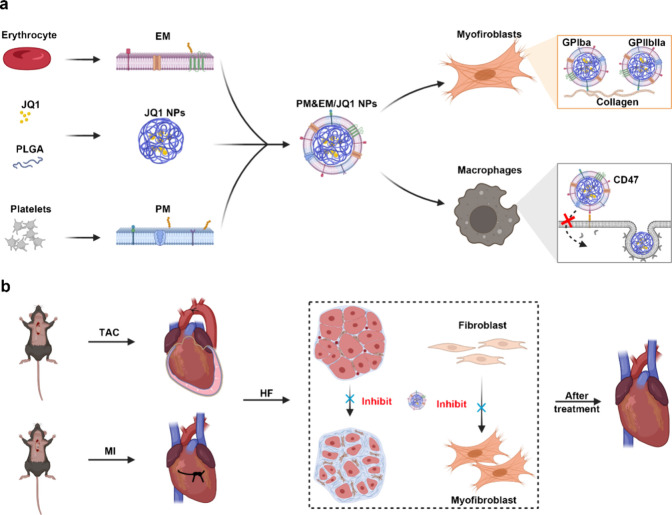
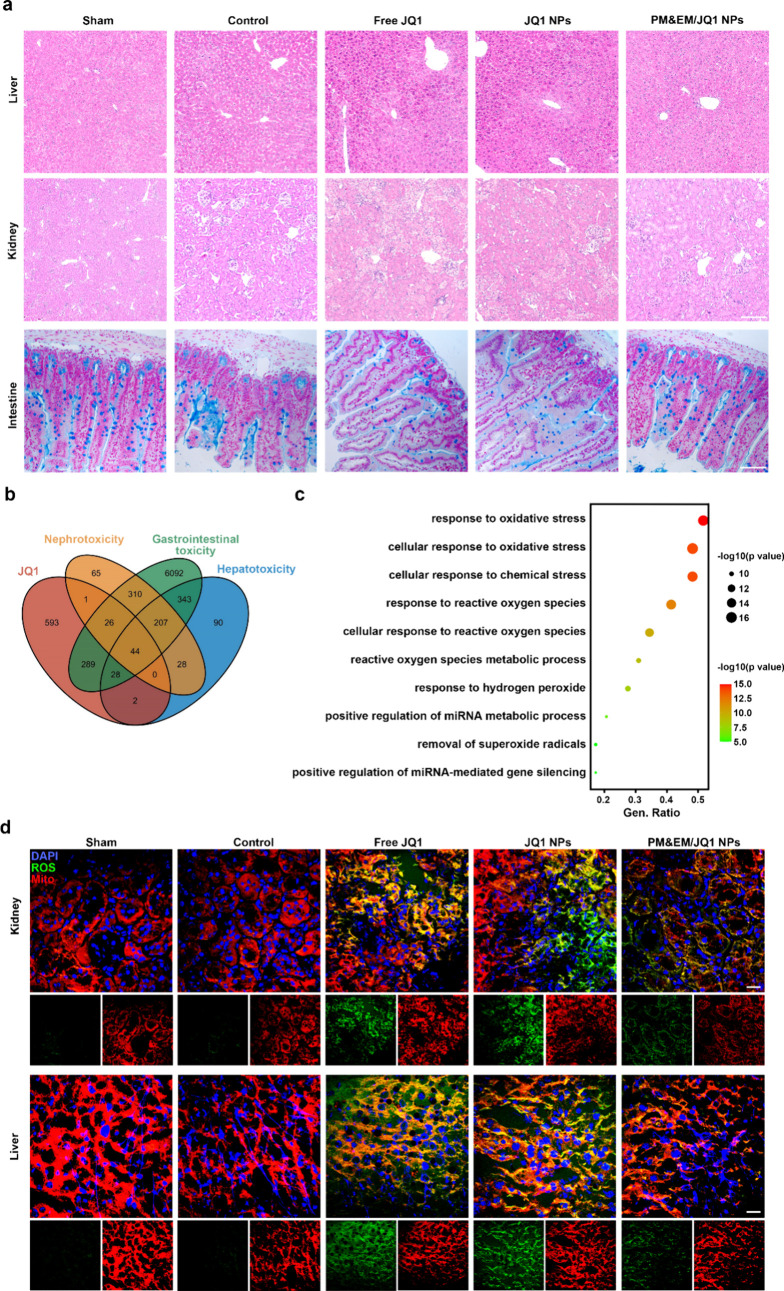
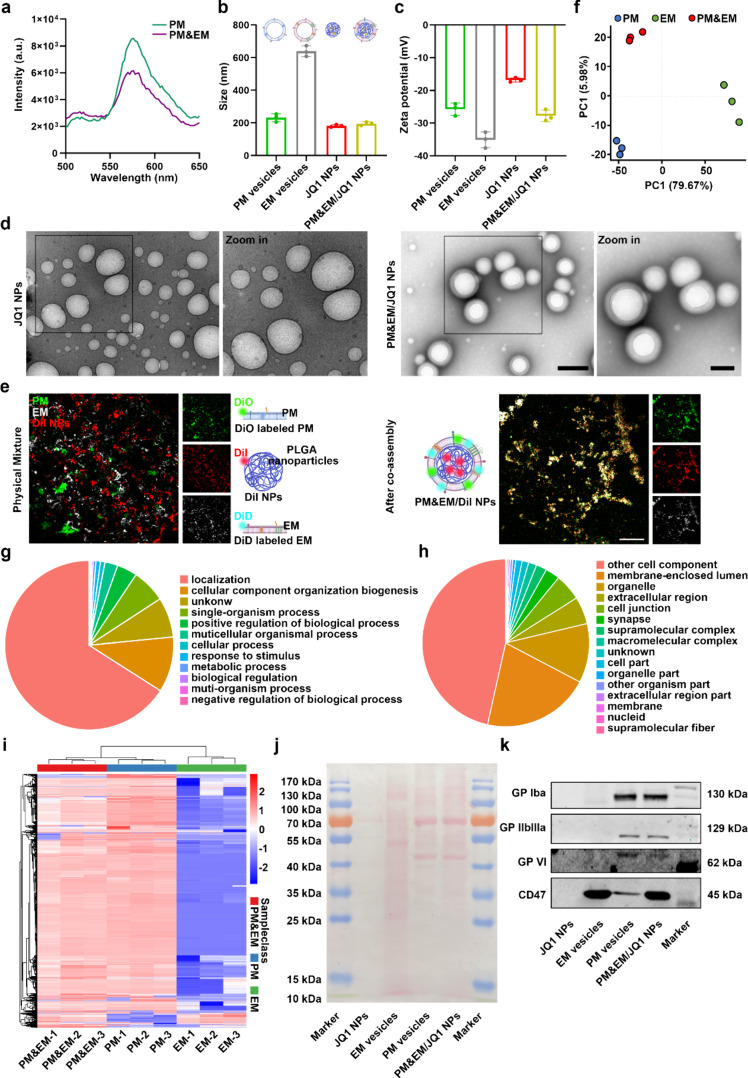
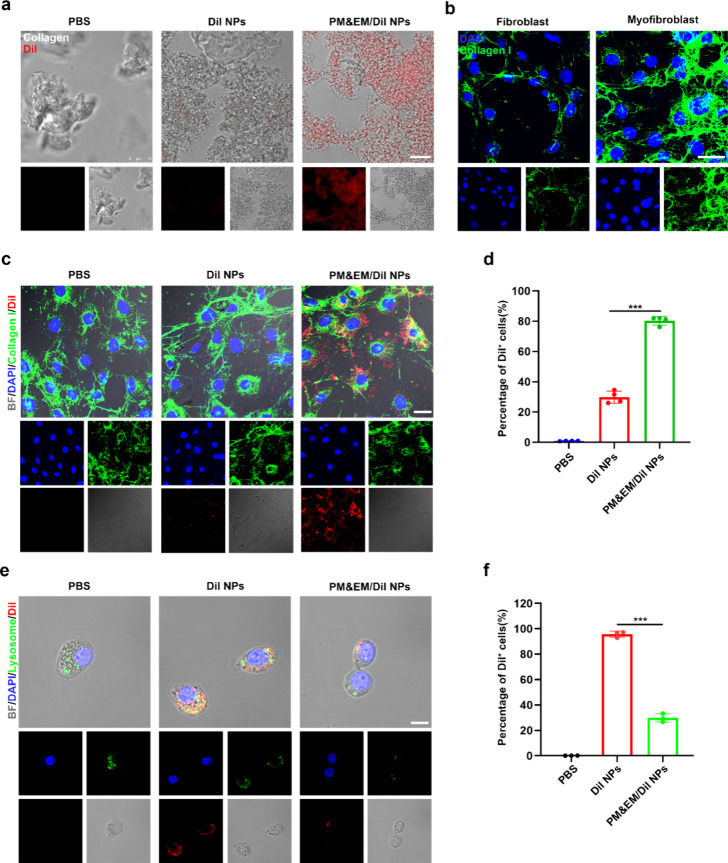
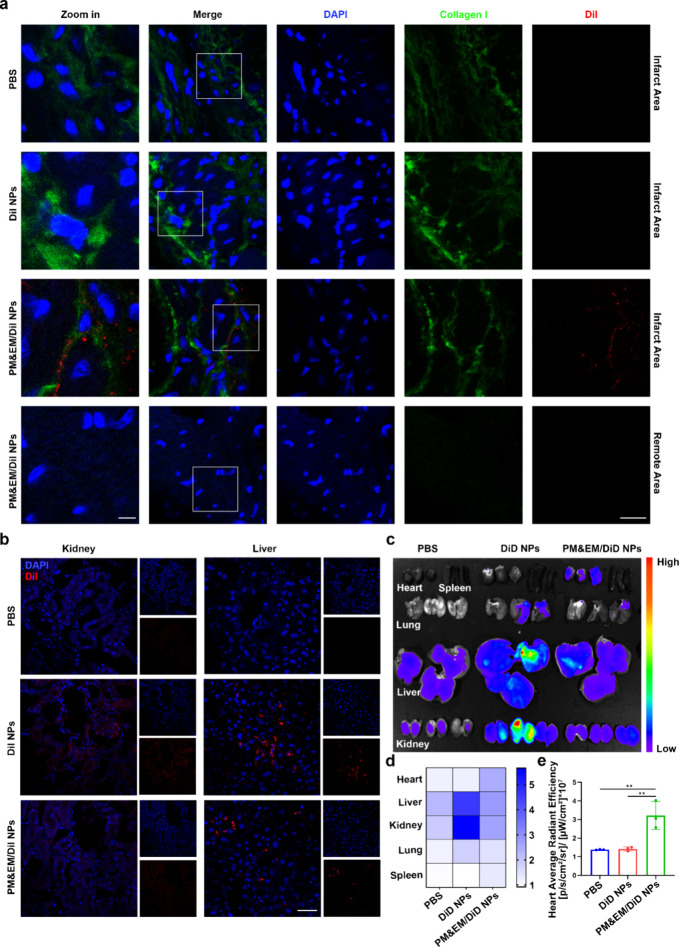
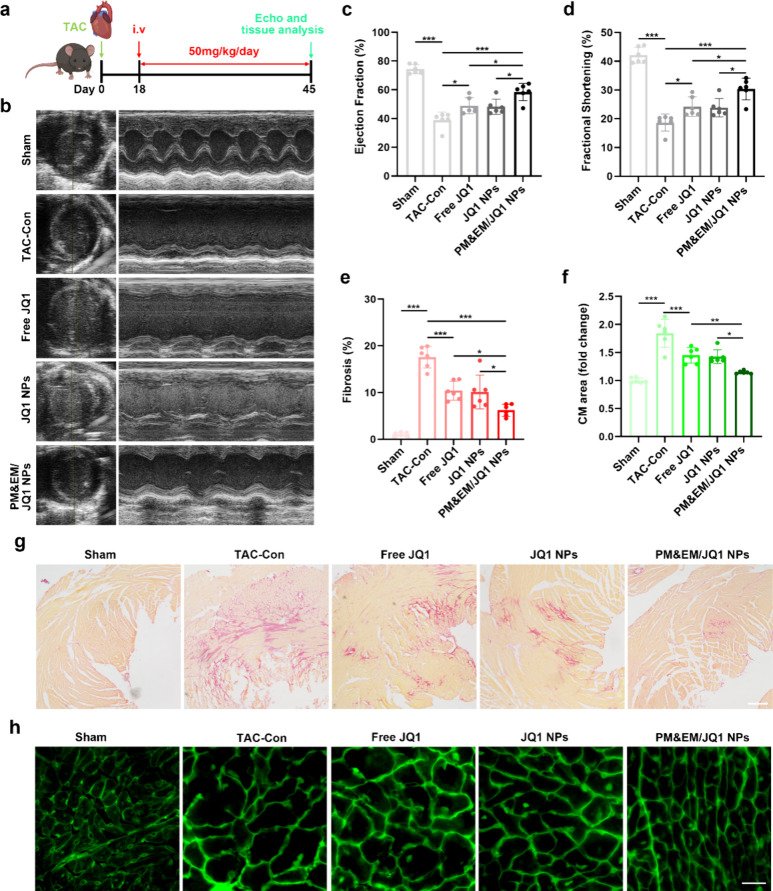
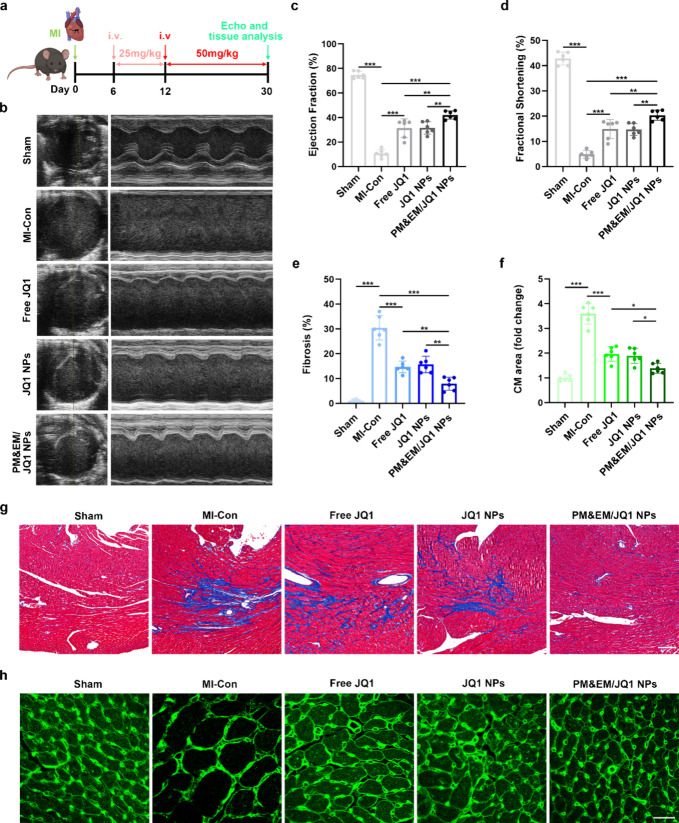
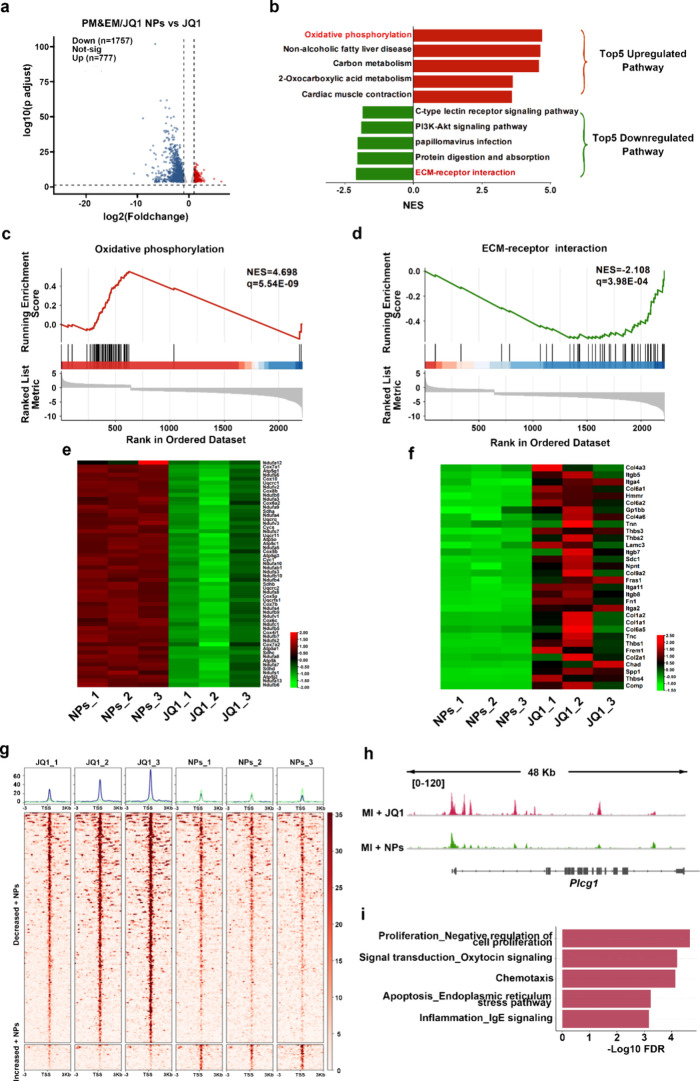
Cardiac fibrosis is a prevalent pathological process observed in the progression of numerous cardiovascular diseases and is associated with an increased risk of sudden cardiac death. Although the BRD4 inhibitor JQ1 has powerful antifibrosis properties, its clinical application is extremely limited due to its side effects. There remains an unmet need for effective, safe, and low-cost treatments. Here, we present a multifunctional biomimetic nanoparticle drug delivery system (PM&EM nanoparticles) assembled by platelet membranes and erythrocyte membranes for targeted JQ1 delivery in treating cardiac fibrosis. The platelet membrane endows PM&EM nanoparticles with the ability to target cardiac myofibroblasts and collagen, while the participation of the erythrocyte membrane enhances the long-term circulation ability of the formulated nanoparticles. In addition, PM&EM nanoparticles can deliver sufficient JQ1 with controllable release, achieving excellent antifibrosis effects. Based on these advantages, it is demonstrated in both pressures overloaded induced mouse cardiac fibrosis model and MI-induced mouse cardiac fibrosis that injection of the fusion membrane biomimetic nanodrug carrier system effectively reduced fibroblast activation, collagen secretion, and improved cardiac fibrosis. Moreover, it significantly mitigated the toxic and side effects of long-term JQ1 treatment on the liver, kidney, and intestinal tract. Mechanically, bioinformatics prediction and experimental validation revealed that PM&EM/JQ1 NPs reduced liver and kidney damage via alleviated oxidative stress and mitigated cardiac fibrosis via the activation of oxidative phosphorylation activation. These results highlight the potential value of integrating native platelet and erythrocyte membranes as a multifunctional biomimetic drug delivery system for treating cardiac fibrosis and preventing drug side effects.
心肌纤维化是多种心血管疾病进展中观察到的一种普遍的病理过程,与心脏性猝死风险增加相关。尽管 BRD4 抑制剂 JQ1 具有强大的抗纤维化特性,但由于其副作用,其临床应用受到极大限制。因此,仍然需要有效的、安全的、低成本的治疗方法。在这里,我们提出了一种多功能仿生纳米颗粒药物递送系统(PM&EM 纳米颗粒),由血小板膜和红细胞膜组装而成,用于靶向递送 JQ1 治疗心肌纤维化。血小板膜赋予 PM&EM 纳米颗粒靶向心肌成纤维细胞和胶原的能力,而红细胞膜的参与增强了所制定的纳米颗粒的长期循环能力。此外,PM&EM 纳米颗粒可以输送足够的 JQ1,实现可控释放,从而达到优异的抗纤维化效果。基于这些优势,在压力超负荷诱导的小鼠心肌纤维化模型和 MI 诱导的小鼠心肌纤维化中均证明,融合膜仿生纳米药物载体系统的注射有效减少了成纤维细胞的激活、胶原的分泌,并改善了心肌纤维化。此外,它显著减轻了长期 JQ1 治疗对肝脏、肾脏和肠道的毒性和副作用。从机制上讲,生物信息学预测和实验验证表明,PM&EM/JQ1 NPs 通过减轻氧化应激减轻了肝和肾损伤,并通过激活氧化磷酸化激活减轻了心肌纤维化。这些结果突出了整合天然血小板和红细胞膜作为治疗心肌纤维化和预防药物副作用的多功能仿生药物递送系统的潜在价值。