Li Yuyu, Wang Jifang, Xie Jun
Department of Cardiology National Cardiovascular Disease Regional Center for Anhui the First Affiliated Hospital of Anhui Medical University Hefei China.
Key Laboratory of Remodeling-Related Cardiovascular Diseases, Ministry of Education, Beijing Collaborative Innovation Centre for Cardiovascular Disorders, Beijing Anzhen Hospital, Capital Medical University Beijing China.
Smart Med. 2023 Aug 3;2(3):e20230015. doi: 10.1002/SMMD.20230015. eCollection 2023 Aug.
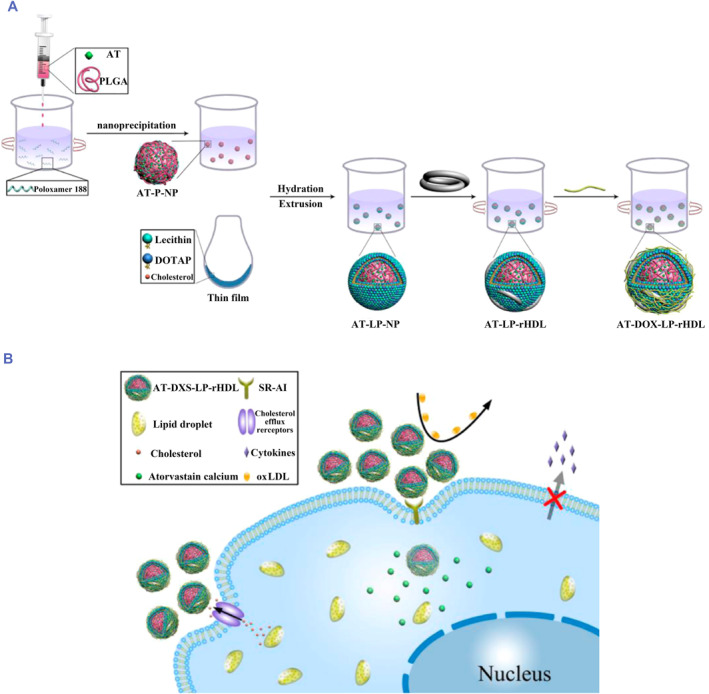
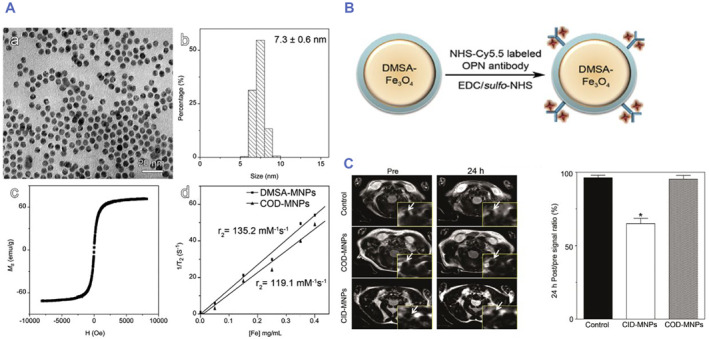
Atherosclerosis is a typical chronic inflammatory vascular disease that seriously endangers human health. At present, oral lipid-lowering or anti-inflammatory drugs are clinically used to inhibit the development of atherosclerosis. However, traditional oral drug treatments have problems such as low utilization, slow response, and serious side effects. Traditional nanodrug delivery systems are difficult to interactively recognize by normal biological organisms, and it is difficult to target the delivery of drugs to target lesions. Therefore, building a biomimetic nanodrug delivery system with targeted drug delivery based on the pathological characteristics of atherosclerosis is the key to achieving efficient and safe treatment of atherosclerosis. In this review, various nanodrug delivery systems that can target atherosclerosis are summarized and discussed. In addition, the future prospects and challenges of its clinical translation are also discussed.
动脉粥样硬化是一种严重危害人类健康的典型慢性炎症性血管疾病。目前,临床上使用口服降脂或抗炎药物来抑制动脉粥样硬化的发展。然而,传统的口服药物治疗存在利用率低、反应缓慢和副作用严重等问题。传统的纳米药物递送系统难以被正常生物机体进行交互式识别,并且难以将药物靶向递送至靶病变部位。因此,基于动脉粥样硬化的病理特征构建具有靶向药物递送功能的仿生纳米药物递送系统是实现动脉粥样硬化高效、安全治疗的关键。在这篇综述中,总结并讨论了各种可靶向动脉粥样硬化的纳米药物递送系统。此外,还讨论了其临床转化的未来前景和挑战。