Jabbarzadeh Shirin, Jaacks Lindsay M, Lovvorn Amy, Chen Yunyun, Wang Jiantong, Elon Lisa, Nizam Azhar, Aravindalochanan Vigneswari, Ntivuguruzwa Jean de Dieu, Willams Kendra N, Ramirez Alexander, Johnson Michael A, Pillarisetti Ajay, Gurusamy Thangavel, Rosa Ghislaine, Diaz-Artiga Anaité, Romero Juan C, Balakrishnan Kalpana, Checkley William, Peel Jennifer L, Clasen Thomas F, Waller Lance A
Department of Biostatistics and Bioinformatics, Rollins School of Public Health, Emory University, Atlanta, GA, USA.
Global Academy of Agriculture and Food Systems, University of Edinburgh, Edinburgh, UK.
Digit Health. 2024 Aug 21;10:20552076241274217. doi: 10.1177/20552076241274217. eCollection 2024 Jan-Dec.
Household air pollution (HAP) is a leading environmental risk factor accounting for about 1.6 million premature deaths mainly in low- and middle-income countries (LMICs). However, no multicounty randomized controlled trials have assessed the effect of liquefied petroleum gas (LPG) stove intervention on HAP and maternal and child health outcomes. The Household Air Pollution Intervention Network (HAPIN) was the first to assess this by implementing a common protocol in four LMICs.
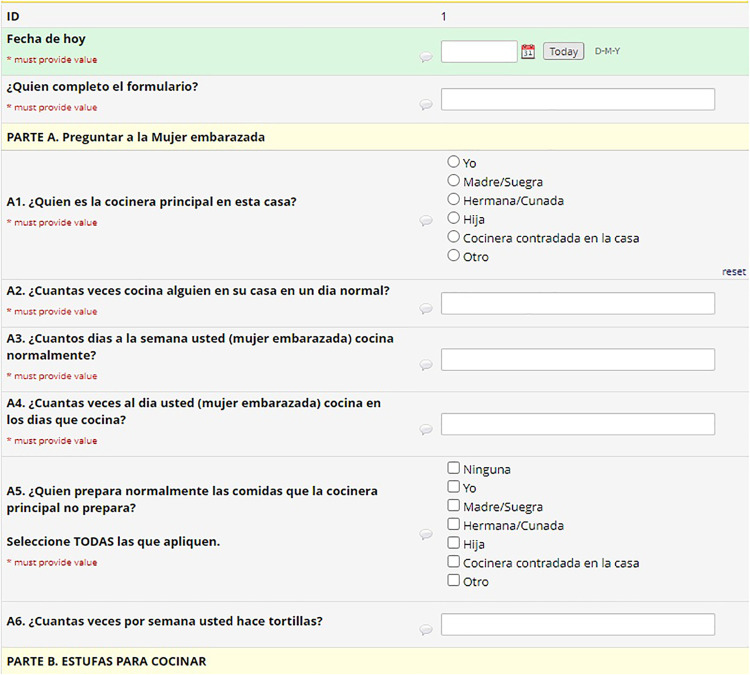
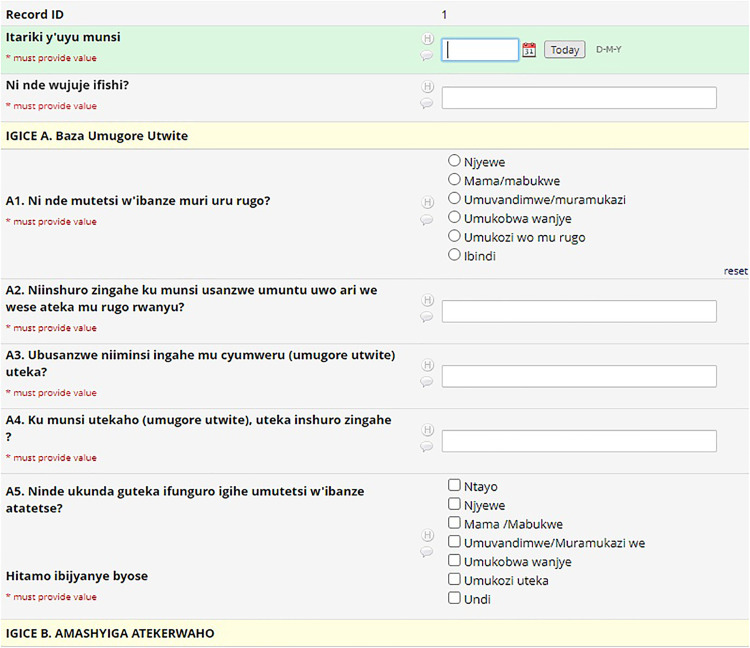
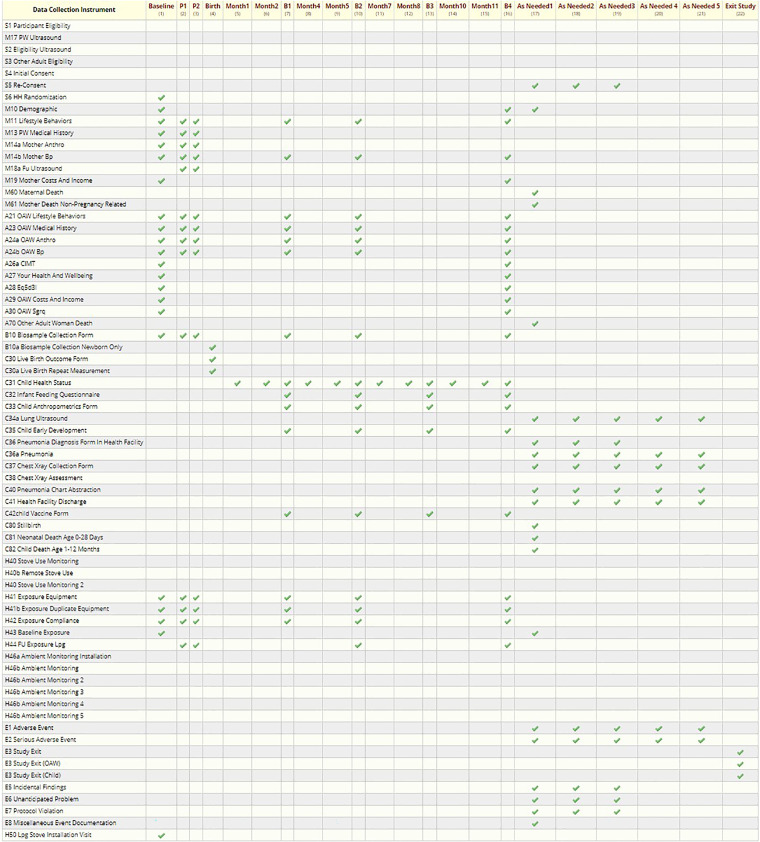
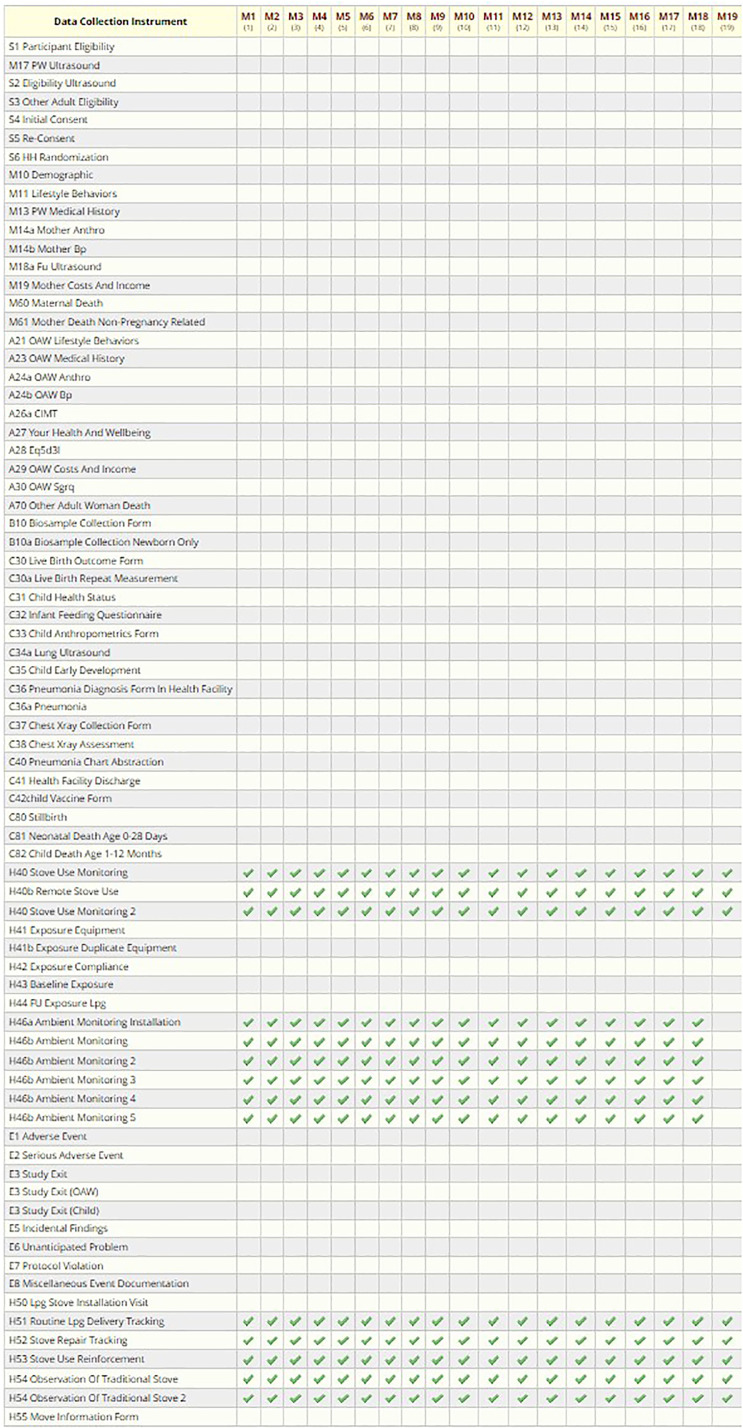
This manuscript describes the implementation of the HAPIN data management protocol via Research Electronic Data Capture (REDCap) used to collect over 50 million data points in more than 4000 variables from 80 case report forms (CRFs).
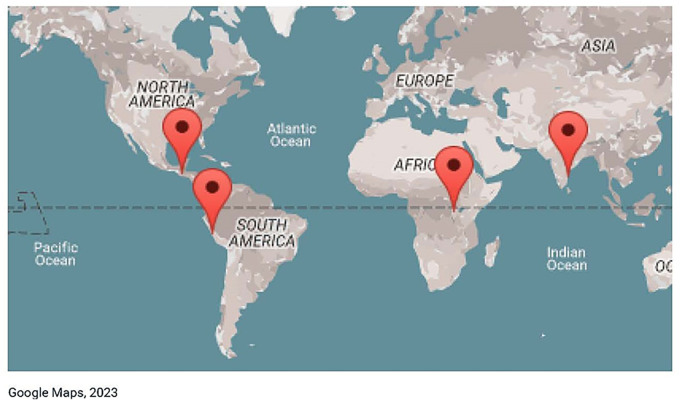
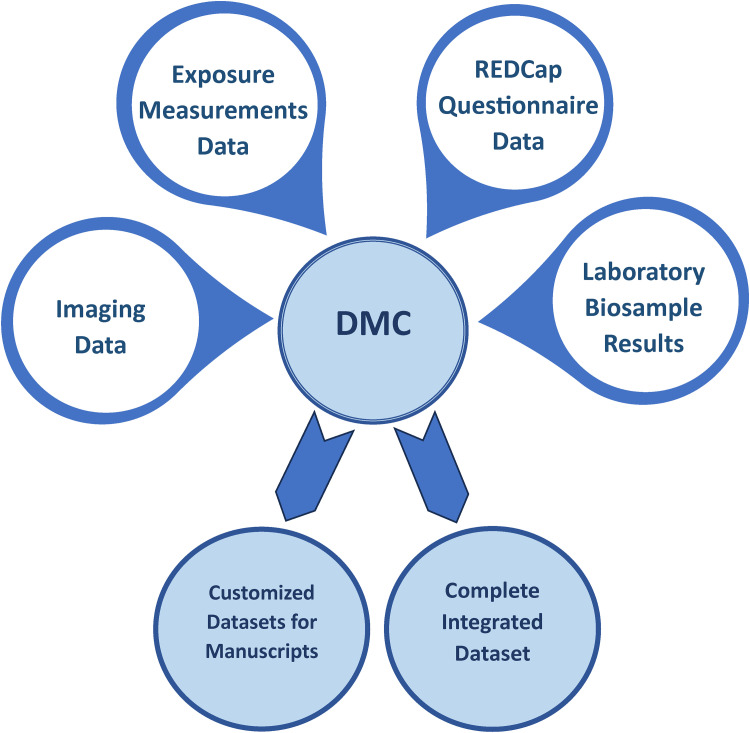
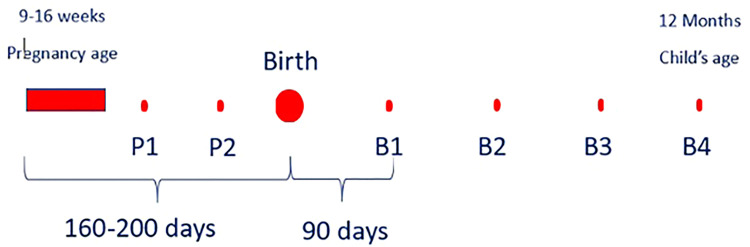
We recruited 800 pregnant women in each study country (Guatemala, India, Peru, and Rwanda) who used biomass fuels in their households. Households were randomly assigned to receive LPG stoves and 18 months of free LPG supply (intervention) or to continue using biomass fuels (control). Households were followed for 18 months and assessed for primary health outcomes: low birth weight, severe pneumonia, and stunting. The HAPIN Data Management Core (DMC) implemented identical REDCap projects for each study site using shared variable names and timelines in local languages. Field staff collected data offline using tablets on the REDCap Mobile Application.
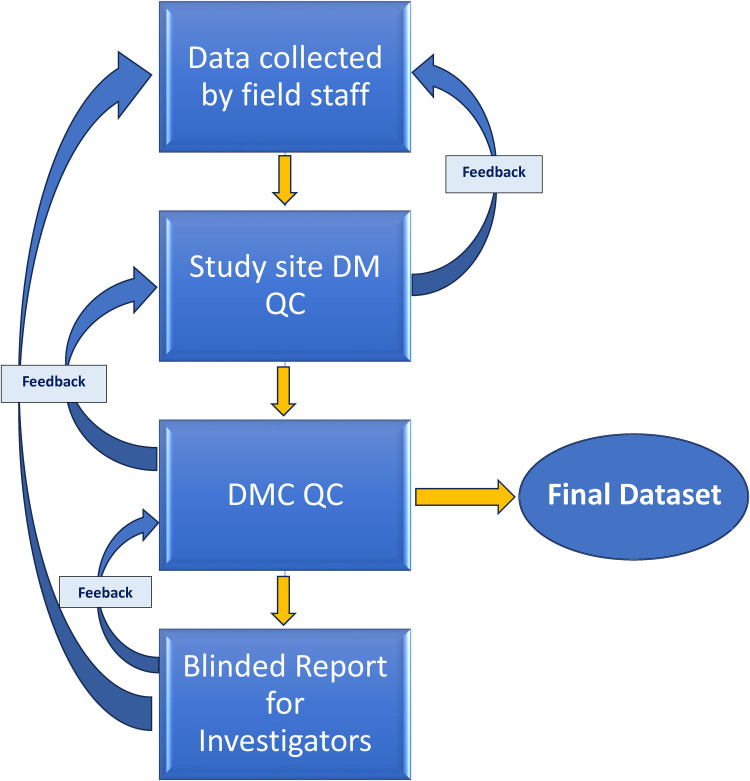
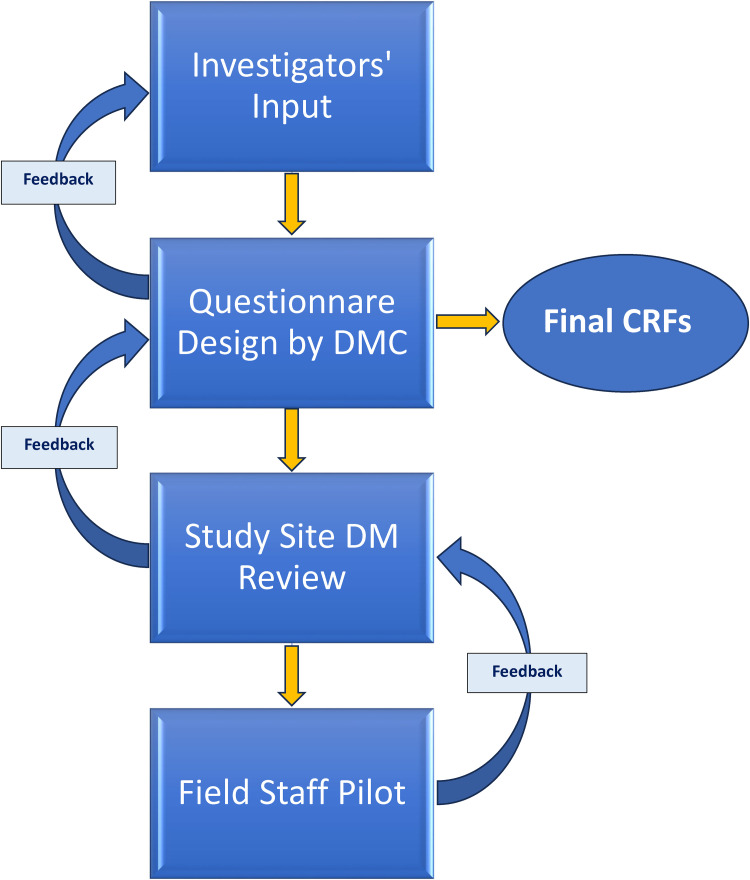
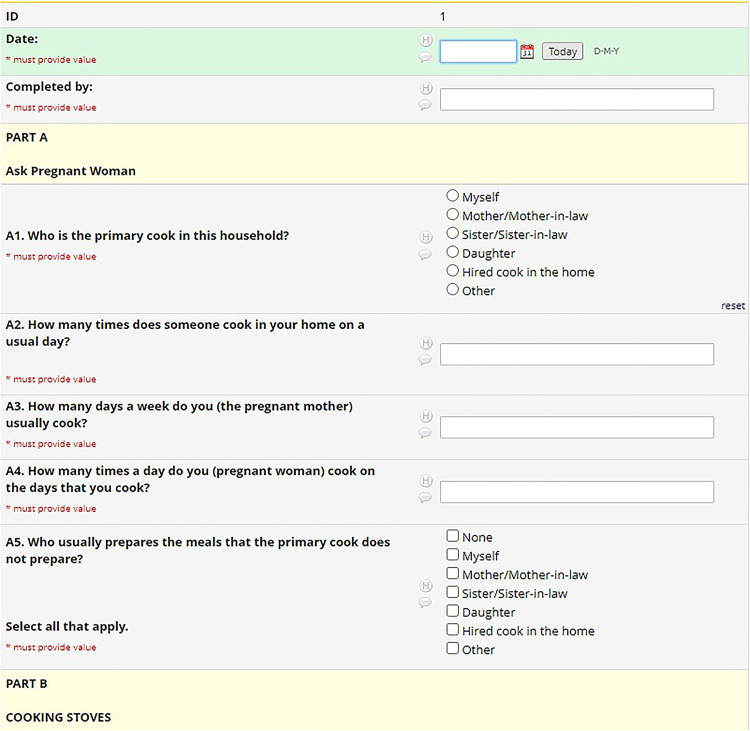
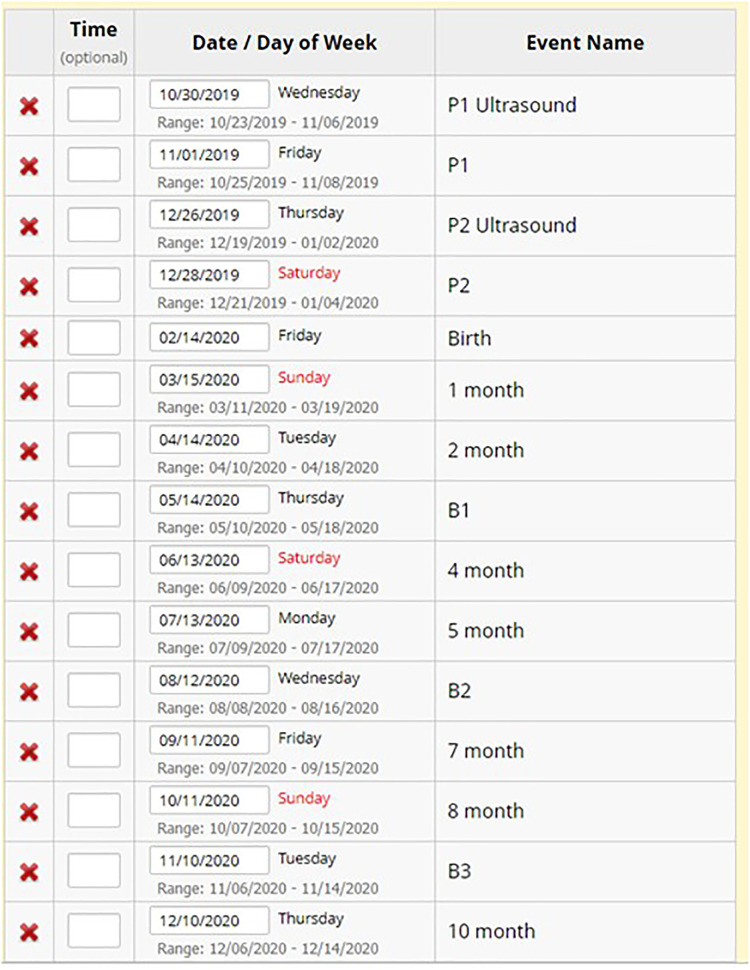
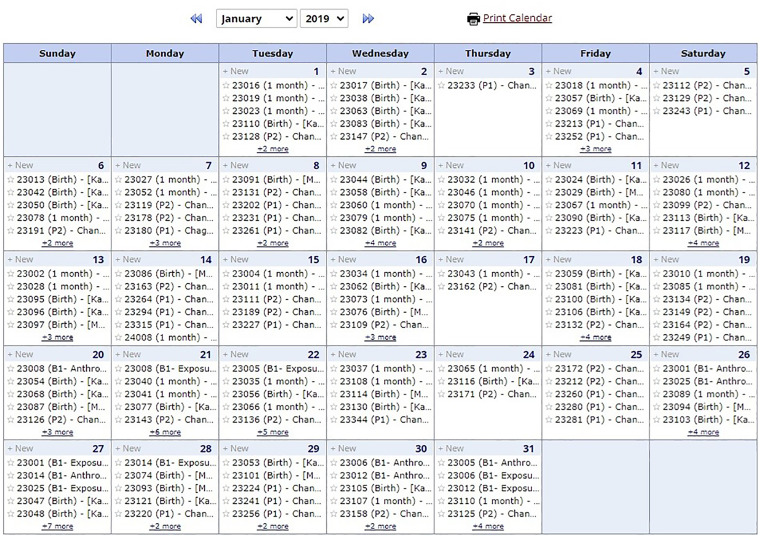
Utilizing the REDCap application allowed the HAPIN DMC to collect and store data securely, access data (near real-time), create reports, perform quality control, update questionnaires, and provide timely feedback to local data management teams. Additional REDCap functionalities (e.g. scheduling, data validation, and barcode scanning) supported the study.
While the HAPIN trial experienced some challenges, REDCap effectively met HAPIN study goals, including quality data collection and timely reporting and analysis on this important global health trial, and supported more than 40 peer-reviewed scientific publications to date.
家庭空气污染(HAP)是一个主要的环境风险因素,主要在低收入和中等收入国家(LMICs)导致约160万人过早死亡。然而,尚无多国随机对照试验评估液化石油气(LPG)炉灶干预对家庭空气污染以及母婴健康结局的影响。家庭空气污染干预网络(HAPIN)率先通过在四个低收入和中等收入国家实施共同方案来对此进行评估。
本手稿描述了通过研究电子数据采集(REDCap)实施HAPIN数据管理方案的情况,该方案用于从80份病例报告表(CRF)中收集超过5000万个数据点,涉及4000多个变量。
我们在每个研究国家(危地马拉、印度、秘鲁和卢旺达)招募了800名在家中使用生物质燃料的孕妇。家庭被随机分配接受液化石油气炉灶和18个月的免费液化石油气供应(干预组),或继续使用生物质燃料(对照组)。对家庭进行了18个月的随访,并评估主要健康结局:低出生体重、重症肺炎和发育迟缓。HAPIN数据管理核心(DMC)使用当地语言的共享变量名和时间表,为每个研究地点实施了相同的REDCap项目。现场工作人员使用REDCap移动应用程序在平板电脑上离线收集数据。
利用REDCap应用程序使HAPIN DMC能够安全地收集和存储数据、访问数据(近乎实时)、创建报告、进行质量控制、更新问卷,并及时向当地数据管理团队提供反馈。REDCap的其他功能(如调度、数据验证和条形码扫描)为该研究提供了支持。
虽然HAPIN试验遇到了一些挑战,但REDCap有效地实现了HAPIN的研究目标,包括高质量的数据收集以及对这项重要的全球健康试验进行及时报告和分析,并且迄今支持了40多篇同行评审的科学出版物。