Cazzola Roberta, Della Porta Matteo, Piuri Gabriele, Maier Jeanette A
Department of Biomedical and Clinical Sciences, University of Milano, 20174 Milan, Italy.
Antioxidants (Basel). 2024 Jul 24;13(8):893. doi: 10.3390/antiox13080893.
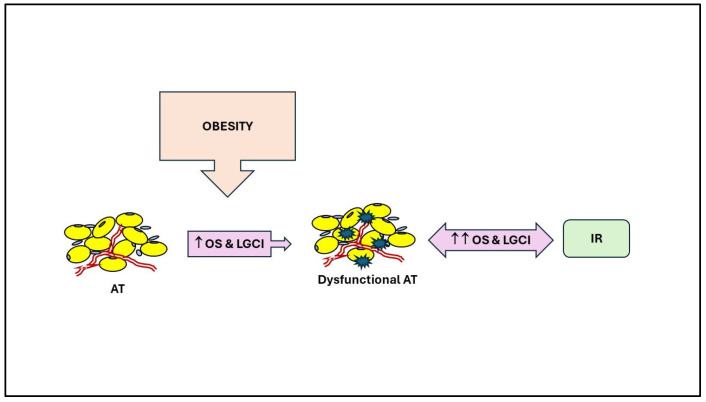
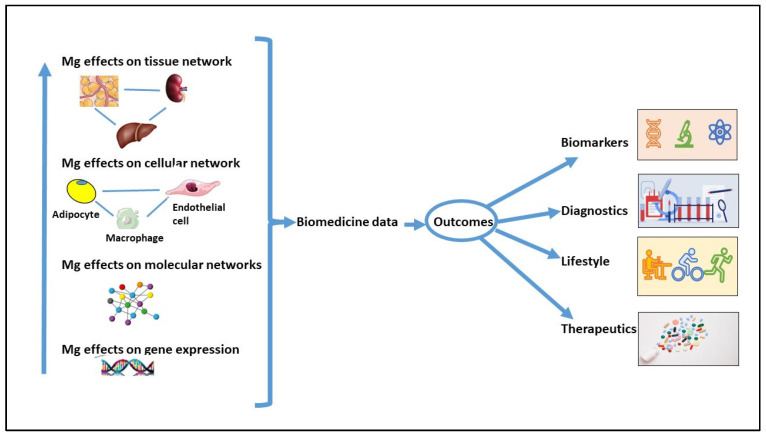
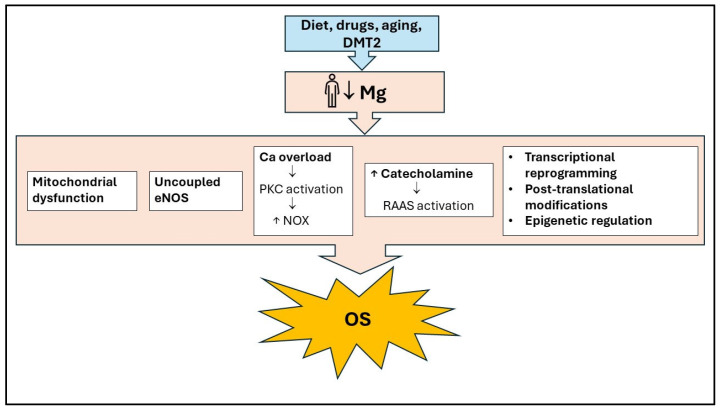
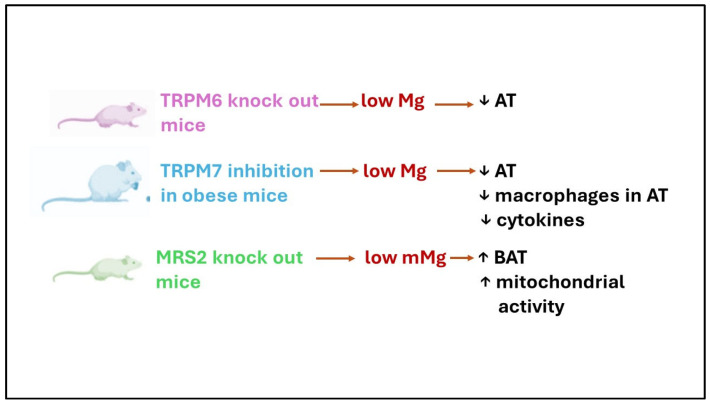
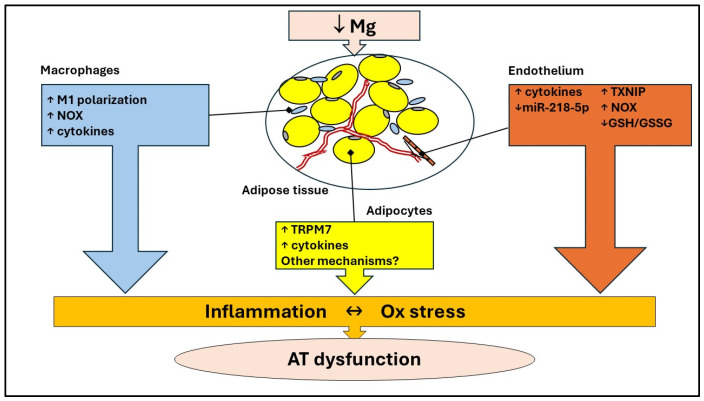
Magnesium (Mg) is involved in essential cellular and physiological processes. Globally, inadequate consumption of Mg is widespread among populations, especially those who consume processed foods, and its homeostasis is impaired in obese individuals and type 2 diabetes patients. Since Mg deficiency triggers oxidative stress and chronic inflammation, common features of several frequent chronic non-communicable diseases, interest in this mineral is growing in clinical medicine as well as in biomedicine. To date, very little is known about the role of Mg deficiency in adipose tissue. In obesity, the increase in fat tissue leads to changes in the release of cytokines, causing low-grade inflammation and macrophage infiltration. Hypomagnesemia in obesity can potentiate the excessive production of reactive oxygen species, mitochondrial dysfunction, and decreased ATP production. Importantly, Mg plays a role in regulating intracellular calcium concentration and is involved in carbohydrate metabolism and insulin receptor activity. This narrative review aims to consolidate existing knowledge, identify research gaps, and raise awareness of the critical role of Mg in supporting adipose tissue metabolism and preventing oxidative stress.
镁(Mg)参与重要的细胞和生理过程。在全球范围内,人群中镁摄入不足的情况普遍存在,尤其是那些食用加工食品的人群,并且肥胖个体和2型糖尿病患者的镁稳态受损。由于镁缺乏会引发氧化应激和慢性炎症,而这是几种常见慢性非传染性疾病的共同特征,因此临床医学和生物医学领域对这种矿物质的关注度日益增加。迄今为止,关于镁缺乏在脂肪组织中的作用知之甚少。在肥胖症中,脂肪组织的增加会导致细胞因子释放的变化,引发低度炎症和巨噬细胞浸润。肥胖症中的低镁血症会加剧活性氧的过度产生、线粒体功能障碍以及ATP生成减少。重要的是,镁在调节细胞内钙浓度方面发挥作用,并参与碳水化合物代谢和胰岛素受体活性。本叙述性综述旨在整合现有知识,找出研究空白,并提高人们对镁在支持脂肪组织代谢和预防氧化应激方面关键作用的认识。