Taddeucci Simone, Mirizzi Gianluca, Santoro Amato
Division of Biotechnology, University of Siena, Viale Bracci 1, 53100 Siena, Italy.
Division of Cardiology, Tuscany Foundation 'Gabriele Monasterio', Via Moruzzi, 1, 56100 Pisa, Italy.
J Clin Med. 2024 Aug 13;13(16):4758. doi: 10.3390/jcm13164758.
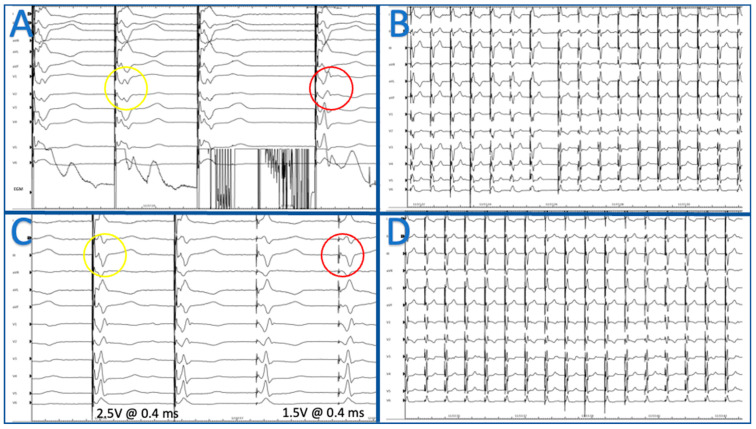
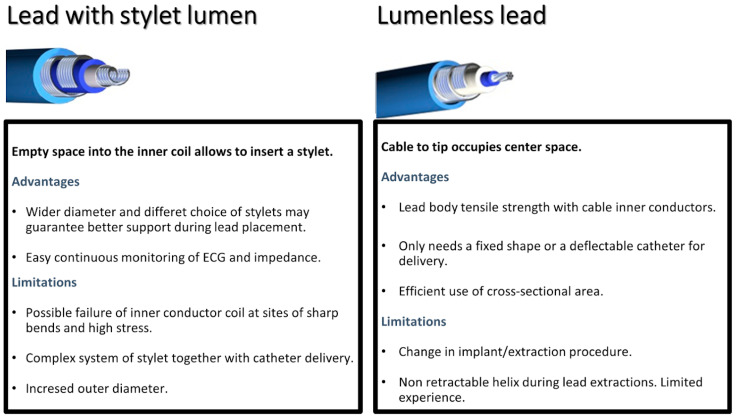
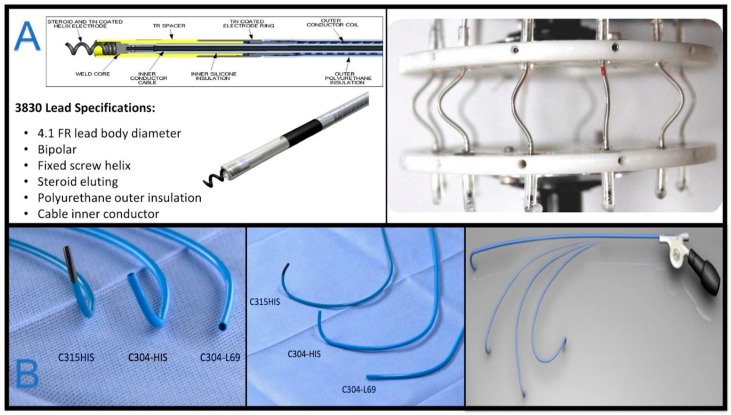
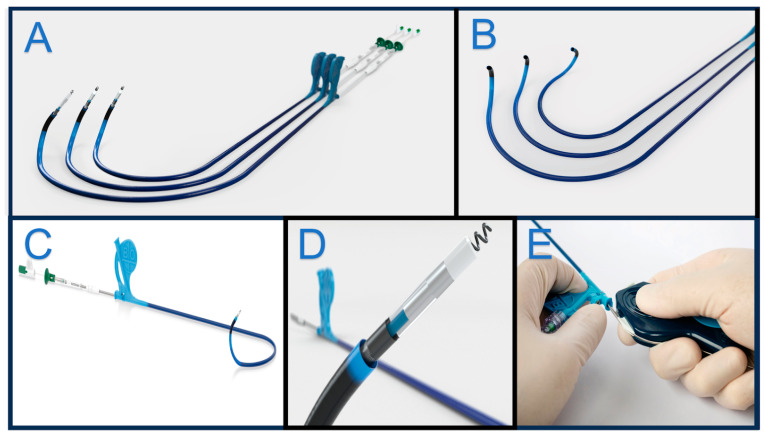
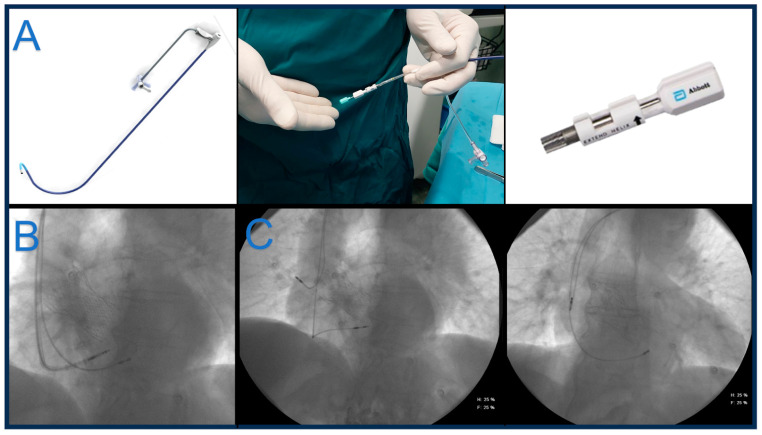
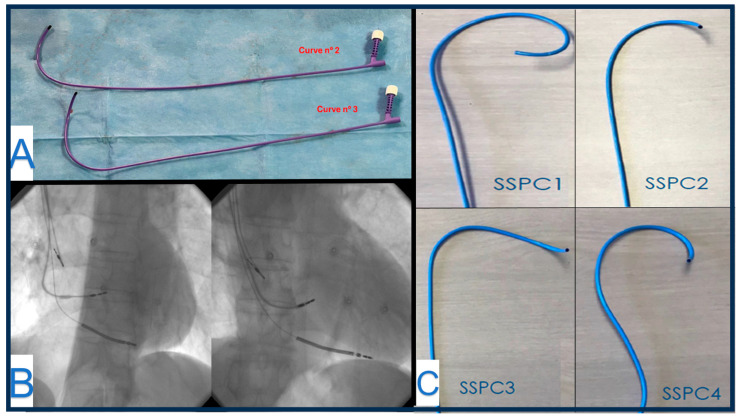
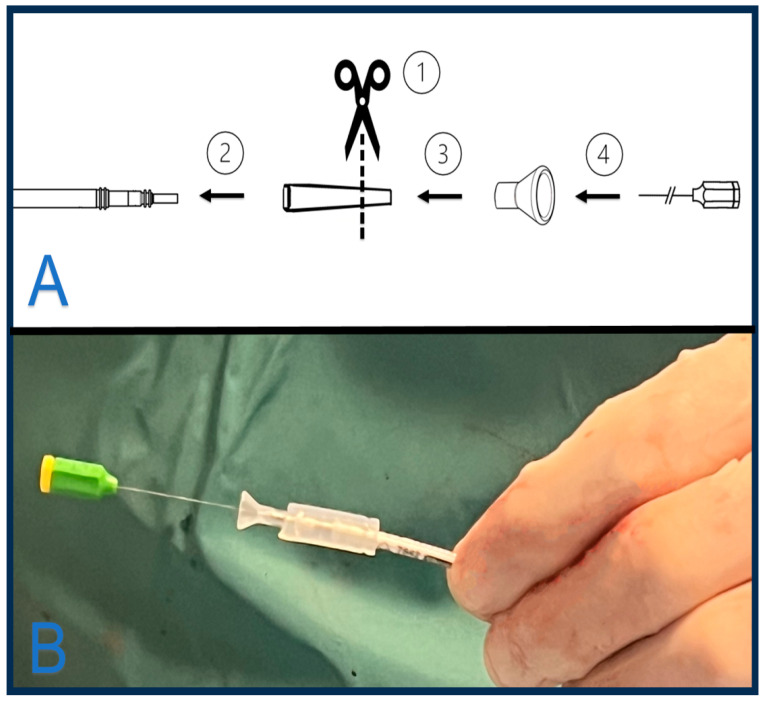
Left bundle branch area pacing (LBBPa) is an innovative technique for physiological pacing. Compared with His bundle pacing, LBBPa provides better pacing thresholds, lower rates of macrodislodgment, and a reliable strategy for cardiac resynchronization. LBBPa traditionally employs lumenless leads (LLL), which are characterized by small lead bodies and a fixed helix design. These features guarantee stability, avoid helix retraction, and facilitate easier septal penetration, all contributing to an advantageous learning curve. On the other hand, stylet-driven pacing leads (SDL) have shown comparable success rates related to lumenless pacing leads, although they carry risks of helix retraction and lead fracture. SDL have been increasingly employed with favorable results, as they provide good maneuverability and support during implantation with continuous monitoring of ECG-paced morphology. Different manufacturers are offering a variety of SDL, and new dedicated tools are being developed to simplify lead implantation. In this review, we examine the procedural techniques, advantages, and limitations of the most commonly used pacing leads and tools for LBBPa, and we summarize the complications associated with both lumenless leads (LLL) and stylet-driven leads (SDL).
左束支区域起搏(LBBPa)是一种用于生理性起搏的创新技术。与希氏束起搏相比,LBBPa具有更好的起搏阈值、更低的电极脱位率以及可靠的心脏再同步化策略。传统上,LBBPa采用无腔导线(LLL),其特点是导线主体小且采用固定螺旋设计。这些特性保证了稳定性,避免螺旋回缩,并便于更容易地穿透间隔,所有这些都有助于形成有利的学习曲线。另一方面,探条驱动起搏导线(SDL)与无腔起搏导线相比显示出相当的成功率,尽管它们存在螺旋回缩和导线断裂的风险。SDL的使用越来越多且效果良好,因为它们在植入过程中提供了良好的可操作性和支撑,并能持续监测心电图起搏形态。不同制造商提供了各种SDL,并且正在开发新的专用工具以简化导线植入。在本综述中,我们研究了LBBPa最常用的起搏导线和工具的操作技术、优点和局限性,并总结了与无腔导线(LLL)和探条驱动导线(SDL)相关的并发症。