Pardo-Salamanca Ana, Paoletti Daniela, Pastor-Cerezuela Gemma, De Stasio Simona, Berenguer Carmen
Department of Developmental and Educational Psychology, Universitat de València, Avda Blasco Ibáñez, 21, 46010 Valencia, Spain.
Department of Human Studies, LUMSA University, 00193 Rome, Italy.
Children (Basel). 2024 Jul 27;11(8):909. doi: 10.3390/children11080909.
BACKGROUND/OBJECTIVES: Children with autism spectrum disorder (ASD) and/or attention deficit hyperactivity disorder (ADHD) exhibit more executive function (EF) deficits compared to typically developing (TD) peers. EF deficits are linked to various impairments in daily functioning and increased parental stress. The first aim of the present study is to investigate EFs in children with ASD and ADHD compared to their TD peers. The second aim is to explore profiles of executive functions in children with ASD and ADHD and, finally, to determine the differences of EF profiles in relation to parental stress and children's functional impairments.
The sample comprised 30 TD children, 47 children with ASD, and 34 children with ADHD, aged 8 to 12 years. Parents completed questionnaires of parenting stress, and children's social and daily-life functioning. Parents and teachers reported information about children's EF.
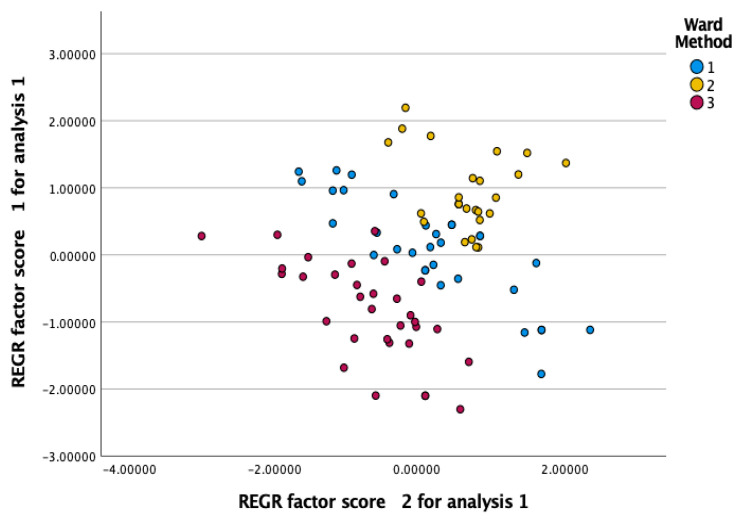
The results indicated significantly greater impairment of EFs in the clinical groups compared to the TD group. Moreover, three distinct clusters of functioning were identified based on the severity of reported EF difficulties. The significant findings showed that children with more severe EF profiles were associated with greater daily impairment and higher levels of perceived parental stress.
Given the impact of EF deficits on the lives of children with ASD and ADHD and their families, it is crucial that studies like this enhance our understanding and inspire future interventions aimed at improving executive functions in children with ASD and ADHD. Such interventions could help reduce parental stress and improve daily functioning.
背景/目的:与发育正常(TD)的同龄人相比,患有自闭症谱系障碍(ASD)和/或注意力缺陷多动障碍(ADHD)的儿童表现出更多的执行功能(EF)缺陷。执行功能缺陷与日常功能的各种损害以及父母压力增加有关。本研究的首要目的是调查患有ASD和ADHD的儿童与他们发育正常的同龄人相比的执行功能。第二个目的是探索患有ASD和ADHD的儿童的执行功能概况,最后,确定执行功能概况在父母压力和儿童功能损害方面的差异。
样本包括30名发育正常的儿童、47名患有ASD的儿童和34名患有ADHD的儿童,年龄在8至12岁之间。父母完成了育儿压力问卷以及儿童社会和日常生活功能问卷。父母和教师报告了有关儿童执行功能的信息。
结果表明,与发育正常组相比,临床组的执行功能损害明显更大。此外,根据报告的执行功能困难的严重程度确定了三个不同的功能集群。重要发现表明,执行功能概况较严重的儿童与更大的日常损害和更高水平的父母感知压力相关。
鉴于执行功能缺陷对患有ASD和ADHD的儿童及其家庭生活的影响,像这样的研究对于增强我们的理解并激发未来旨在改善患有ASD和ADHD的儿童执行功能的干预措施至关重要。此类干预措施有助于减轻父母压力并改善日常功能。