TARGID, Department of Chronic Diseases and Metabolism (CHROMETA), KU Leuven, 3000 Leuven, Belgium.
VIB-KU Leuven Center for Microbiology, 3001 Leuven, Belgium.
Nutrients. 2024 Aug 13;16(16):2668. doi: 10.3390/nu16162668.
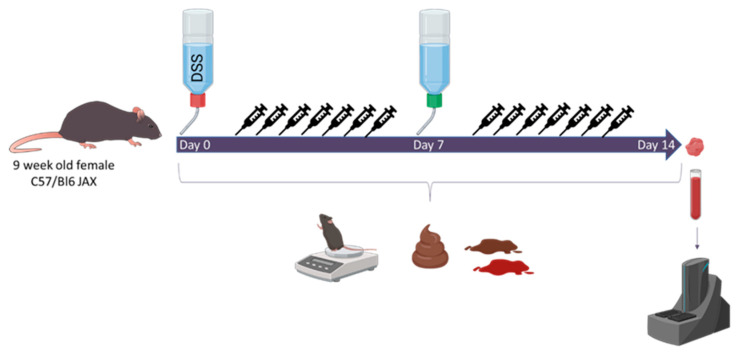
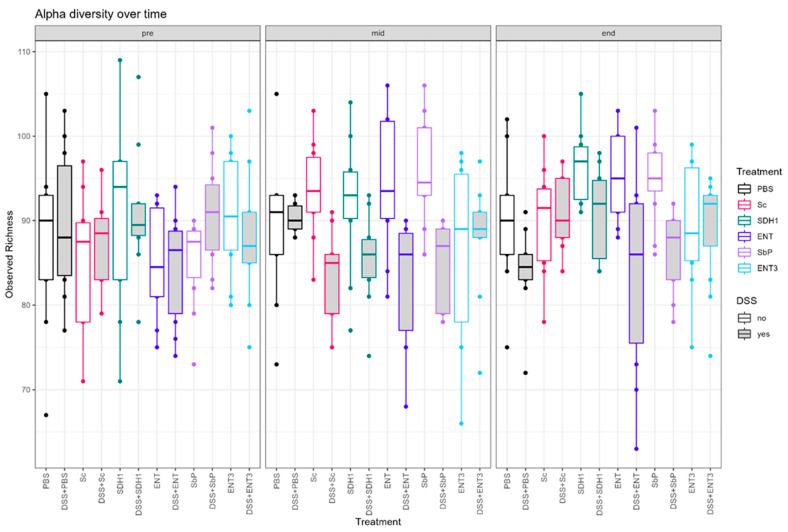
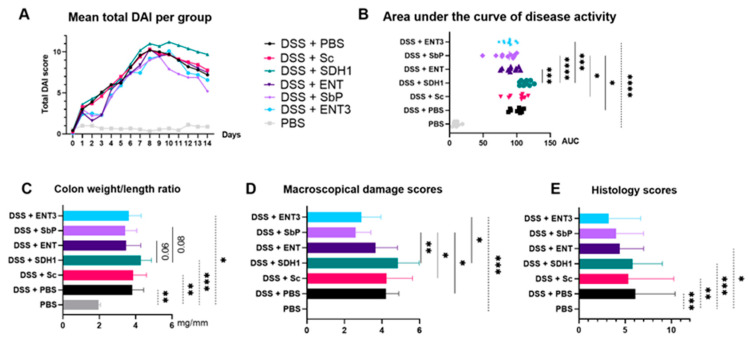
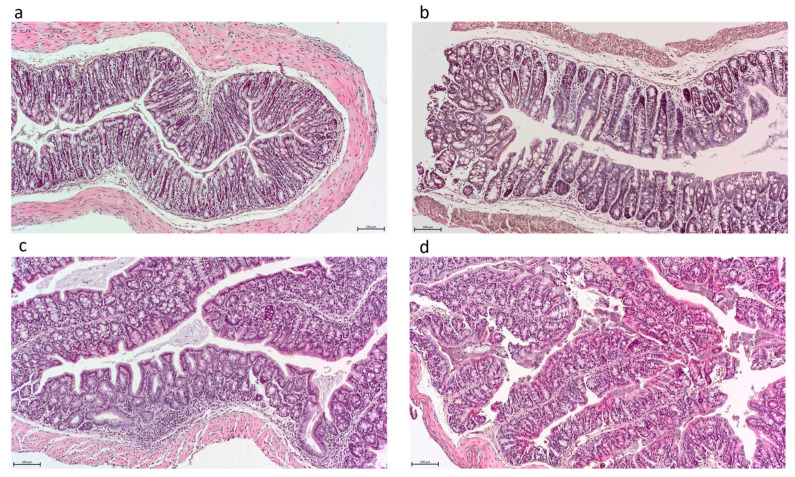
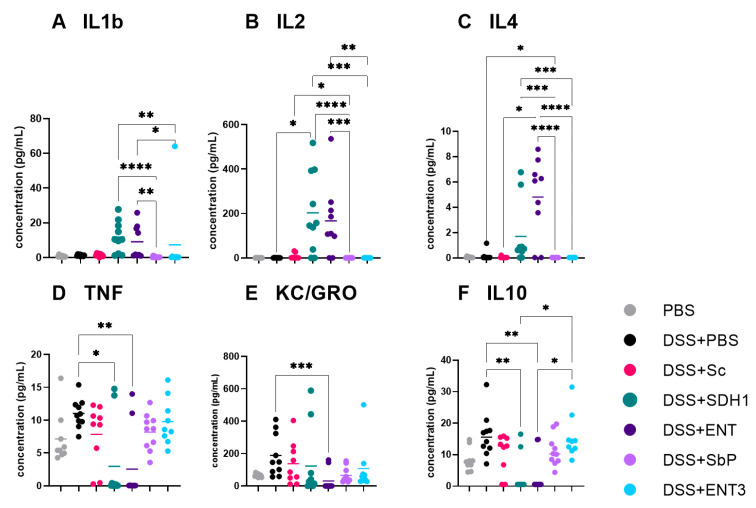
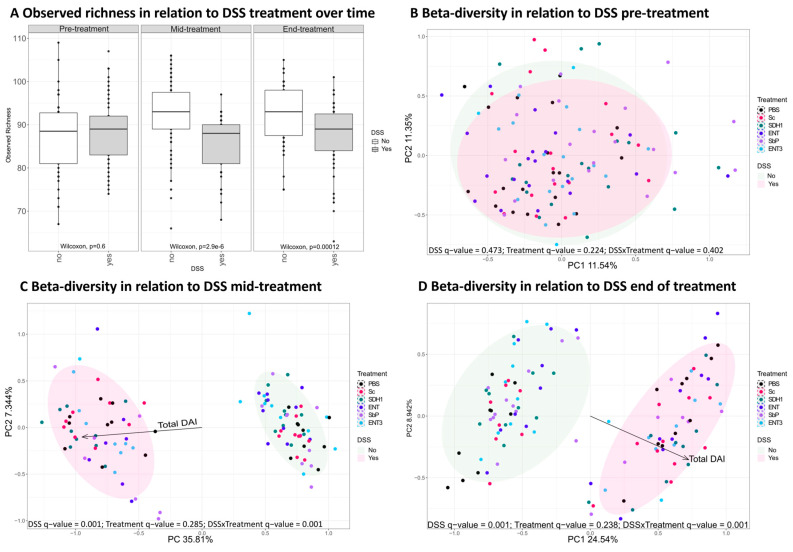
Acetate-producing var. strains could exert improved effects on ulcerative colitis, which here, was preclinically evaluated in an acute dextran sodium sulphate induced model of colitis. Nine-week-old female mice were divided into 12 groups, receiving either drinking water or 2.75% dextran sodium sulphate for 7 days, combined with a daily gavage of various treatments with different levels of acetate accumulation: sham control (phosphate buffered saline, no acetate), non-probiotic control (Baker's yeast, no acetate), probiotic control (Enterol, transient acetate), and additionally several var. strains with respectively no, high, and extra-high acetate accumulation. Disease activity was monitored daily, and feces samples were collected at different timepoints. On day 14, the mice were sacrificed, upon which blood and colonic tissue were collected for analysis. Disease activity in inflamed mice was lower when treated with the high-acetate-producing strain compared to sham and non-probiotic controls. The non-acetate-producing strain showed higher disease activity compared to the acetate-producing strains. Accordingly, higher histologic inflammation was observed in non- or transient-acetate-producing strains compared to the sham control, whereas this increase was not observed for high- and extra-high-acetate-producing strains upon induction of inflammation. These anti-inflammatory findings were confirmed by transcriptomic analysis of differentially expressed genes. Moreover, only the strain with the highest acetate production was superior in maintaining a stable gut microbial alpha-diversity upon inflammation. These findings support new possibilities for acetate-mediated management of inflammation in inflammatory bowel disease by administrating high-acetate-producing var. strains.
产乙酸变异株可能对溃疡性结肠炎有更好的治疗效果,本研究在葡聚糖硫酸钠诱导的结肠炎急性模型中对其进行了临床前评估。将 9 周龄雌性小鼠分为 12 组,分别给予饮用水或 2.75%葡聚糖硫酸钠连续灌胃 7 天,同时每日给予不同水平产乙酸能力的不同处理措施进行灌胃:假手术对照组(磷酸盐缓冲液,无乙酸)、非益生菌对照组(面包酵母,无乙酸)、益生菌对照组(肠内益生菌,短暂产乙酸),以及另外几个分别无、高和超高产乙酸的 var. 变异株。每天监测疾病活动度,在不同时间点收集粪便样本。第 14 天,处死小鼠,收集血液和结肠组织进行分析。与假手术和非益生菌对照组相比,高产乙酸变异株治疗的炎症小鼠疾病活动度更低。与产乙酸变异株相比,非产乙酸变异株显示出更高的疾病活动度。因此,与假手术对照组相比,非产乙酸或短暂产乙酸变异株的组织学炎症程度更高,而在诱导炎症时,高产乙酸和超高产乙酸变异株并未观察到这种增加。差异表达基因的转录组分析证实了这些抗炎发现。此外,只有产乙酸能力最高的菌株在炎症时能够更好地维持稳定的肠道微生物 α 多样性。这些发现为通过给予高产乙酸 var. 变异株来管理炎症性肠病中的炎症提供了新的可能性。