Iglesias-Mejuto Ana, Pinto Rui, Faísca Pedro, Catarino José, Rocha João, Durães Luisa, Gaspar Maria Manuela, Reis Catarina Pinto, García-González Carlos A
AerogelsLab, I+D Farma Group (GI-1645), Department of Pharmacology, Pharmacy and Pharmaceutical Technology, Faculty of Pharmacy, iMATUS and Health Research Institute of Santiago de Compostela (IDIS), Universidade de Santiago de Compostela, E-15782, Santiago de Compostela, Spain.
Research Institute for Medicines (iMed. ULisboa), Faculty of Pharmacy, Universidade de Lisboa, Av. Professor Gama Pinto, 1649-003, Lisboa, Portugal.
Bioact Mater. 2024 Aug 8;41:471-484. doi: 10.1016/j.bioactmat.2024.07.033. eCollection 2024 Nov.
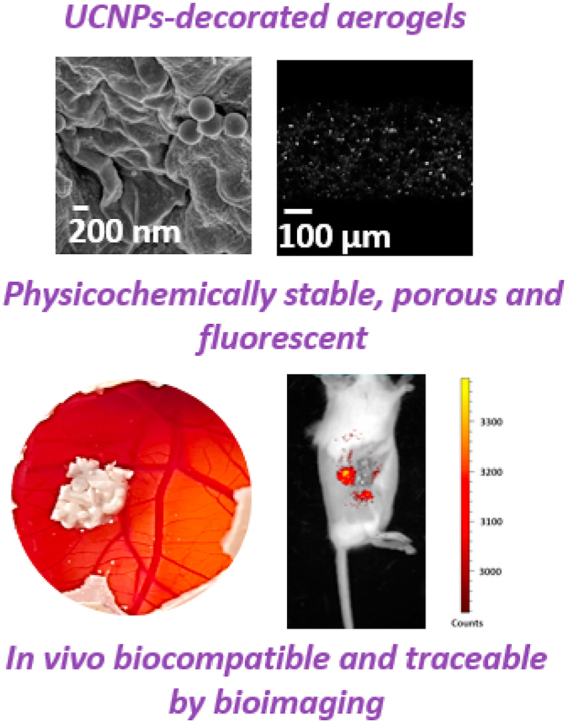
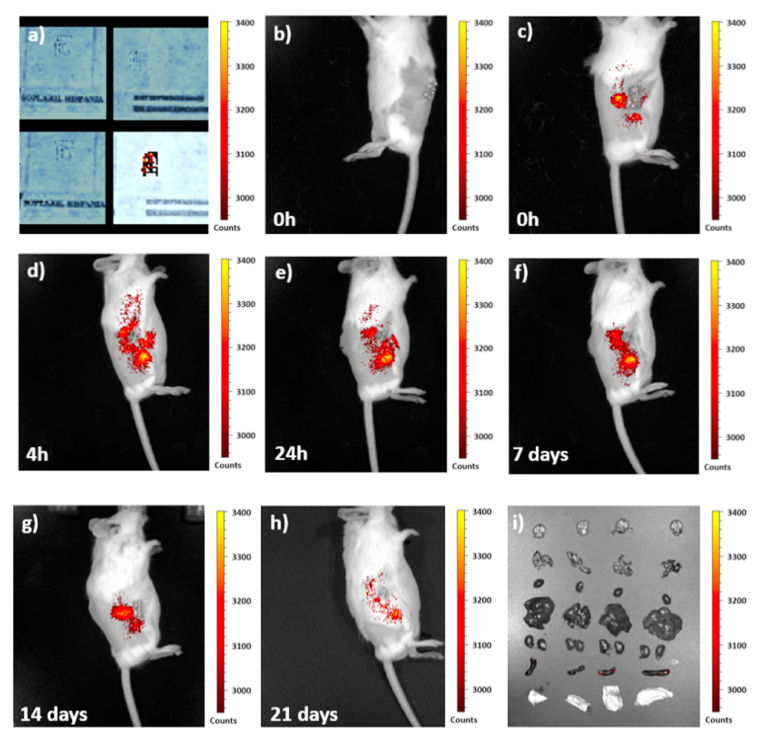
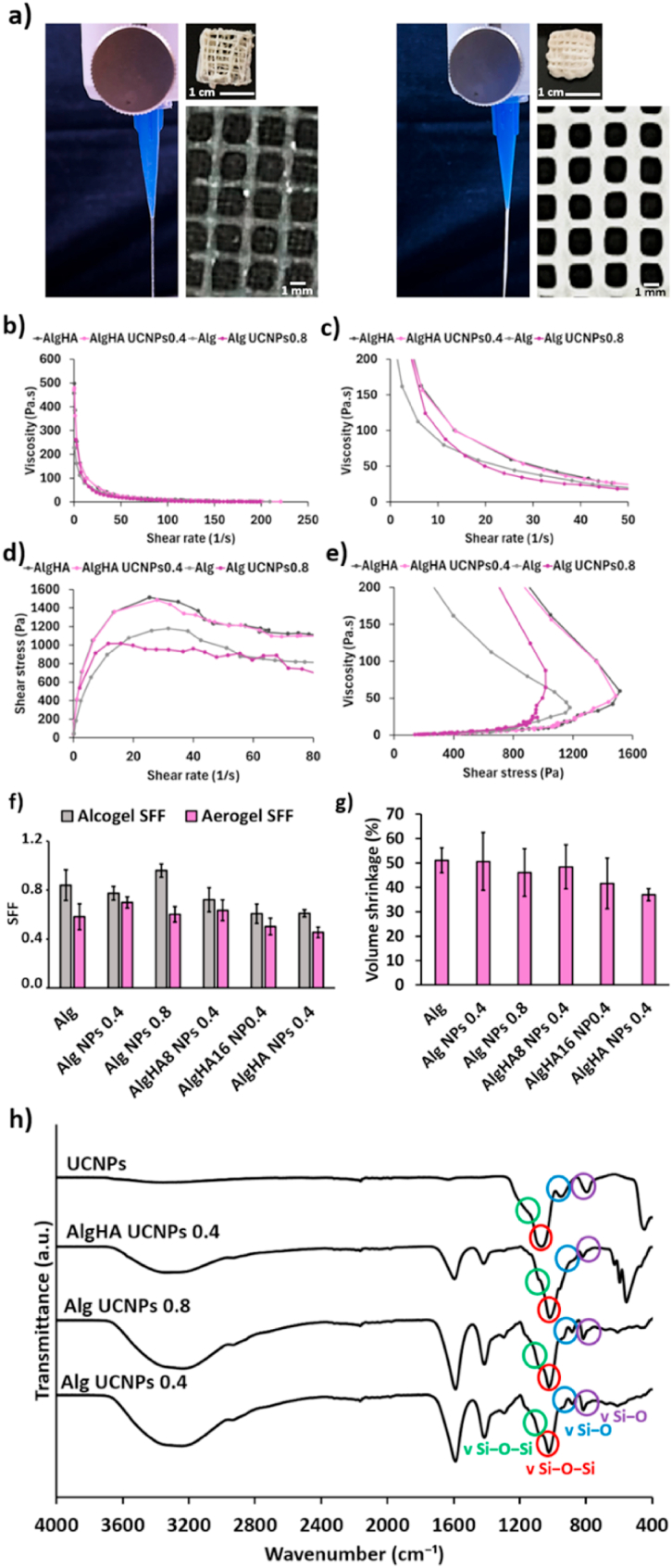
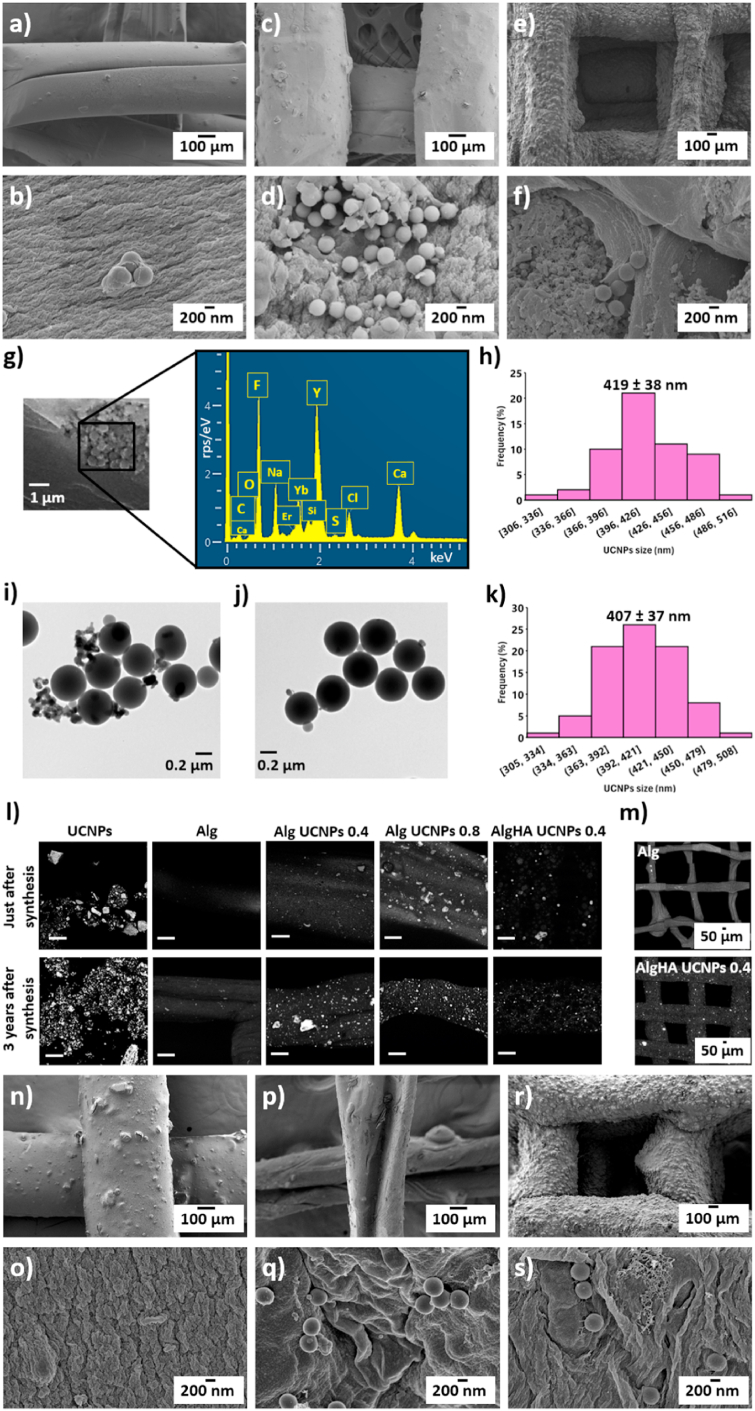
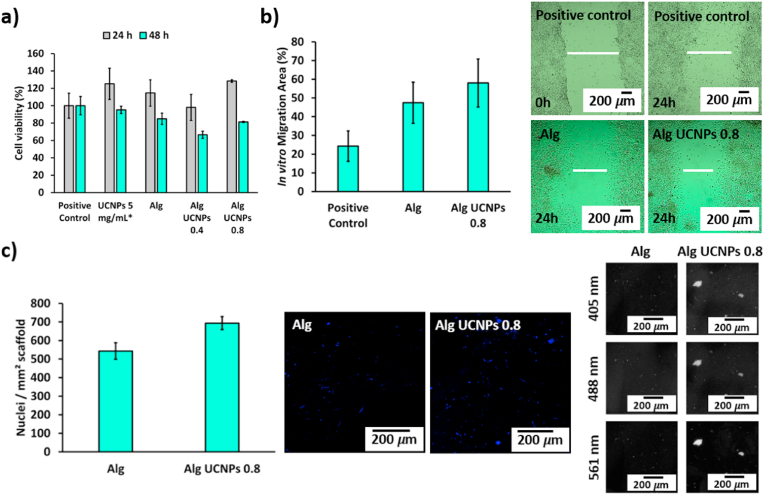
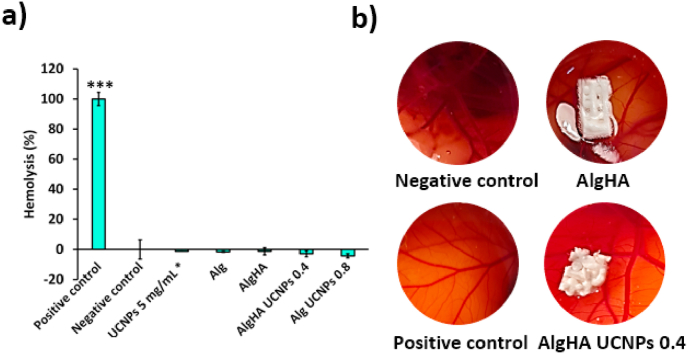
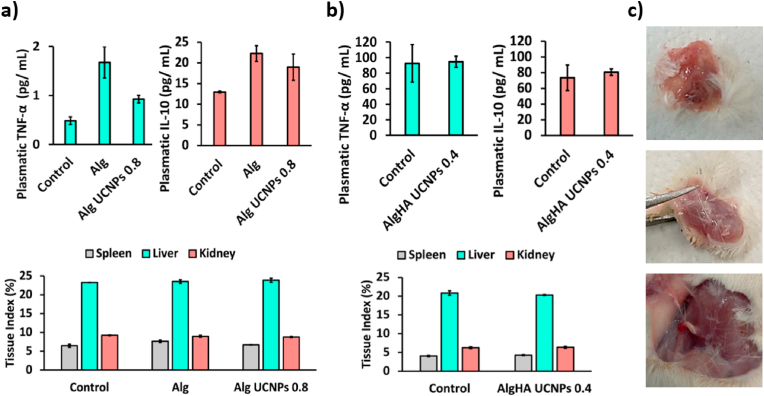
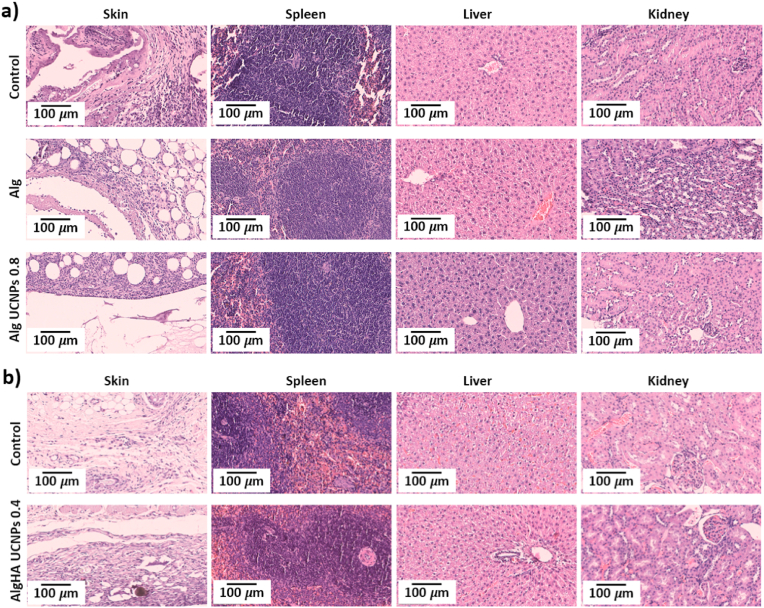
Aerogel scaffolds are nanostructured materials with beneficial properties for tissue engineering applications. The tracing of the state of the aerogels after their implantation is challenging due to their variable biodegradation rate and the lack of suitable strategies capable of monitoring the scaffolds. Upconversion nanoparticles (UCNPs) have emerged as advanced tools for bioimaging because of their fluorescence properties. In this work, highly fluorescent UCNPs were loaded into aerogels to obtain theranostic implants for tissue engineering and bioimaging applications. 3D-printed alginate-hydroxyapatite aerogels labeled with UCNPs were manufactured by 3D-printing and supercritical CO drying to generate personalize-to-patient aerogels. The physicochemical performance of the resulting structures was evaluated by printing fidelity measurements, nitrogen adsorption-desorption analysis, and different microscopies (confocal, transmission and scanning electron microscopies). Stability of the aerogels in terms of physicochemical properties was also tested after 3 years of storage. Biocompatibility was evaluated by different cell and hemocompatibility assays, and by safety and bioimaging studies using different murine models. Cytokines profile, tissue index and histological evaluations of the main organs unveiled an downregulation of the inflammation after implantation of the scaffolds. UCNPs-decorated aerogels were first-time manufactured and long-term traceable by fluorescence-based bioimaging until 3 weeks post-implantation, thereby endorsing their suitability as tissue engineering and theranostic nanodevices (i.e. bifunctional implants).
气凝胶支架是具有有利于组织工程应用特性的纳米结构材料。由于其可变的生物降解速率以及缺乏能够监测支架的合适策略,追踪气凝胶植入后的状态具有挑战性。上转换纳米粒子(UCNPs)因其荧光特性已成为生物成像的先进工具。在这项工作中,将高荧光性的UCNPs加载到气凝胶中,以获得用于组织工程和生物成像应用的治疗诊断植入物。通过3D打印和超临界CO2干燥制造了用UCNPs标记的3D打印藻酸盐 - 羟基磷灰石气凝胶,以生成针对患者个性化的气凝胶。通过打印保真度测量、氮吸附 - 解吸分析和不同的显微镜技术(共聚焦、透射和扫描电子显微镜)评估所得结构的物理化学性能。在储存3年后还测试了气凝胶在物理化学性质方面的稳定性。通过不同的细胞和血液相容性试验以及使用不同小鼠模型的安全性和生物成像研究来评估生物相容性。细胞因子谱、组织指数和主要器官的组织学评估揭示了支架植入后炎症的下调。首次制造了用UCNPs修饰的气凝胶,并通过基于荧光的生物成像对其进行长期追踪,直至植入后3周,从而证明了它们作为组织工程和治疗诊断纳米器件(即双功能植入物)的适用性。