He Fangfang, Liang Lu, Wang Huichun, Li Aijing, La Mencuo, Wang Yao, Zhang Xiaoting, Zou Denglang
School of Life Science, Qinghai Normal University, Xining, 810000, PR China.
Northwest Institute of Plateau Biology, Chinese Academy of Sciences, Xining, 810008, PR China.
Heliyon. 2024 Aug 6;10(16):e35860. doi: 10.1016/j.heliyon.2024.e35860. eCollection 2024 Aug 30.
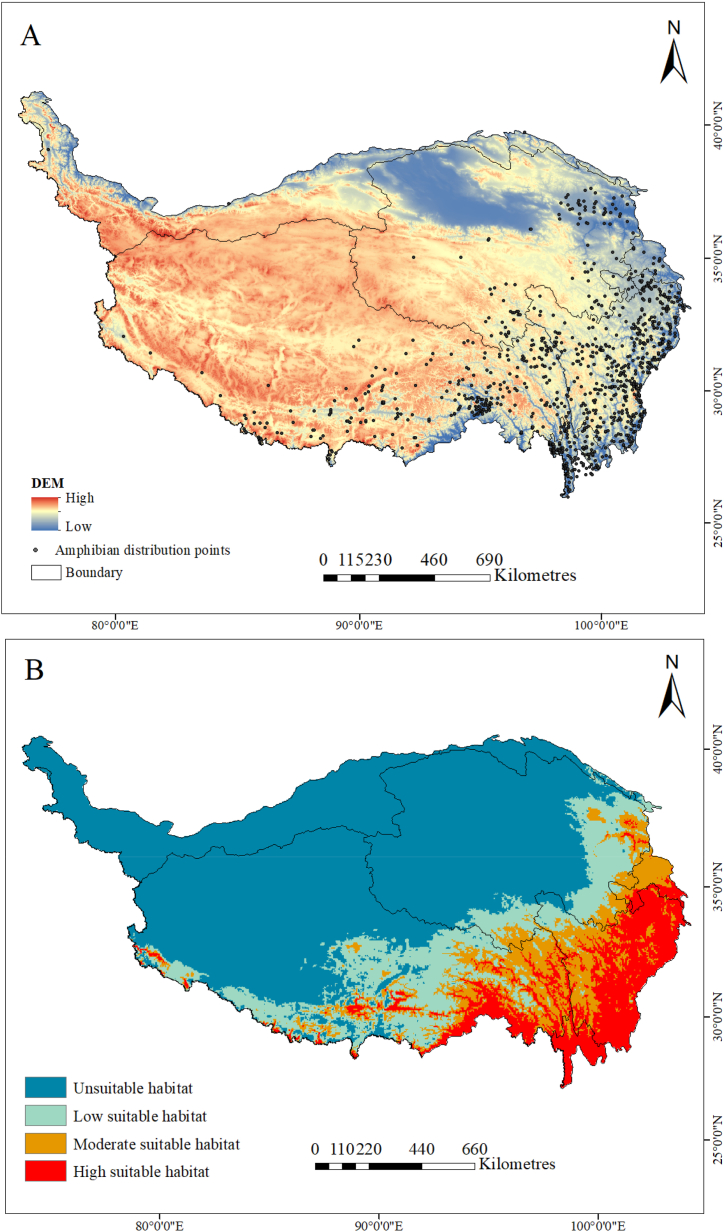
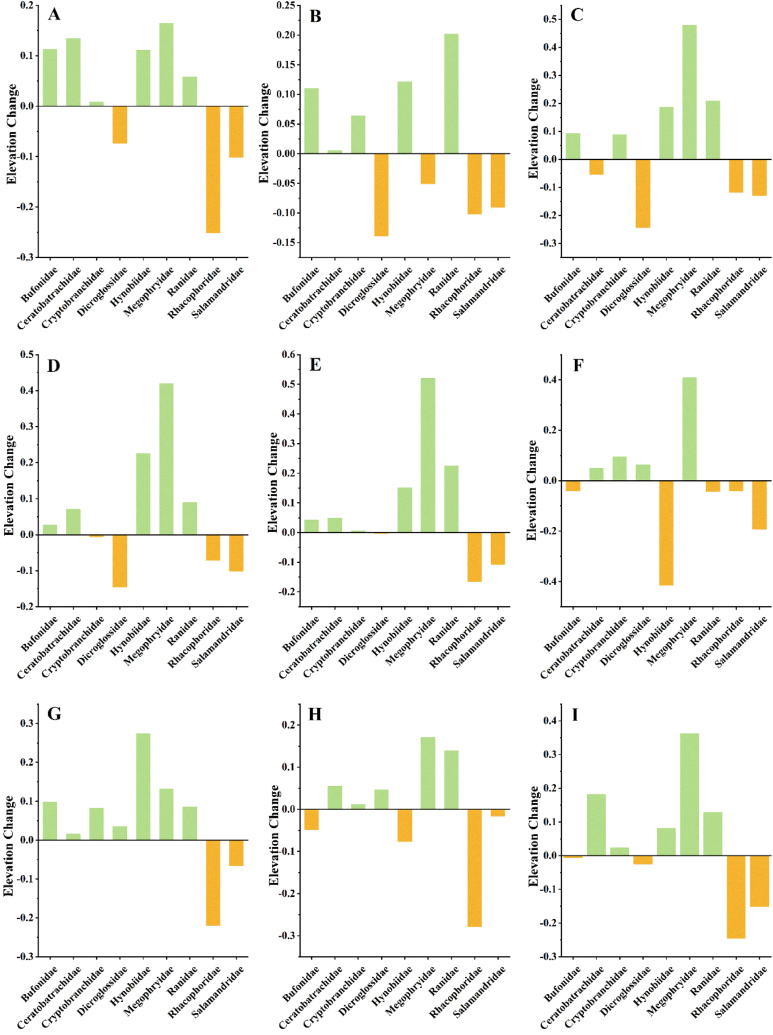
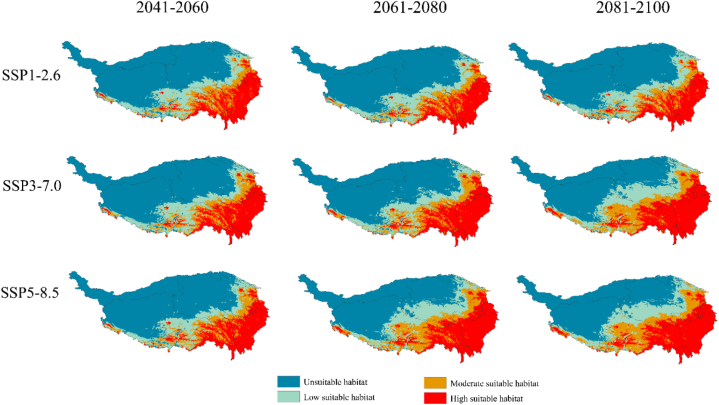
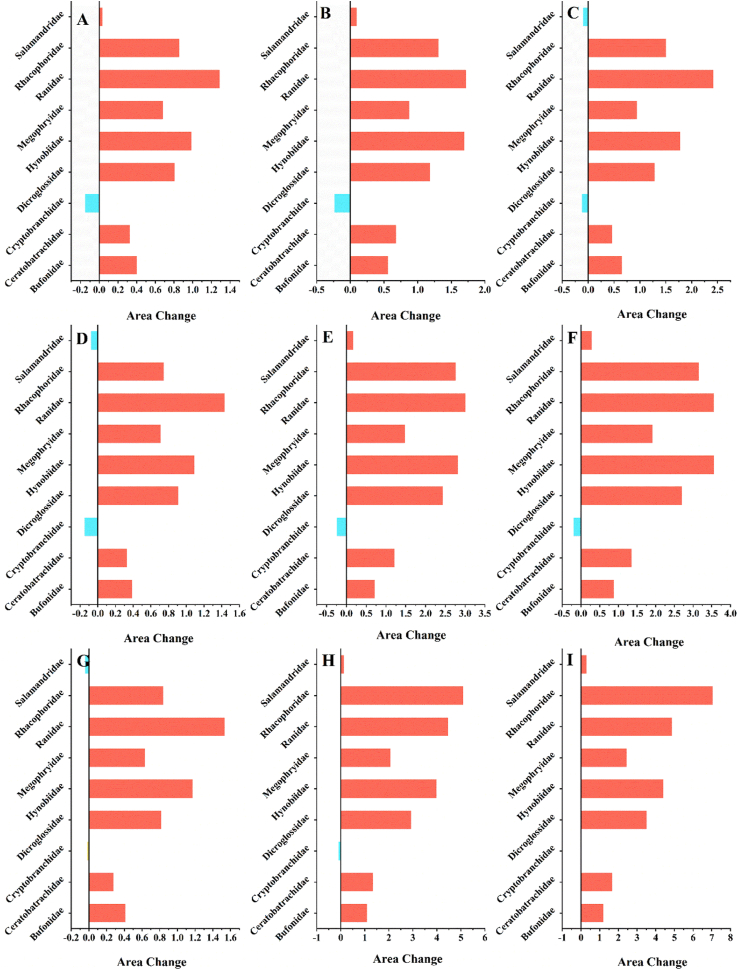
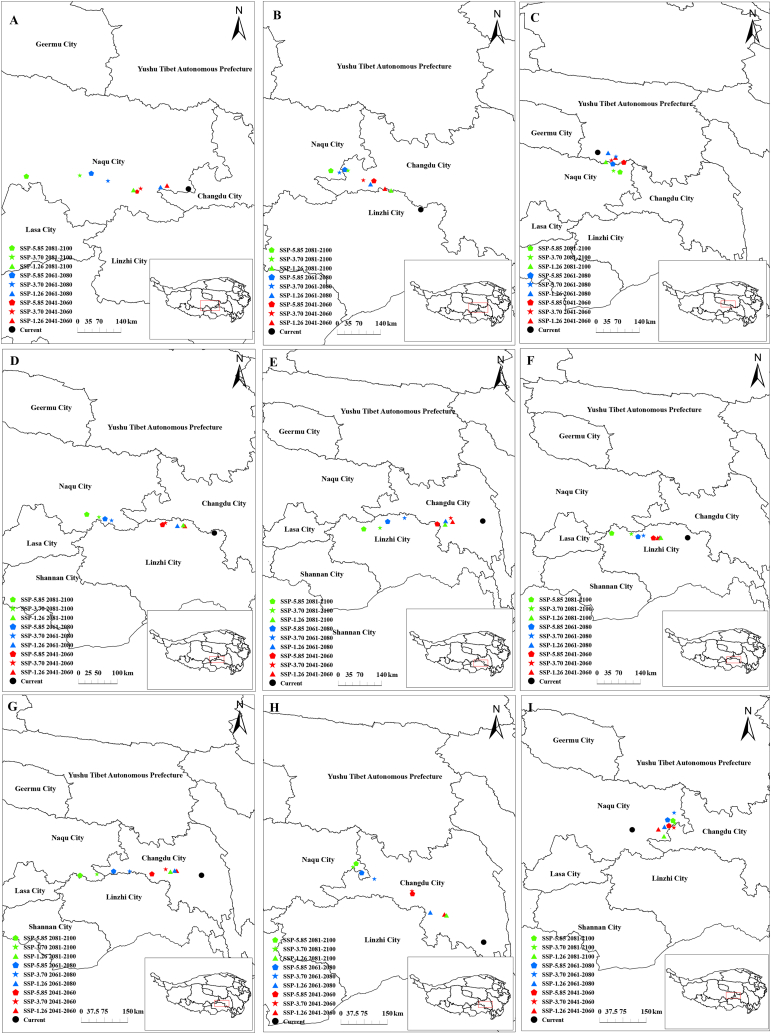
Amphibian populations are declining globally due to climate change. However, the impacts on the geographic distribution of amphibians on the Qinghai-Tibetan Plateau (QTP), a global biodiversity hotspot with 112 species of amphibians that is sensitive to global climate change, remains unclear. In this study, MaxEnt and barycentre shift analyses were performed to reveal the impact of climate change on the potential future habitats of amphibians on the QTP using the BCC-CSM2-MR global climate model of the Coupled Model Intercomparison Projects Phase 6 (CMIP6) climate pattern with three shared socioeconomic pathways (SSP). In contrast to the widespread decline in the amphibian population, the future scenarios projected an increase in most amphibian habitats on the QTP, accompanied by migration to higher elevations or latitudes under three climatic projections (SSP 1-2.6, 3-7.0, and 5-8.5). Average annual precipitation was the most crucial environmental variable impacting the future distribution of amphibians. The findings indicate that amphibians would flourish under climate change on the QTP, which is of great significance for the protection of amphibians and biodiversity on the QTP.
由于气候变化,全球两栖动物种群数量正在减少。然而,青藏高原作为一个全球生物多样性热点地区,有112种两栖动物,对全球气候变化敏感,气候变化对其两栖动物地理分布的影响仍不清楚。在本研究中,利用耦合模式比较计划第六阶段(CMIP6)气候模式的BCC-CSM2-MR全球气候模型和三种共享社会经济路径(SSP),进行了最大熵模型(MaxEnt)和重心转移分析,以揭示气候变化对青藏高原两栖动物潜在未来栖息地的影响。与两栖动物种群数量普遍下降相反,未来情景预测青藏高原上大多数两栖动物栖息地将增加,并且在三种气候预测(SSP 1-2.6、3-7.0和5-8.5)下会向更高海拔或纬度迁移。年平均降水量是影响两栖动物未来分布的最关键环境变量。研究结果表明,气候变化下青藏高原的两栖动物将蓬勃发展,这对保护青藏高原的两栖动物和生物多样性具有重要意义。