Serkan Güven, Hematologist, Department of Hematology, Çanakkale Mehmet Akif Ersoy State Hospital, Çanakkale, Turkey.
Department of Guidance and Psychological Counseling, Faculty of Education, Çanakkale Onsekiz Mart University, 17000, Çanakkale, Turkey.
Sci Rep. 2024 Sep 3;14(1):20510. doi: 10.1038/s41598-024-71772-x.
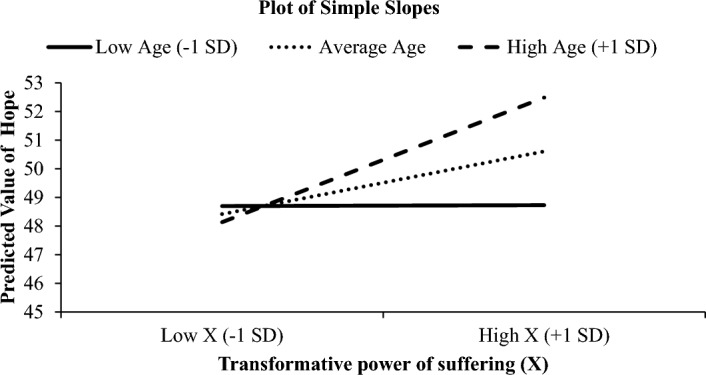
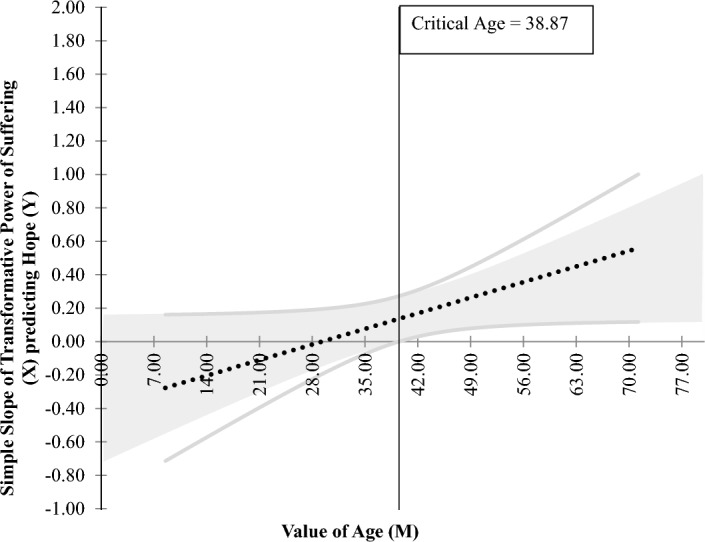
Cancer is a deadly disease that affects millions of people worldwide and is a source of great difficulty, stress, and trauma not only for patients but also for their caregivers. The physical and emotional suffering that patients experience by patients can lead their caregivers to cope with constant anxiety, sadness, and uncertainty. Moreover, during the cancer treatment process, caregivers must make a great effort to meet the needs of patients and support them. This situation may negatively affect the quality of life and psychological health of cancer patients' caregivers and may lead them to experience trauma. The aim of this cross-sectional study was to examine posttraumatic growth's relationship with age, the transformative power of suffering, and hope in family caregivers of cancer patients. Participants consisted of 314 Turkish family caregivers of cancer patients (73.2% women; M = 39.89 years) selected by using convenience sampling method. Participants answered a data collection tool consisting of a demographic information form, the Posttraumatic Growth Inventory, Trait Hope Scale, and Transformative Power of Suffering Scale. Data were analyzed using descriptive statistics, the Pearson product-moment correlation coefficient analysis, simple mediation analysis, and moderated mediation analysis. The results of this study revealed that hope mediated the association between the transformative power of suffering and posttraumatic growth in family caregivers of cancer patients, whereas age moderated this relationship. Psychosocial support programs for cancer caregivers could benefit from incorporating interventions that explore the transformative potential of suffering and cultivate hope. Tailoring these interventions to address the specific needs of different age groups may enhance their effectiveness. Future researchers should investigate the factors associated with posttraumatic growth in caregivers across diverse cultures, age ranges, and cancer diagnoses.
癌症是一种致命的疾病,影响着全球数百万人,不仅给患者,也给他们的照顾者带来了巨大的困难、压力和创伤。患者所经历的身体和情感痛苦可能导致照顾者不断感到焦虑、悲伤和不确定。此外,在癌症治疗过程中,照顾者必须努力满足患者的需求并支持他们。这种情况可能会对癌症患者照顾者的生活质量和心理健康产生负面影响,并导致他们经历创伤。本横断面研究旨在探讨创伤后成长与年龄、苦难的转化力量和癌症患者家庭照顾者希望之间的关系。参与者包括 314 名土耳其癌症患者家庭照顾者(73.2%为女性;M=39.89 岁),他们是通过方便抽样法选择的。参与者回答了一个由人口统计学信息表、创伤后成长量表、特质希望量表和苦难转化力量量表组成的数据集。使用描述性统计、皮尔逊积差相关系数分析、简单中介分析和调节中介分析对数据进行了分析。本研究的结果表明,希望在癌症患者家庭照顾者苦难转化力量与创伤后成长之间起中介作用,而年龄则调节了这种关系。癌症照顾者的心理社会支持计划可以受益于纳入探索苦难转化潜力和培养希望的干预措施。针对不同年龄组的特定需求来调整这些干预措施可能会提高其效果。未来的研究人员应该调查与不同文化、年龄范围和癌症诊断相关的照顾者创伤后成长的因素。