Department of Emergency Surgery, Union Hospital, Tongji Medical College, Huazhong University of Science and Technology, Wuhan 430022, China.
Int J Biol Sci. 2024 Aug 12;20(11):4341-4363. doi: 10.7150/ijbs.94440. eCollection 2024.
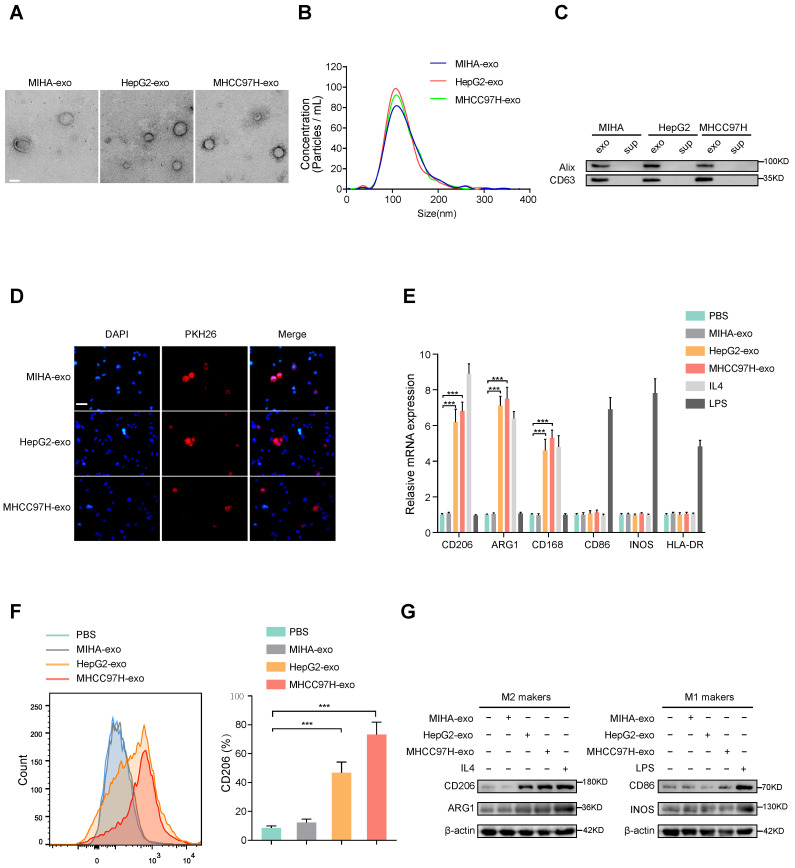
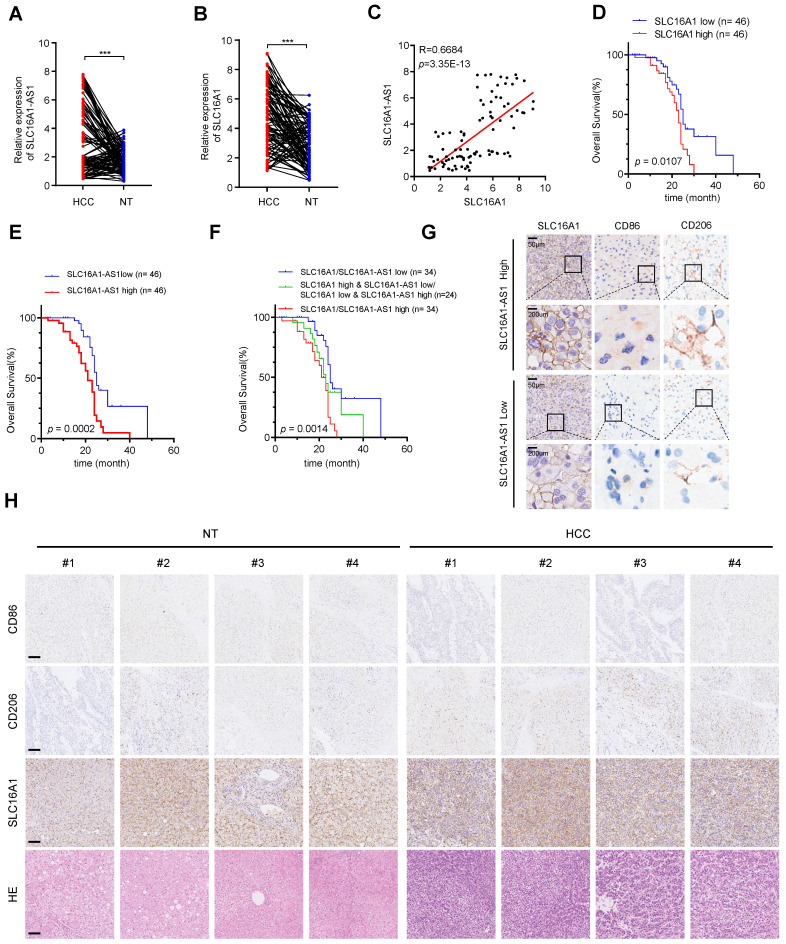
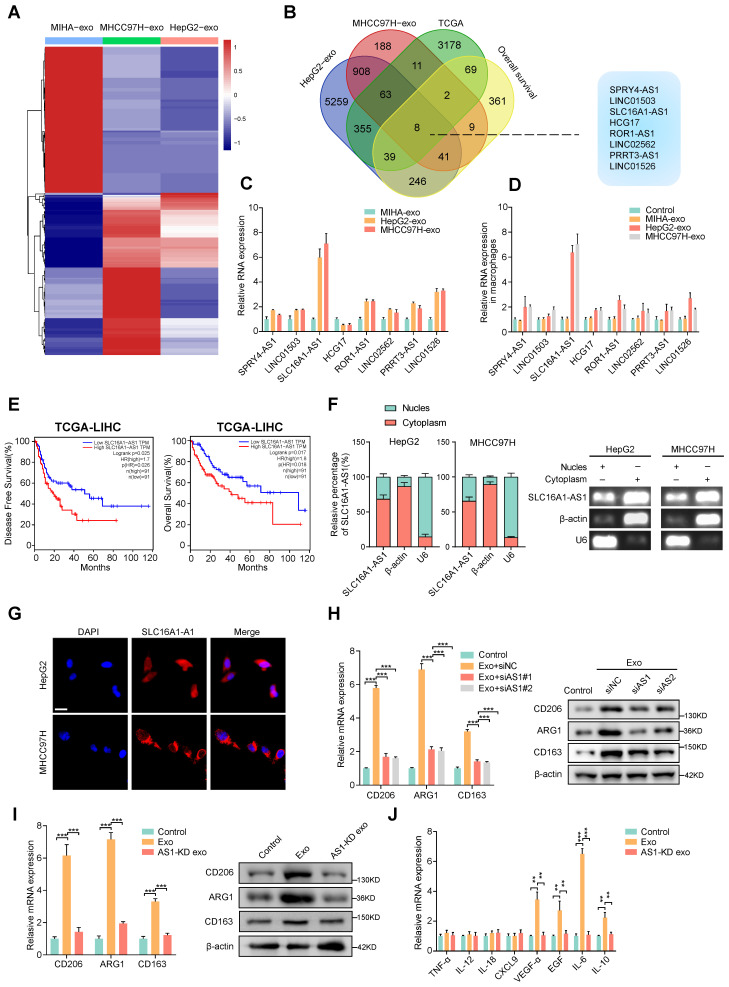
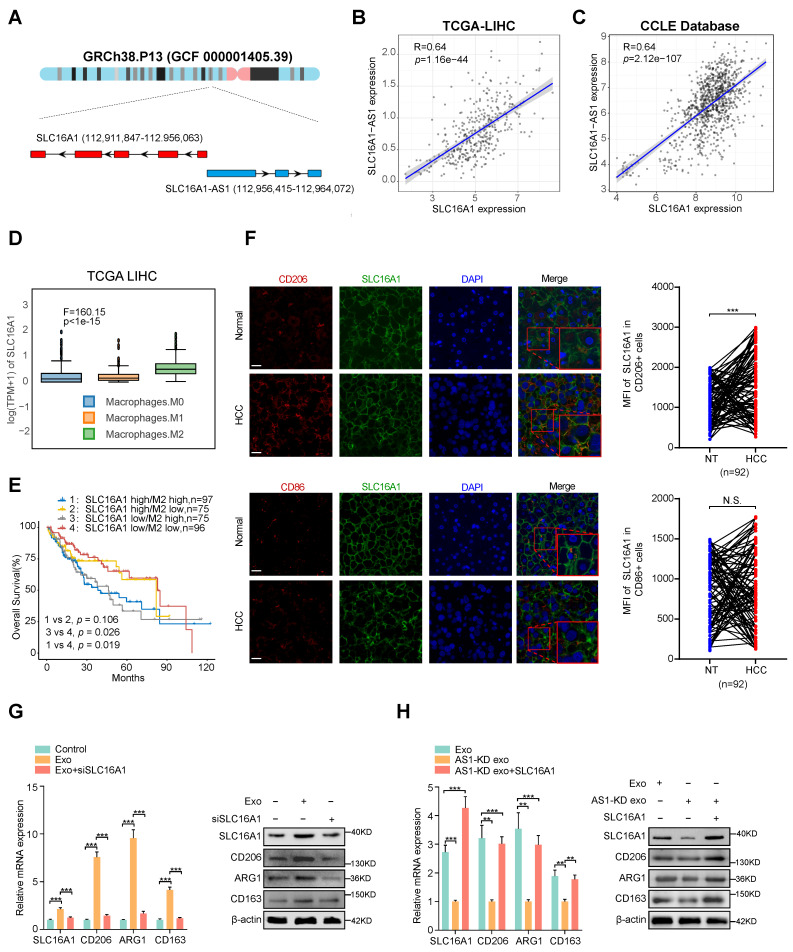
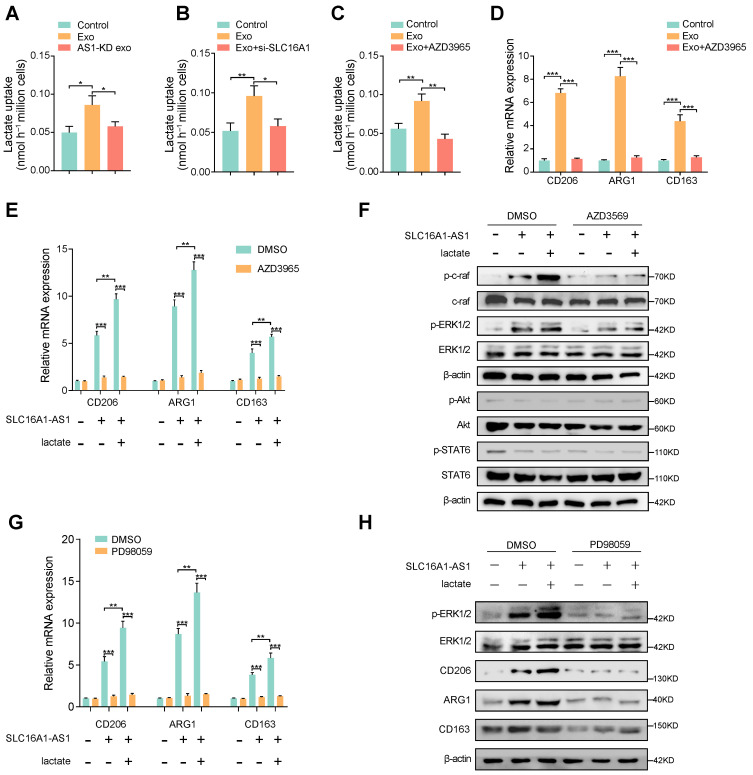
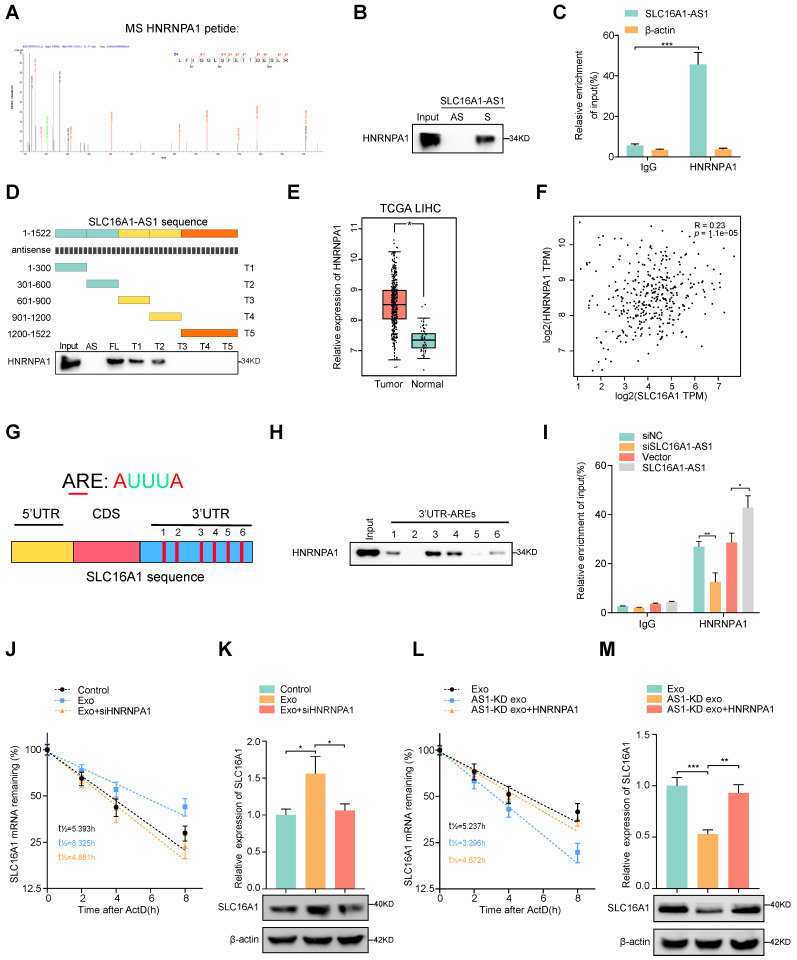
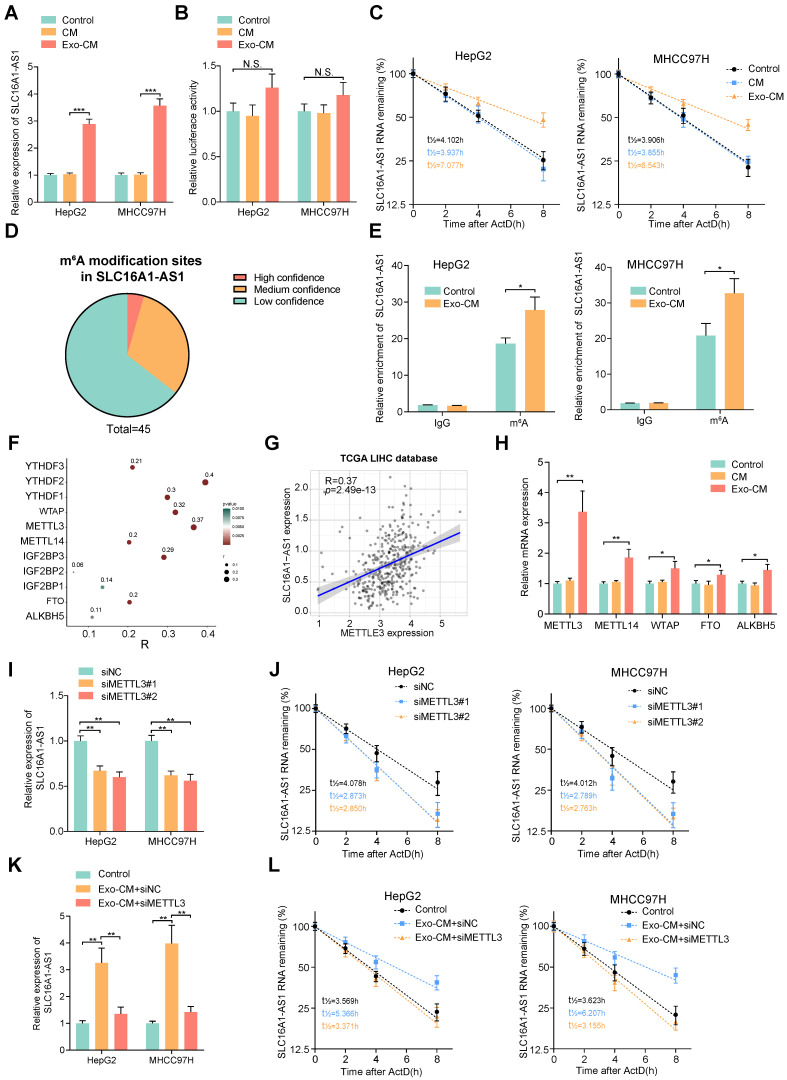
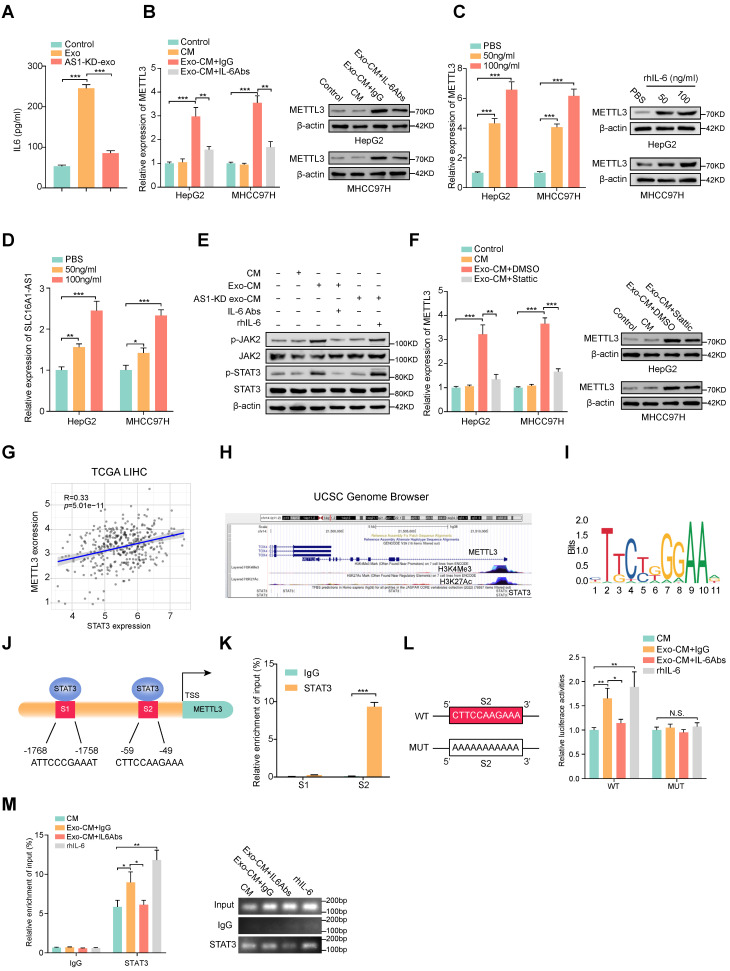
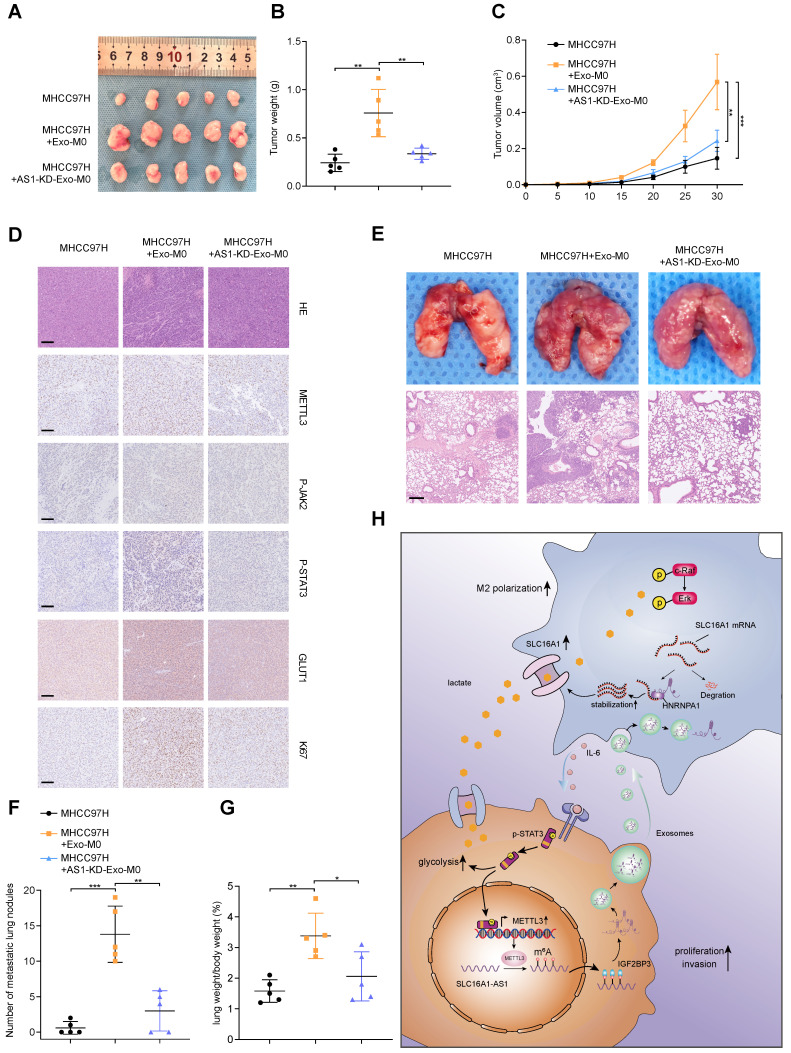
Macrophages are the most abundant alternative immune cells in the tumor microenvironment (TME). The cross-talk between macrophages and tumor cells provides an important shelter for the occurrence and development of tumors. As an important information transfer medium, exosomes play an important role in intercellular communication. Nonetheless, how exosomal lncRNAs coordinate the communication between tumor cells and immune cells in hepatocellular carcinoma (HCC) is incompletely understood. We found that HCC exosomes-derived antisense RNA of SLC16A1(SLC16A1-AS1) promoted the malignant progression of HCC by regulating macrophage M2-type polarization. Mechanistically, the HCC exosomal SLC16A1-AS1 enhanced mRNA stabilization of SLC16A1 in macrophage by promoting the interaction between 3' untranslated regions (3'UTR) of SLC16A1 mRNA and heterogeneous nuclear ribonucleoprotein A1 (HNRNPA1). As a lactate transporter, SLC16A1 accelerated lactate influx and then activated c-Raf/ERK signaling to induce M2 polarization of macrophages. Reciprocally, M2 macrophages secreted IL-6 to activate STAT3 and then induce METTL3 transcription in HCC cells, which increasing m6A methylation and stabilization of SLC16A1-AS1. In turn, the reciprocal SLC16A1-AS1/IL-6 signaling between HCC cells and M2 macrophages promoted the proliferation, invasion and glycolysis of HCC cells. Our study highlights that exosomal SLC16A1-AS1 acts as a signaling message that induces lactate-mediated M2 polarization of macrophages, and implies that SLC16A1-AS1 might be an applicable target for therapeutic treatment of HCC.
巨噬细胞是肿瘤微环境 (TME) 中最丰富的替代免疫细胞。巨噬细胞与肿瘤细胞之间的串扰为肿瘤的发生和发展提供了重要的庇护所。作为一种重要的信息传递介质,外泌体在细胞间通讯中发挥着重要作用。然而,外泌体长非编码 RNA 如何协调肝癌 (HCC) 中肿瘤细胞与免疫细胞之间的通讯尚不完全清楚。我们发现 HCC 来源的外泌体反义 RNA of SLC16A1(SLC16A1-AS1) 通过调节巨噬细胞 M2 型极化促进 HCC 的恶性进展。在机制上,HCC 外泌体 SLC16A1-AS1 通过促进 SLC16A1 mRNA 的 3'非翻译区 (3'UTR) 与异质核核糖核蛋白 A1 (HNRNPA1) 之间的相互作用,增强了巨噬细胞中 SLC16A1 的 mRNA 稳定性。作为一种乳酸转运体,SLC16A1 加速乳酸内流,然后激活 c-Raf/ERK 信号通路,诱导巨噬细胞 M2 极化。反过来,M2 巨噬细胞分泌白细胞介素 6 (IL-6) 激活 STAT3,然后在 HCC 细胞中诱导 METTL3 转录,增加 SLC16A1-AS1 的 m6A 甲基化和稳定性。反过来,HCC 细胞和 M2 巨噬细胞之间的 SLC16A1-AS1/IL-6 信号的相互作用促进了 HCC 细胞的增殖、侵袭和糖酵解。我们的研究强调了外泌体 SLC16A1-AS1 作为一种信号分子,诱导乳酸介导的巨噬细胞 M2 极化,这意味着 SLC16A1-AS1 可能是 HCC 治疗的一个有应用前景的靶点。