Talwar Devki N, Haraldsen Jason T
Department of Physics, University of North Florida, 1 UNF Drive, Jacksonville, FL 32224-7699, USA.
Department of Physics, Indiana University of Pennsylvania, 975 Oakland Avenue, 56 Weyandt Hall, Indiana, PA 15705-1087, USA.
Nanomaterials (Basel). 2024 Sep 3;14(17):1439. doi: 10.3390/nano14171439.
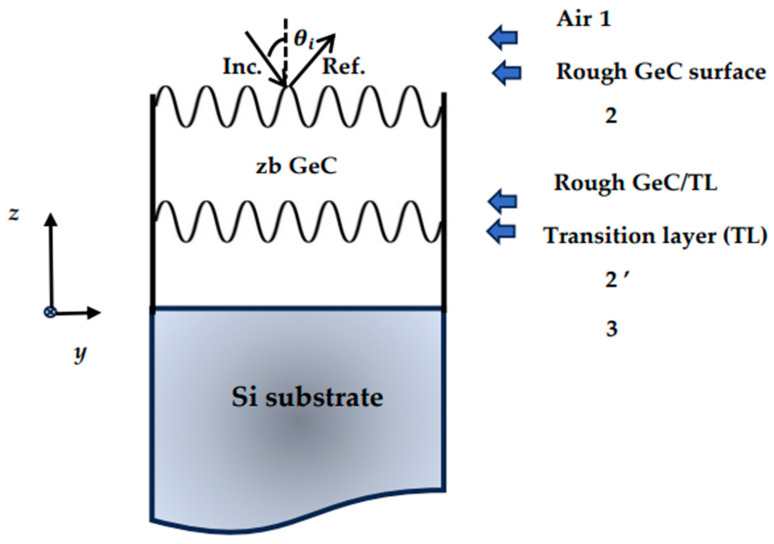
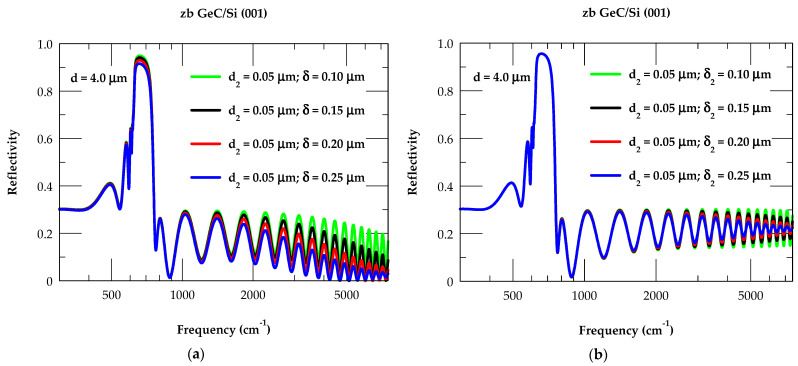
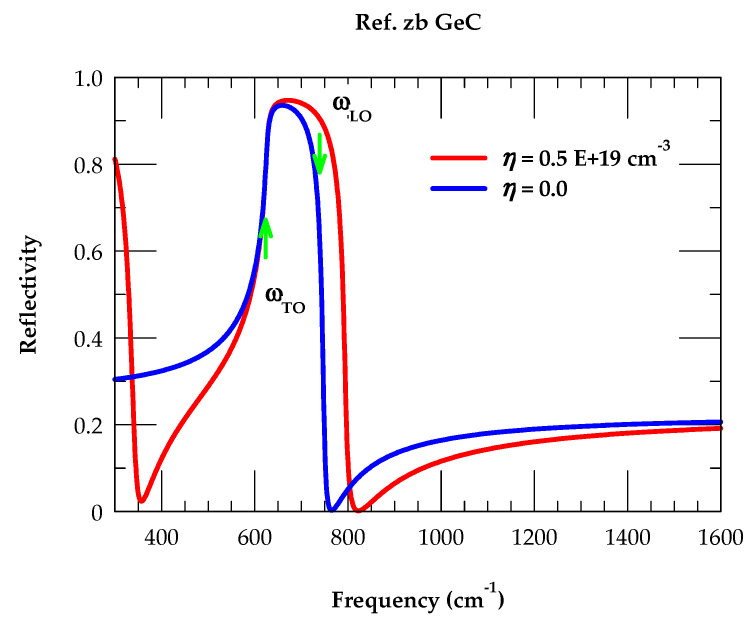
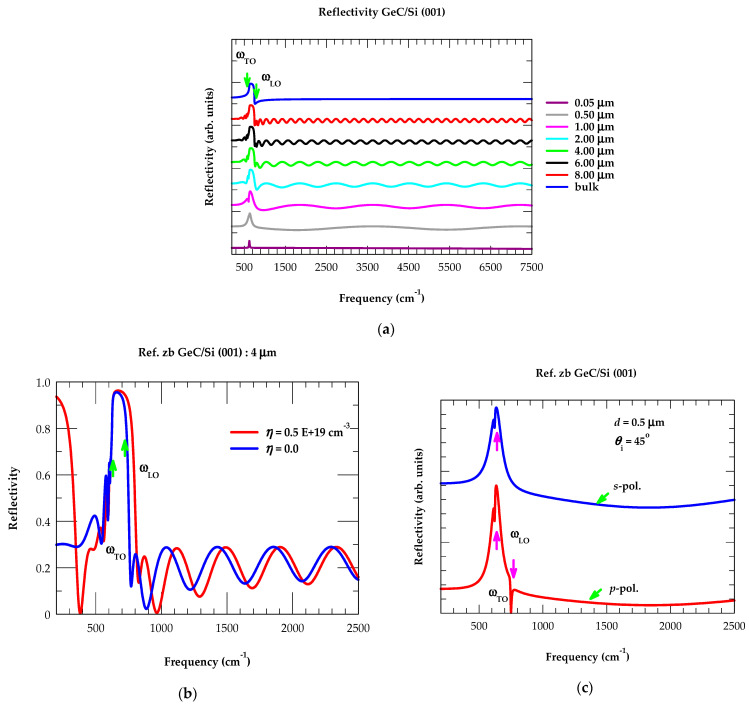
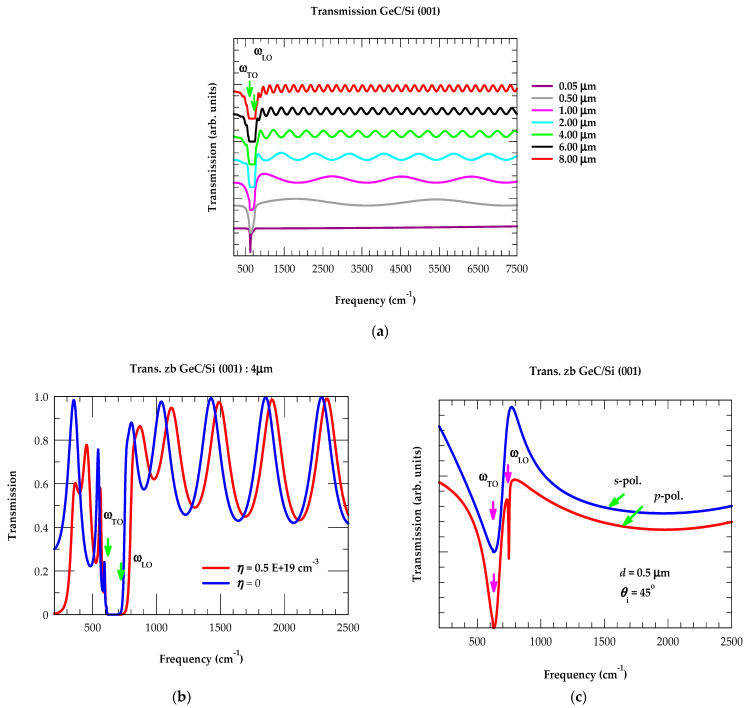
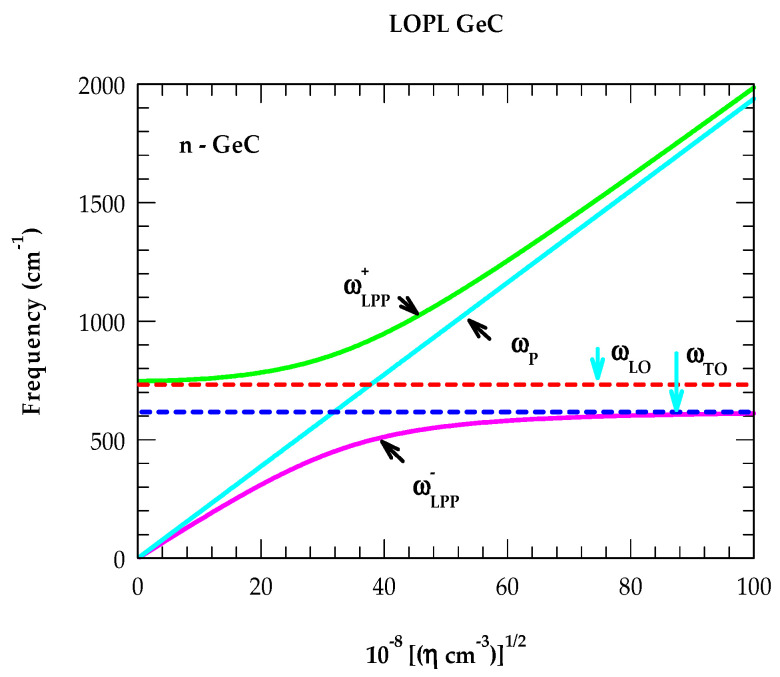
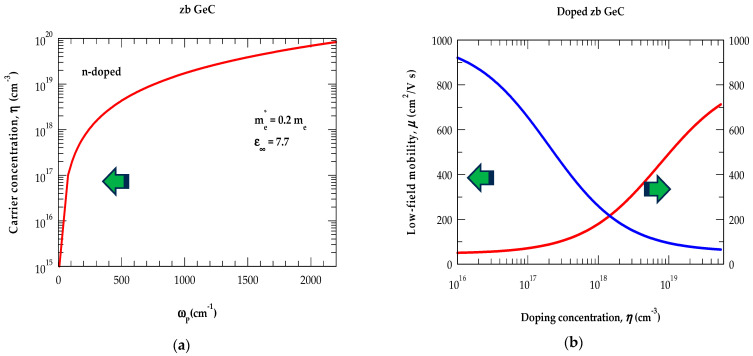
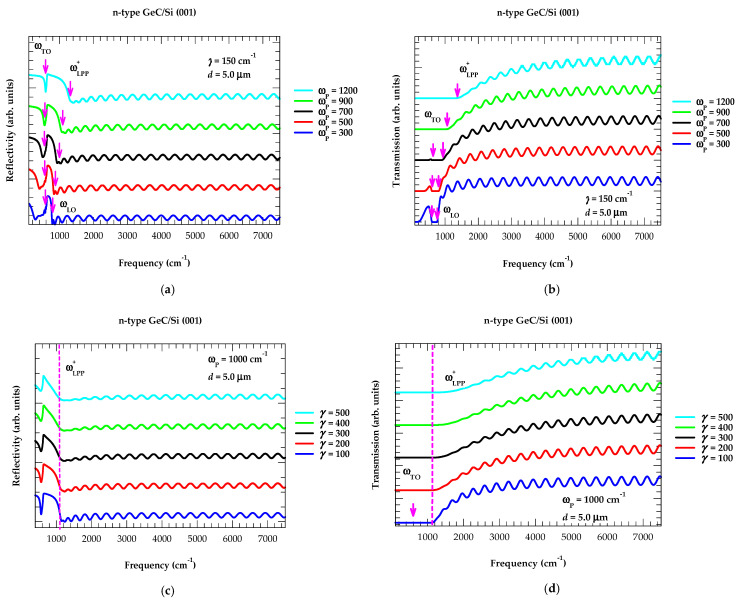
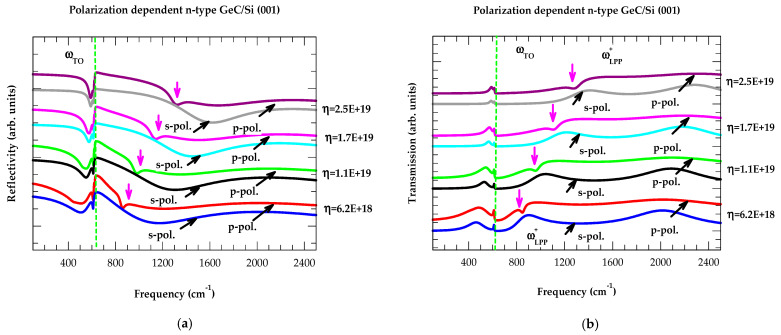
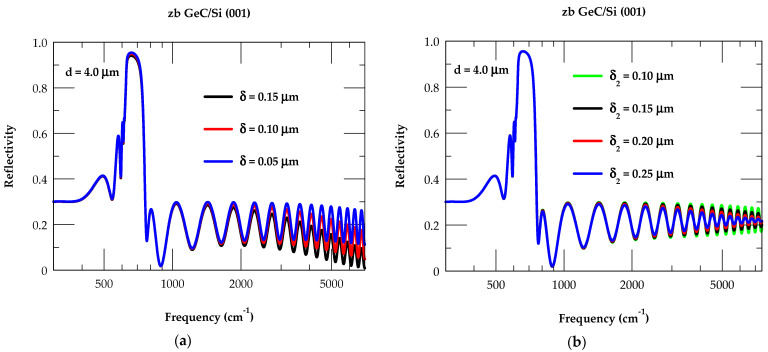
Exploring the phonon characteristics of novel group-IV binary XC (X = Si, Ge, Sn) carbides and their polymorphs has recently gained considerable scientific/technological interest as promising alternatives to Si for high-temperature, high-power, optoelectronic, gas-sensing, and photovoltaic applications. Historically, the effects of phonons on materials were considered to be a hindrance. However, modern research has confirmed that the coupling of phonons in solids initiates excitations, causing several impacts on their thermal, dielectric, and electronic properties. These studies have motivated many scientists to design low-dimensional heterostructures and investigate their lattice dynamical properties. Proper simulation/characterization of phonons in XC materials and ultrathin epilayers has been challenging. Achieving the high crystalline quality of heteroepitaxial multilayer films on different substrates with flat surfaces, intra-wafer, and wafer-to-wafer uniformity is not only inspiring but crucial for their use as functional components to boost the performance of different nano-optoelectronic devices. Despite many efforts in growing strained zinc-blende (zb) GeC/Si (001) epifilms, no IR measurements exist to monitor the effects of surface roughness on spectral interference fringes. Here, we emphasize the importance of infrared reflectivity Rω and transmission Tω spectroscopy at near normal θ = 0 and oblique θ ≠ 0 incidence (Berreman effect) for comprehending the phonon characteristics of both undoped and doped GeC/Si (001) epilayers. Methodical simulations of Rω and Tω revealing atypical fringe contrasts in ultrathin GeC/Si are linked to the conducting transition layer and/or surface roughness. This research provided strong perspectives that the Berreman effect can complement Raman scattering spectroscopy for allowing the identification of longitudinal optical ωLO phonons, transverse optical ωTO phonons, and LO-phonon-plasmon coupled ωLPP+ modes, respectively.
探索新型IV族二元碳化物XC(X = Si、Ge、Sn)及其多晶型物的声子特性,最近已引起了相当大的科学/技术兴趣,因为它们有望成为用于高温、高功率、光电子、气敏和光伏应用的硅的替代材料。从历史上看,声子对材料的影响被认为是一种阻碍。然而,现代研究已经证实,固体中声子的耦合会引发激发,对其热学、介电和电子性质产生多种影响。这些研究促使许多科学家设计低维异质结构并研究其晶格动力学性质。对XC材料和超薄外延层中的声子进行适当的模拟/表征一直具有挑战性。在具有平坦表面、片内和片间均匀性的不同衬底上实现异质外延多层膜的高结晶质量,不仅具有启发性,而且对于将其用作功能组件以提高不同纳米光电器件的性能至关重要。尽管在生长应变闪锌矿(zb)GeC/Si(001)外延膜方面付出了很多努力,但尚无红外测量来监测表面粗糙度对光谱干涉条纹的影响。在这里,我们强调了在近法线θ = 0和倾斜θ ≠ 0入射角(贝里曼效应)下红外反射率Rω和透射率Tω光谱对于理解未掺杂和掺杂的GeC/Si(001)外延层的声子特性的重要性。对Rω和Tω的系统模拟揭示了超薄GeC/Si中非典型的条纹对比度,这与导电过渡层和/或表面粗糙度有关。这项研究提供了有力的观点,即贝里曼效应可以补充拉曼散射光谱,分别用于识别纵向光学ωLO声子、横向光学ωTO声子和LO-声子-等离子体耦合ωLPP+模式。