Department of Surgical Dentistry and Implantology of the N.D. Yushchuk Institute of Continuing Professional Education, Russian University of Medicine of the Ministry of Health of the Russian Federation, 4 Dolgorukovskaya St., 127006 Moscow, Russia.
National Research Centre "Kurchatov Institute", 59 Leninskiy Prospekt, 119333 Moscow, Russia.
Int J Mol Sci. 2024 Sep 5;25(17):9609. doi: 10.3390/ijms25179609.
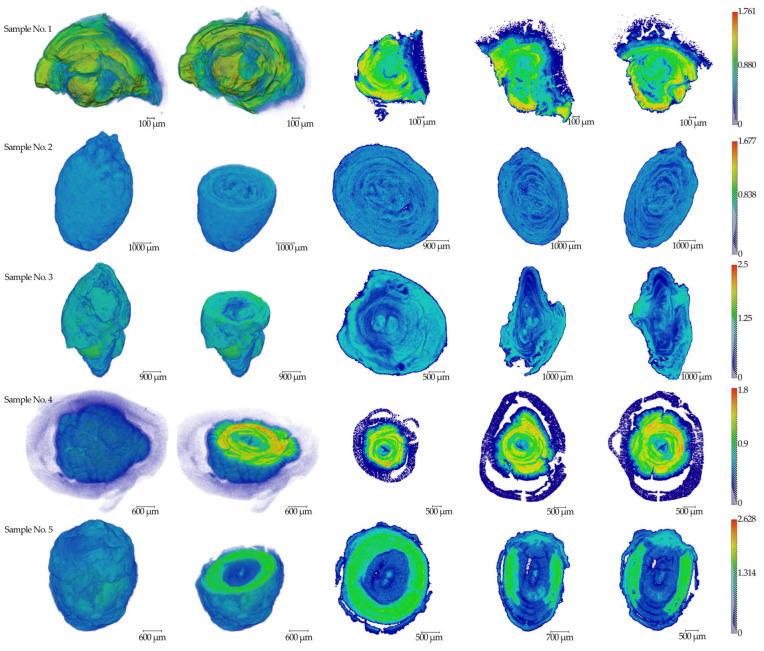
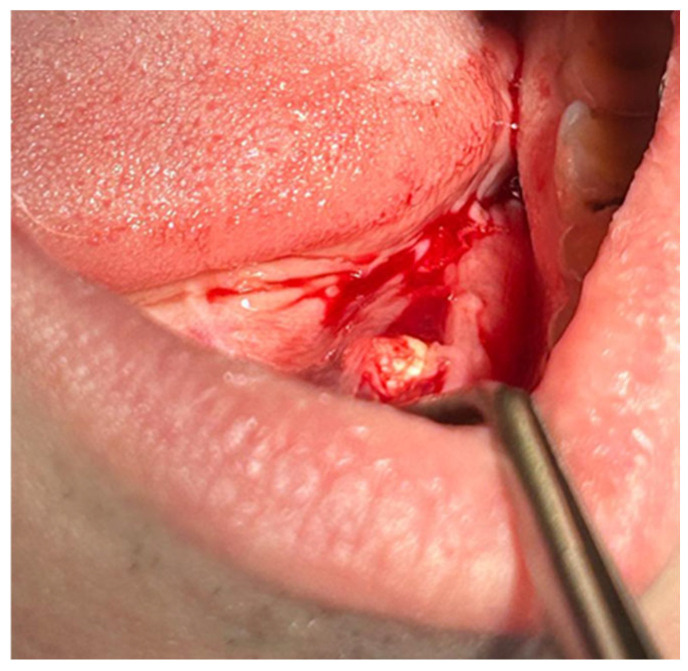
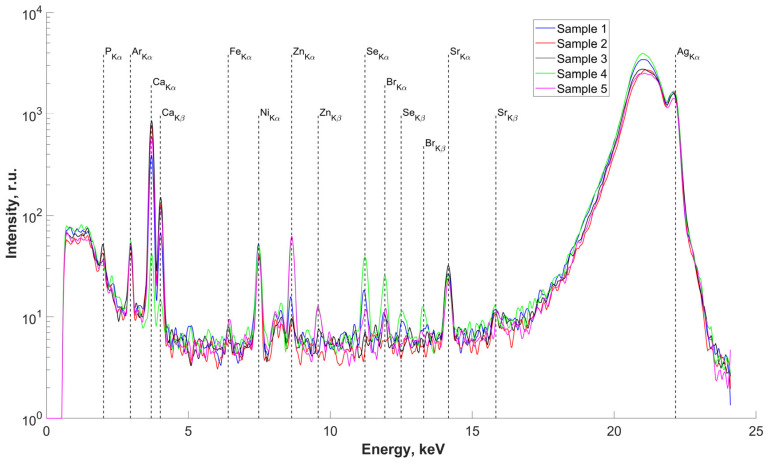
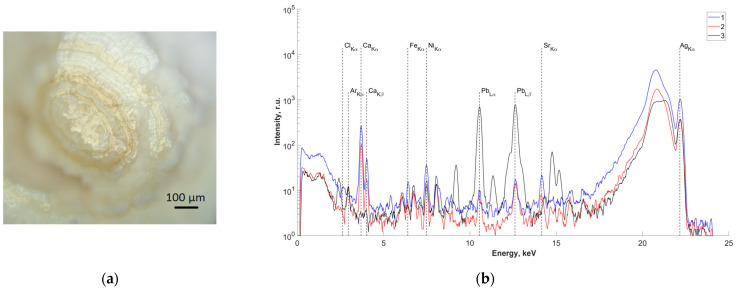
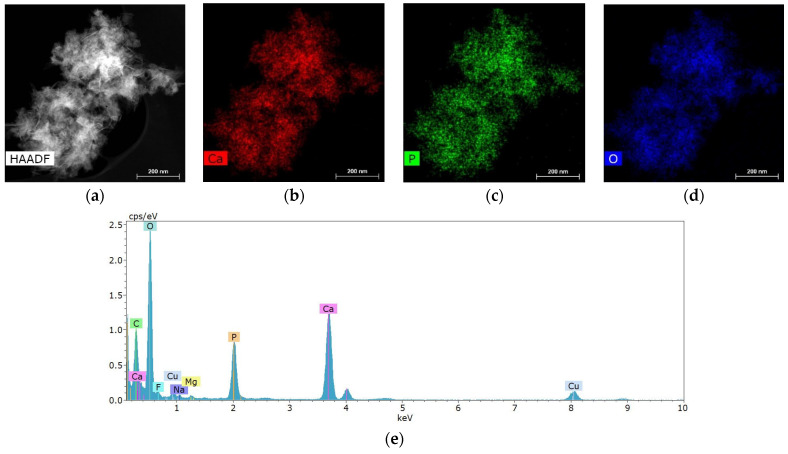
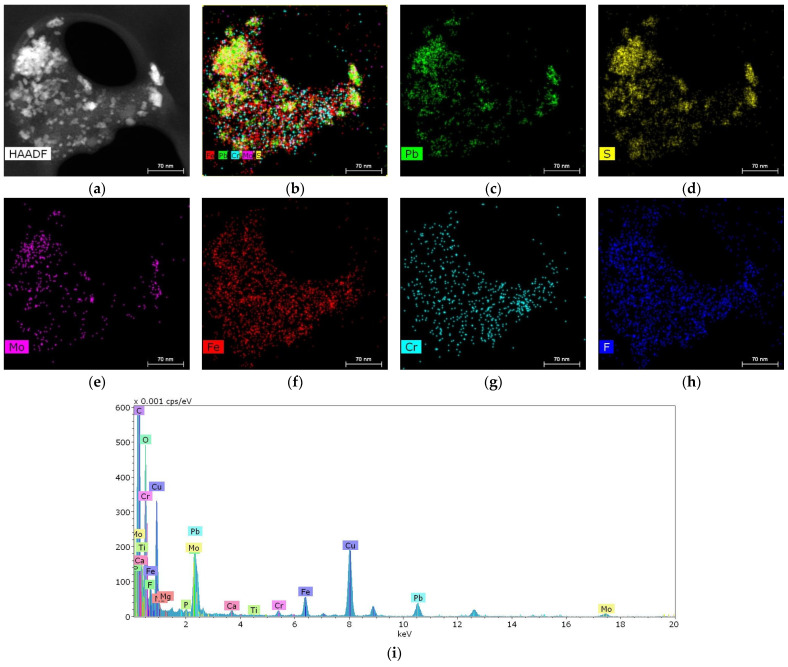
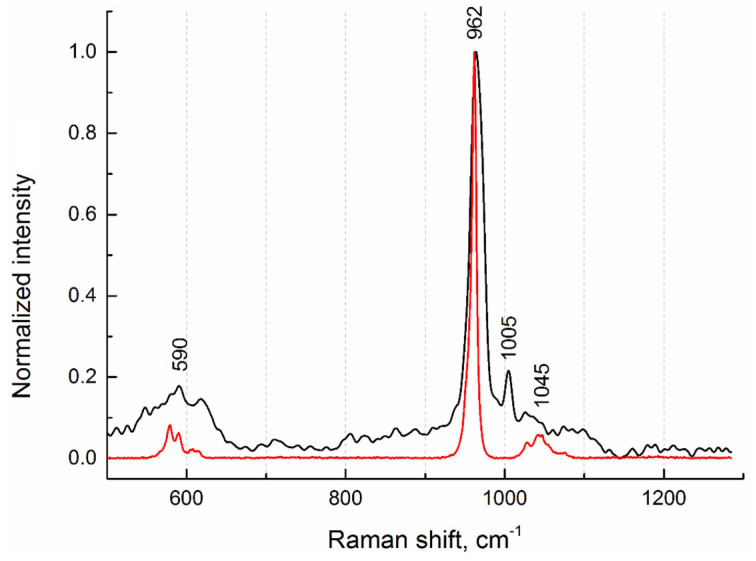
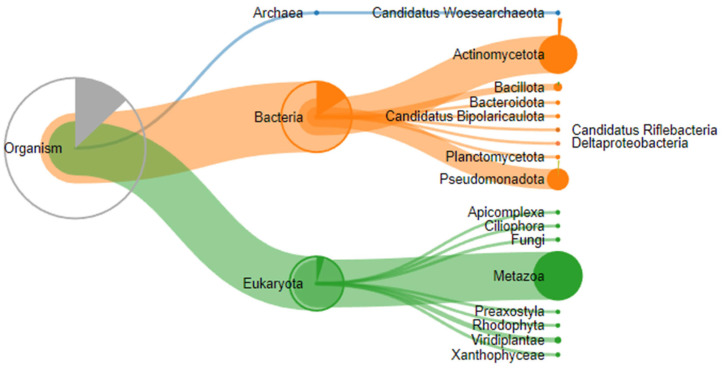
The process of stone formation in the human body remains incompletely understood, which requires clinical and laboratory studies and the formulation of a new endogenous, nanotechnological concept of the mechanism of origin and formation of crystallization centers. Previously, the mechanism of sialolithiasis was considered a congenital disease associated with the pathology of the ducts in the structure of the glands themselves. To date, such morphological changes of congenital nature can be considered from the position of the intrauterine formation of endogenous bacterial infections complicated by the migration of antigenic structures initiating the formation of crystallization centers. The present work is devoted to the study of the morphology and composition of stones obtained as a result of surgical interventions for sialolithiasis. Presumably, nanoparticles of metals and other chemical compounds can be structural components of crystallization centers or incorporated into the conditions of chronic endogenous inflammation and the composition of antigenic structures, in complexes with protein and bacterial components. X-ray microtomography, X-ray fluorescence analysis, scanning transmission electron microscopy and microanalysis, mass spectrometry, and Raman spectroscopy were used to study the pathogenesis of stone formation. Immunoglobulins (Igs) of classes A and G, as well as nanoparticles of metals Pb, Fe, Cr, and Mo, were found in the internal structure of the stones. The complex of antigenic structures was an ovoid calcified layered matrix of polyvid microbial biofilms, with the inclusion of metal nanoparticles and chemical elements, as well as immunoglobulins. The obtained results of clinical and laboratory studies allow us to broaden the view on the pathogenesis of stone formation and suggest that the occurrence of the calcification of antigenic structures may be associated with the formation of IgG4-associated disease.
人体结石形成的过程仍不完全清楚,这需要临床和实验室研究,并提出新的内源性、纳米技术概念来解释结晶中心的起源和形成机制。以前,涎石病的发病机制被认为是一种与腺体自身结构中的导管病理学相关的先天性疾病。迄今为止,这种先天性的形态学变化可以从内生细菌感染的宫内形成的角度来考虑,这种感染会引发抗原结构的迁移,从而启动结晶中心的形成。本研究致力于研究外科手术治疗涎石病所获得的结石的形态和成分。推测金属和其他化合物的纳米颗粒可能是结晶中心的结构成分,或被纳入慢性内源性炎症和抗原结构的组成中,与蛋白质和细菌成分形成复合物。本研究采用 X 射线微断层扫描、X 射线荧光分析、扫描透射电子显微镜和微分析、质谱和拉曼光谱法来研究结石形成的发病机制。在结石的内部结构中发现了 A 类和 G 类免疫球蛋白(Igs)以及 Pb、Fe、Cr 和 Mo 等金属的纳米颗粒。抗原结构复合物是多微生物生物膜的卵形钙化层状基质,包含金属纳米颗粒和化学元素以及免疫球蛋白。临床和实验室研究的结果使我们能够更全面地了解结石形成的发病机制,并提示抗原结构钙化的发生可能与 IgG4 相关疾病的形成有关。