School of Microelectronics and Communication Engineering of Chongqing University, Chongqing University Central Hospital (Chongqing Emergency Medical Center), No. 174, Zhengjie street, Shapingba District, 400044, and No. 1, Jiangkang Road, YuzhongDistrict, 400014, Chongqing, China.
Department of Traumatology, National Regional Trauma Medical Center, Chongqing University Central Hospital (Chongqing Emergency Medical Center), No. 1, Jiangkang Road, Yuzhong District, 400014, Chongqing, China.
Scand J Trauma Resusc Emerg Med. 2024 Sep 16;32(1):89. doi: 10.1186/s13049-024-01258-2.
This study assessed the global trends and burden of severe chest injury, including rib fractures, lung contusions, and heart injuries from 1990 to 2019. Herein, we predicted the burden patterns and temporal trends of severe chest injuries to provide epidemiological evidence globally and in China.
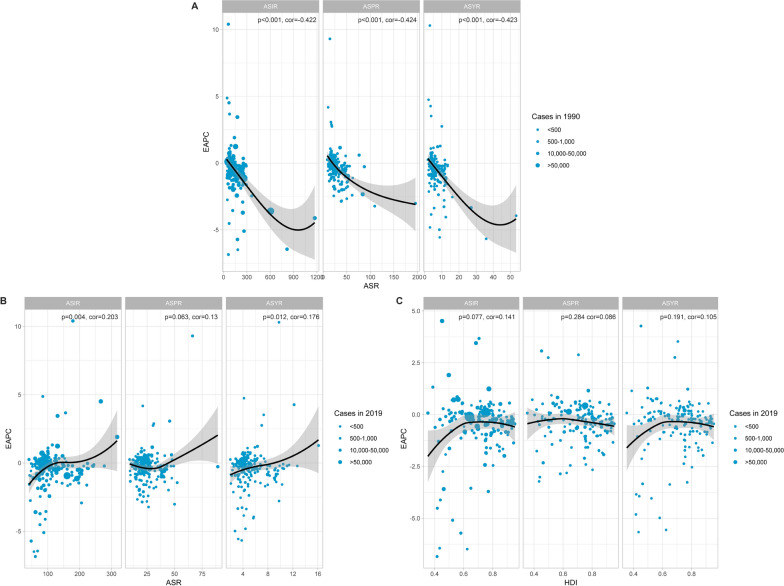
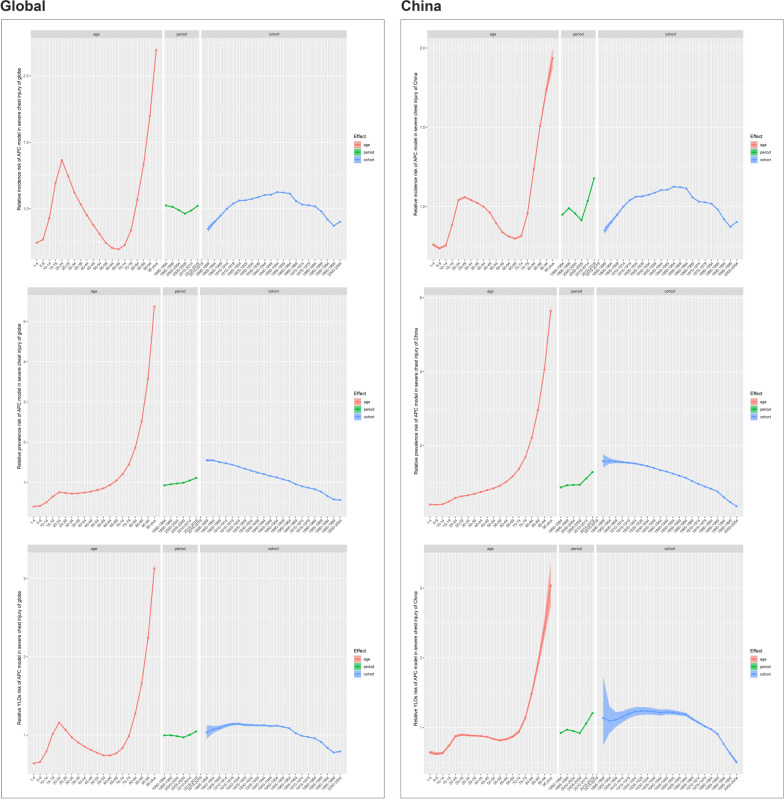
In our analysis, the age-standardized incidence rate (ASIR), prevalence rate (ASPR), and years lived with disability rate (ASYR) of severe chest injury were analyzed by gender, age, sociodemographic index, and geographical region between 1990 and 2019 using data from the Global Burden of Disease study 2019. Trends were depicted by calculating the estimated annual percentage changes (EAPCs). The impact of age, period, and cohort factors was assessed using an Age-Period-Cohort model. Autoregressive integrated moving average (ARIMA) model was employed to predict severe chest injury trends from 2020 to 2050.
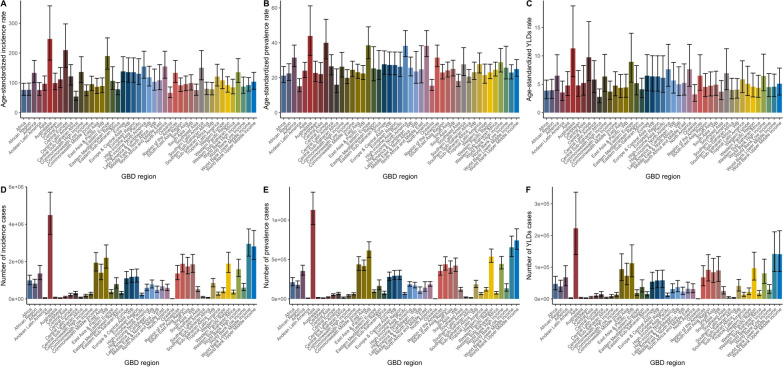
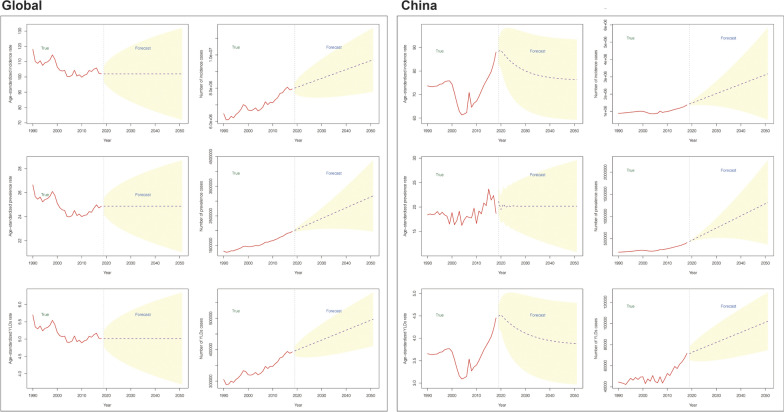
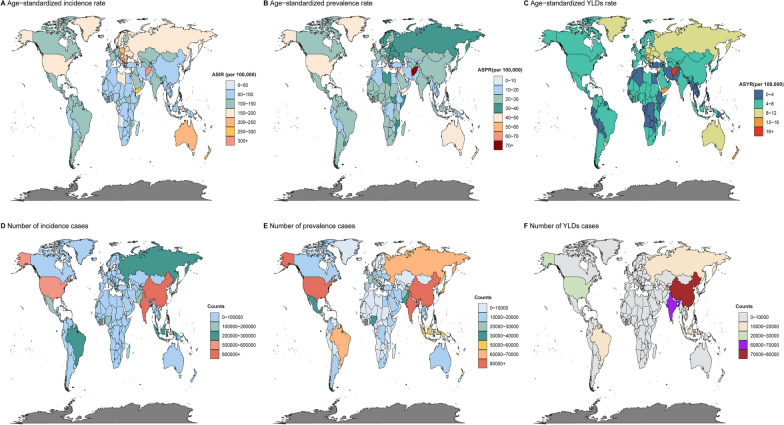
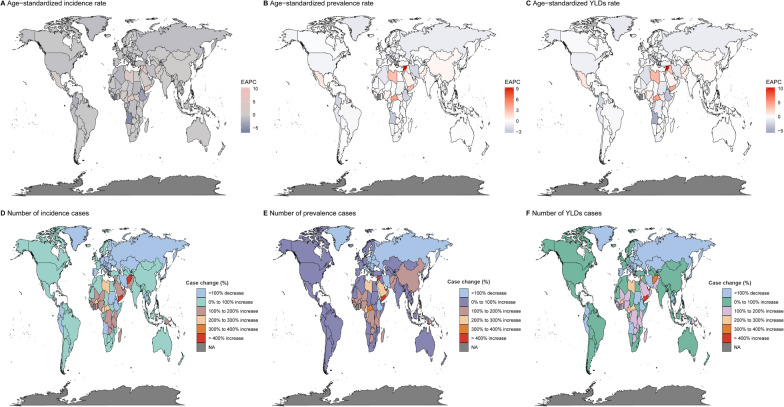
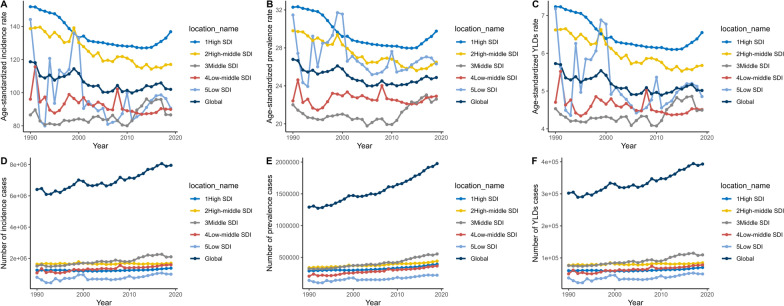
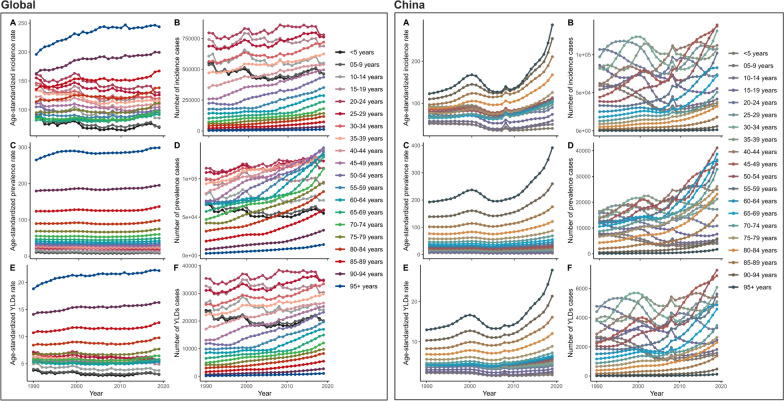
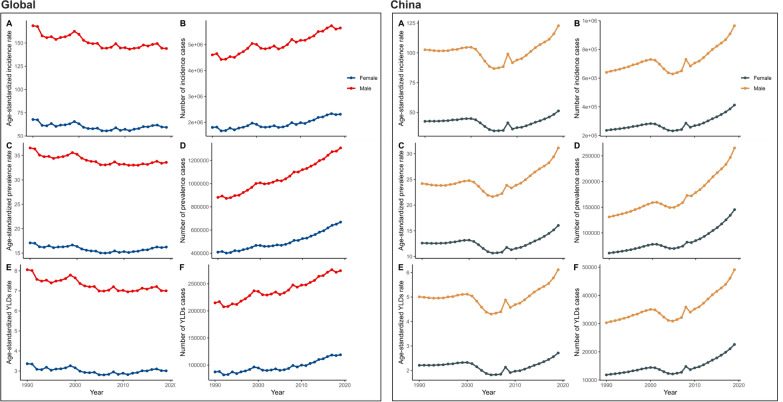
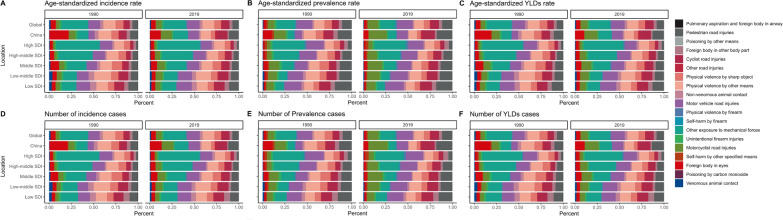
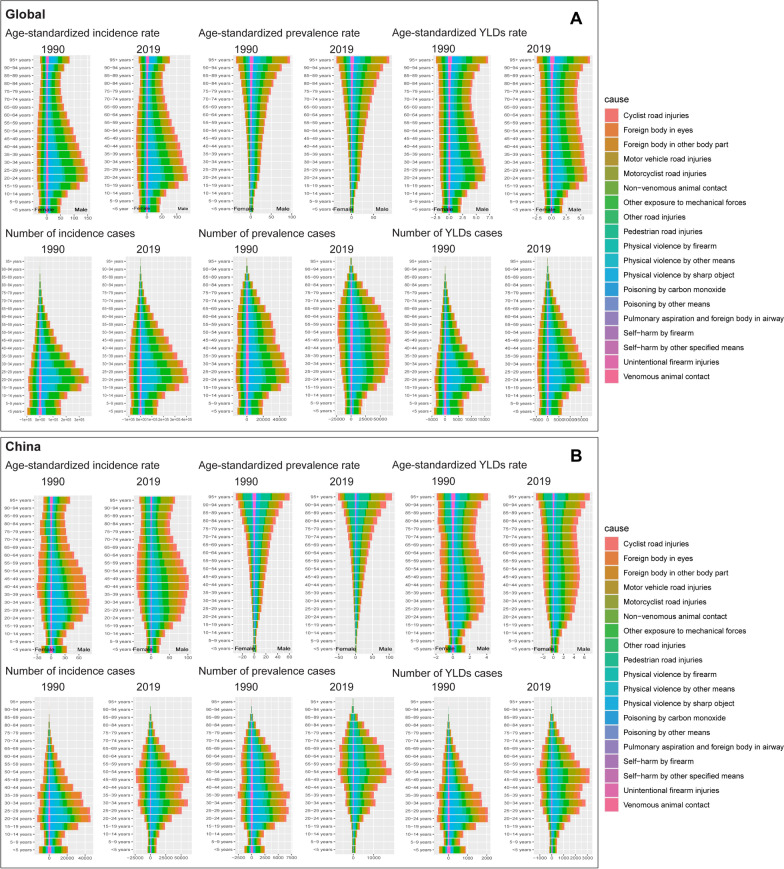
In 2019, the global number of severe chest injury cases reached 7.95 million, with the highest incidence rate observed in Central Europe (209.61). Afghanistan had the highest ASIRs at 277.52, while North Korea had the lowest ASIRs at 41.02. From 1990 to 2019, the Syrian Arab Republic saw significant increases in ASIR, ASPR, and ASYR, with EAPCs of 10.4%, 9.31%, and 10.3%, respectively. Burundi experienced a decrease in ASIR with an EAPC of - 6.85% (95% confidence interval [CI] - 11.11, - 2.37), while Liberia's ASPR and ASYR declined with EAPCs of - 3.22% (95% CI - 4.73, - 1.69) and - 5.67% (95% CI - 8.00, - 3.28), respectively. Falls and road injuries remained the most common causes. The relative risk of severe chest injury by age, period, and cohort demonstrated a complex effect globally and in China. The ARIMA model forecasted a steady increase in global numbers from 2020 to 2050, while in China, it forecasted an increase in incidence, a decrease in ASIR and ASYR, and an increase in ASPR.
This study provides a groundbreaking analysis of global severe chest injury, shedding light on its measures and impact. These findings highlight the need for timely, specialized care and addressing regional disparities to mitigate the severe chest injury burden.
本研究评估了 1990 年至 2019 年全球严重胸部损伤(包括肋骨骨折、肺挫伤和心脏损伤)的趋势和负担。在此,我们预测了严重胸部损伤的负担模式和时间趋势,为全球和中国提供了流行病学证据。
我们使用 2019 年全球疾病负担研究的数据,按性别、年龄、社会人口指数和地理区域分析了 1990 年至 2019 年严重胸部损伤的年龄标准化发病率(ASIR)、患病率(ASPR)和残疾调整生命年率(ASYR)。通过计算估计年百分比变化(EAPC)来描绘趋势。使用年龄-时期-队列模型评估年龄、时期和队列因素的影响。自回归综合移动平均(ARIMA)模型用于预测 2020 年至 2050 年严重胸部损伤的趋势。
2019 年,全球严重胸部损伤病例达到 795 万例,中欧发病率最高(209.61)。阿富汗的 ASIR 最高,为 277.52,而朝鲜的 ASIR 最低,为 41.02。1990 年至 2019 年,阿拉伯叙利亚共和国的 ASIR、ASPR 和 ASYR 均显著增加,EAPC 分别为 10.4%、9.31%和 10.3%。布隆迪的 ASIR 呈下降趋势,EAPC 为-6.85%(95%置信区间[CI]:-11.11,-2.37),而利比里亚的 ASPR 和 ASYR 分别下降了 3.22%(95%CI:-4.73,-1.69)和 5.67%(95%CI:-8.00,-3.28)。跌倒和道路交通伤害仍然是最常见的原因。全球和中国的年龄、时期和队列的严重胸部损伤相对风险表现出复杂的影响。ARIMA 模型预测全球病例数量从 2020 年到 2050 年将稳步增加,而在中国,发病率预计将增加,ASIR 和 ASYR 将下降,ASPR 将增加。
本研究对全球严重胸部损伤进行了开创性分析,阐明了其措施和影响。这些发现突出表明需要及时、专门的护理,并解决区域差异,以减轻严重胸部损伤的负担。