Department of Pediatrics, Hualien Tzu Chi Hospital, Buddhist Tzu Chi Medical Foundation, Tzu Chi University, Hualien.
Department of Orthopedics, Hualien Tzu Chi Hospital, Buddhist Tzu Chi Medical Foundation, Tzu Chi University, Hualien.
Cell Transplant. 2024 Jan-Dec;33:9636897241281869. doi: 10.1177/09636897241281869.
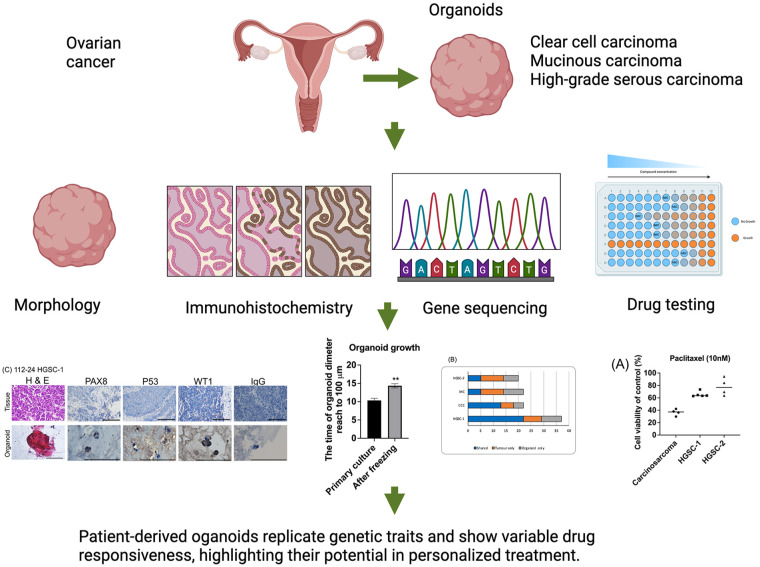
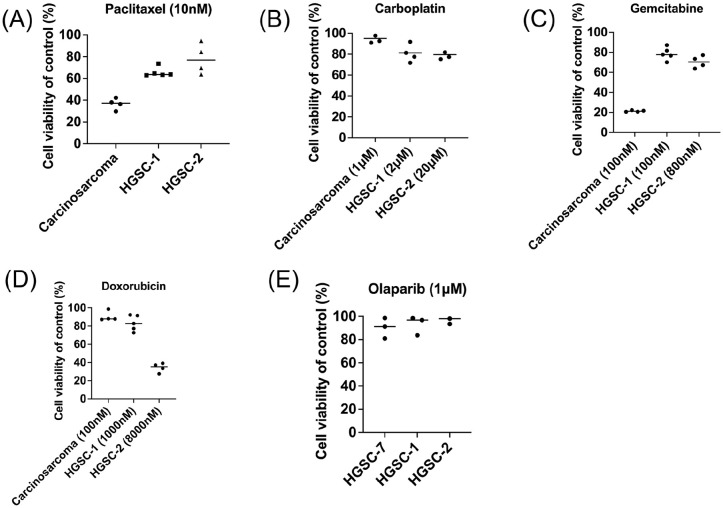
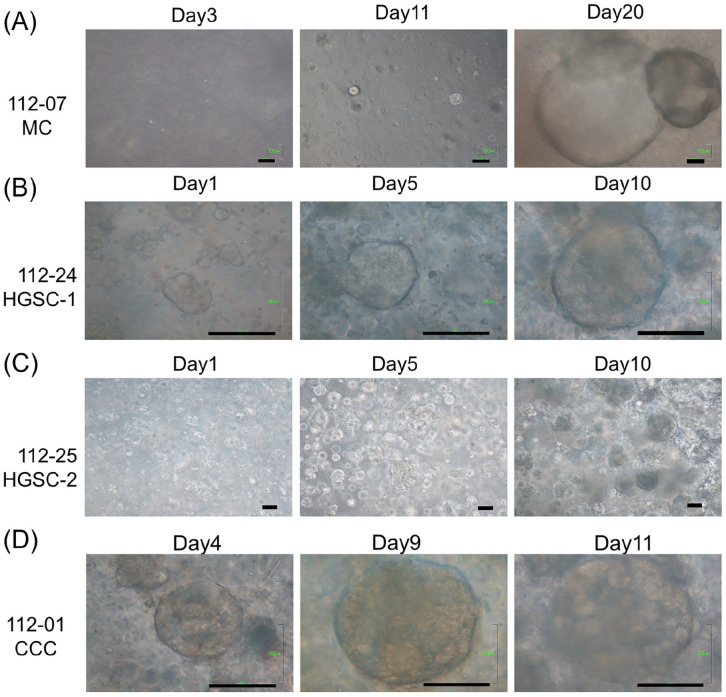
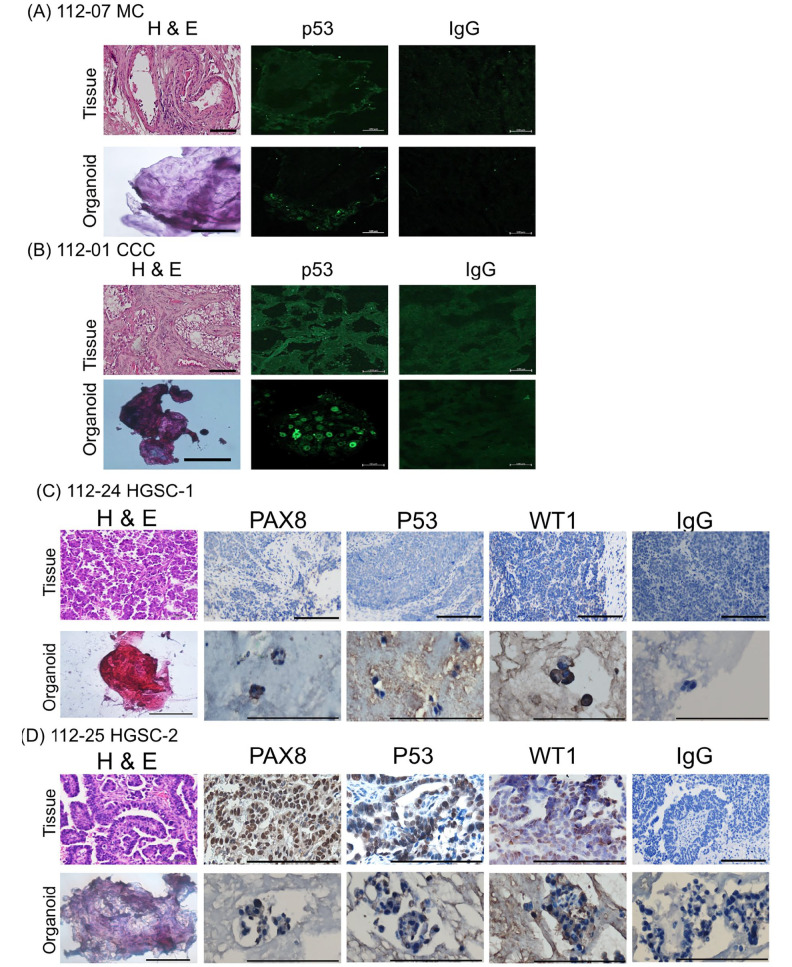
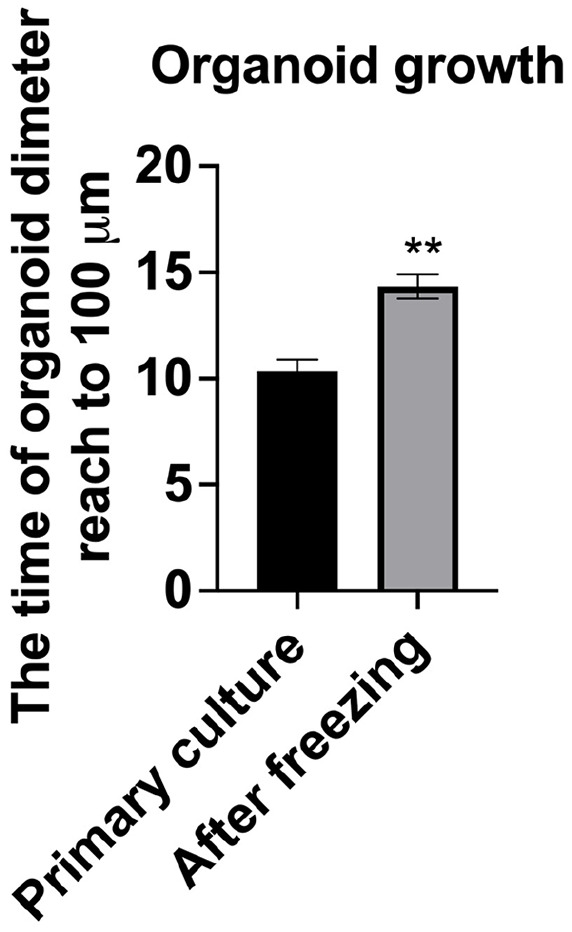
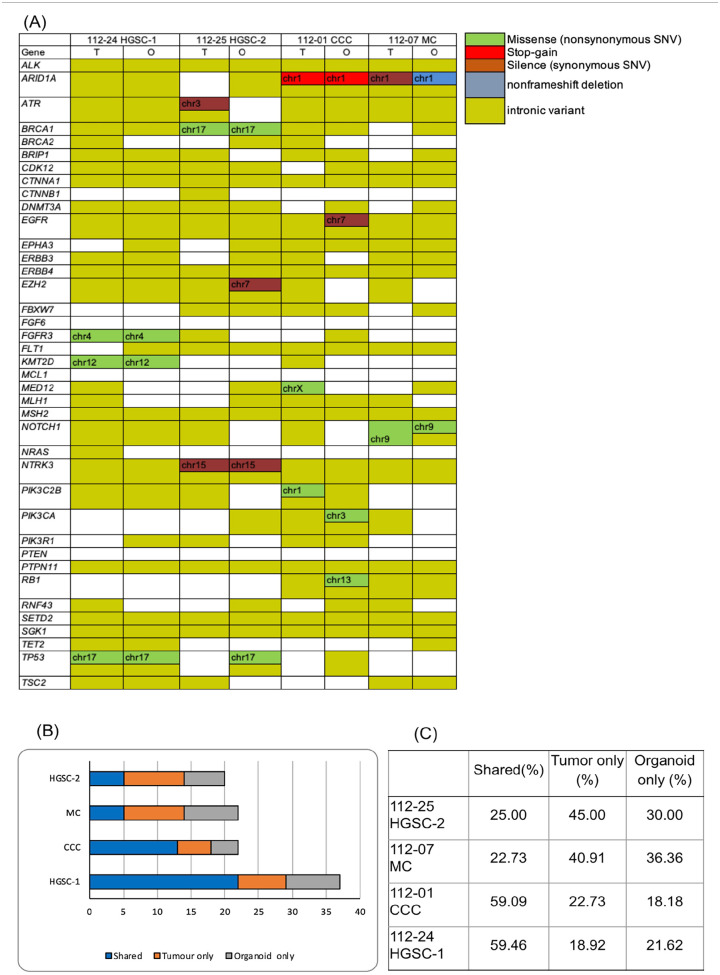
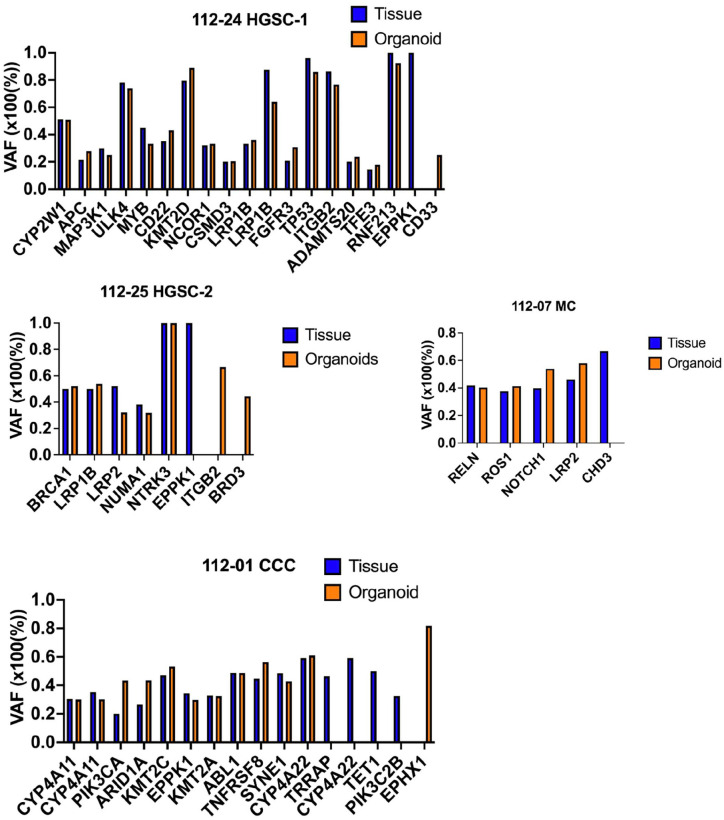
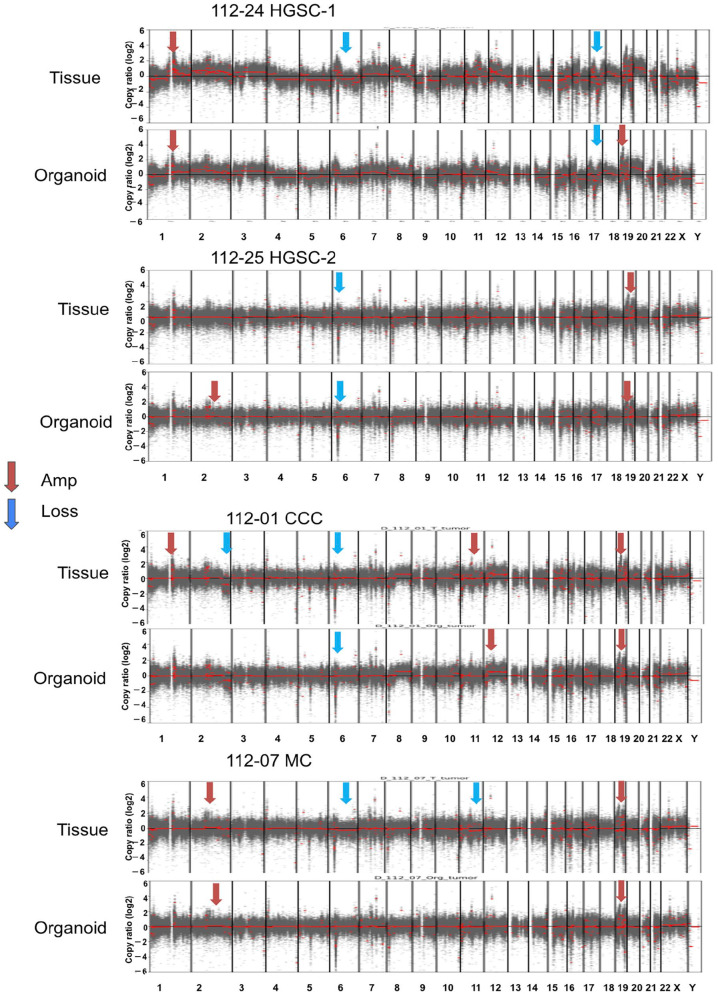
This study aimed to explore the role of ovarian cancer patient-derived organoids (PDOs) in their replicating genetic characteristics and testing drug responsiveness. Ovarian cancer PDOs were cultured in Matrigel with a specialized medium. The successful rate and proliferation rate were calculated. Morphology, histology, and immunohistochemistry (IHC) (PAX8, P53, and WT1) were used to identify the tumor characteristics. Gene sequencing, variant allele frequency (VAF), and copy number variation were used to explore the mutation profile. The sensitivity to chemodrugs (carboplatin, paclitaxel, gemcitabine, doxorubicin, and olaparib) was conducted. Successful generation of organoids occurred in 54% (7/13) of attempts, encompassing 4 high-grade serous carcinomas (HGSC), 1 mucinous carcinoma (MC), 1 clear cell carcinoma (CCC), and 1 carcinosarcoma. The experiments used six organoids (3 HGSC, 1 CCC, 1 MC, and 1 carcinosarcoma). The derived organoids exhibited spherical-like morphology, and the diameter ranged from 100 to 500 μm. The histology and IHC exhibited the same between organoids and primary tumors. After cryopreservation, the organoid's growth rate was slower than the primary culture (14 days vs 10 days, < 0.01). Targeted sequencing revealed shared DNA variants, including mutations in key genes, such as , , and . VAF was similar between primary tumors and organoids. The organoids maintained inherited most copy number alterations. Drug sensitivity testing revealed varying responses, with carcinosarcoma organoids showing higher sensitivity to paclitaxel and gemcitabine than HGSC organoids. Our preliminary results showed that ovarian cancer PDOs could be successfully derived and histology, mutations, and diverse copy numbers of genotypes could be faithfully captured. Drug testing could reveal the individual PDO's responsiveness to drugs. PDOs might be as valuable resources for investigating genomic biomarkers for personalized treatment.
本研究旨在探讨卵巢癌患者来源的类器官(PDO)在复制遗传特征和药物反应性测试中的作用。卵巢癌 PDO 在含有专门培养基的 Matrigel 中培养。计算成功率和增殖率。使用形态学、组织学和免疫组织化学(PAX8、P53 和 WT1)来鉴定肿瘤特征。进行基因测序、变异等位基因频率(VAF)和拷贝数变异以探索突变谱。进行化疗药物(卡铂、紫杉醇、吉西他滨、多柔比星和奥拉帕利)敏感性检测。在 13 次尝试中有 54%(7/13)成功生成类器官,其中包括 4 例高级别浆液性癌(HGSC)、1 例黏液性癌(MC)、1 例透明细胞癌(CCC)和 1 例癌肉瘤。实验使用了 6 个类器官(3 个 HGSC、1 个 CCC、1 个 MC 和 1 个癌肉瘤)。衍生的类器官表现出球形样形态,直径范围为 100-500μm。组织学和免疫组织化学显示类器官与原代肿瘤之间存在相同的特征。经过冷冻保存后,类器官的生长速度比原代培养慢(14 天比 10 天,<0.01)。靶向测序揭示了共享的 DNA 变异,包括关键基因的突变,如、和。原代肿瘤和类器官之间的 VAF 相似。类器官保留了大多数遗传的拷贝数改变。药物敏感性测试显示出不同的反应,癌肉瘤类器官对紫杉醇和吉西他滨的敏感性高于 HGSC 类器官。我们的初步结果表明,卵巢癌 PDO 可以成功衍生,组织学、突变和不同的基因型拷贝数可以被准确捕获。药物测试可以揭示个体 PDO 对药物的反应性。PDO 可能是研究基因组生物标志物以实现个体化治疗的有价值的资源。