Applied Microbiology Lab, Indian Institute of Technology Delhi, Centre for Rural Development and Technology, Hauz Khas, New Delhi, 110016, India.
Department of Molecular Toxicology, Helmholtz-Centre for Environmental Research-UFZ GmbH, 04318, Leipzig, Germany.
Sci Rep. 2024 Oct 5;14(1):23171. doi: 10.1038/s41598-024-74517-y.
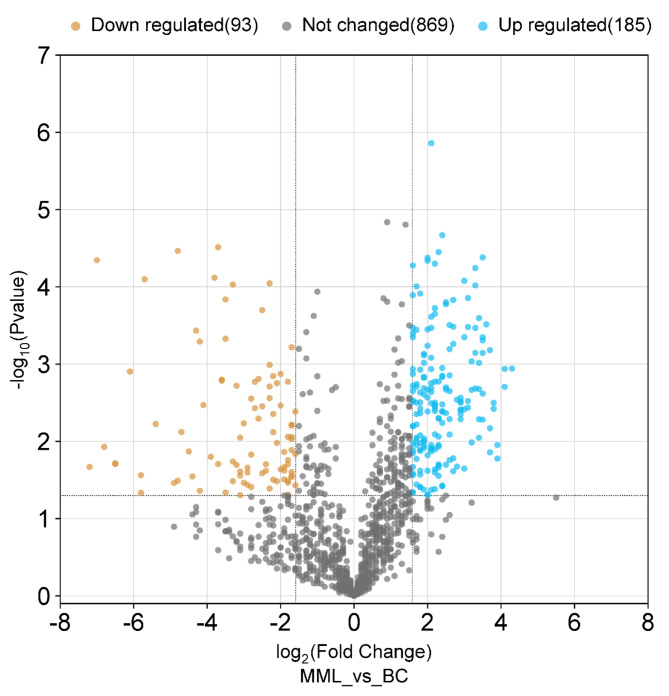
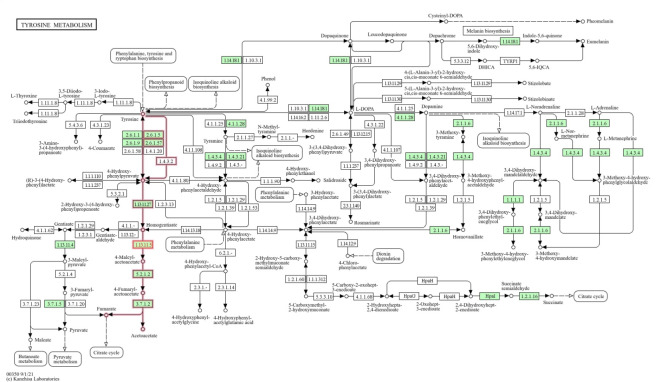
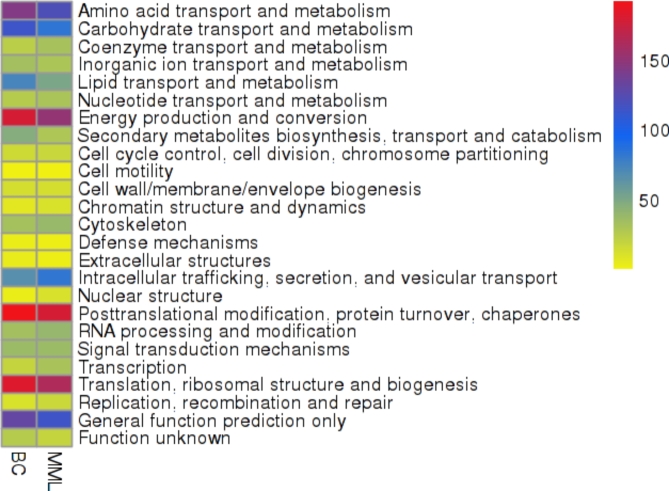
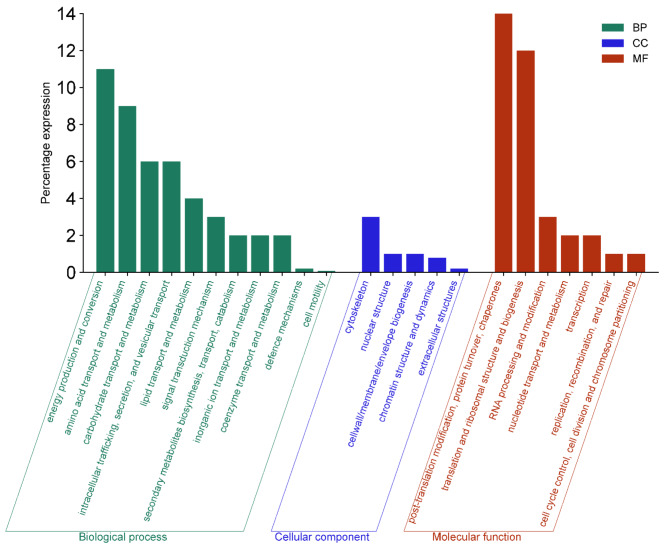
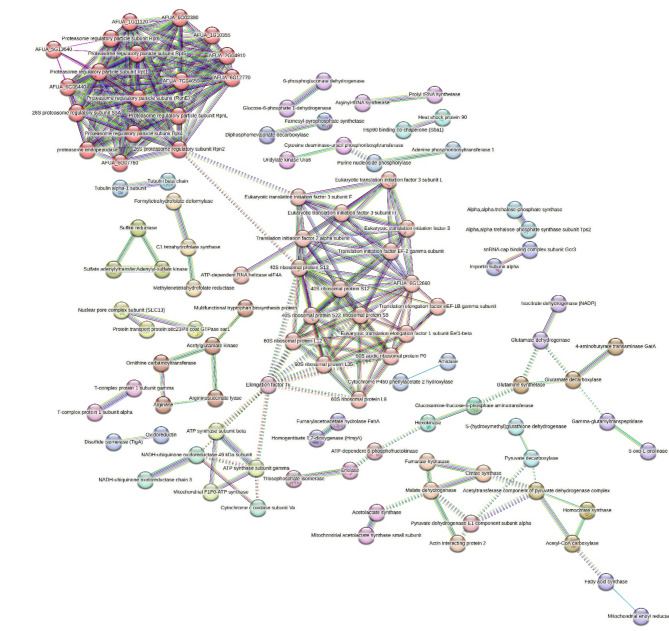
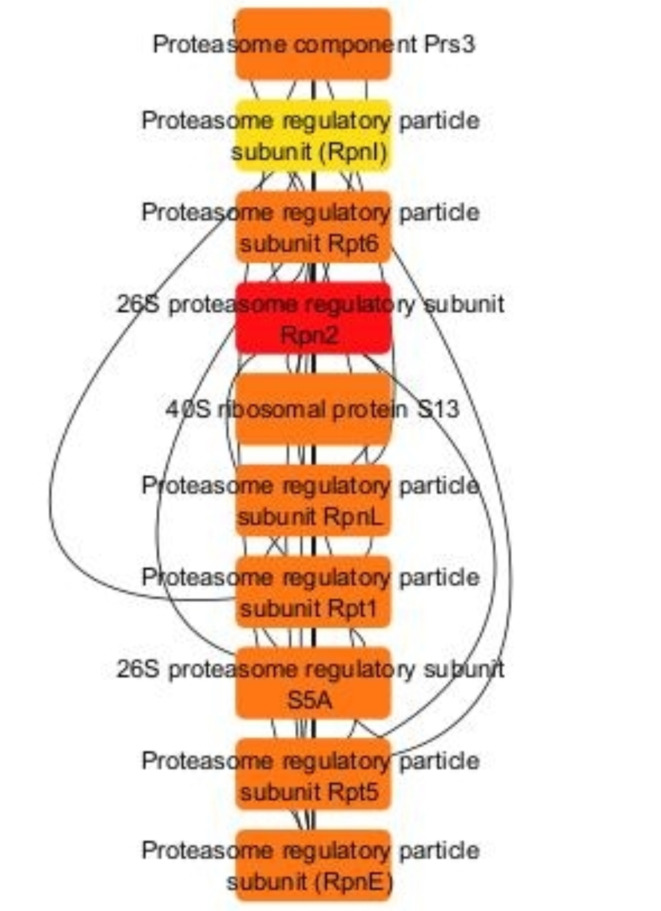
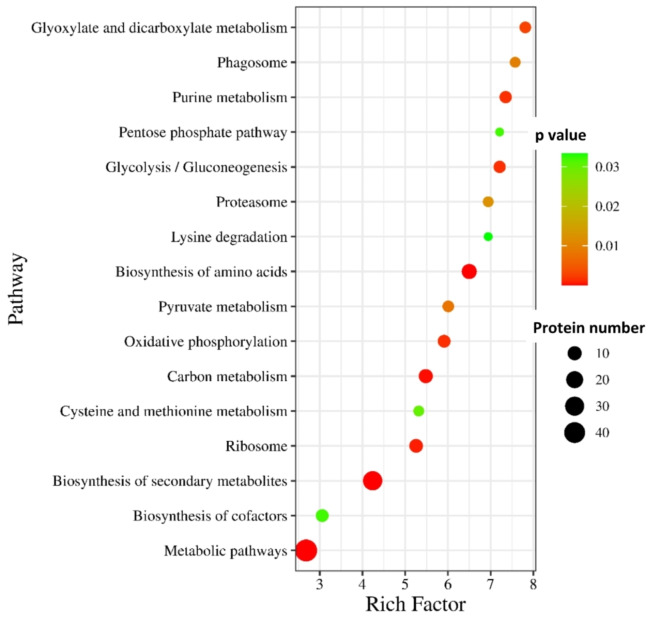
Micropollutants, such as heavy metals and pesticides, inhibit microbial growth, threatening ecosystems. Yet, the mechanism behind mycoremediation of the pesticide lindane and multiple metals (Cd, Total Cr, Cu, Ni, Pb, Zn) remains poorly understood. In our study, we investigated cellular responses in Aspergillus fumigatus PD-18 using LC-MS/MS, identifying 2190 proteins, 1147 of which were consistently present under both stress conditions. Specifically, Cu-Zn superoxide dismutase and heat shock proteins were up-regulated to counter oxidative stress and protein misfolding. Proteins involved in intracellular trafficking, secretion, and vesicular transport; RNA processing and modification showed enhanced abundance and regulating stress response pathways. Additionally, haloalkane dehalogenase and homogentisate 1,2-dioxygenase played pivotal roles in lindane mineralization. Bioinformatics analysis highlighted enriched pathways such as Glyoxylate and dicarboxylate metabolism and Purine metabolism, that are crucial for combating adverse environments. We identified the hub protein 26 S proteasome regulatory subunit complex as potential biomarker and remedial targets for mycoremediation of wastewater, suggesting practical applications for environmental remediation.
污染物,如重金属和农药,会抑制微生物的生长,威胁生态系统。然而,真菌修复林丹和多种金属(Cd、总铬、Cu、Ni、Pb、Zn)的机制仍知之甚少。在我们的研究中,我们使用 LC-MS/MS 研究了 PD-18 烟曲霉中的细胞反应,鉴定出 2190 种蛋白质,其中 1147 种在两种胁迫条件下均存在。具体而言,Cu-Zn 超氧化物歧化酶和热休克蛋白上调以应对氧化应激和蛋白质错误折叠。涉及细胞内运输、分泌和小泡运输的蛋白质;RNA 加工和修饰显示出丰富的丰度,并调节应激反应途径。此外,卤代烷脱卤酶和高丝氨酸 1,2-双加氧酶在林丹矿化中发挥关键作用。生物信息学分析突出了丰富的途径,如乙醛酸和二羧酸代谢和嘌呤代谢,这些途径对于对抗不利环境至关重要。我们鉴定出 26S 蛋白酶体调节亚基复合物作为真菌修复废水的潜在生物标志物和补救靶点,为环境修复提供了实际应用。