Ammar Zeina, Adly Mahmoud, Abdalakrim Somia Yassin Hussain, Mehanny Sherif
Mechanical Design & Production, Faculty of Engineering, Cairo University, Cairo, 12613, Egypt.
The Key Laboratory of Advanced Textile Materials and Manufacturing Technology of Ministry of Education, Zhejiang Sci-Tech University, Xiasha Higher Education Park Avenue 2 No. 928, 310018, Hangzhou, China.
Sci Rep. 2024 Oct 5;14(1):23204. doi: 10.1038/s41598-024-73275-1.
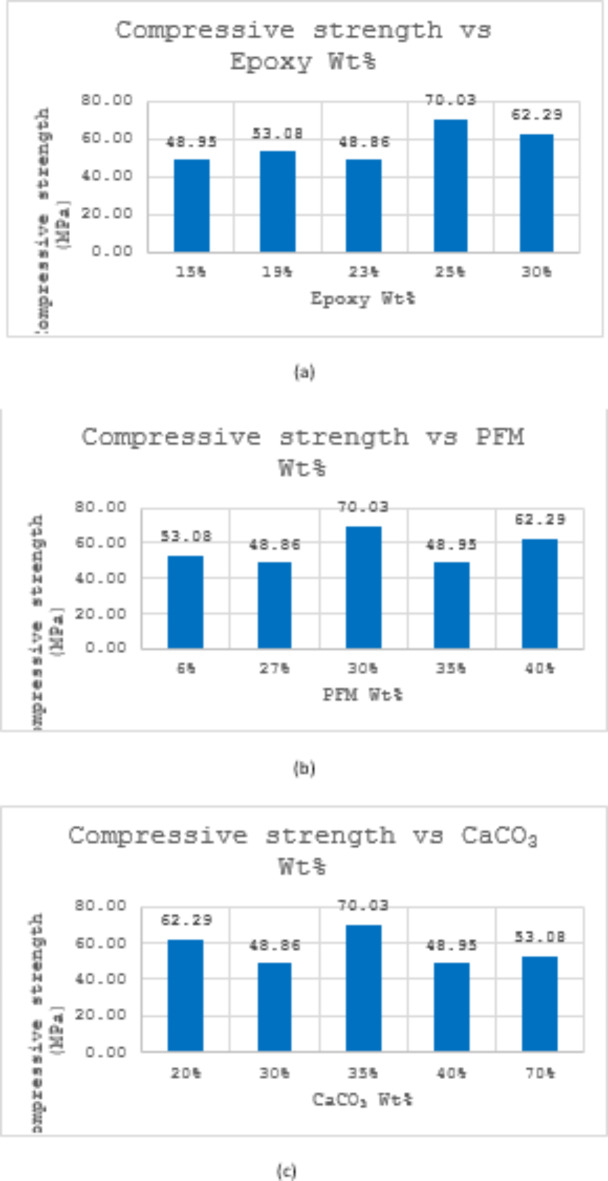
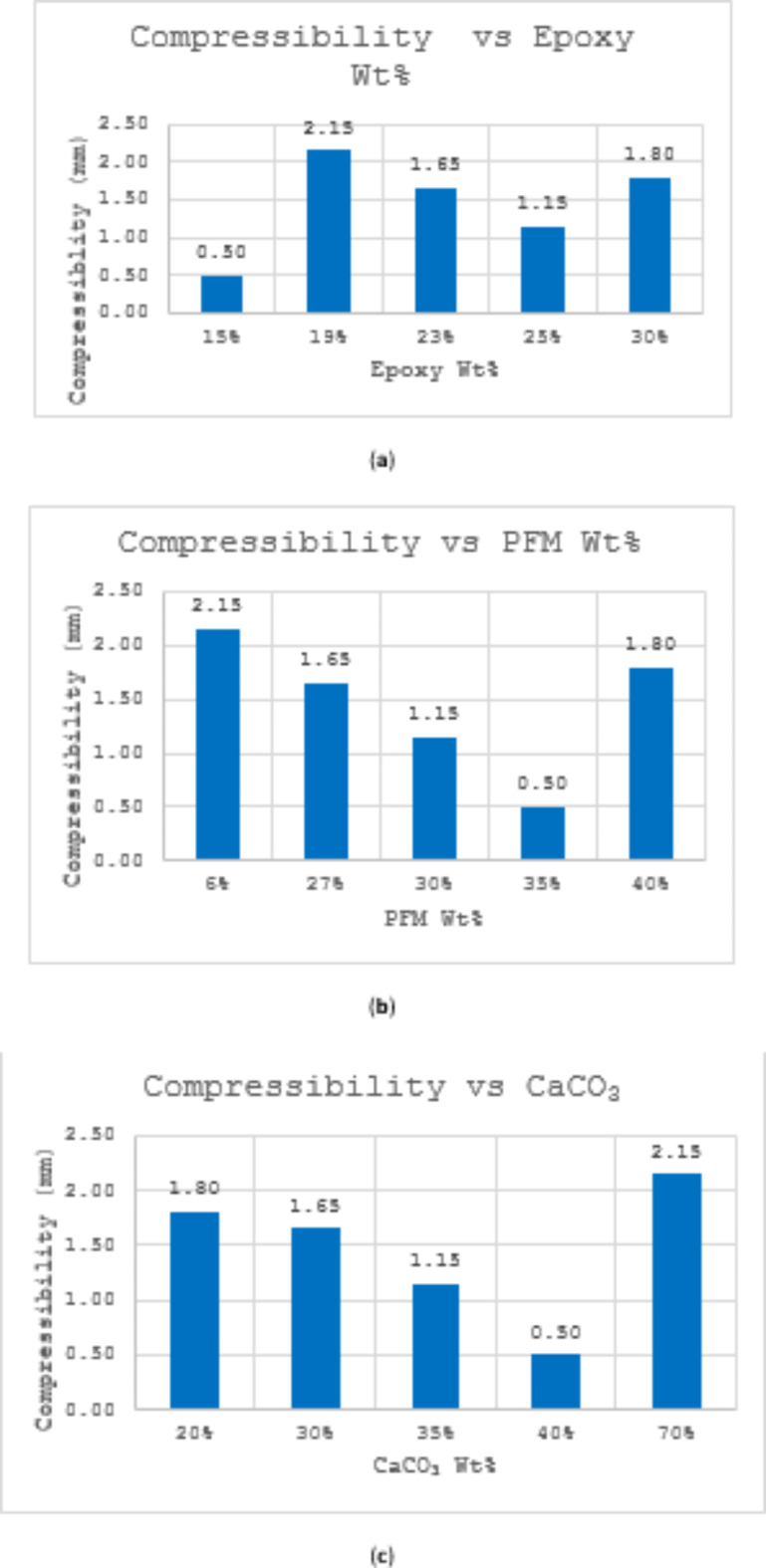
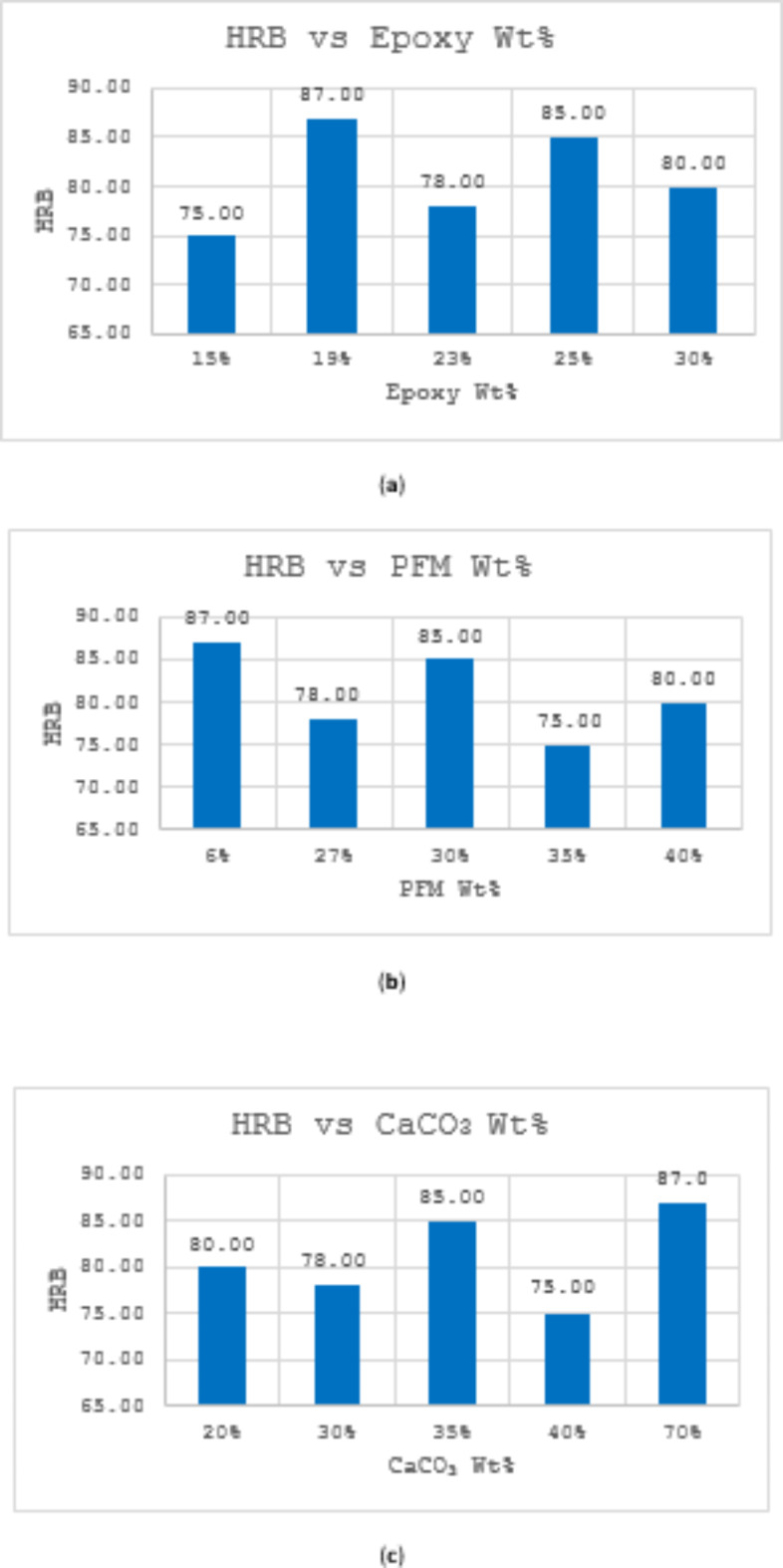
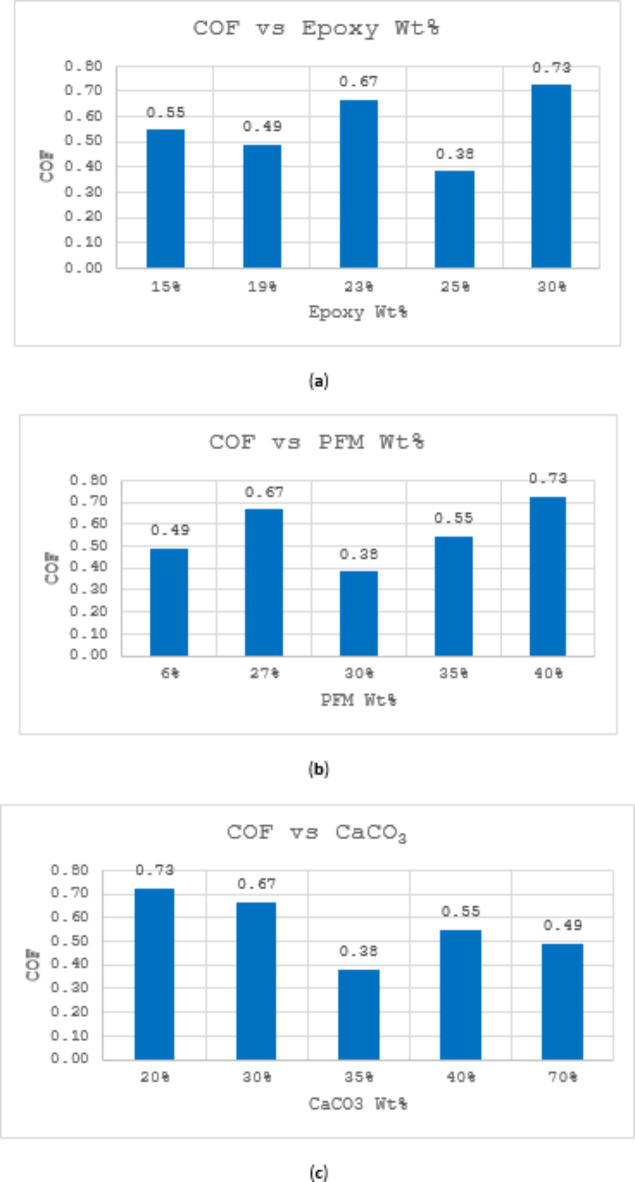
The demand for eco-friendly materials in automotive components has spurred research into natural fibers as sustainable alternatives for brake pads. This study examines the potential of date palm fibers, particularly the palm frond midrib (PFM), in brake pad composites. The effects of epoxy, PFM, and calcium carbonate on the composites' mechanical and tribological properties were analyzed. The optimal formulation (25% epoxy, 30% PFM, 35% calcium carbonate) exhibited superior properties, including a hardness of 87 HRB, wear rate of 1.5E-03 mg/mm, and COF of 0.73, surpassing commercial pads. Additionally, an inverse relationship between PFM/calcium carbonate content and compressibility was observed, with increased calcium carbonate enhancing wear resistance. This research underscores the potential of utilizing date palm resources in eco-friendly brake manufacturing, reducing the environmental and health impacts of traditional materials.
汽车零部件对环保材料的需求促使人们对天然纤维作为刹车片的可持续替代品展开研究。本研究考察了枣椰纤维,特别是棕榈叶中脉(PFM)在刹车片复合材料中的潜力。分析了环氧树脂、PFM和碳酸钙对复合材料力学性能和摩擦学性能的影响。最佳配方(25%环氧树脂、30% PFM、35%碳酸钙)表现出优异的性能,包括87 HRB的硬度、1.5E-03 mg/mm的磨损率和0.73的摩擦系数,超过了商业刹车片。此外,观察到PFM/碳酸钙含量与可压缩性之间呈反比关系,碳酸钙含量增加可提高耐磨性。这项研究强调了在环保刹车制造中利用枣椰资源的潜力,减少传统材料对环境和健康的影响。