Eity Tanzila Akter, Bhuia Md Shimul, Chowdhury Raihan, Ahmmed Shakil, Akter Rima, Islam Muhammad Torequl
Department of Biotechnology and Genetic Engineering Bangabandhu Sheikh Mujibur Rahman Science and Technology University, Gopalganj, Gopalganj 8100, Bangladesh.
Phytochemistry and Biodiversity Research Laboratory BioLuster Research Center Ltd., Gopalganj, Gopalganj 8100, Bangladesh.
J Trop Med. 2024 Oct 1;2024:5594462. doi: 10.1155/2024/5594462. eCollection 2024.
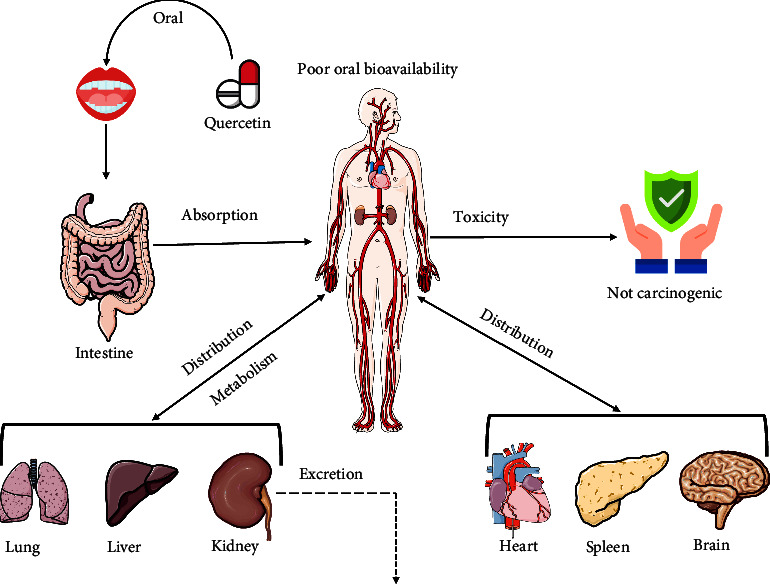
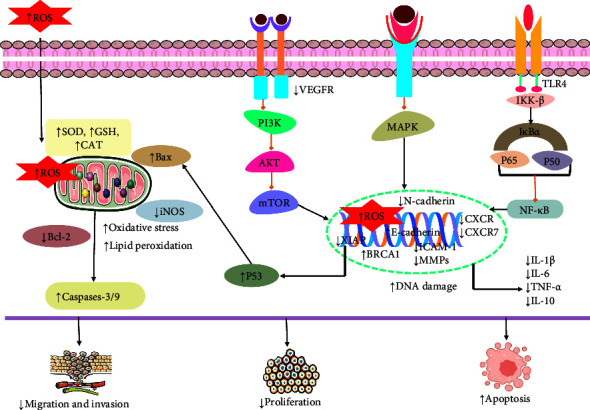
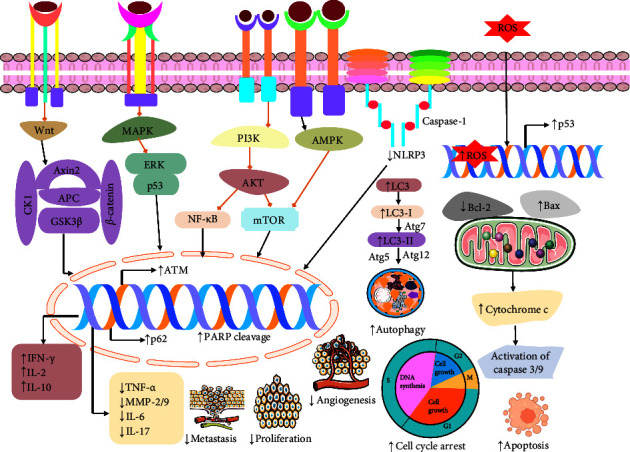
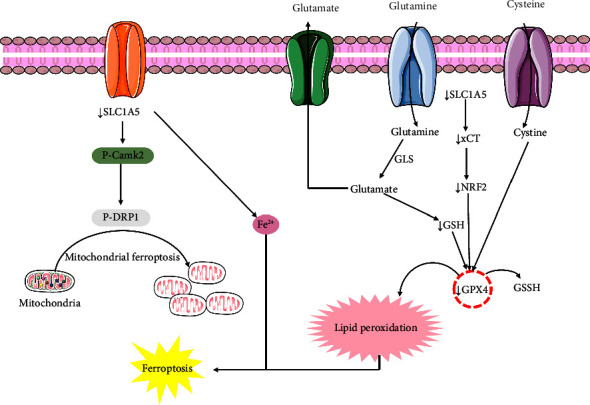
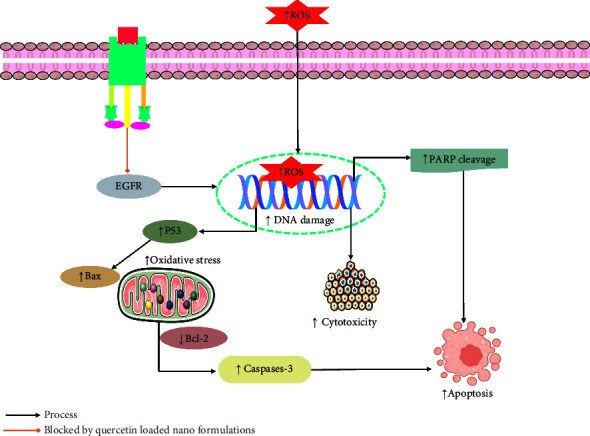
Quercetin, a major representative of the flavonol subclass found abundantly in almost all edible vegetables and fruits, showed remarkable therapeutic properties and was beneficial in numerous degenerative diseases by preventing lipid peroxidation. Quercetin is beneficial in different diseases, such as atherosclerosis and chronic inflammation. This study aims to find out the anticancer activities of quercetin and to determine different mechanisms and pathways which are responsible for the anticancer effect. It also revealed the biopharmaceutical, toxicological characteristics, and clinical utilization of quercetin to evaluate its suitability for further investigations as a reliable anticancer drug. All of the relevant data concerning this compound with cancer was collected using different scientific search engines, including PubMed, Springer Link, Wiley Online, Web of Science, SciFinder, ScienceDirect, and Google Scholar. This review demonstrated that quercetin showed strong anticancer properties, including apoptosis, inhibition of cell proliferation, autophagy, cell cycle arrest, inhibition of angiogenesis, and inhibition of invasion and migration against various types of cancer. Findings also revealed that quercetin could significantly moderate and regulate different pathways, including PI3K/AKT-mTORC1 pathway, JAK/STAT signaling system, MAPK signaling pathway, MMP signaling pathway, NF-B pathway, and p-Camk2/p-DRP1 pathway. However, this study found that quercetin showed poor oral bioavailability due to reduced absorption; this limitation is overcome by applying nanotechnology (nanoformulation of quercetin). Moreover, different investigations revealed that quercetin expressed no toxic effect in the investigated subjects. Based on the view of these findings, it is demonstrated that quercetin might be considered a reliable chemotherapeutic drug candidate in the treatment of different cancers. However, more clinical studies are suggested to establish the proper therapeutic efficacy, safety, and human dose.
槲皮素是黄酮醇亚类的主要代表,几乎在所有可食用蔬菜和水果中都大量存在,具有显著的治疗特性,通过防止脂质过氧化对多种退行性疾病有益。槲皮素对不同疾病有益,如动脉粥样硬化和慢性炎症。本研究旨在探究槲皮素的抗癌活性,并确定其抗癌作用的不同机制和途径。研究还揭示了槲皮素的生物药剂学、毒理学特性及临床应用,以评估其作为可靠抗癌药物进行进一步研究的适用性。使用不同的科学搜索引擎,包括PubMed、Springer Link、Wiley Online、Web of Science、SciFinder、ScienceDirect和Google Scholar,收集了所有与该化合物和癌症相关的数据。本综述表明,槲皮素具有强大的抗癌特性,包括诱导凋亡、抑制细胞增殖、自噬、细胞周期阻滞、抑制血管生成以及抑制针对各种类型癌症的侵袭和迁移。研究结果还显示,槲皮素可显著调节不同途径,包括PI3K/AKT - mTORC1途径、JAK/STAT信号系统、MAPK信号通路、MMP信号通路、NF - κB途径和p - Camk2/p - DRP1途径。然而,本研究发现槲皮素由于吸收减少而口服生物利用度较差;通过应用纳米技术(槲皮素的纳米制剂)可克服这一限制。此外,不同研究表明槲皮素在所研究的受试者中未表现出毒性作用。基于这些研究结果,表明槲皮素可能被视为治疗不同癌症的可靠化疗药物候选物。然而,建议进行更多临床研究以确定其确切的治疗效果、安全性和人体剂量。