Internet Medical and System Applications of National Engineering Laboratory, the First Affiliated Hospital of Zhengzhou University, Zhengzhou, 450052, Henan, China.
Cancer Center, The First Affiliated Hospital of Zhengzhou University, Zhengzhou, 450052, Henan, China.
J Exp Clin Cancer Res. 2024 Oct 10;43(1):284. doi: 10.1186/s13046-024-03202-9.
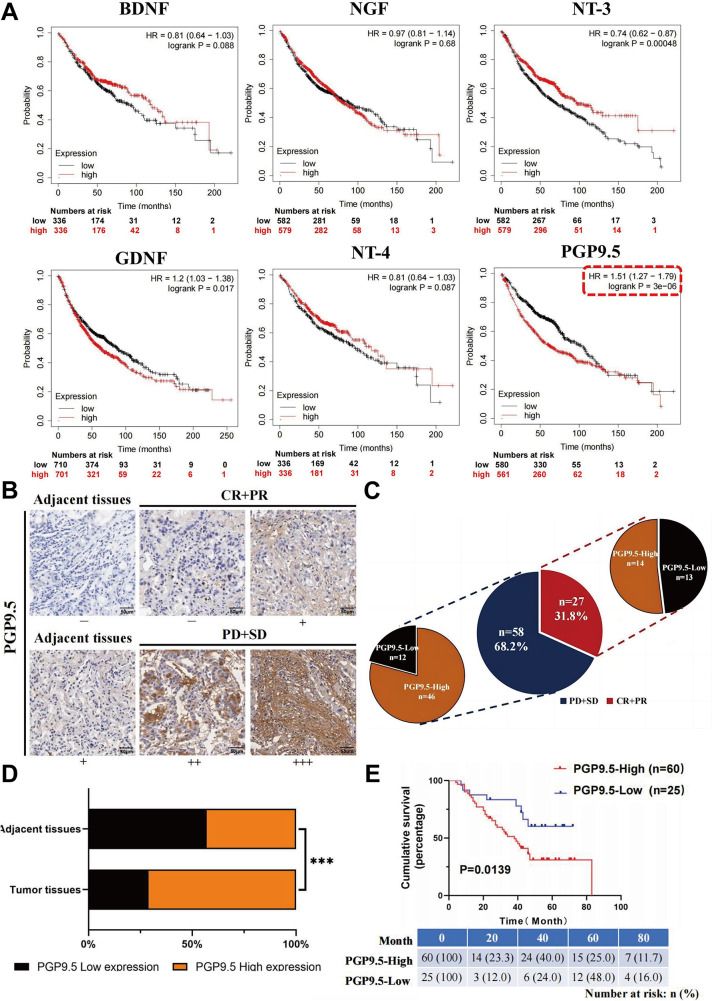
Current evidence underlines the active role of neural infiltration and axonogenesis within the tumor microenvironment (TME), with implications for tumor progression. Infiltrating nerves stimulate tumor growth and dissemination by secreting neurotransmitters, whereas tumor cells influence nerve growth and differentiation through complex interactions, promoting tumor progression. However, the role of neural infiltration in the progression of non-small cell lung cancer (NSCLC) remains unclear.
This study employs the techniques of immunohistochemistry, immunofluorescence, RNA sequencing, molecular biology experiments, and a murine orthotopic lung cancer model to deeply analyze the specific mechanisms behind the differential efficacy of NSCLC immunotherapy from the perspectives of neuro-tumor signal transduction, tumor metabolism, and tumor immunity.
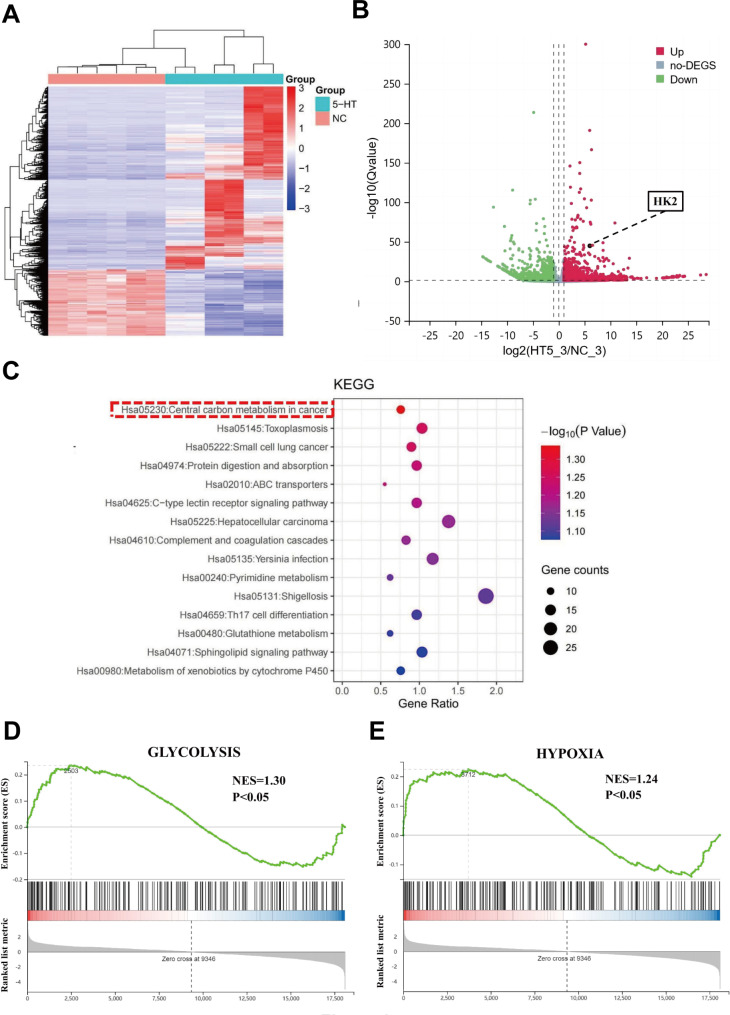
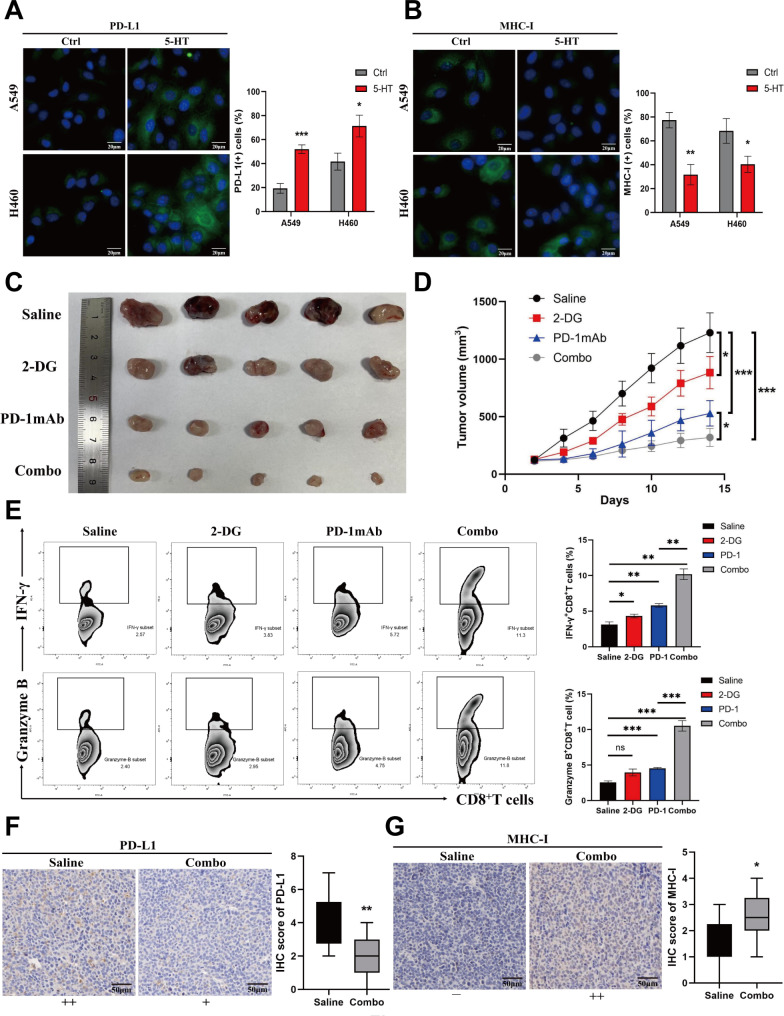
This study demonstrates that nerve growth factor (NGF) drives neural infiltration in NSCLC, and 5-hydroxytryptamine (5-HT), which is secreted by nerves, is significantly elevated in tumors with extensive neural infiltration. Transcriptome sequencing revealed that 5-HT enhanced glycolysis in NSCLC cells. Pathway analysis indicated that 5-HT activated the PI3K/Akt/mTOR pathway, promoting tumor metabolic reprogramming. This reprogramming exacerbated immunosuppression in the TME. Neutralizing 5-HT-mediated metabolic reprogramming in tumor immunity enhanced the efficacy of PD-1 monoclonal antibody treatment in mice.
The findings of this study provide a novel perspective on the crosstalk between nerves and lung cancer cells and provide insights into further investigations into the role of nerve infiltration in NSCLC progression.
目前的证据强调了神经浸润和轴突生成在肿瘤微环境(TME)中的积极作用,这对肿瘤的进展有影响。浸润的神经通过分泌神经递质刺激肿瘤的生长和扩散,而肿瘤细胞通过复杂的相互作用影响神经的生长和分化,促进肿瘤的进展。然而,神经浸润在非小细胞肺癌(NSCLC)进展中的作用仍不清楚。
本研究采用免疫组织化学、免疫荧光、RNA 测序、分子生物学实验和小鼠原位肺癌模型,从神经-肿瘤信号转导、肿瘤代谢和肿瘤免疫的角度深入分析 NSCLC 免疫治疗疗效差异的具体机制。
本研究表明神经生长因子(NGF)驱动 NSCLC 中的神经浸润,而广泛神经浸润的肿瘤中 5-羟色胺(5-HT)的分泌显著升高。转录组测序显示,5-HT 增强了 NSCLC 细胞的糖酵解。通路分析表明,5-HT 激活了 PI3K/Akt/mTOR 通路,促进了肿瘤代谢的重编程。这种重编程加剧了 TME 中的免疫抑制。中和 5-HT 介导的肿瘤免疫代谢重编程增强了 PD-1 单克隆抗体治疗在小鼠中的疗效。
本研究的结果为神经和肺癌细胞之间的相互作用提供了一个新的视角,并为进一步研究神经浸润在 NSCLC 进展中的作用提供了思路。