Department of General Surgery, School of Medicine, Ayatollah Mousavi Hospital, Zanjan University of Medical Sciences, Zanjan, Iran.
Departmentbof Surgery, Faculty of Medicine, Zanjan University of Medical Sciences, Zanjan, Iran.
BMC Surg. 2024 Oct 14;24(1):309. doi: 10.1186/s12893-024-02554-5.
Burn wounds require optimal medical management due to associated psycho-emotional and socioeconomic impacts and severe pain. The use of synthetic and biological dressings improves healing and reduces burn wound complications. The present study aimed to compare the outcomes of using human amniotic membrane (hAM) dressings and conventional silver sulfadiazine (SSDZ) ointment dressings in the management of second-degree burn wounds.
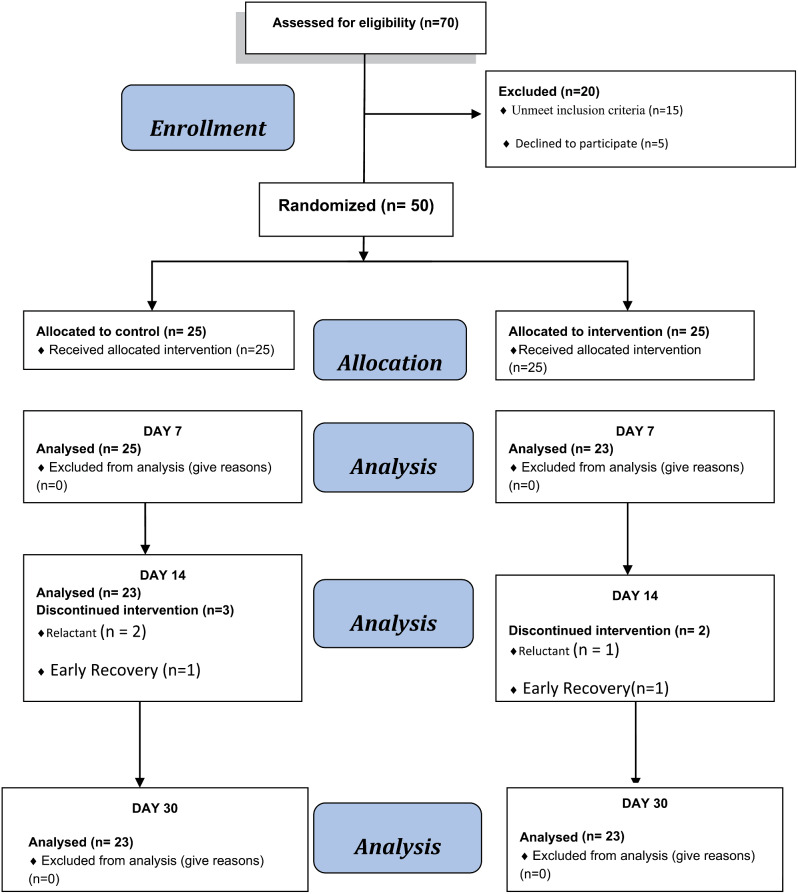
Fifty patients who participated in this clinical trial were divided into two groups via simple randomization. All the enrolled patients, who had burnt in the last 24 h, had thermal damage mechanisms and were suffering from less than 20% second-degree heat-burn wounds on the skin surface. The target group (n = 25) was treated with hAM, and the control group (n = 25) was treated with SSDZ ointment. The researcher-designed checklist was used to determine the clinical performance in the follow-up assessments on days 7, 14, and 30.
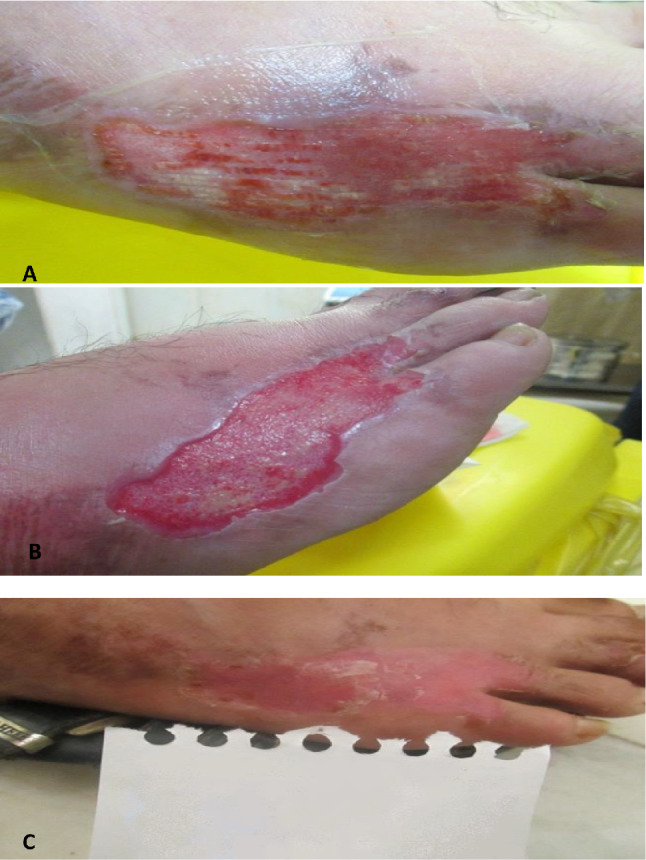
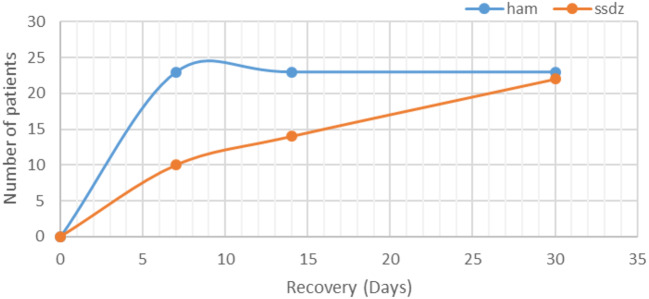
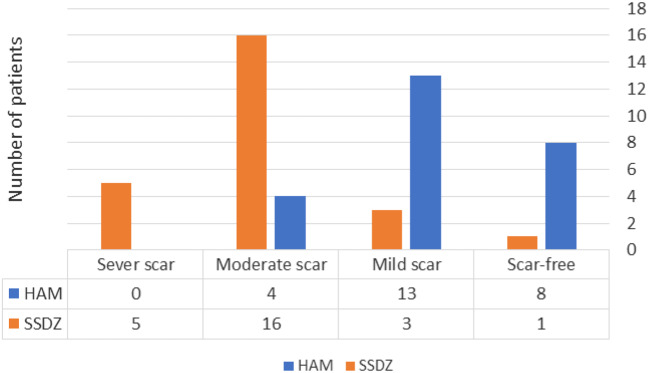
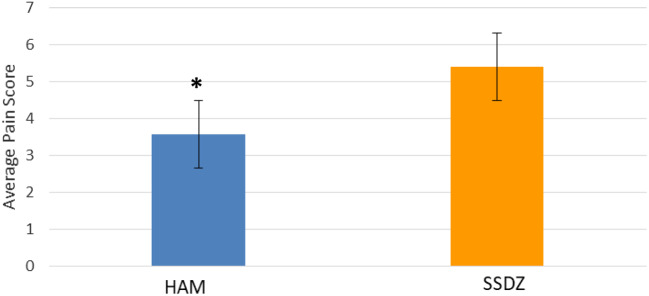
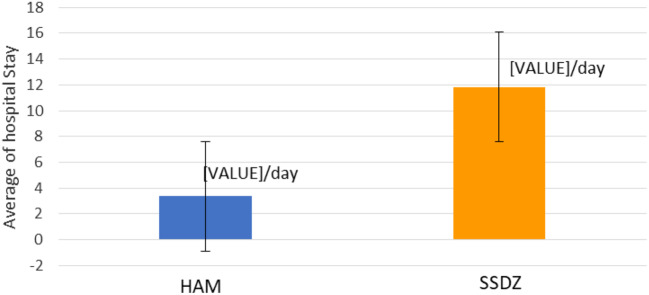
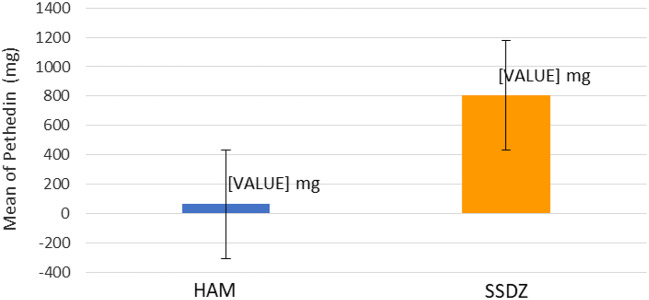
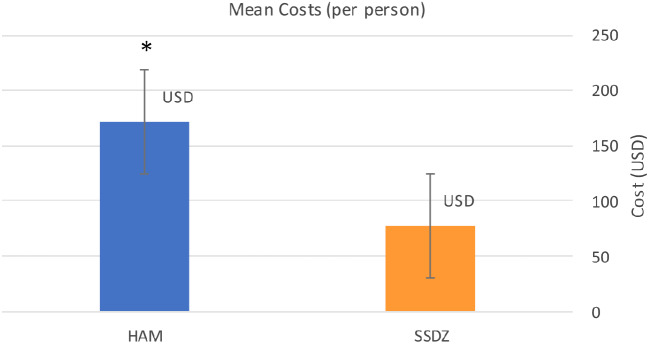
No significant differences were detected in terms of sex, age, or percentage of burn wounds (p > 0.05). Wound epithelialization at days 7, 14, and 30, scar formation, wound pigmentation, pain severity, analgesia requirements, and hospital stay length (on day 30) were significantly lower in the target group (treated with hAM) than in the control group (treated with SSDZ ointment) (p < 0.05). However, treatment costs in the target group ($170) were significantly higher than those in the control group ($71) (p < 0.001).
Despite its higher cost, hAM, as a technology-based therapy dressing, demonstrates superiority over SSDZ ointment in terms of wound healing and pain management.
由于烧伤相关的心理-情绪和社会经济影响以及剧烈疼痛,烧伤创面需要进行最佳的医学处理。合成敷料和生物敷料的使用可以改善愈合并减少烧伤创面并发症。本研究旨在比较人羊膜(hAM)敷料和传统磺胺嘧啶银(SSDZ)软膏敷料在治疗二度烧伤创面中的效果。
通过简单随机化将 50 名参与本临床试验的患者分为两组。所有入组患者均在过去 24 小时内烧伤,热损伤机制相同,皮肤表面有小于 20%的二度热烧伤创面。实验组(n=25)采用 hAM 治疗,对照组(n=25)采用 SSDZ 软膏治疗。研究人员使用设计好的检查表在第 7、14 和 30 天的随访评估中确定临床表现。
两组患者在性别、年龄或烧伤面积百分比方面无显著差异(p>0.05)。实验组(hAM 治疗)在第 7、14 和 30 天的创面上皮化、瘢痕形成、创面色素沉着、疼痛严重程度、镇痛需求和住院时间(第 30 天)方面明显低于对照组(SSDZ 软膏治疗)(p<0.05)。然而,实验组的治疗费用($170)明显高于对照组($71)(p<0.001)。
尽管 hAM 的成本较高,但作为一种基于技术的治疗性敷料,在创面愈合和疼痛管理方面优于 SSDZ 软膏。