ICAR-Indian Agricultural Research Institute, Hazaribagh, Jharkhand, 825405, India.
ICAR- Central Avian Research Institute, Izatnagar, Bareilly, 243122, India.
Sci Rep. 2024 Oct 21;14(1):24768. doi: 10.1038/s41598-024-74078-0.
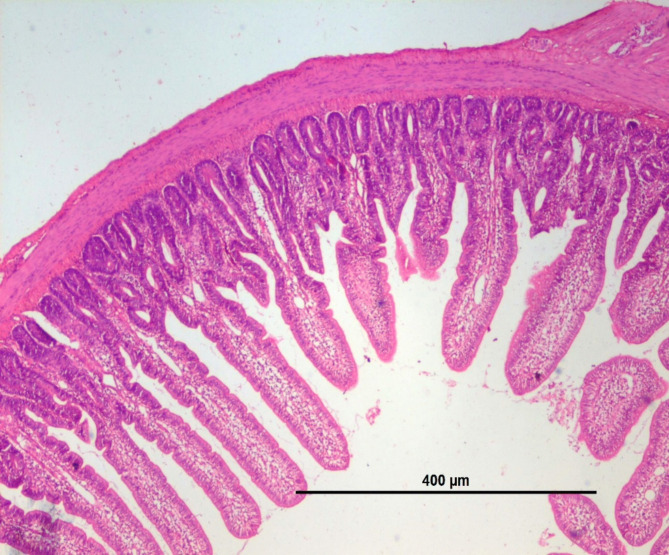
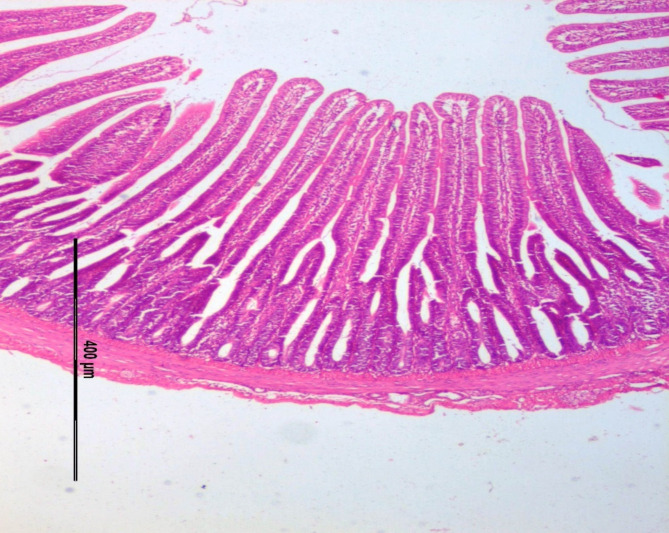
Continuous use of antibiotics in poultry feed as growth promoters poses a grave threat to humanity through the emergence of antibiotic resistance, necessitating the exploration of novel and sustainable alternatives. The present study was carried out to evaluate the performance of postbiotics derived from Lactobacillus acidophilus in broiler birds. The postbiotics were harvested by culturing probiotic bacteria from the stock cultures at the required temperature and duration under laboratory conditions and supplemented to broilers via feed. For experimentation, 480-day-old CARI-Bro Dhanraja (slow-growing broiler) straight-run chicks were randomly split up into six groups. Treatment groups diets are as follows: T1- Basal diet (BD)+0.2%(v/w) MRS Broth/ uninoculated media; T2 - BD + Antibiotic (CTC); T3- BD + Probiotic; T4, T5 & T6 - BD + postbiotics supplementation of 0.2%, 0.4% and 0.6% (v/w) respectively. The chicks were raised under an intensive, deep litter system with standard protocol for 6 weeks. Results showed that 0.2% of postbiotics (T4) had significantly (P < 0.001) higher body weight (1677.52 g) with better FCR (1.75) and immune response. Postbiotic supplementation altered various serum attributes positively, in this study. Significant (P < 0.001) reductions in total plate counts (TPC), coliform counts, and maximum Lactobacillus counts were recorded in all postbiotic-supplemented groups. The villus height (1379.25 μm), width (216.06 μm) and crept depth (179.25 μm) showed significant (P < 0.001) improvement among the treatment groups on the 21st and 42nd day of the experimental trial, with the highest value in the T4 group (0.2% postbiotic supplementation). Jejunal antioxidant values also noted significantly (P < 0.001) higher values in T4 group. The study concludes that 0.2% postbiotic supplementation can act as a substitute to antibiotic growth promoters and also combat the disfavour activity of probiotics in broilers.
在禽用饲料中连续使用抗生素作为生长促进剂,会通过抗生素耐药性的出现对人类健康构成严重威胁,因此有必要探索新型和可持续的替代品。本研究旨在评估从嗜酸乳杆菌中提取的后生元在肉鸡中的性能。通过在实验室条件下,在所需温度和时间下从储备培养物中培养益生菌,并通过饲料向肉鸡中添加,收获后生元。为了进行实验,将 480 日龄的 CARI-Bro Dhanraja(生长缓慢的肉鸡)直线育雏鸡随机分成六组。处理组的饮食如下:T1-基础饮食(BD)+0.2%(v/w)MRS 肉汤/未接种培养基;T2-BD+抗生素(CTC);T3-BD+益生菌;T4、T5 和 T6-BD+后生元补充量分别为 0.2%、0.4%和 0.6%(v/w)。小鸡在密集的、深垫料系统下,按照标准方案饲养 6 周。结果表明,添加 0.2%的后生元(T4)可显著提高体重(1677.52g)(P<0.001),并改善饲料转化率(1.75)和免疫反应。本研究中,后生元的添加对各种血清指标均有积极影响。所有添加后生元的组中,总平板计数(TPC)、大肠菌群计数和最大乳酸菌计数均显著降低(P<0.001)。试验第 21 天和第 42 天,处理组的绒毛高度(1379.25μm)、宽度(216.06μm)和爬行深度(179.25μm)均显著提高(P<0.001),其中 T4 组(添加 0.2%后生元)的值最高。空肠抗氧化值在 T4 组也显著升高(P<0.001)。研究结论认为,添加 0.2%的后生元可以替代抗生素生长促进剂,同时还能对抗益生菌在肉鸡中的不利作用。