Teng Wei, Wang Hung-Wei, Lin Shi-Ming
Department of Gastroenterology and Hepatology, Chang Gung Memorial Hospital, Linkou Medical Center, Taoyuan, Taiwan.
College of Medicine, Chang Gung University, Taoyuan, Taiwan.
Liver Cancer. 2024 Feb 12;13(5):468-486. doi: 10.1159/000537686. eCollection 2024 Oct.
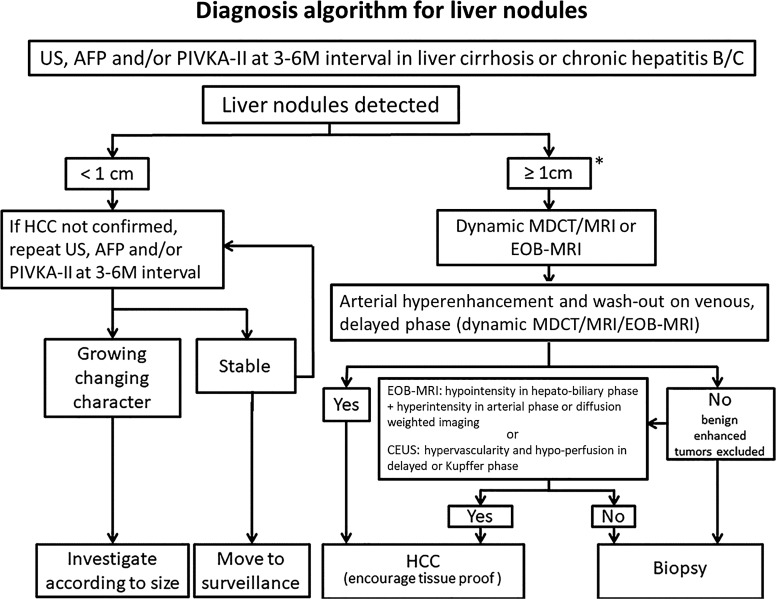
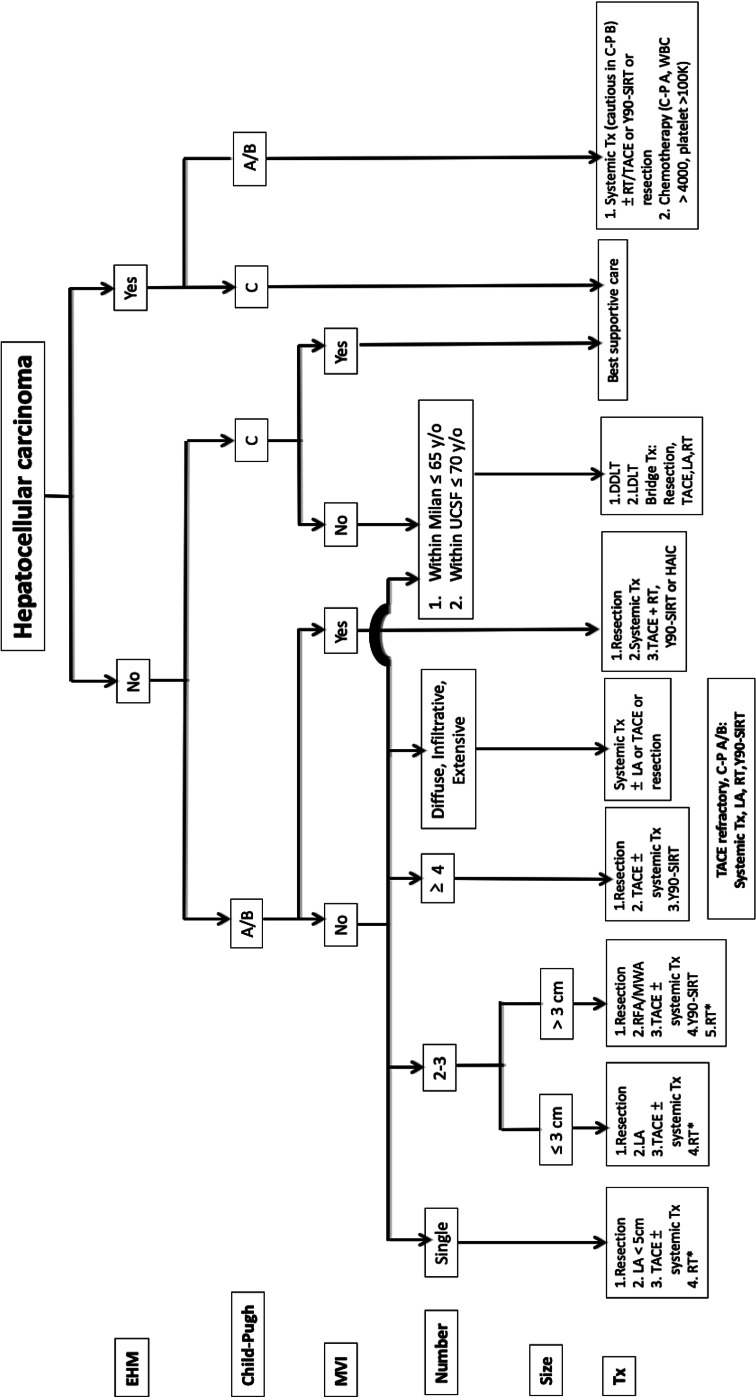
Hepatocellular carcinoma (HCC) is the leading cause of cancer-related mortality in Taiwan. The Taiwan Liver Cancer Association and the Gastroenterological Society of Taiwan established HCC management consensus guidelines in 2016 and updated them in 2023. Current recommendations focus on addressing critical issues in HCC management, including surveillance, diagnosis, systemic treatment, and posttreatment monitoring. For surveillance and diagnosis, we updated the guidelines to include the role of protein induced by vitamin K absence or antagonist II (PIVKA-II) and gadoxetic acid (Gd-EOB-DTPA)-enhanced magnetic resonance imaging (MRI) in detecting HCCs. For systemic treatment, the updated guidelines summarize the multiple choices available for targeted therapy, immune checkpoint inhibitors, and a combination of both, especially for those carcinomas refractory to or unsuitable for transarterial chemoembolization. We have added a new section, posttreatment monitoring, that describes the important roles of PIVKA-II and EOB-MRI after HCC therapy, including surgery, locoregional therapy, and systemic treatment. Through this update of the management consensus guidelines, patients with HCC may benefit from optimal diagnosis, therapeutic modalities, and posttreatment monitoring.
肝细胞癌(HCC)是台湾癌症相关死亡的主要原因。台湾肝癌协会和台湾胃肠病学会于2016年制定了HCC管理共识指南,并于2023年进行了更新。当前的建议侧重于解决HCC管理中的关键问题,包括监测、诊断、全身治疗和治疗后监测。对于监测和诊断,我们更新了指南,将维生素K缺乏或拮抗剂II诱导蛋白(PIVKA-II)和钆塞酸二钠(Gd-EOB-DTPA)增强磁共振成像(MRI)在检测HCC中的作用纳入其中。对于全身治疗,更新后的指南总结了靶向治疗、免疫检查点抑制剂以及两者联合治疗的多种选择,特别是对于那些对经动脉化疗栓塞难治或不适合的癌症。我们新增了一个章节,即治疗后监测,描述了PIVKA-II和EOB-MRI在HCC治疗后(包括手术、局部区域治疗和全身治疗)的重要作用。通过此次管理共识指南的更新,HCC患者可能会从最佳诊断、治疗方式和治疗后监测中获益。