Faculty of Movement and Rehabilitation Sciences, UCLouvain, Louvain-la-Neuve, Belgium.
Geriatrics Ward, CHU UCL Namur (Godinne), Yvoir, Belgium.
BMC Geriatr. 2024 Oct 23;24(1):866. doi: 10.1186/s12877-024-05474-4.
While the benefits of physiotherapy for hospitalized older patients (HOPs) are well established, these patients are often considered demotivated by healthcare team members (HTMs), which is perceived as a hindrance to their rehabilitation. The quantitative data currently available on the lack of involvement of HOPs are mainly measures of mobility. Motivation as such has, to our knowledge, never been measured. Therefore, this study aims to quantify for the first time the motivation levels of HOPs in their participation in activities of daily living (ADLs) and physiotherapy, and to explore the motivating factors behind their participation in physiotherapy.
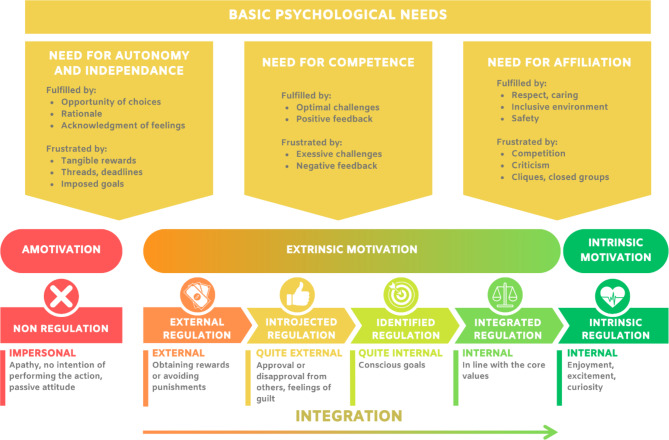
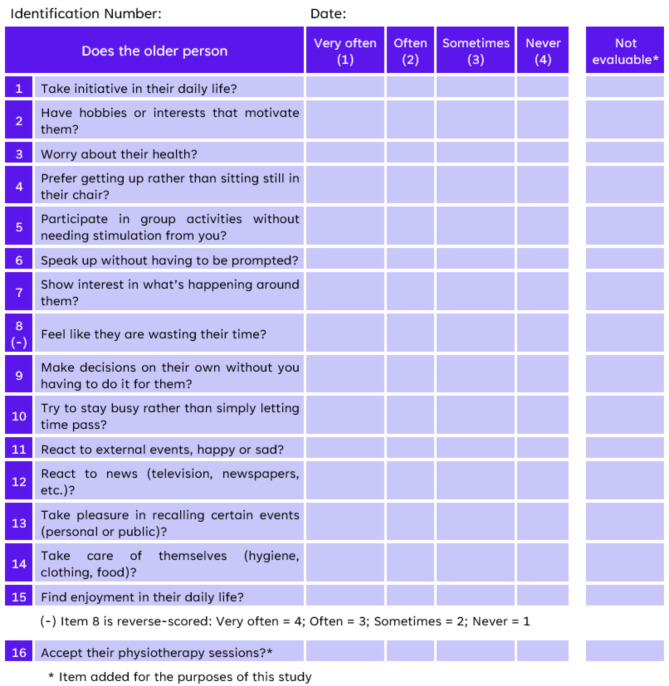
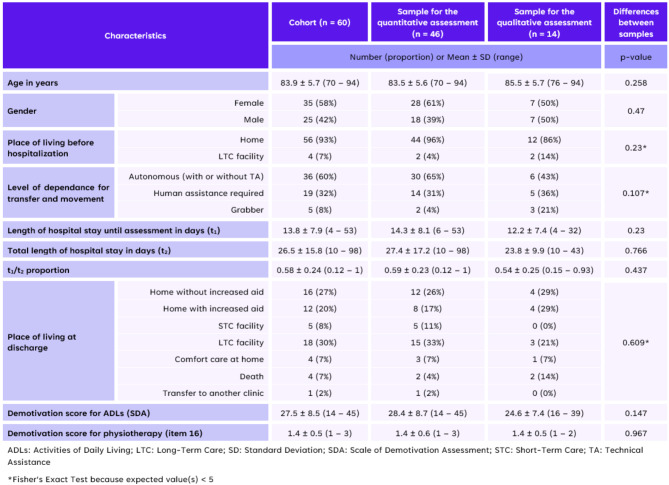
The motivation of 60 older patients hospitalized in an acute geriatrics ward was quantified using the Scale of Demotivation Assessment (SDA). Out of these participants, 14 were interrogated through individual semi-structured face-to-face interviews. After transcription, data were analyzed according to Self-Determination Theory, which has been proven effective in the understanding of motivational mechanisms.
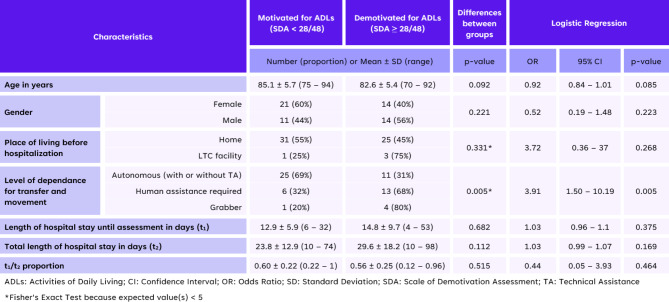
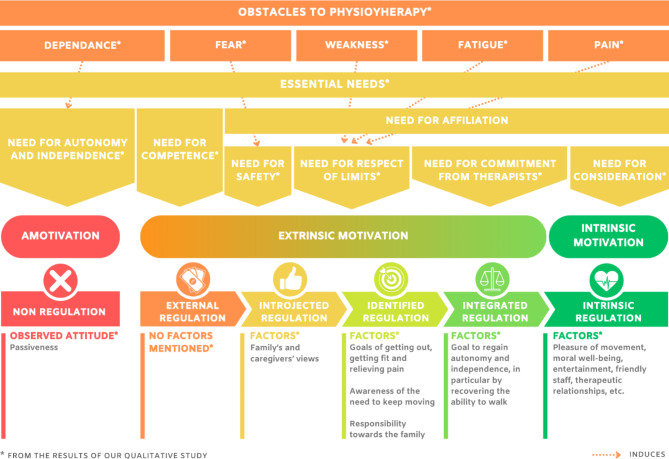
The prevalence of demotivation was 47% (95% CI: [0.34;0.6]) for ADLs and 35% (95% CI: [0.23;0.48]) for physiotherapy. The main demotivating factors were the feeling of external control (lack of autonomy) and dependance experienced by HOPs, as well as the limited availability of staff during hospitalization. Conversely, feelings of competence, security, respect for limits, and commitment from the HTMs were important motivating factors.
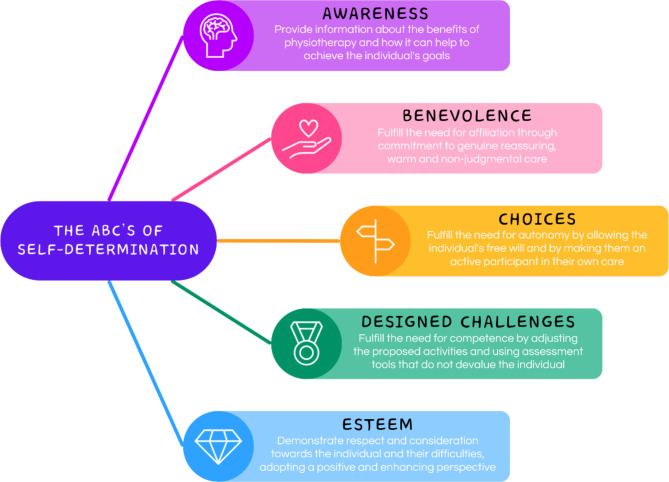
A large number of relational factors have an impact on the motivation of HOPs regarding their participation in ADLs and in physiotherapy sessions. Appropriate time and space organizing and the provision of suitable equipment, combined with a genuine caring and respectful attitude from the HTMs, could considerably encourage the expression of intrinsic motivation and thus the involvement of HOPs in their own care program.
尽管物理治疗对住院老年患者(HOP)的益处已得到充分证实,但这些患者常常被医疗团队成员(HTM)认为缺乏积极性,这被认为是他们康复的障碍。目前关于 HOP 参与度不高的定量数据主要是关于活动能力的衡量标准。就我们所知,动机从未被测量过。因此,本研究旨在首次量化 HOP 参与日常生活活动(ADL)和物理治疗的积极性,并探讨他们参与物理治疗的动机因素。
使用动机评估量表(SDA)对入住急性老年病房的 60 名老年患者的动机进行量化。在这些参与者中,有 14 人通过个人半结构化面对面访谈进行了询问。转录后,根据已被证明对理解动机机制有效的自我决定理论对数据进行了分析。
ADL 的动力缺失发生率为 47%(95%置信区间:[0.34;0.6]),物理治疗的动力缺失发生率为 35%(95%置信区间:[0.23;0.48])。主要的动机缺失因素是 HOP 感受到的外部控制(缺乏自主性)和依赖感,以及住院期间工作人员的有限可用性。相反,HTM 感受到的能力感、安全感、对限制的尊重以及承诺是重要的激励因素。
大量的关系因素对 HOP 参与 ADL 和物理治疗课程的积极性产生影响。适当的时间和空间组织以及提供合适的设备,加上 HTM 真诚的关怀和尊重的态度,可以极大地鼓励内在动机的表达,从而鼓励 HOP 参与他们自己的护理计划。