Department of Oncology, Rwanda Military Hospital, Kigali, Rwanda.
School of Medicine, University of Rwanda, Kigali, Rwanda.
JCO Glob Oncol. 2024 Oct;10:e2400131. doi: 10.1200/GO.24.00131. Epub 2024 Oct 24.
Cancer continues to be a significant public health concern. Sub-Saharan Africa (SSA) struggles with a lack of proper infrastructure and adequate cancer care workforce. This has led to some countries relying on referrals of cancer care to countries with higher income levels. In some instances, patients refer themselves. Some countries have made it their goal to attract patients from other countries, a term that has been referred to as medical tourism. In this article, we explore the current status of oncology-related medical tourism in SSA.
This was a cross-sectional study. The study participants included oncologists, surgeons, and any other physicians who take care of patients with cancer. A predesigned questionnaire was distributed through African Organization for Research and Training in Cancer member mailing list and through study team personal contacts and social media.
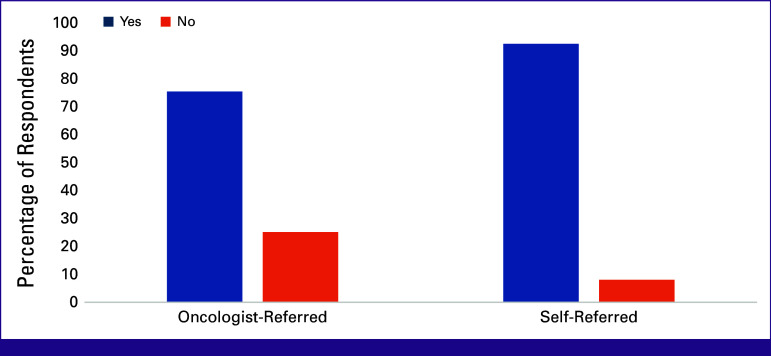
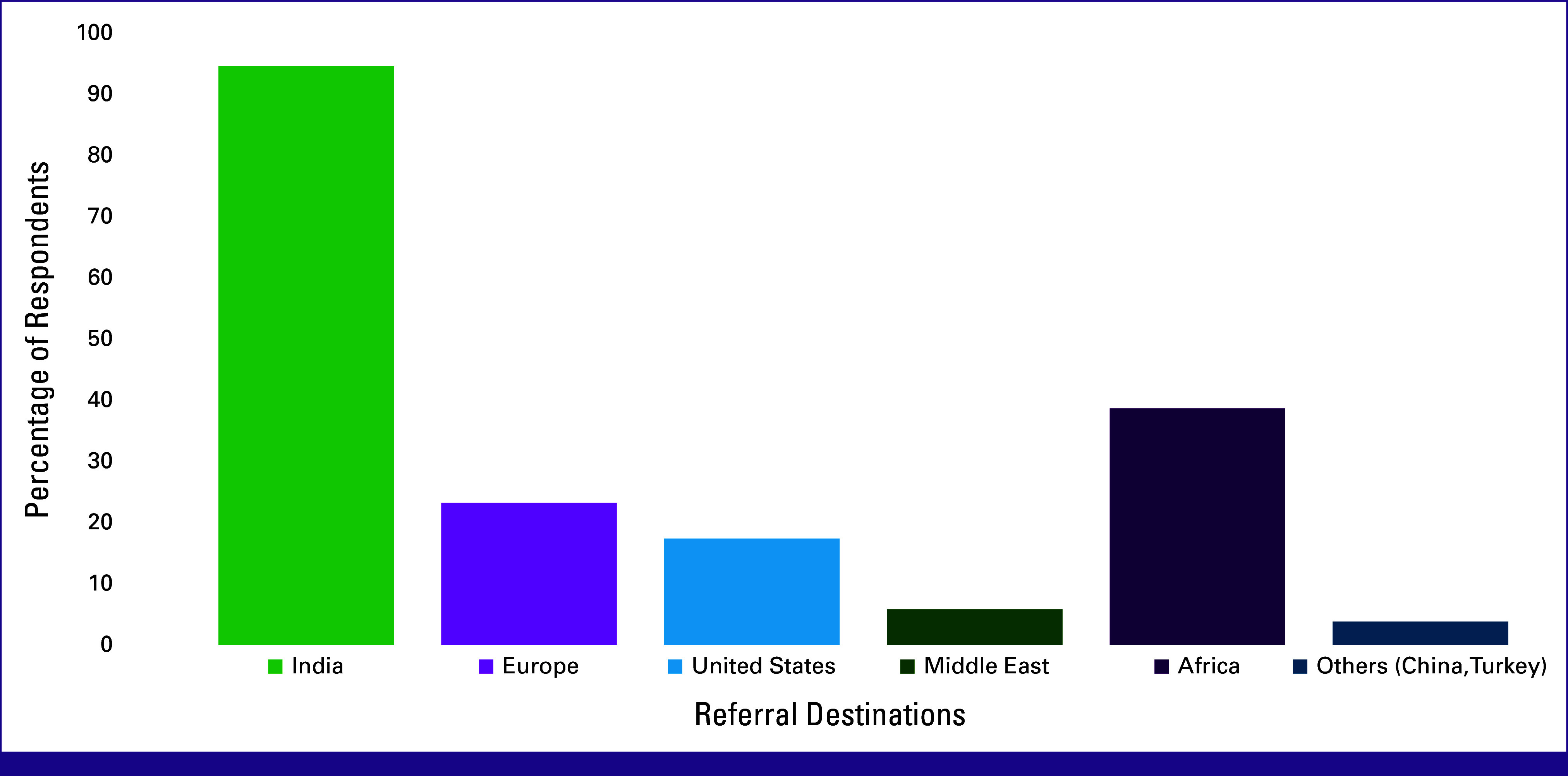
A total of 52 participants from 17 African countries with a 1.6:2 male to female ratio responded to the survey. Most (55.8%) of the respondents were from Eastern African countries. The majority (92%) of study participants reported that they knew patients who referred themselves abroad, whereas 75% referred patients abroad, and the most common (94%) referral destination was India. The most common (93%) reason for referral was perception of a higher quality of care in foreign health institutions.
The findings suggest the need to improve local health care systems including building trust of the system among general population. The study highlights potential financial toxicity, and it adds to the current emphasis on return of investment on homegrown workforce and cancer treatment infrastructure.
癌症仍然是一个重大的公共卫生问题。撒哈拉以南非洲(SSA)缺乏适当的基础设施和充足的癌症护理劳动力,因此面临着一些国家依赖向收入水平较高的国家转诊癌症护理的问题。在某些情况下,患者会自行转诊。一些国家已将吸引其他国家的患者作为其目标,这一术语被称为医疗旅游。本文探讨了 SSA 肿瘤学相关医疗旅游的现状。
这是一项横断面研究。研究参与者包括肿瘤学家、外科医生和任何其他照顾癌症患者的医生。通过非洲癌症研究和培训组织成员的邮件列表以及研究团队的个人联系和社交媒体分发了预先设计的问卷。
共有来自 17 个非洲国家的 52 名参与者做出了回应,男女比例为 1.6:2。大多数(55.8%)受访者来自东非国家。大多数(92%)研究参与者报告说,他们认识自己转诊到国外的患者,而 75%的参与者转诊到国外,最常见(94%)的转诊目的地是印度。转诊的最常见(93%)原因是认为国外医疗机构的医疗质量更高。
调查结果表明,有必要改善当地的医疗保健系统,包括在普通民众中建立对该系统的信任。该研究强调了潜在的财务毒性问题,这增加了对投资国内劳动力和癌症治疗基础设施的回报的当前重视。