Nica Mihaela-Alexandra, Anuța Valentina, Nicolae Cristian Andi, Popa Lăcrămioara, Ghica Mihaela Violeta, Cocoș Florentina-Iuliana, Dinu-Pîrvu Cristina-Elena
Department of Physical and Colloidal Chemistry, Faculty of Pharmacy, "Carol Davila" University of Medicine and Pharmacy, 6 Traian Vuia Str., 020956 Bucharest, Romania.
Innovative Therapeutic Structures Research and Development Centre (InnoTher), "Carol Davila" University of Medicine and Pharmacy, 6 Traian Vuia Str., 020956 Bucharest, Romania.
Pharmaceuticals (Basel). 2024 Oct 2;17(10):1316. doi: 10.3390/ph17101316.
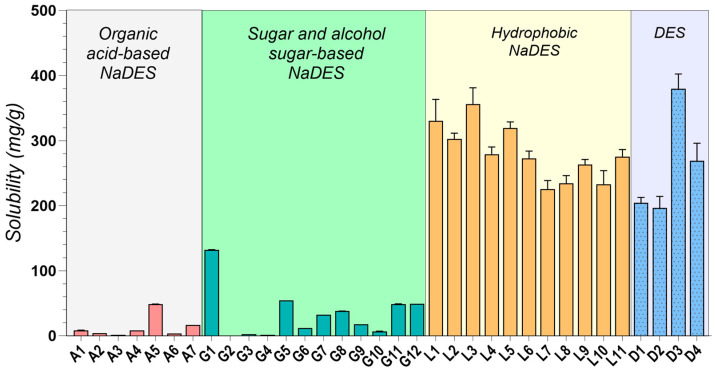
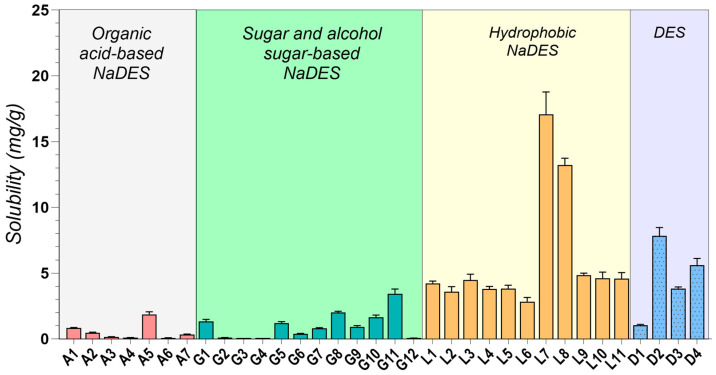
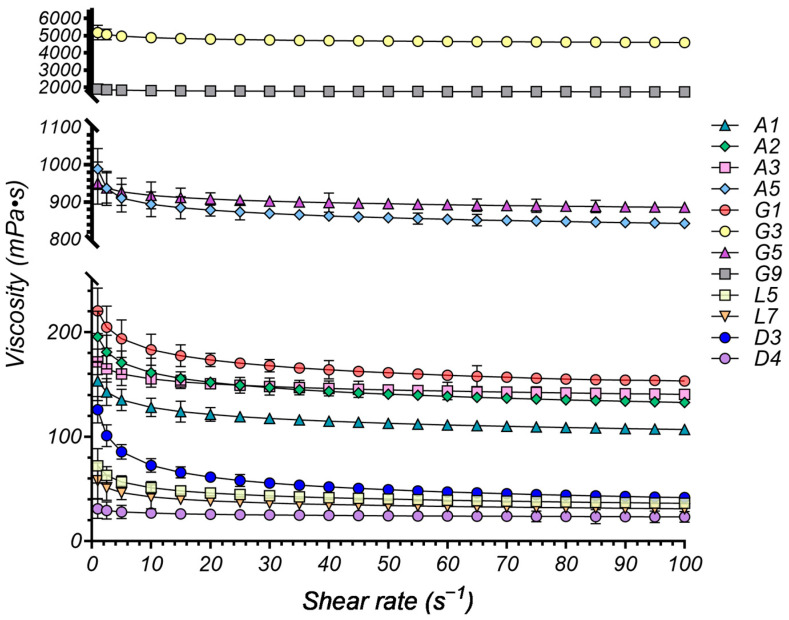
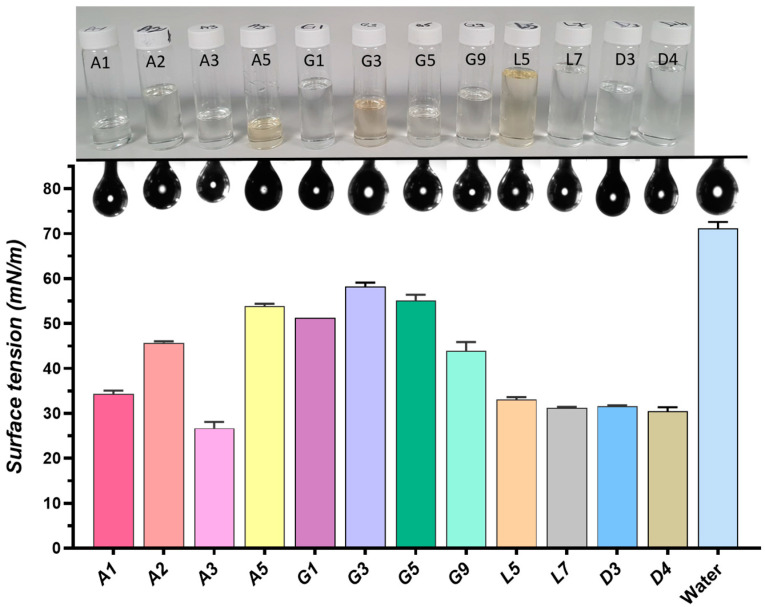
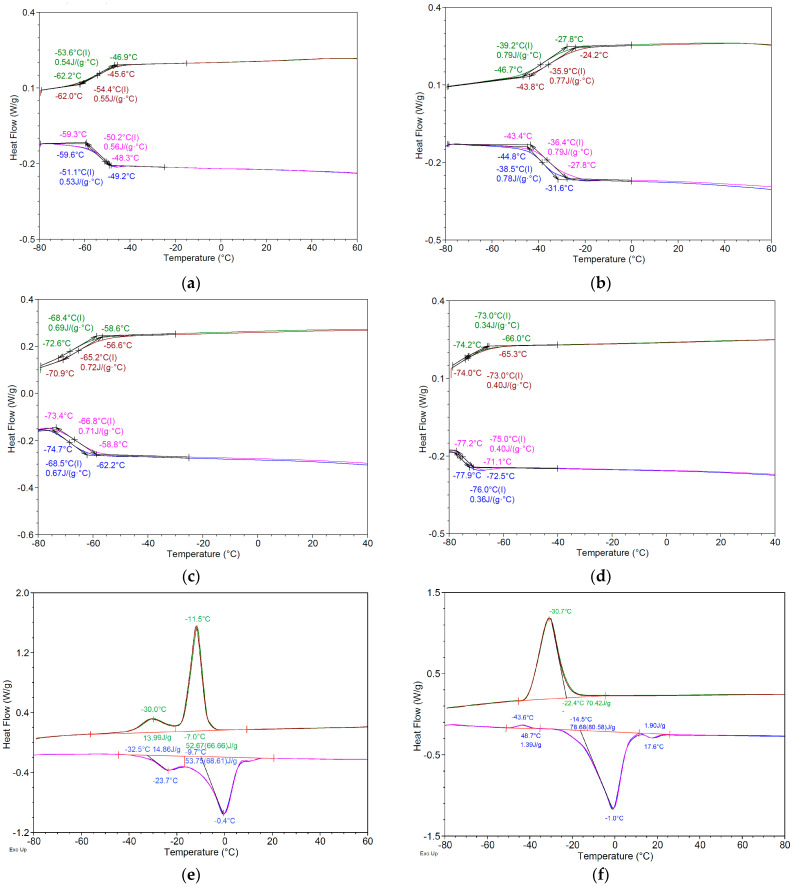
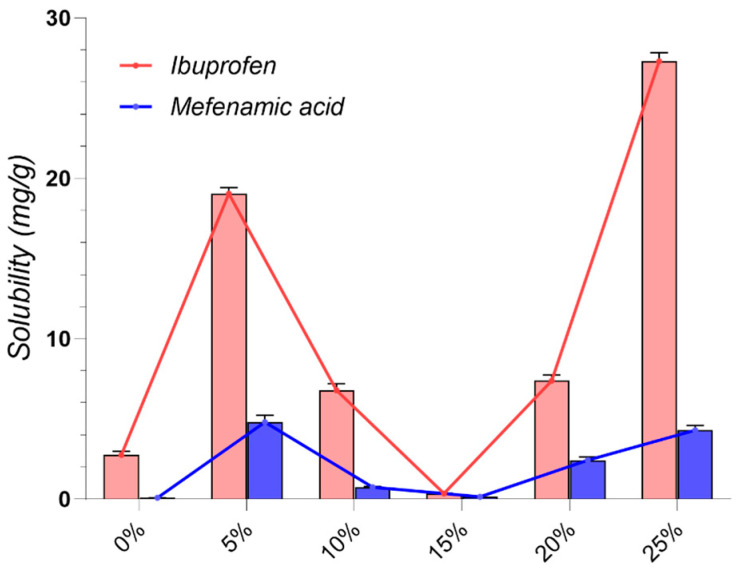
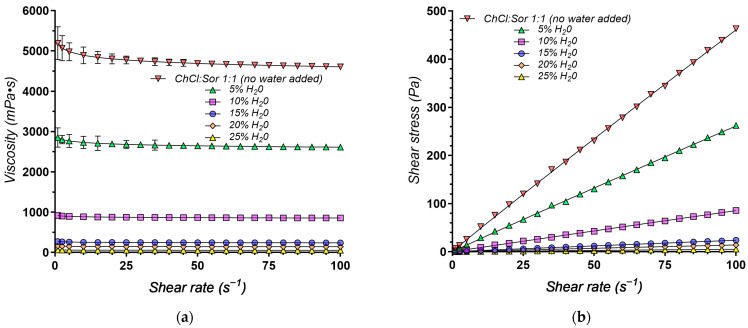
: The study explores the potential of various deep eutectic solvents (DESs) to serve as drug delivery systems and pharmaceutical excipients. The research focuses on two primary objectives: evaluating the ability of the selected DES systems to enhance the solubility of two poorly water-soluble model drugs (IBU and MFA), and evaluating their physicochemical properties, including density, viscosity, flow behavior, surface tension, thermal stability, and water dilution effects, to determine their suitability for pharmaceutical applications. : A range of DES systems containing pharmaceutically acceptable constituents was explored, encompassing organic acid-based, sugar- and sugar alcohol-based, and hydrophobic systems, as well as menthol (MNT)-based DES systems with common pharmaceutical excipients. MNT-based DESs exhibited the most significant solubility enhancements. : IBU solubility reached 379.69 mg/g in MNT: PEG 400 (1:1) and 356.3 mg/g in MNT:oleic acid (1:1), while MFA solubility peaked at 17.07 mg/g in MNT:Miglyol 812N (1:1). In contrast, solubility in hydrophilic DES systems was significantly lower, with choline chloride: glycerol (1:2) and arginine: glycolic acid (1:8) showing the best results. While demonstrating lower solubility compared to the MNT-based systems, sugar-based DESs exhibited increased tunability via water and glycerol addition both in terms of solubility and physicochemical properties, such as viscosity and surface tension. : Our study introduces novel DES systems, expanding the repertoire of pharmaceutically acceptable DES formulations and opening new avenues for the rational design of tailored solvent systems to overcome solubility challenges and enhance drug delivery.
该研究探索了各种深共熔溶剂(DESs)作为药物递送系统和药用辅料的潜力。该研究聚焦于两个主要目标:评估所选DES系统提高两种难溶性模型药物(布洛芬和甲芬那酸)溶解度的能力,以及评估它们的物理化学性质,包括密度、粘度、流动行为、表面张力、热稳定性和水稀释效应,以确定它们在药物应用中的适用性。探索了一系列含有药学上可接受成分的DES系统,包括基于有机酸的、基于糖和糖醇的、疏水性系统,以及含有常见药用辅料的基于薄荷醇(MNT)的DES系统。基于MNT的DES表现出最显著的溶解度增强。布洛芬在MNT:聚乙二醇400(1:1)中的溶解度达到379.69 mg/g,在MNT:油酸(1:1)中的溶解度达到356.3 mg/g,而甲芬那酸在MNT:Miglyol 812N(1:1)中的溶解度峰值为17.07 mg/g。相比之下,亲水性DES系统中的溶解度显著较低,氯化胆碱:甘油(1:2)和精氨酸:乙醇酸(1:8)表现出最好的结果。虽然与基于MNT的系统相比溶解度较低,但基于糖的DES通过添加水和甘油在溶解度和物理化学性质(如粘度和表面张力)方面表现出更高的可调性。我们的研究引入了新型DES系统,扩大了药学上可接受的DES制剂的范围,并为合理设计定制溶剂系统开辟了新途径,以克服溶解度挑战并增强药物递送。