Institute of Molecular Medicine, Feinstein Institutes for Medical Research, Northwell Health, 350 Community Dr., Manhasset, NY, 11030, USA.
Arthritis and Tissue Degeneration Program, Hospital for Special Surgery at Weill Cornell Medicine, New York, New York, 10021, USA.
Mol Med. 2024 Nov 6;30(1):202. doi: 10.1186/s10020-024-00970-0.
Sepsis survivors exhibit immune dysregulation that contributes to poor long-term outcomes. Phenotypic and functional alterations within the myeloid compartment are believed to be a contributing factor. Here we dissect the cellular and transcriptional heterogeneity of splenic CD11bLy6C myeloid cells that are expanded in mice that survive the cecal ligation and puncture (CLP) murine model of polymicrobial sepsis to better understand the basis of immune dysregulation in sepsis survivors.
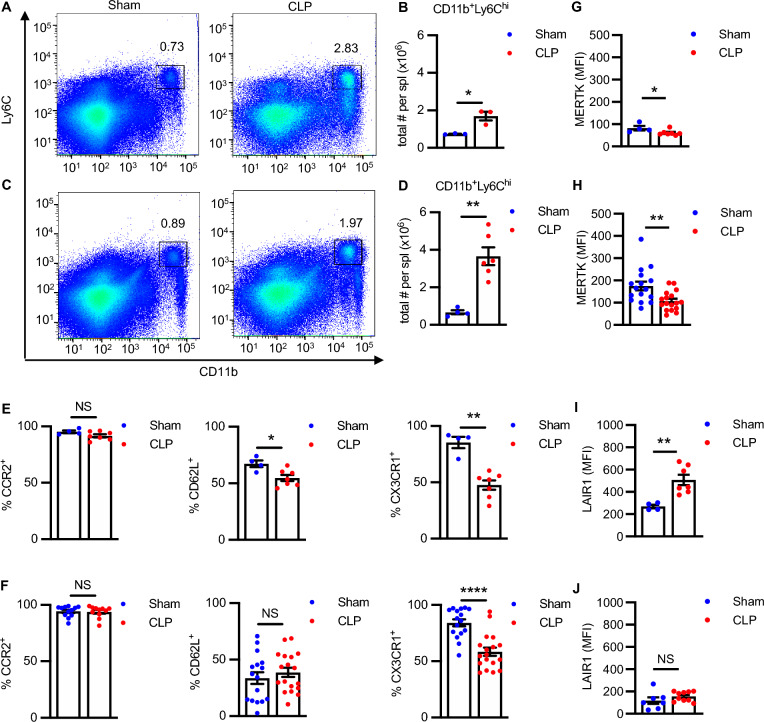
Sham or CLP surgeries were performed on C57BL/6J and BALB/c mice. Four weeks later splenic CD11bLy6C cells from both groups were isolated for phenotypic (flow cytometry) and functional (phagocytosis and glycolysis) characterization and RNA was obtained for single-cell RNA-seq (scRNA-seq) and subsequent analysis.
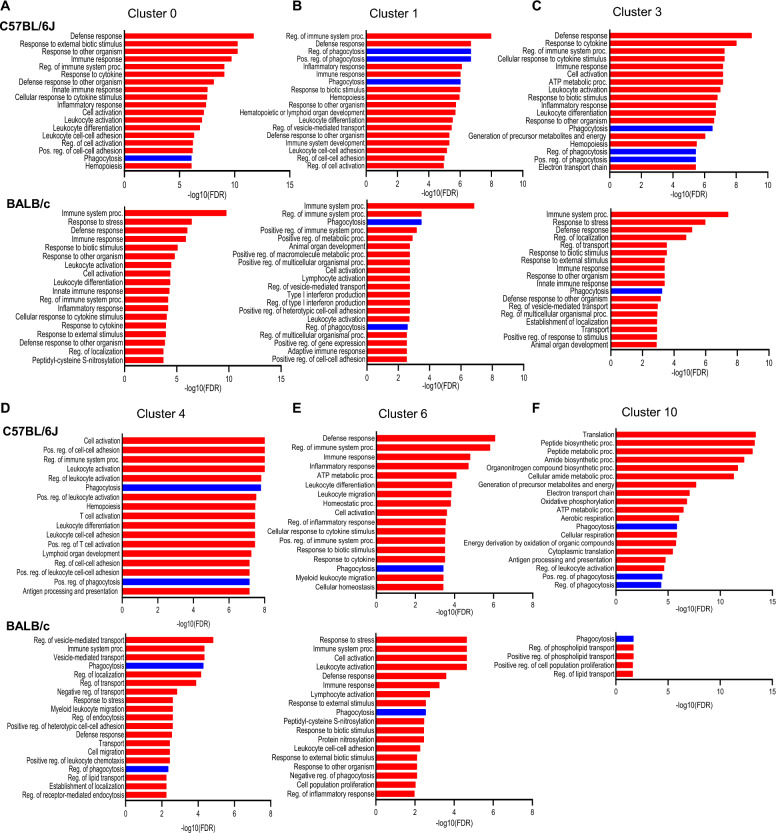
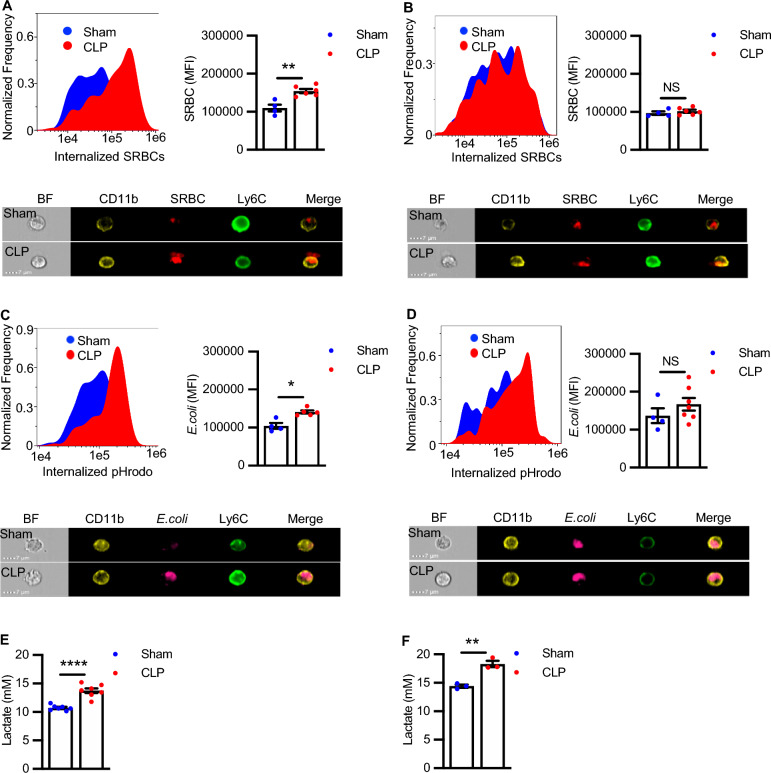
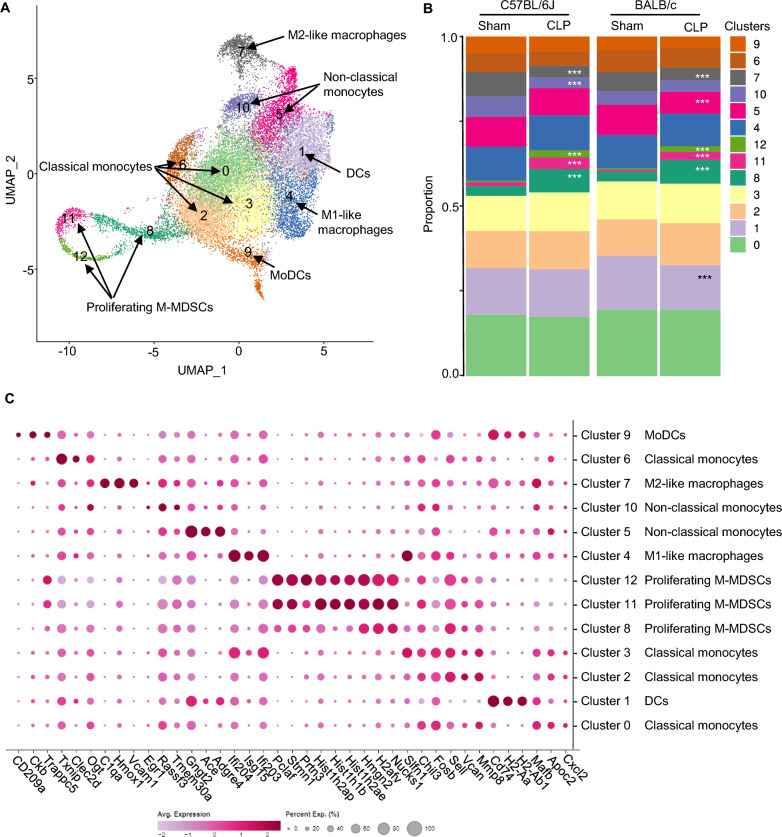
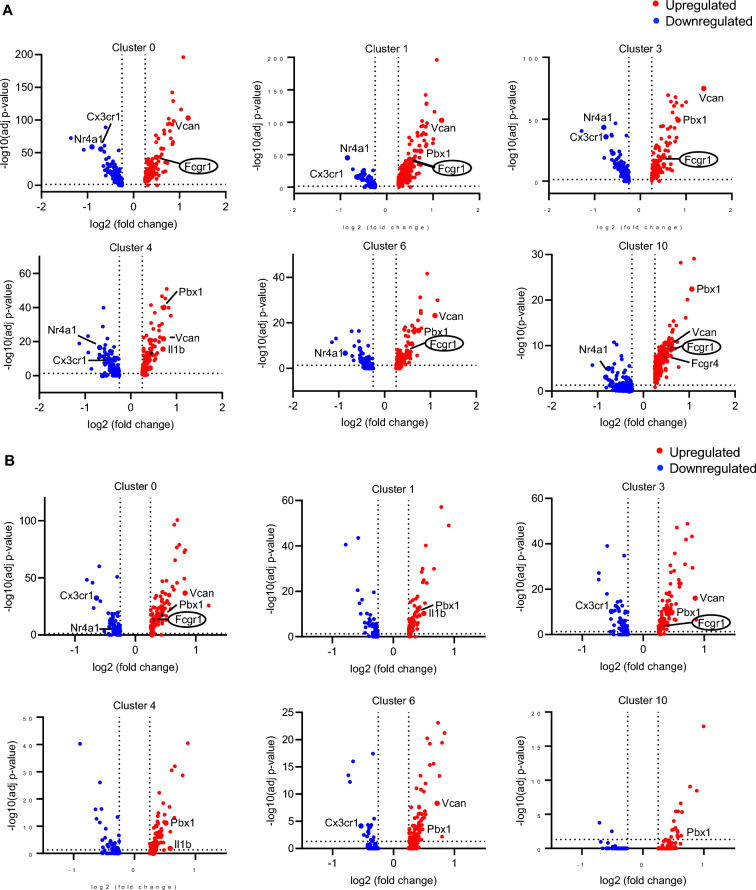
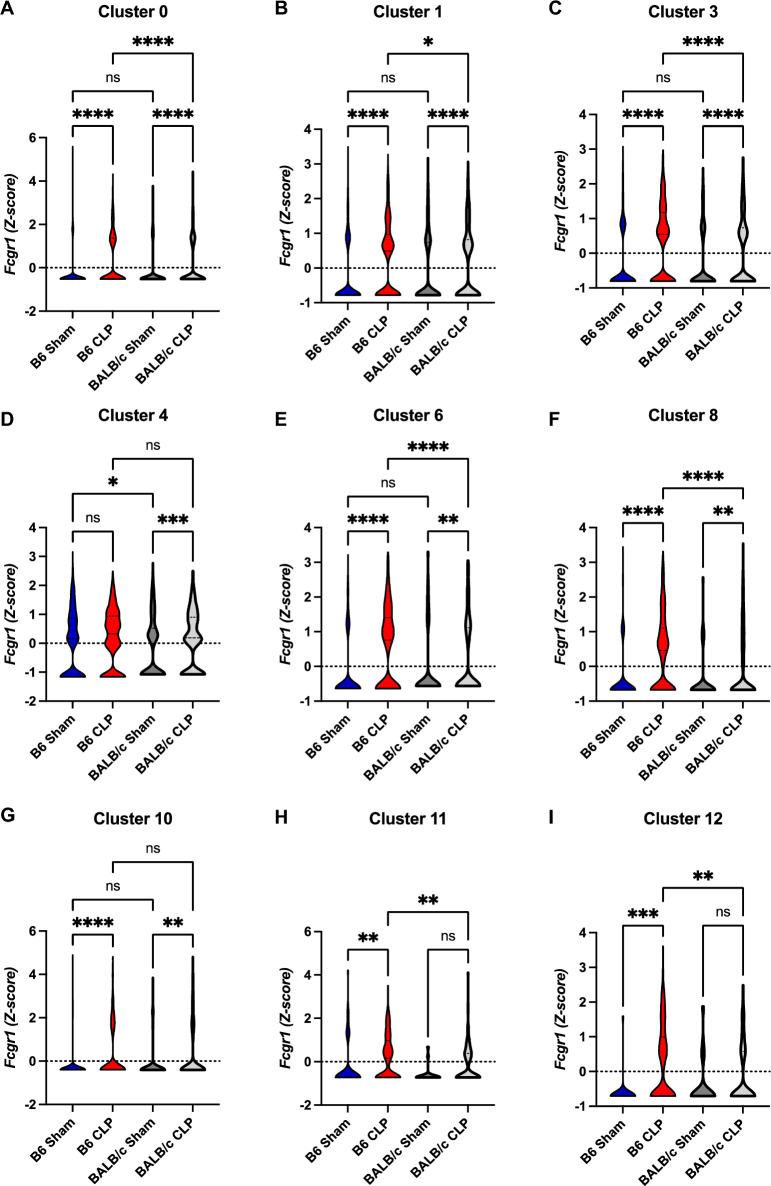
CD11bLy6C cells from sham and CLP surviving mice exhibit phenotypic and functional differences that relate to immune function, some of which are observed in both C57BL/6J and BALB/c strains and others that are not. To dissect disease-specific and strain-specific distinctions within the myeloid compartment, scRNA-seq analysis was performed on CD11bLy6C cells from C57BL/6J and BALB/c sham and CLP mice. Uniform Manifold Approximation and Projection from both strains identified 13 distinct clusters of sorted CD11bLy6C cells demonstrating significant transcriptional heterogeneity and expressing gene signatures corresponding to classical-monocytes, non-classical monocytes, M1- or M2-like macrophages, dendritic-like cells, monocyte-derived dendritic-like cells, and proliferating monocytic myeloid-derived suppressor cells (M-MDSCs). Frequency plots showed that the percentages of proliferating M-MDSCs (clusters 8, 11 and 12) were increased in CLP mice compared to sham mice in both strains. Pathway and UCell score analysis in CLP mice revealed that cell cycle and glycolytic pathways were upregulated in proliferating M-MDSCs in both strains. Notably, granule protease genes were upregulated in M-MDSCs from CLP mice. ScRNA-seq analyses also showed that phagocytic pathways were upregulated in multiple clusters including the classical monocyte cluster, confirming the increased phagocytic capacity in CD11bLy6C cells from CLP mice observed in ex vivo functional assays in C57BL/6J mice.
The splenic CD11bLy6C myeloid populations expanded in survivors of CLP sepsis correspond to proliferating cells that have an increased metabolic demand and gene signatures consistent with M-MDSCs, a population known to have immunosuppressive capacity.
脓毒症幸存者表现出免疫失调,这导致了较差的长期预后。髓系细胞的表型和功能改变被认为是一个促成因素。在这里,我们剖析了在经历盲肠结扎和穿刺(CLP)多微生物脓毒症小鼠模型后存活的小鼠中扩增的脾脏 CD11bLy6C 髓样细胞的细胞和转录异质性,以更好地了解脓毒症幸存者免疫失调的基础。
对 C57BL/6J 和 BALB/c 小鼠进行假手术或 CLP 手术。四周后,从两组小鼠中分离脾脏 CD11bLy6C 细胞,进行表型(流式细胞术)和功能(吞噬作用和糖酵解)特征分析,并获取单细胞 RNA 测序(scRNA-seq)和随后的分析所需的 RNA。
来自 sham 和 CLP 存活小鼠的 CD11bLy6C 细胞表现出与免疫功能相关的表型和功能差异,其中一些差异在 C57BL/6J 和 BALB/c 两种品系中均观察到,而另一些差异则没有。为了剖析髓系细胞中与疾病相关和与品系相关的区别,我们对来自 C57BL/6J 和 BALB/c sham 和 CLP 小鼠的 CD11bLy6C 细胞进行了 scRNA-seq 分析。来自两种品系的统一流形逼近和投影(Uniform Manifold Approximation and Projection,UMAP)鉴定了 13 个不同的 CD11bLy6C 细胞聚类,显示出显著的转录异质性,并表达与经典单核细胞、非经典单核细胞、M1 或 M2 样巨噬细胞、树突状样细胞、单核细胞衍生的树突状样细胞和增殖的单核细胞髓系来源的抑制细胞(monocytic myeloid-derived suppressor cells,M-MDSCs)相对应的基因特征。频率图显示,与 sham 组相比,CLP 组两种品系的增殖性 M-MDSCs(簇 8、11 和 12)的百分比增加。CLP 组的通路和 UCell 评分分析显示,细胞周期和糖酵解途径在两种品系的增殖性 M-MDSCs 中上调。值得注意的是,颗粒蛋白酶基因在 CLP 小鼠的 M-MDSCs 中上调。scRNA-seq 分析还显示,吞噬途径在多个聚类中上调,包括经典单核细胞聚类,这证实了在 C57BL/6J 小鼠的体外功能测定中观察到的 CLP 脓毒症小鼠中 CD11bLy6C 细胞的吞噬能力增加。
CLP 脓毒症幸存者中扩增的脾脏 CD11bLy6C 髓样细胞群与增殖细胞相对应,这些细胞具有更高的代谢需求和与 M-MDSCs 一致的基因特征,M-MDSCs 是一种具有免疫抑制能力的细胞群。