• 文献检索
  • 文档翻译
  • 深度研究
  • 学术资讯
  • Suppr Zotero 插件Zotero 插件
  • 邀请有礼
  • 套餐&价格
  • 历史记录
应用&插件
Suppr Zotero 插件Zotero 插件浏览器插件Mac 客户端Windows 客户端微信小程序
定价
高级版会员购买积分包购买API积分包
服务
文献检索文档翻译深度研究API 文档MCP 服务
关于我们
关于 Suppr公司介绍联系我们用户协议隐私条款
关注我们

Suppr 超能文献

核心技术专利:CN118964589B侵权必究
粤ICP备2023148730 号-1Suppr @ 2026

文献检索

告别复杂PubMed语法,用中文像聊天一样搜索,搜遍4000万医学文献。AI智能推荐,让科研检索更轻松。

立即免费搜索

文件翻译

保留排版,准确专业,支持PDF/Word/PPT等文件格式,支持 12+语言互译。

免费翻译文档

深度研究

AI帮你快速写综述,25分钟生成高质量综述,智能提取关键信息,辅助科研写作。

立即免费体验

前交叉韧带损伤后的神经认知与神经肌肉康复技术,第1部分:优化术后急性期恢复——临床述评

Neurocognitive and Neuromuscular Rehabilitation Techniques after ACL Injury, Part 1: Optimizing Recovery in the Acute Post-Operative Phase- A Clinical Commentary.

作者信息

Wilk Kevin E, Ivey Morgan, Thomas Zachary M, Lupowitz Lewis

机构信息

Champion Sports Medicine, Select Medical.

Director of Rehabilitative Research American Sports Medicine Institute.

出版信息

Int J Sports Phys Ther. 2024 Nov 2;19(11):1373-1385. doi: 10.26603/001c.124945. eCollection 2024.

DOI:10.26603/001c.124945
PMID:39507089
原文链接:https://pmc.ncbi.nlm.nih.gov/articles/PMC11540096/
Abstract

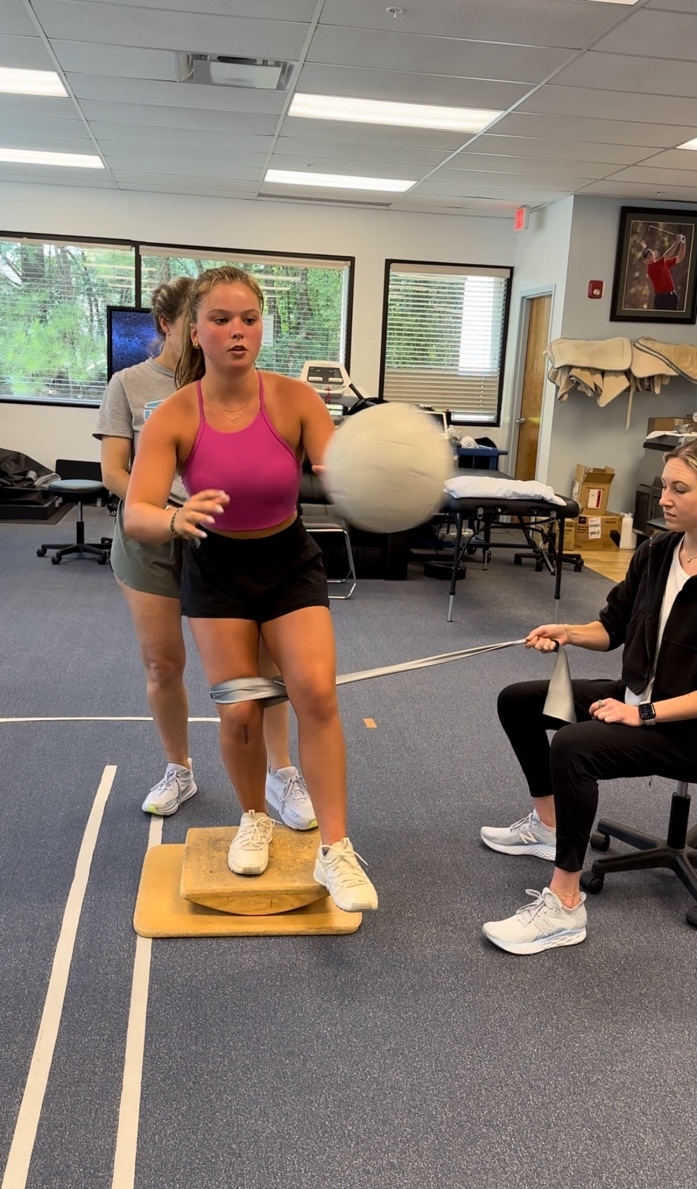
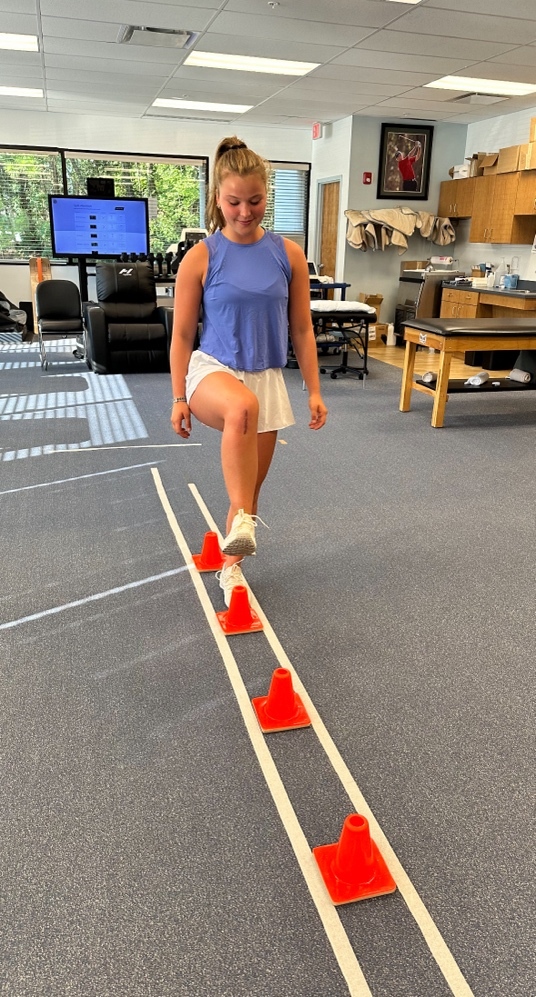
Anterior cruciate ligament (ACL) injury rates are on the rise, despite improved surgical techniques and prevention programs. While traditional rehabilitation emphasizes the restoration of motion, strength, and physical performance, emerging research highlights the importance of addressing neurocognitive deficits that can persist after injury. These deficits, including altered proprioception, impaired motor control and muscle recruitment, as well as heightened reliance on visual feedback, can significantly increase the risk of re-injury and impede return to sport. The purpose of this clinical commentary is to outline a proposed comprehensive approach to rehabilitation that challenges the neurocognitive system to optimize rehabilitation outcomes and reduce reinjury risk. Thus, this clinical commentary discusses the rationale for integrating neurocognitive training into all phases of ACLR rehabilitation, from initial injury to eight weeks post-surgery. It details the neurophysiological changes caused by ACL injury and presents evidence supporting the use of exercises that challenge visual attention, decision-making, and motor planning. A comprehensive rehabilitation framework incorporating both physical and neurocognitive components is proposed, aiming to improve long-term outcomes and reduce re-injury risk. Level of Evidence: 5.

摘要

尽管手术技术和预防方案有所改进,但前交叉韧带(ACL)损伤率仍在上升。传统康复强调恢复运动、力量和身体机能,而新出现的研究则凸显了应对损伤后可能持续存在的神经认知缺陷的重要性。这些缺陷包括本体感觉改变、运动控制和肌肉募集受损,以及对视觉反馈的过度依赖,会显著增加再次受伤的风险,并阻碍重返运动。本临床评论的目的是概述一种提议的综合康复方法,该方法对神经认知系统提出挑战,以优化康复效果并降低再次受伤风险。因此,本临床评论讨论了将神经认知训练纳入ACL重建康复各阶段(从初始损伤到术后八周)的基本原理。它详细阐述了ACL损伤引起的神经生理变化,并提供了支持使用挑战视觉注意力、决策和运动规划的练习的证据。提出了一个包含身体和神经认知成分的综合康复框架,旨在改善长期效果并降低再次受伤风险。证据级别:5级。
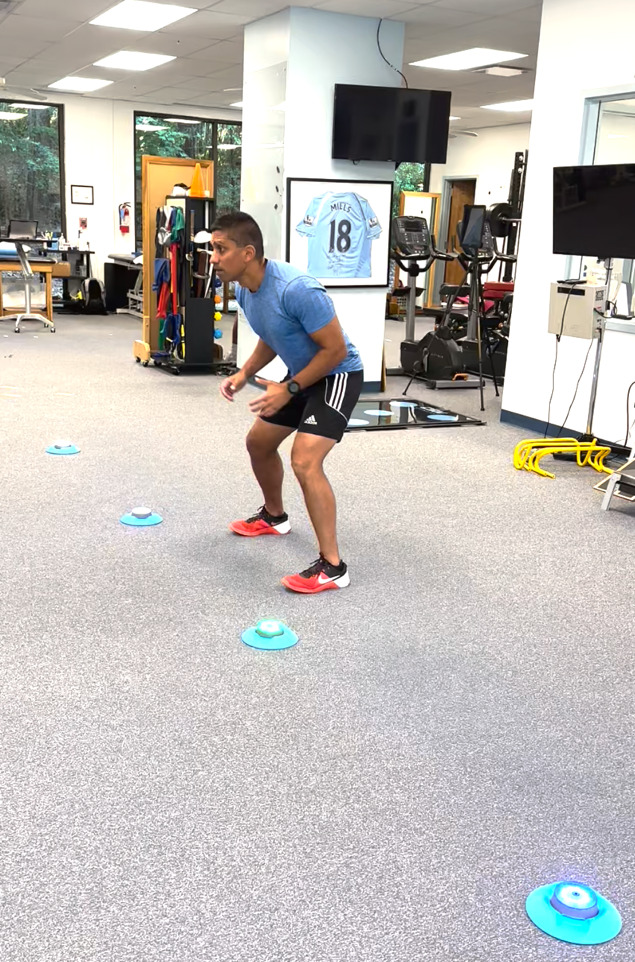
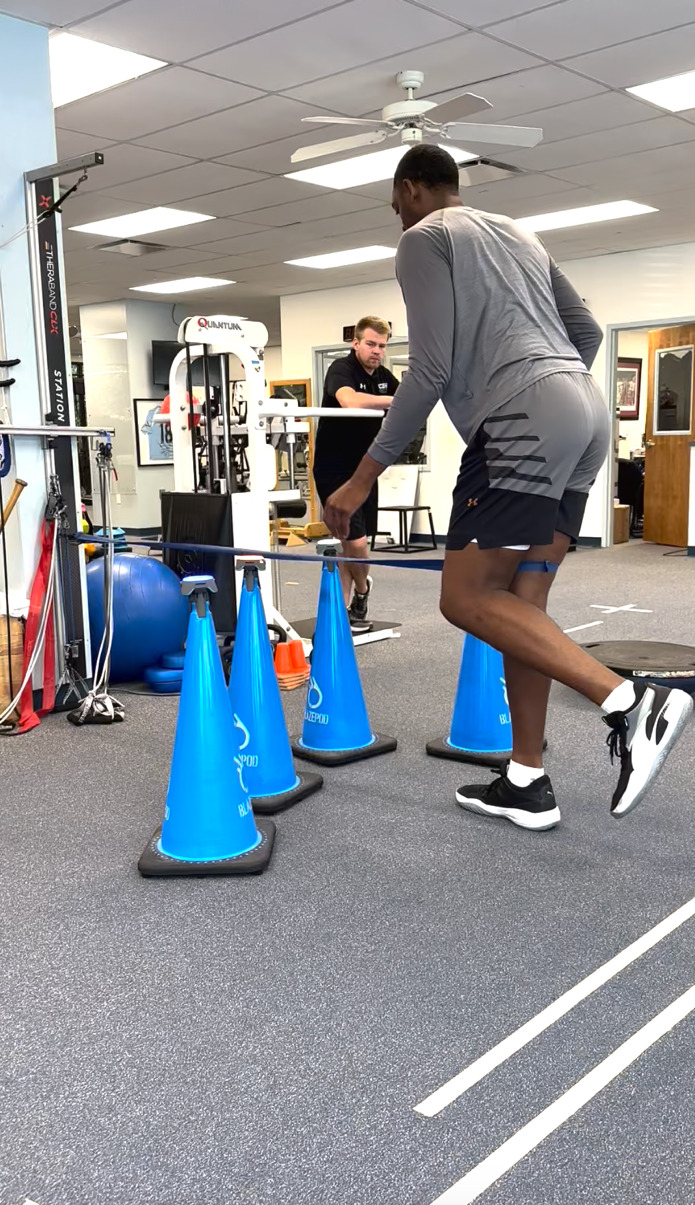
https://cdn.ncbi.nlm.nih.gov/pmc/blobs/f02f/11540096/03d25f92cbce/ijspt_2024_19_11_124945_250722.jpg
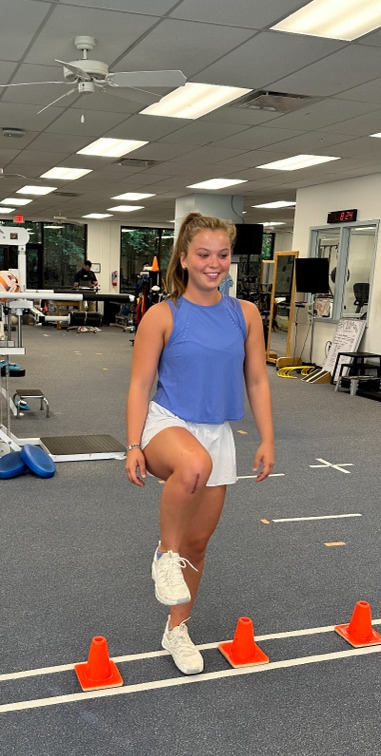
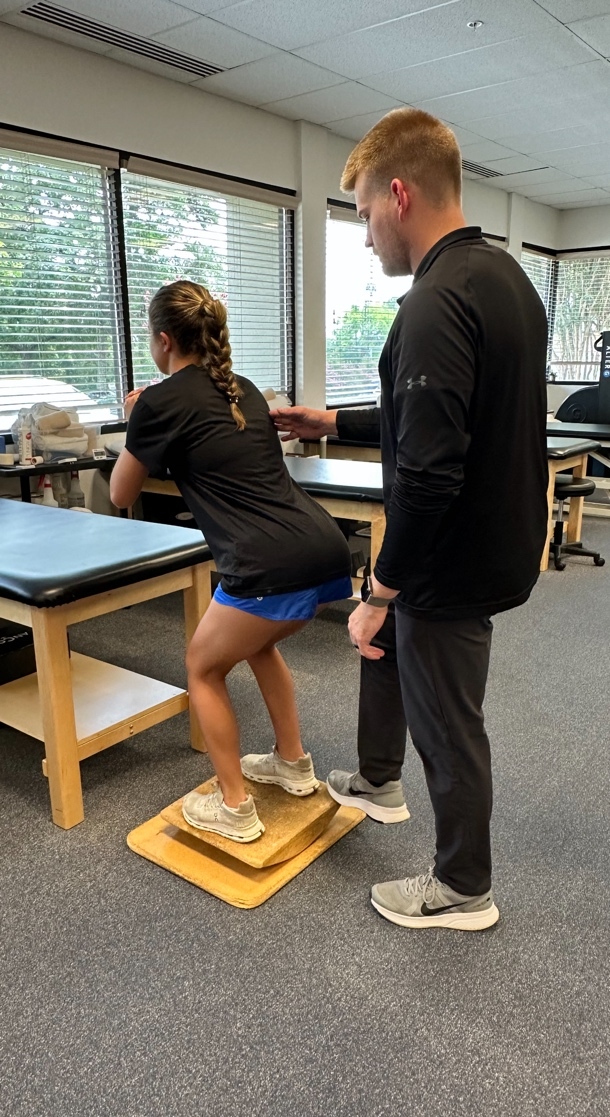
https://cdn.ncbi.nlm.nih.gov/pmc/blobs/f02f/11540096/d18e233df779/ijspt_2024_19_11_124945_250709.jpg
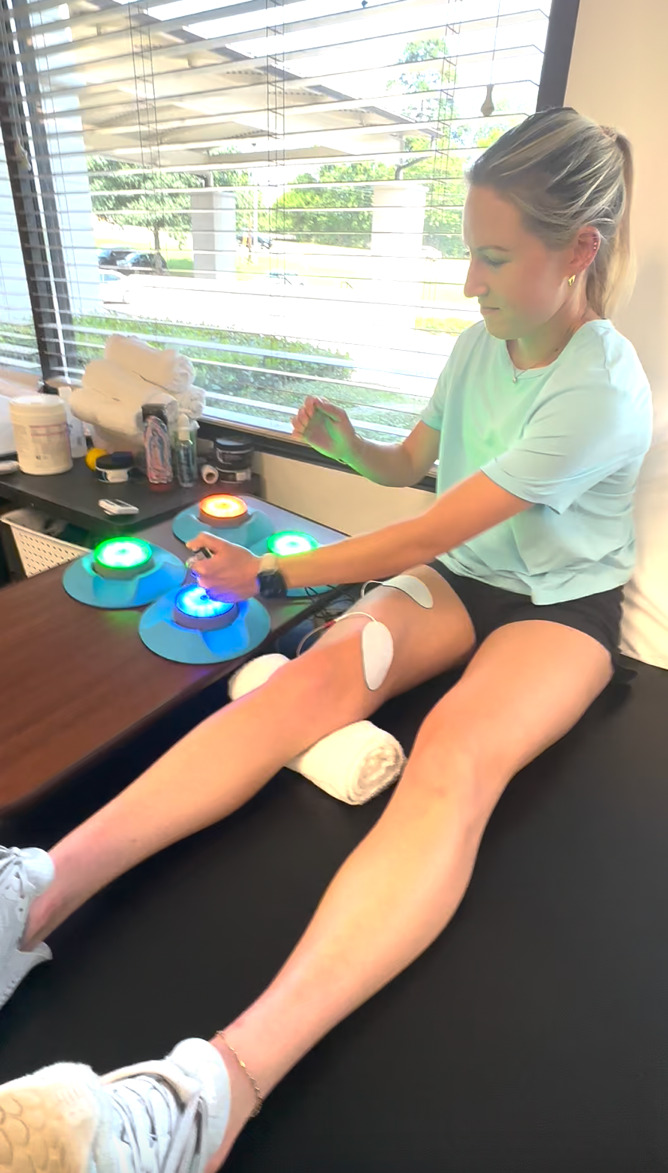
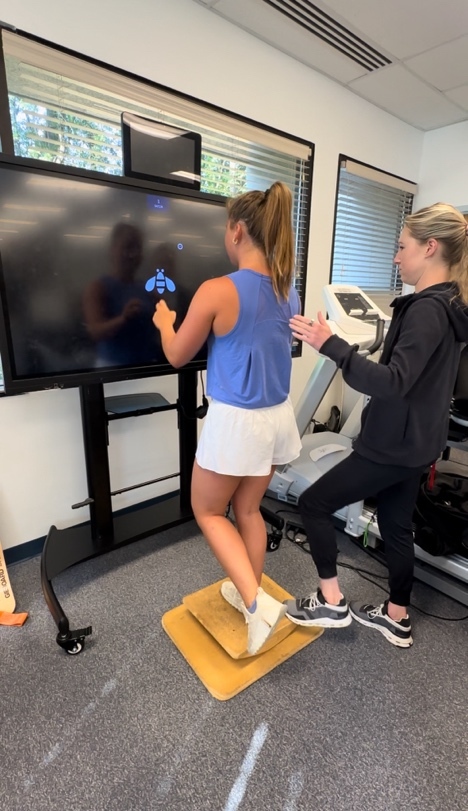
https://cdn.ncbi.nlm.nih.gov/pmc/blobs/f02f/11540096/8c3ba1ceab96/ijspt_2024_19_11_124945_250774.jpg
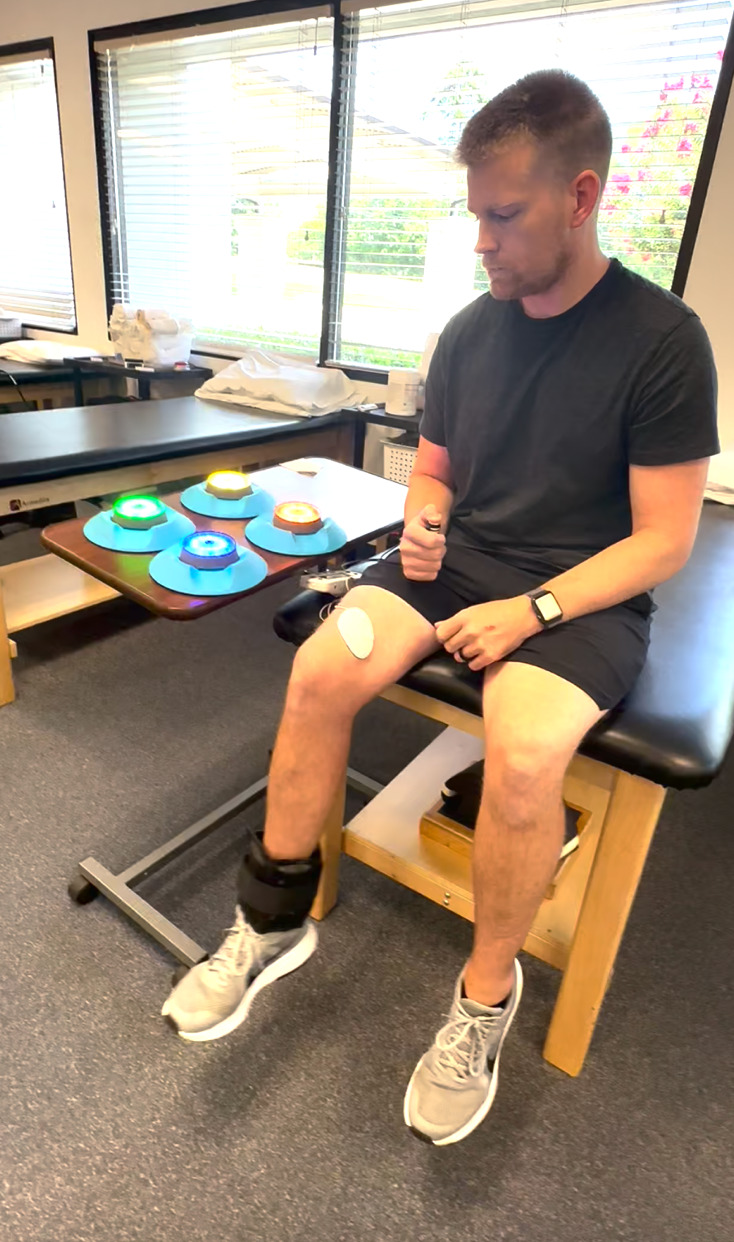
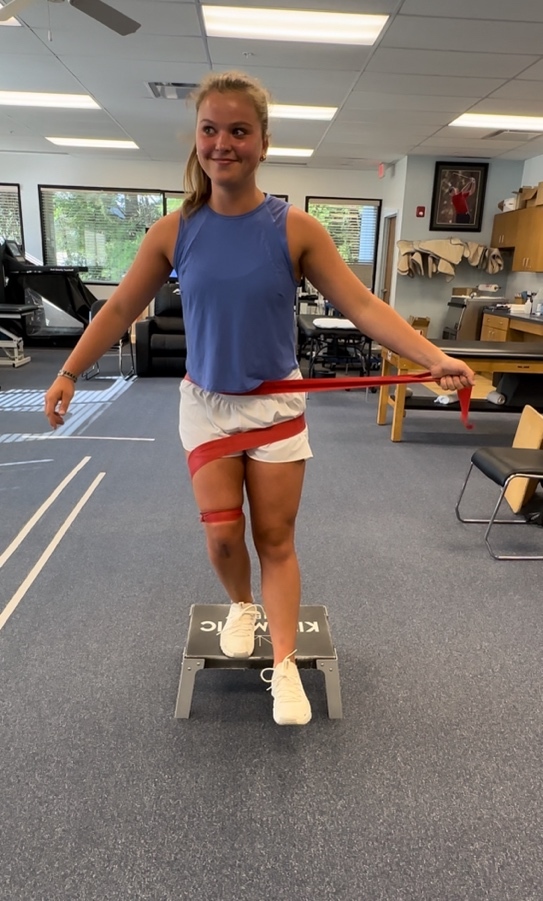
https://cdn.ncbi.nlm.nih.gov/pmc/blobs/f02f/11540096/6bc546b66933/ijspt_2024_19_11_124945_250711.jpg
https://cdn.ncbi.nlm.nih.gov/pmc/blobs/f02f/11540096/052d1375c30b/ijspt_2024_19_11_124945_250712.jpg
https://cdn.ncbi.nlm.nih.gov/pmc/blobs/f02f/11540096/cd6a2509b2b5/ijspt_2024_19_11_124945_250713.jpg
https://cdn.ncbi.nlm.nih.gov/pmc/blobs/f02f/11540096/b049844689bd/ijspt_2024_19_11_124945_250714.jpg
https://cdn.ncbi.nlm.nih.gov/pmc/blobs/f02f/11540096/bf397bf65249/ijspt_2024_19_11_124945_250715.jpg
https://cdn.ncbi.nlm.nih.gov/pmc/blobs/f02f/11540096/9eeb1eaf34d7/ijspt_2024_19_11_124945_250716.jpg
https://cdn.ncbi.nlm.nih.gov/pmc/blobs/f02f/11540096/45c4e57ebc6c/ijspt_2024_19_11_124945_250717.jpg
https://cdn.ncbi.nlm.nih.gov/pmc/blobs/f02f/11540096/ba0511df7ee9/ijspt_2024_19_11_124945_250718.jpg
https://cdn.ncbi.nlm.nih.gov/pmc/blobs/f02f/11540096/83f6a12d3b14/ijspt_2024_19_11_124945_250719.jpg
https://cdn.ncbi.nlm.nih.gov/pmc/blobs/f02f/11540096/1c8bf01236f1/ijspt_2024_19_11_124945_250720.jpg
https://cdn.ncbi.nlm.nih.gov/pmc/blobs/f02f/11540096/f2c47d2ee9eb/ijspt_2024_19_11_124945_250721.jpg
https://cdn.ncbi.nlm.nih.gov/pmc/blobs/f02f/11540096/03d25f92cbce/ijspt_2024_19_11_124945_250722.jpg
https://cdn.ncbi.nlm.nih.gov/pmc/blobs/f02f/11540096/d18e233df779/ijspt_2024_19_11_124945_250709.jpg
https://cdn.ncbi.nlm.nih.gov/pmc/blobs/f02f/11540096/8c3ba1ceab96/ijspt_2024_19_11_124945_250774.jpg
https://cdn.ncbi.nlm.nih.gov/pmc/blobs/f02f/11540096/6bc546b66933/ijspt_2024_19_11_124945_250711.jpg
https://cdn.ncbi.nlm.nih.gov/pmc/blobs/f02f/11540096/052d1375c30b/ijspt_2024_19_11_124945_250712.jpg
https://cdn.ncbi.nlm.nih.gov/pmc/blobs/f02f/11540096/cd6a2509b2b5/ijspt_2024_19_11_124945_250713.jpg
https://cdn.ncbi.nlm.nih.gov/pmc/blobs/f02f/11540096/b049844689bd/ijspt_2024_19_11_124945_250714.jpg
https://cdn.ncbi.nlm.nih.gov/pmc/blobs/f02f/11540096/bf397bf65249/ijspt_2024_19_11_124945_250715.jpg
https://cdn.ncbi.nlm.nih.gov/pmc/blobs/f02f/11540096/9eeb1eaf34d7/ijspt_2024_19_11_124945_250716.jpg
https://cdn.ncbi.nlm.nih.gov/pmc/blobs/f02f/11540096/45c4e57ebc6c/ijspt_2024_19_11_124945_250717.jpg
https://cdn.ncbi.nlm.nih.gov/pmc/blobs/f02f/11540096/ba0511df7ee9/ijspt_2024_19_11_124945_250718.jpg
https://cdn.ncbi.nlm.nih.gov/pmc/blobs/f02f/11540096/83f6a12d3b14/ijspt_2024_19_11_124945_250719.jpg
https://cdn.ncbi.nlm.nih.gov/pmc/blobs/f02f/11540096/1c8bf01236f1/ijspt_2024_19_11_124945_250720.jpg
https://cdn.ncbi.nlm.nih.gov/pmc/blobs/f02f/11540096/f2c47d2ee9eb/ijspt_2024_19_11_124945_250721.jpg
https://cdn.ncbi.nlm.nih.gov/pmc/blobs/f02f/11540096/03d25f92cbce/ijspt_2024_19_11_124945_250722.jpg

相似文献

1
Neurocognitive and Neuromuscular Rehabilitation Techniques after ACL Injury, Part 1: Optimizing Recovery in the Acute Post-Operative Phase- A Clinical Commentary.前交叉韧带损伤后的神经认知与神经肌肉康复技术,第1部分:优化术后急性期恢复——临床述评
Int J Sports Phys Ther. 2024 Nov 2;19(11):1373-1385. doi: 10.26603/001c.124945. eCollection 2024.
2
Principles of Motor Learning to Support Neuroplasticity After ACL Injury: Implications for Optimizing Performance and Reducing Risk of Second ACL Injury.支持 ACL 损伤后神经可塑性的运动学习原则:优化表现和降低二次 ACL 损伤风险的意义。
Sports Med. 2019 Jun;49(6):853-865. doi: 10.1007/s40279-019-01058-0.
3
Visual Perturbation to Enhance Return to Sport Rehabilitation after Anterior Cruciate Ligament Injury: A Clinical Commentary.视觉扰动促进前交叉韧带损伤后重返运动康复:临床评论
Int J Sports Phys Ther. 2021 Apr 1;16(2):552-564. doi: 10.26603/001c.21251.
4
Neuromuscular training techniques to target deficits before return to sport after anterior cruciate ligament reconstruction.在前交叉韧带重建术后恢复运动前针对功能缺陷的神经肌肉训练技术。
J Strength Cond Res. 2008 May;22(3):987-1014. doi: 10.1519/JSC.0b013e31816a86cd.
5
Fear of Reinjury Following Surgical and Nonsurgical Management of Anterior Cruciate Ligament Injury: An Exploratory Analysis of the NACOX Multicenter Longitudinal Cohort Study.前交叉韧带损伤的手术和非手术治疗后对再损伤的恐惧:NACOX 多中心纵向队列研究的探索性分析。
Phys Ther. 2022 Feb 1;102(2). doi: 10.1093/ptj/pzab273.
6
Neurocognitive and Neurophysiological Functions Related to ACL Injury: A Framework for Neurocognitive Approaches in Rehabilitation and Return-to-Sports Tests.与 ACL 损伤相关的神经认知和神经生理功能:神经认知方法在康复和重返运动测试中的应用框架。
Sports Health. 2022 Jul-Aug;14(4):549-555. doi: 10.1177/19417381211029265. Epub 2021 Jul 8.
7
ACL Reconstruction Rehabilitation: Clinical Data, Biologic Healing, and Criterion-Based Milestones to Inform a Return-to-Sport Guideline.ACL 重建康复:临床数据、生物愈合以及基于标准的里程碑,为重返运动指南提供信息。
Sports Health. 2022 Sep-Oct;14(5):770-779. doi: 10.1177/19417381211056873. Epub 2021 Dec 13.
8
Report of the Clinical and Functional Primary Outcomes in Men of the ACL-SPORTS Trial: Similar Outcomes in Men Receiving Secondary Prevention With and Without Perturbation Training 1 and 2 Years After ACL Reconstruction.前交叉韧带运动损伤(ACL-SPORTS)试验男性患者临床及功能主要结局报告:ACL重建术后1年和2年接受或未接受扰动训练1和2进行二级预防的男性患者结局相似。
Clin Orthop Relat Res. 2017 Oct;475(10):2523-2534. doi: 10.1007/s11999-017-5280-2.
9
Current concepts for injury prevention in athletes after anterior cruciate ligament reconstruction.运动员前交叉韧带重建后损伤预防的当前概念。
Am J Sports Med. 2013 Jan;41(1):216-24. doi: 10.1177/0363546512459638. Epub 2012 Oct 5.
10
Can Biomechanical Testing After Anterior Cruciate Ligament Reconstruction Identify Athletes at Risk for Subsequent ACL Injury to the Contralateral Uninjured Limb?前交叉韧带重建后生物力学测试能否识别出对侧未受伤肢体发生后续前交叉韧带损伤的运动员?
Am J Sports Med. 2021 Mar;49(3):609-619. doi: 10.1177/0363546520985283. Epub 2021 Feb 9.

引用本文的文献

1
Neurosciences and Sports Rehabilitation in ACLR: A Narrative Review on Winning Alliance Strategies and Connecting the Dots.前交叉韧带重建中的神经科学与运动康复:关于成功联盟策略及关联要点的叙述性综述
J Funct Morphol Kinesiol. 2025 Apr 2;10(2):119. doi: 10.3390/jfmk10020119.
2
Neurophysiology of ACL Injury.前交叉韧带损伤的神经生理学
Orthop Rev (Pavia). 2025 Feb 19;17:129173. doi: 10.52965/001c.129173. eCollection 2025.

本文引用的文献

1
From Control to Chaos: Visual-Cognitive Progression During Recovery from ACL Reconstruction.从控制到混沌:ACL 重建后恢复过程中的视觉认知进展。
J Orthop Sports Phys Ther. 2024 Jul;54(7):431-439. doi: 10.2519/jospt.2024.12443. Epub 2024 Jun 4.
2
Inhibition of Motor Planning and Response Selection after Anterior Cruciate Ligament Reconstruction.前交叉韧带重建术后运动计划和反应选择的抑制。
Med Sci Sports Exerc. 2023 Mar 1;55(3):440-449. doi: 10.1249/MSS.0000000000003072. Epub 2022 Oct 19.
3
Updates in Motor Learning: Implications for Physical Therapist Practice and Education.
运动学习新进展:对物理治疗师实践与教育的启示。
Phys Ther. 2022 Jan 1;102(1). doi: 10.1093/ptj/pzab250.
4
Integrating neurocognitive challenges into injury prevention training: A clinical commentary.将神经认知挑战纳入损伤预防培训中:临床述评。
Phys Ther Sport. 2021 Sep;51:8-16. doi: 10.1016/j.ptsp.2021.05.005. Epub 2021 May 19.
5
One in 5 Athletes Sustain Reinjury Upon Return to High-Risk Sports After ACL Reconstruction: A Systematic Review in 1239 Athletes Younger Than 20 Years.五分之一的运动员在 ACL 重建后重返高风险运动时会再次受伤:对 1239 名 20 岁以下运动员的系统评价。
Sports Health. 2020 Nov/Dec;12(6):587-597. doi: 10.1177/1941738120912846. Epub 2020 May 6.
6
Progressing rehabilitation after injury: consider the 'control-chaos continuum'.损伤后康复的进展:考虑“控制-混沌连续体”。
Br J Sports Med. 2019 Sep;53(18):1132-1136. doi: 10.1136/bjsports-2018-100157. Epub 2019 Feb 8.
7
Principles of Motor Learning to Support Neuroplasticity After ACL Injury: Implications for Optimizing Performance and Reducing Risk of Second ACL Injury.支持 ACL 损伤后神经可塑性的运动学习原则:优化表现和降低二次 ACL 损伤风险的意义。
Sports Med. 2019 Jun;49(6):853-865. doi: 10.1007/s40279-019-01058-0.
8
Walking gait asymmetries 6 months following anterior cruciate ligament reconstruction predict 12-month patient-reported outcomes.前交叉韧带重建术后6个月的步行步态不对称可预测患者12个月时自我报告的结果。
J Orthop Res. 2018 Nov;36(11):2932-2940. doi: 10.1002/jor.24056. Epub 2018 Jul 13.
9
Neuromuscular electrical stimulation is effective in strengthening the quadriceps muscle after anterior cruciate ligament surgery.神经肌肉电刺激在 ACL 手术后强化股四头肌方面是有效的。
Knee Surg Sports Traumatol Arthrosc. 2018 Feb;26(2):399-410. doi: 10.1007/s00167-017-4669-5. Epub 2017 Aug 17.
10
Neuroplasticity Associated With Anterior Cruciate Ligament Reconstruction.与前交叉韧带重建相关的神经可塑性。
J Orthop Sports Phys Ther. 2017 Mar;47(3):180-189. doi: 10.2519/jospt.2017.7003. Epub 2016 Nov 5.