Department of Gastrointestinal Cancer Biology, Tianjin Medical University Cancer Institute & Hospital, Tianjin, China.
Tianjin Key Laboratory of Digestive Cancer, Tianjin's Clinical Research Center for Cancer, Tianjin, China.
J Immunother Cancer. 2024 Nov 17;12(11):e010463. doi: 10.1136/jitc-2024-010463.
Tumor-infiltrating regulatory T cells (TI-Tregs) are well-adapted to thrive in the challenging tumor microenvironment (TME) by undergoing metabolic reprogramming, notably shifting from glycolysis to mitochondrial oxidative phosphorylation (OXPHOS) for energy production. The extracellular matrix is an important component of the TME, contributing to the regulation of both tumor and immune cell metabolism patterns by activating mechanosensors such as YAP. Whether YAP plays a part in regulating TI-Treg mitochondrial function and the underlying mechanisms are yet to be elucidated.
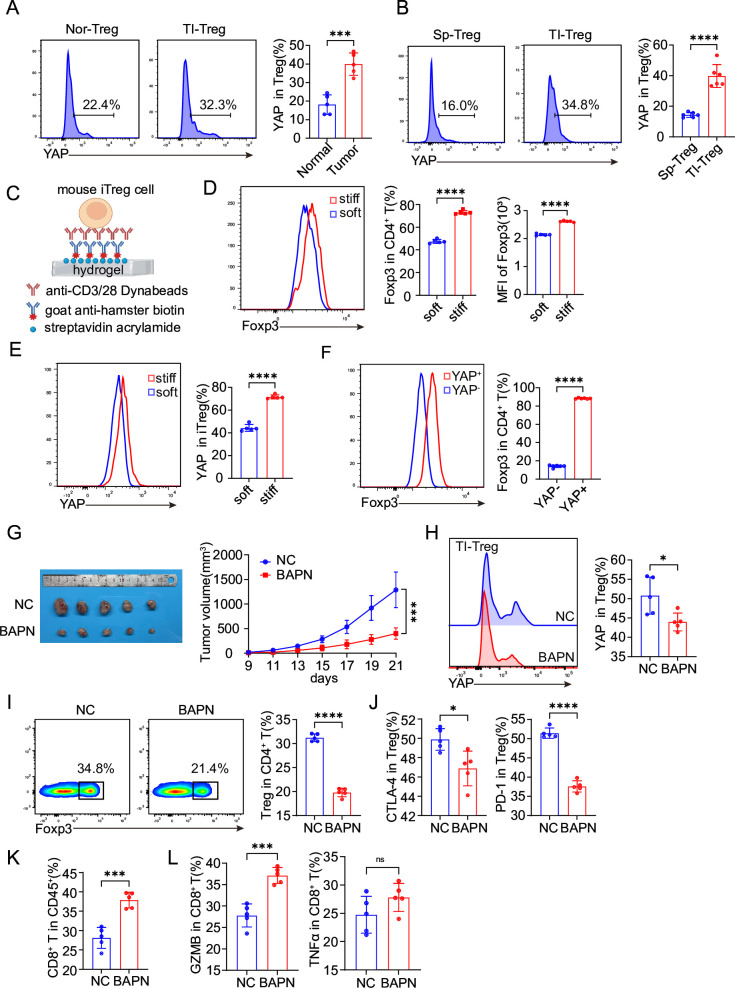
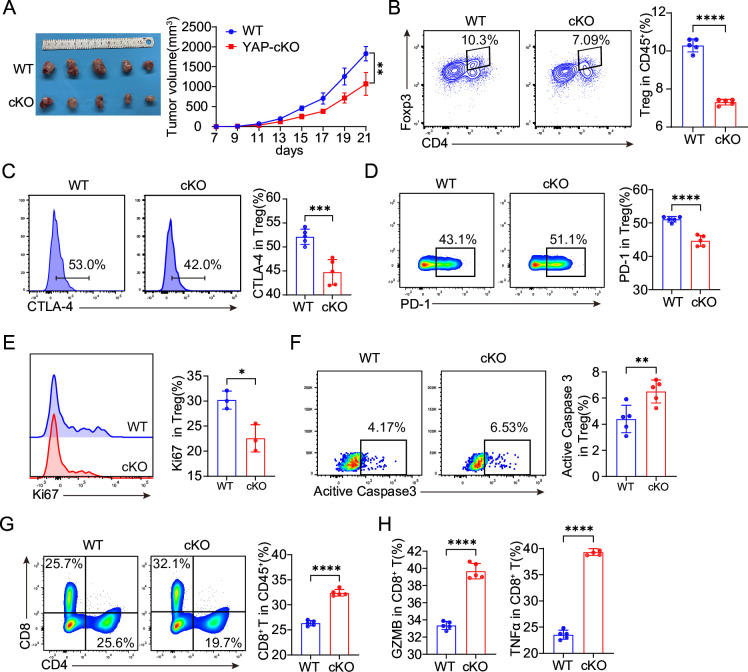
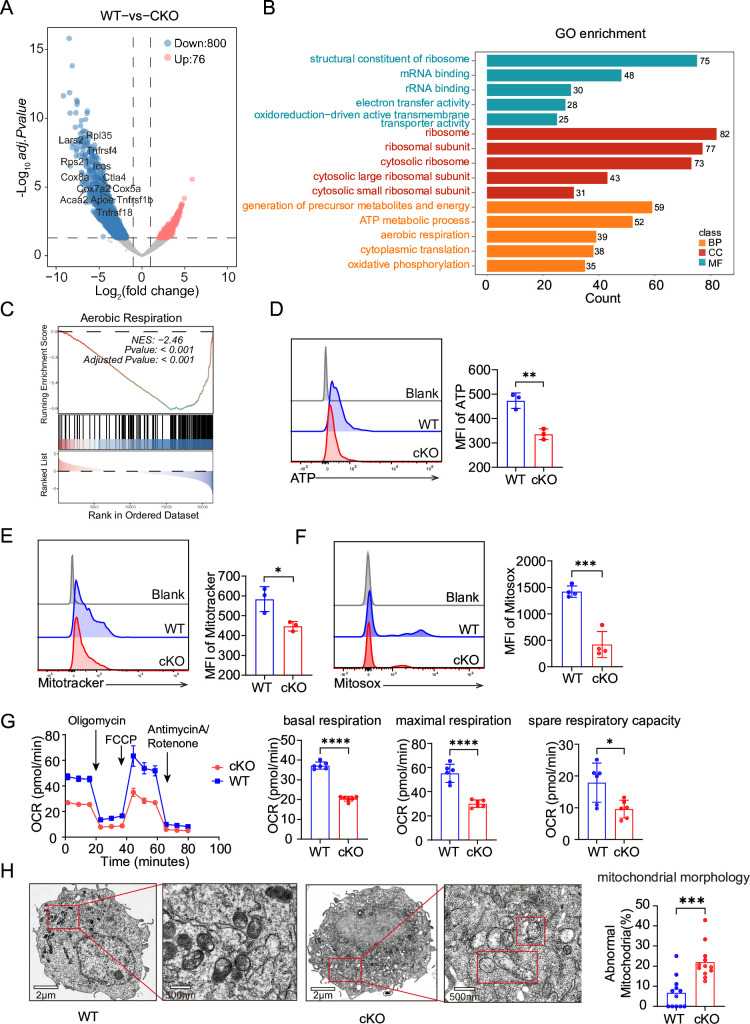
To gain insights into the effect of matrix stiffness on YAP activation in Tregs, alterations in stiffness were performed both and . YAP conditional knockout mice were used to determine the role of YAP in TI-Tregs. RNA-seq, quantitative PCR, flow cytometry, lentivirus infection and mitochondrial function assay were employed to uncover the mechanism of YAP modulating mitochondrial function in TI-Tregs. A YAP inhibitor and a low leucine diet were applied to tumor-bearing mice to seek the potential antitumor strategy.
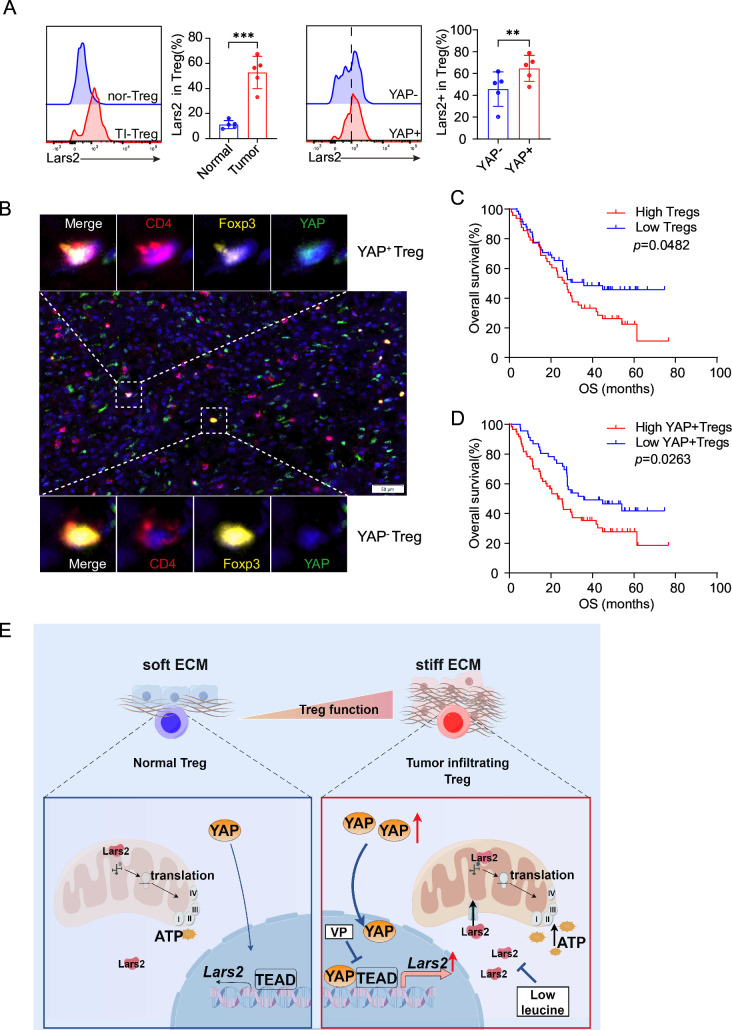
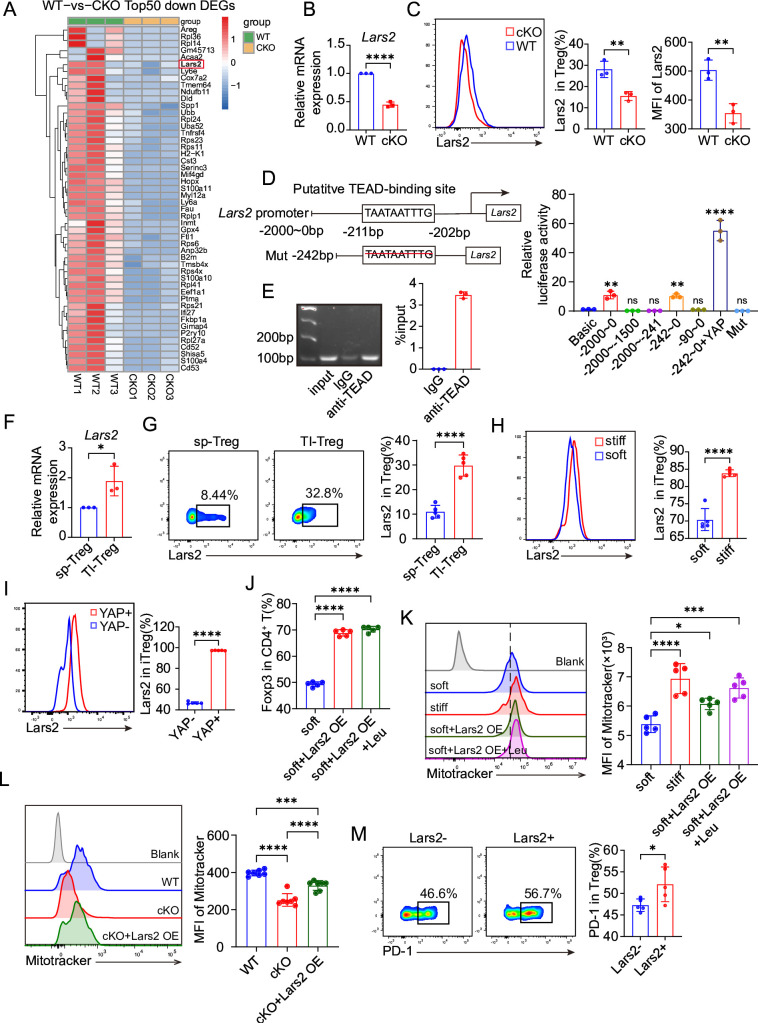
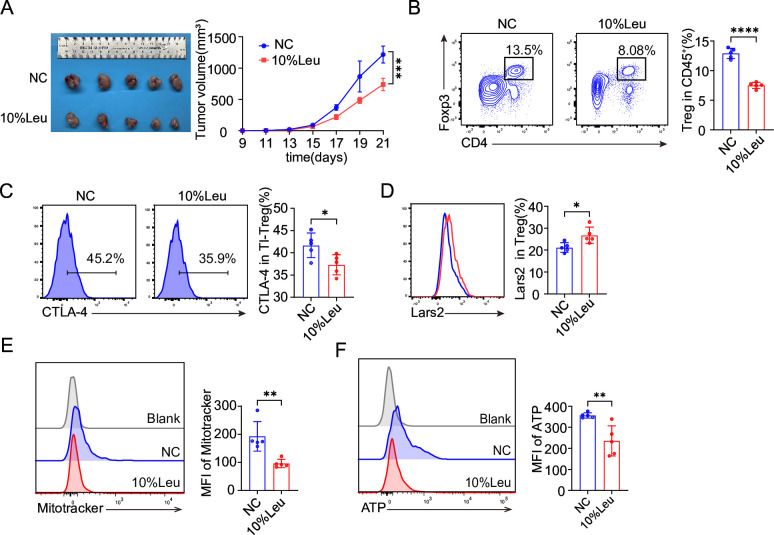
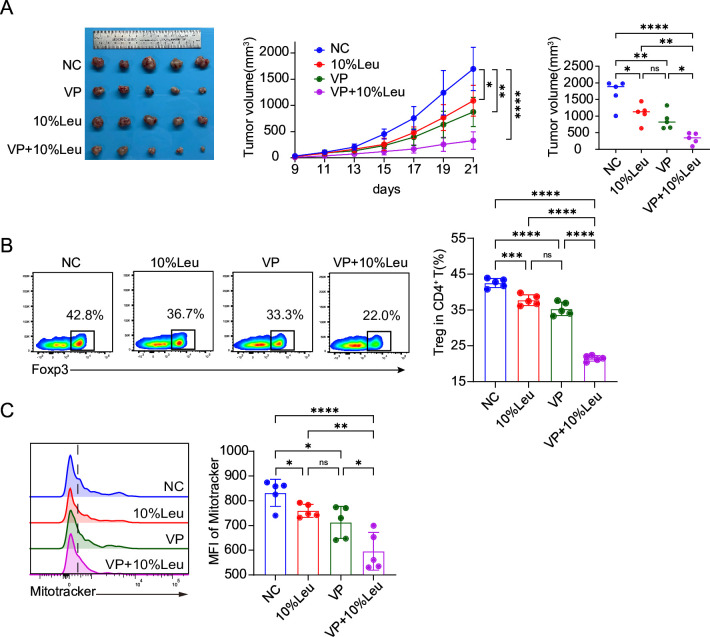
In this study, we found that YAP, as a mechanotransducer, was activated by matrix stiffness in TI-Tregs. A deficiency in YAP significantly hindered the immunosuppressive capability of TI-Tregs by disrupting mitochondrial function. Mechanically, YAP enhanced mitochondrial OXPHOS by upregulating the transcription of (Leucyl-tRNA synthetase 2, mitochondrial), which was essential for mitochondrial protein translation in TI-Tregs. Since Lars2 relied much on its substrate amino acid, leucine, the combination of a low leucine diet and YAP inhibitor synergistically induced mitochondrial dysfunction in TI-Tregs, ultimately restraining tumor growth.
This finding uncovered a new understanding of how YAP shapes mitochondrial function in TI-Tregs in response to mechanical signals within the TME, making the combined strategy of traditional medicine and diet adjustment a promising approach for tumor therapy.
肿瘤浸润调节性 T 细胞(TI-Tregs)通过代谢重编程,特别是从糖酵解转向线粒体氧化磷酸化(OXPHOS)来产生能量,从而很好地适应了在充满挑战的肿瘤微环境(TME)中生存。细胞外基质是 TME 的一个重要组成部分,通过激活机械感受器(如 YAP)来调节肿瘤和免疫细胞代谢模式。YAP 是否在调节 TI-Treg 线粒体功能中发挥作用,以及潜在的机制尚不清楚。
为了深入了解基质硬度对 Treg 中 YAP 激活的影响,我们进行了硬度的改变。使用 YAP 条件敲除小鼠来确定 YAP 在 TI-Tregs 中的作用。采用 RNA-seq、定量 PCR、流式细胞术、慢病毒感染和线粒体功能测定来揭示 YAP 调节 TI-Tregs 线粒体功能的机制。应用 YAP 抑制剂和低亮氨酸饮食来处理荷瘤小鼠,以寻求潜在的抗肿瘤策略。
在这项研究中,我们发现 YAP 作为一种机械转导物,在 TI-Tregs 中被基质硬度激活。YAP 的缺乏通过破坏线粒体功能显著阻碍了 TI-Tregs 的免疫抑制能力。在机制上,YAP 通过上调 (亮氨酰-tRNA 合成酶 2,线粒体)的转录来增强线粒体 OXPHOS,这对于 TI-Tregs 中线粒体蛋白翻译是必不可少的。由于 Lars2 非常依赖其底物氨基酸亮氨酸,低亮氨酸饮食和 YAP 抑制剂的联合使用协同诱导 TI-Tregs 中的线粒体功能障碍,最终抑制肿瘤生长。
这项发现揭示了 YAP 如何根据 TME 内的机械信号塑造 TI-Tregs 中线粒体功能的新认识,使传统医学与饮食调整相结合的策略成为肿瘤治疗的一种有前途的方法。