Cui Jinghua, Li Xiaoran, Zhang Qun, Du Bing, Ding Zanbo, Yan Chao, Xue Guanhua, Gan Lin, Feng Junxia, Fan Zheng, Xu Ziying, Yu Zihui, Fu Tongtong, Feng Yanling, Zhao Hanqing, Kong Yiming, Cui Xiaohu, Tian Ziyan, Liu Quanda, Yuan Jing
Capital Institute of Pediatrics, Beijing, 100020, China.
Postgraduate Base of the PLA Rocket Force Medical Center, Jinzhou Medical University, Jinzhou, 121001, Liaoning Province, China.
Heliyon. 2024 Oct 18;10(21):e39547. doi: 10.1016/j.heliyon.2024.e39547. eCollection 2024 Nov 15.
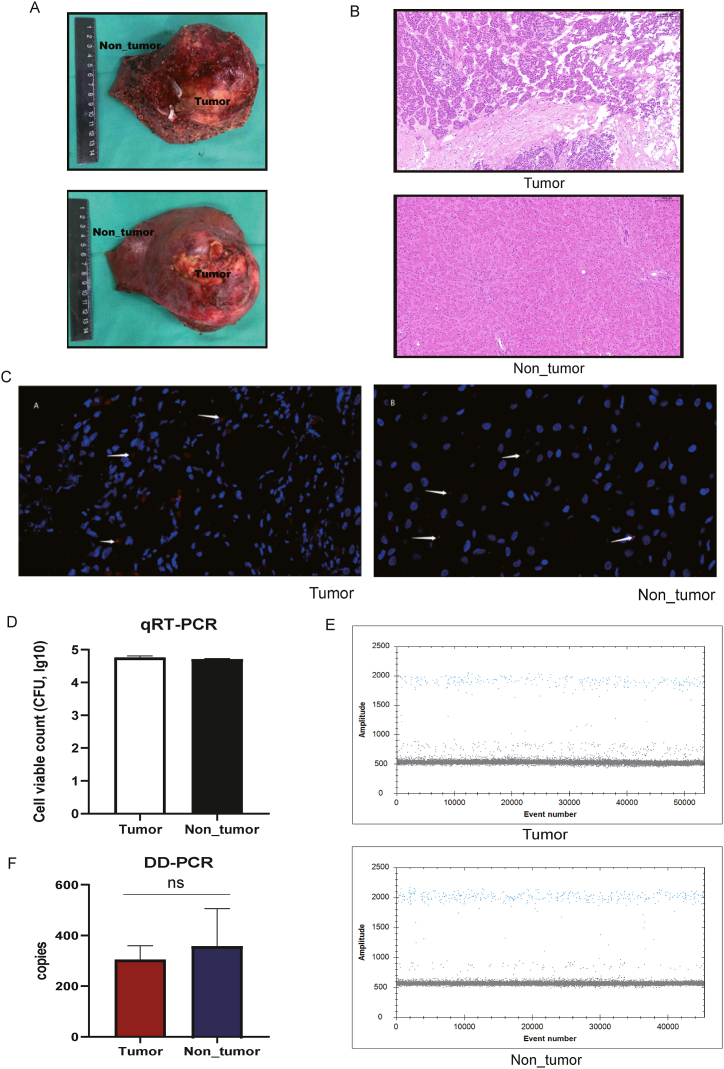
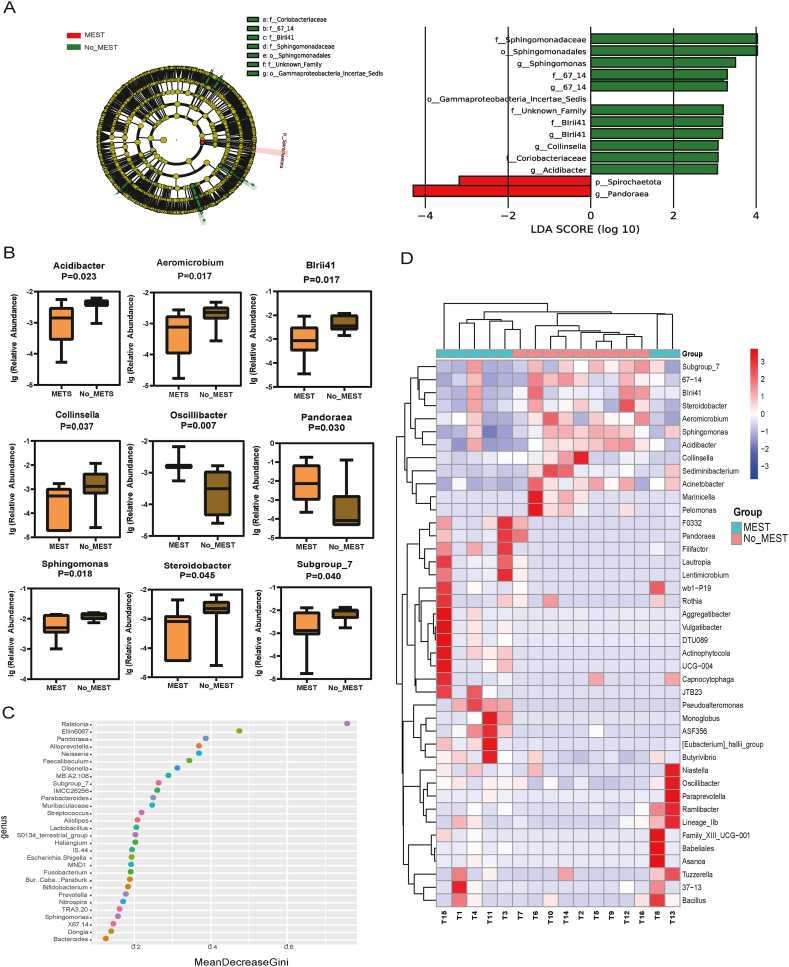
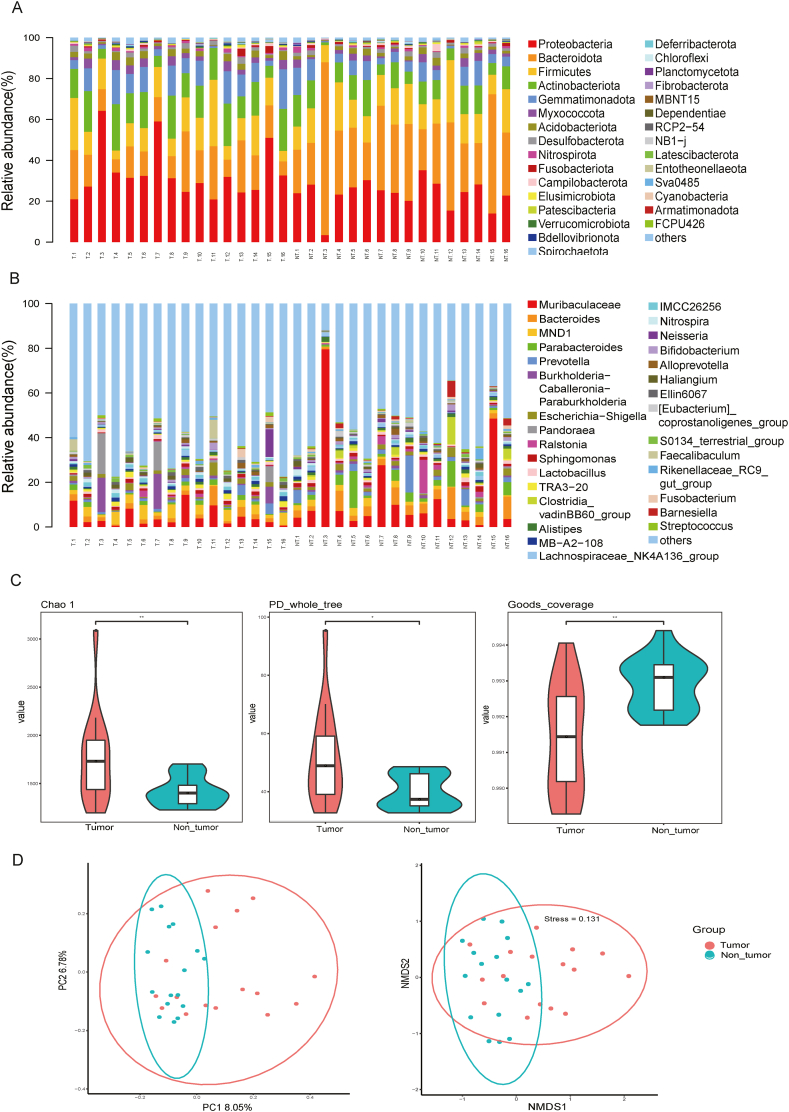
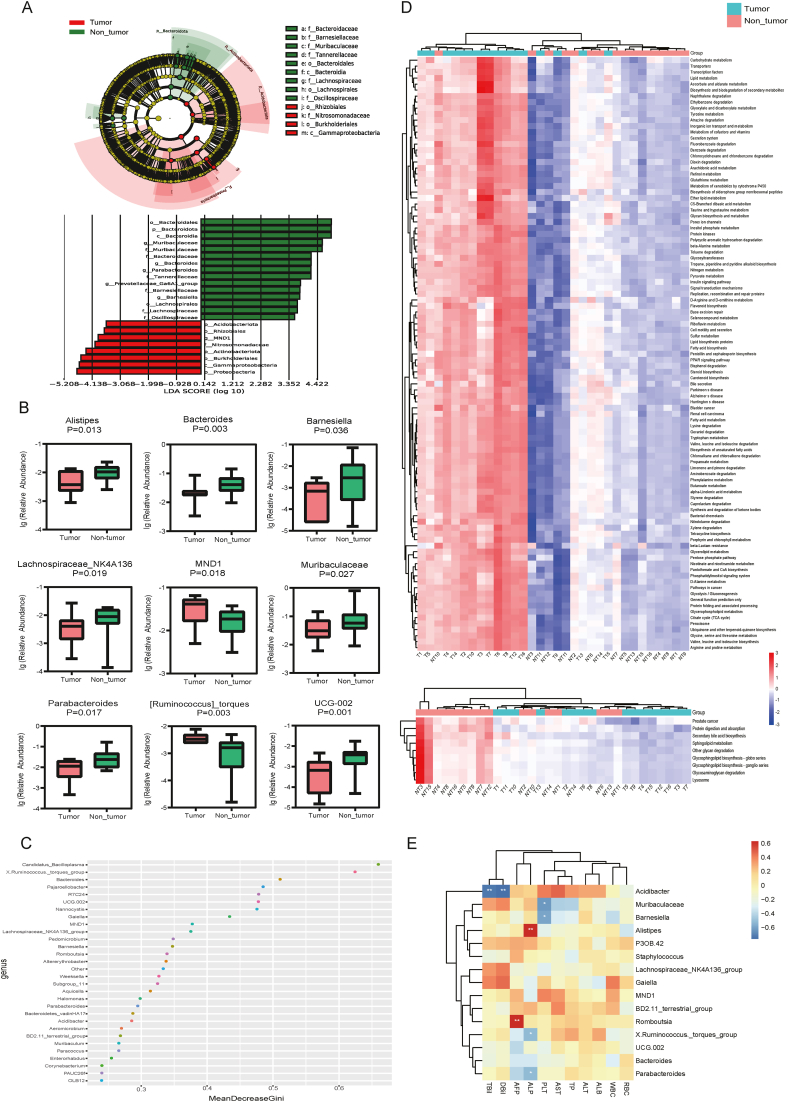
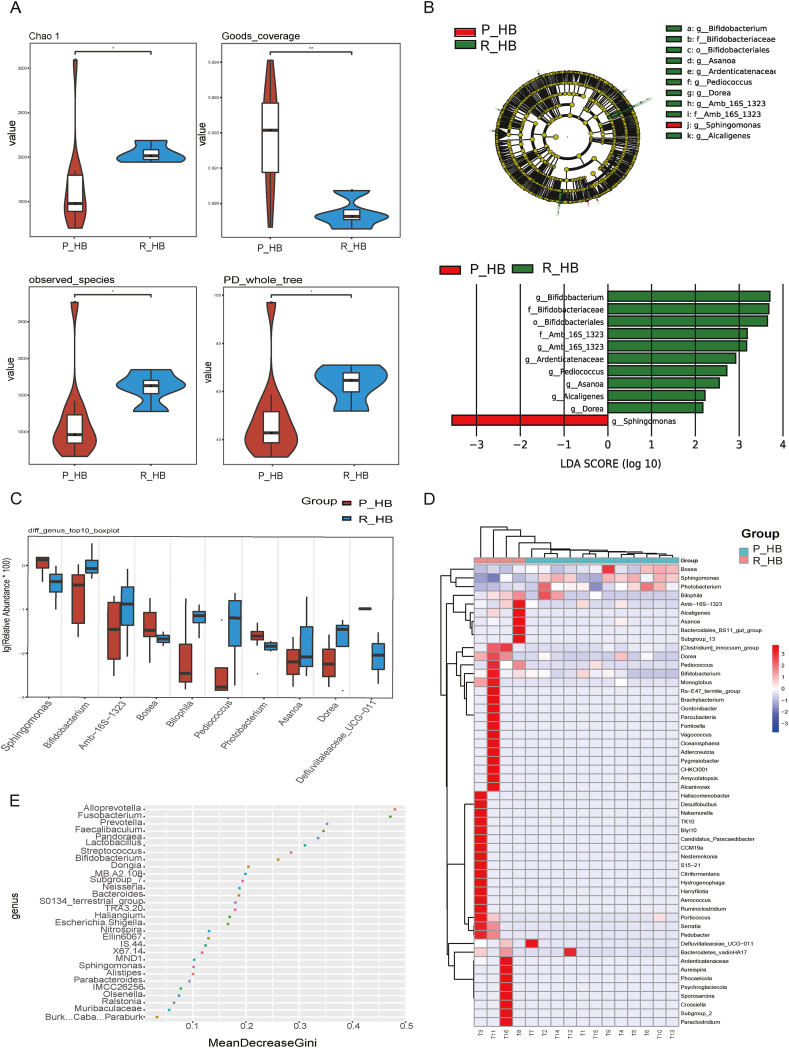
Cancer microbiota have recently been demonstrated in several cancer types. The microbiome enhances inflammation in the cancer microenvironment and affects the disease pathology by regulating tumourigenesis, cancer progression, and chemotherapy resistance. Hepatoblastoma (HB), the most common childhood malignant tumour, is a malignant embryonic tumour. However, the pathogenesis and molecular basis of HB remain poorly understood. In this study, to explore the existence and distribution of the microbiome in tumour tissues and adjacent non-tumour tissues of children with HB, we mainly performed 16S rDNA sequencing, and the results showed that the diversity and abundance of the microbiome in children with HB were significantly different between HB tumours and adjacent non-tumour tissues ( < 0.01). At the phylum level, the dominant microbiome in the tumour tissues were Proteobacteria, Bacteroidetes, and Firmicutes. At the genus level, was more abundant in HB tumours than in the adjacent non-tumour tissues. Simultaneously, the abundances of , , -NK4A136, and in HB tumours were lower than those in the adjacent non-tumour tissues. In addition, strongly correlated with alpha-fetoprotein, an important indicator of HB. was abundant in primary HB tumours, whereas and were abundant in metastatic HB tumours. However, whether these bacteria are associated with HB needs further evaluation. Therefore, we identified the microbiome that correlated with the occurrence and development of HB. and were identified as potential bacterial markers of HB tumours. To conclude, we found that HB also contains cancer microbiome, and it is necessary to shed light on the microbiome characteristics of HB in the future.
癌症微生物群最近在几种癌症类型中得到了证实。微生物群可增强癌症微环境中的炎症,并通过调节肿瘤发生、癌症进展和化疗耐药性来影响疾病病理。肝母细胞瘤(HB)是儿童最常见的恶性肿瘤,是一种恶性胚胎肿瘤。然而,HB的发病机制和分子基础仍知之甚少。在本研究中,为了探索HB患儿肿瘤组织和相邻非肿瘤组织中微生物群的存在和分布,我们主要进行了16S rDNA测序,结果显示,HB患儿微生物群的多样性和丰度在HB肿瘤组织和相邻非肿瘤组织之间存在显著差异(<0.01)。在门水平上,肿瘤组织中的优势微生物群是变形菌门、拟杆菌门和厚壁菌门。在属水平上,[具体属名1]在HB肿瘤组织中比在相邻非肿瘤组织中更丰富。同时,[具体属名2]、[具体属名3]、[具体属名4]和[具体属名5]在HB肿瘤组织中的丰度低于相邻非肿瘤组织。此外,[具体属名6]与HB的重要指标甲胎蛋白密切相关。[具体属名7]在原发性HB肿瘤中丰富,而[具体属名8]和[具体属名9]在转移性HB肿瘤中丰富。然而,这些细菌是否与HB相关还需要进一步评估。因此,我们确定了与HB发生发展相关的微生物群。[具体属名1]和[具体属名7]被确定为HB肿瘤的潜在细菌标志物。总之,我们发现HB也含有癌症微生物群,未来有必要阐明HB的微生物群特征。