Catalan Health Service, Barcelona, Spain.
Digitalization for the Sustainability of the Healthcare System (DS3) research group, Barcelona, Spain.
J Med Internet Res. 2024 Nov 18;26:e58933. doi: 10.2196/58933.
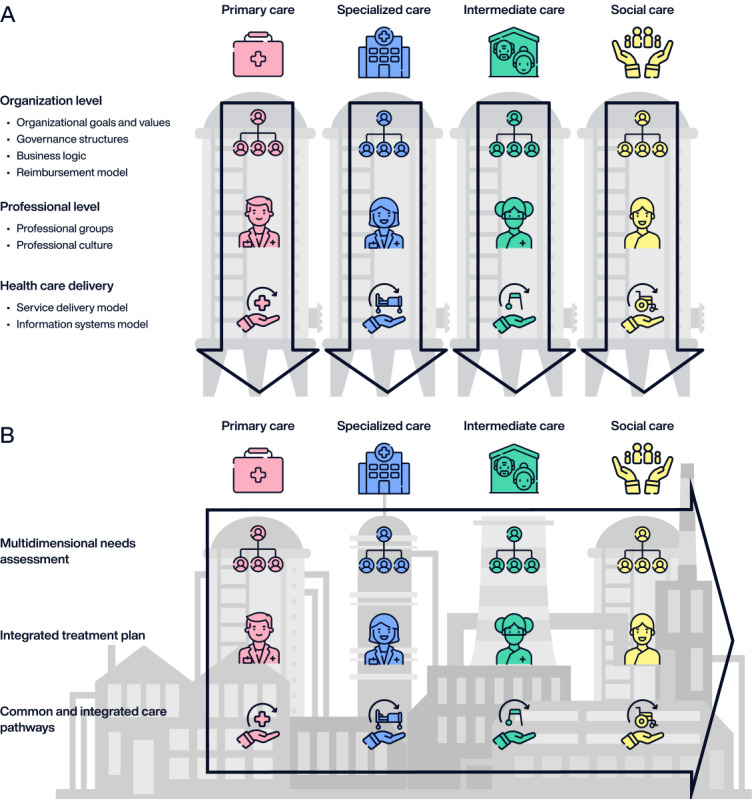
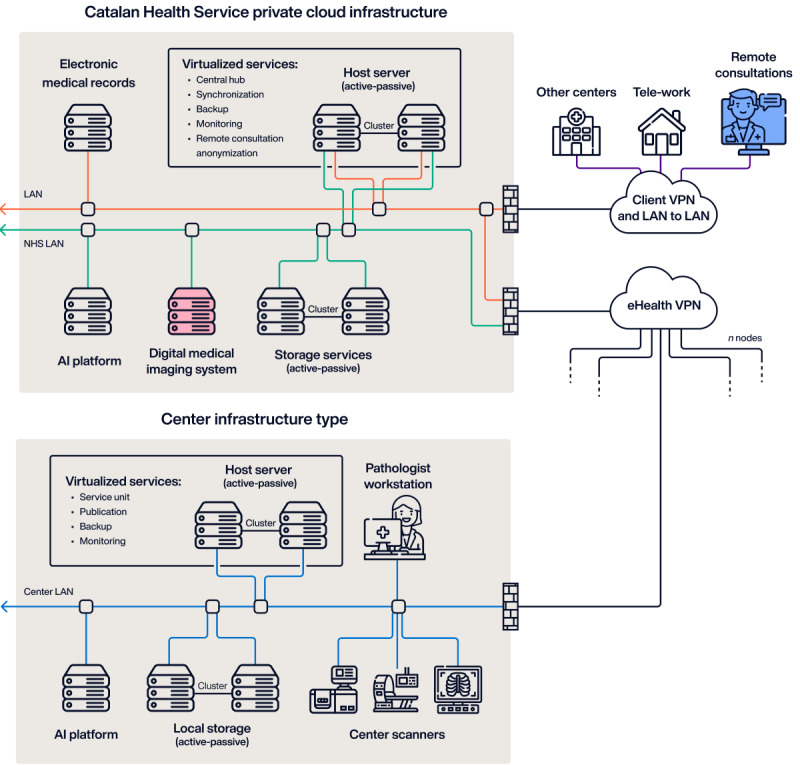
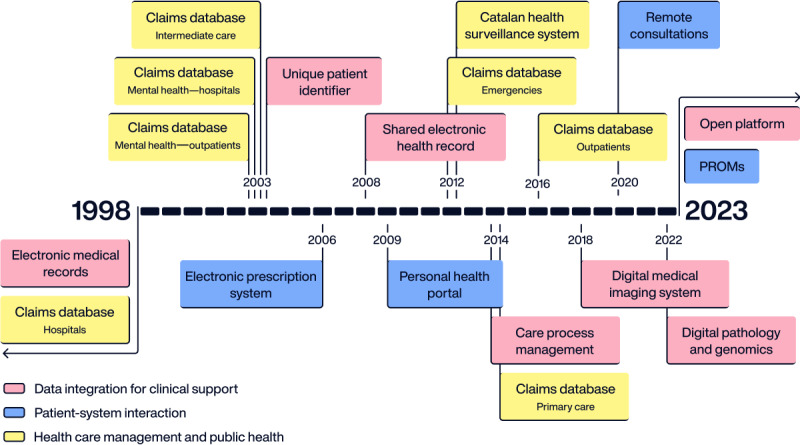
Over the past decades, health care systems have significantly evolved due to aging populations, chronic diseases, and higher-quality care expectations. Concurrently with the added health care needs, information and communications technology advancements have transformed health care delivery. Technologies such as telemedicine, electronic health records, and mobile health apps promise enhanced accessibility, efficiency, and patient outcomes, leading to more personalized, data-driven care. However, organizational, political, and cultural barriers and the fragmented approach to health information management are challenging the integration of these technologies to effectively support health care delivery. This fragmentation collides with the need for integrated care pathways that focus on holistic health and wellness. Catalonia (northeast Spain), a region of 8 million people with universal health care coverage and a single public health insurer but highly heterogeneous health care service providers, has experienced outstanding digitalization and integration of health information over the past 25 years, when the first transition from paper to digital support occurred. This Viewpoint describes the implementation of health ITs at a system level, discusses the hits and misses encountered in this journey, and frames this regional implementation within the global context. We present the architectures and use trends of the health information platforms over time. This provides insightful information that can be used by other systems worldwide in the never-ending transformation of health care structure and services.
在过去的几十年中,由于人口老龄化、慢性病和更高质量的医疗保健期望,医疗保健系统发生了重大变化。随着医疗保健需求的增加,信息和通信技术的进步也改变了医疗保健的提供方式。远程医疗、电子健康记录和移动健康应用程序等技术承诺提高可及性、效率和患者结果,从而实现更个性化、数据驱动的护理。然而,组织、政治和文化障碍以及碎片化的健康信息管理方法正在挑战这些技术的整合,以有效支持医疗保健的提供。这种碎片化与整合关注整体健康和健康的综合护理途径的需求相冲突。加泰罗尼亚(西班牙东北部)是一个拥有 800 万人口的地区,拥有全民医疗保健覆盖和单一的公共医疗保险,但医疗服务提供商高度多样化,在过去 25 年中经历了出色的数字化和健康信息整合,当时首次从纸质向数字支持过渡。本观点从系统层面描述了卫生信息技术的实施情况,讨论了在这一过程中遇到的成功和失败,并将这一区域的实施置于全球背景下。我们介绍了随着时间的推移健康信息平台的架构和使用趋势。这为全球其他系统在医疗保健结构和服务的永无止境的转型中提供了有价值的信息。