Hu Xiaoman, Xu Wenlong, Li Hao, Lu Bowen, Du Yang, Chen Jiong
State Key Laboratory for Managing Biotic and Chemical Threats to the Quality and Safety of Agro-products, School of Marine Sciences, Ningbo University, Ningbo 315211, China.
Laboratory of Biochemistry and Molecular Biology, School of Marine Sciences, Ningbo University, Ningbo 315211, China.
Aquac Nutr. 2024 Apr 12;2024:8216782. doi: 10.1155/2024/8216782. eCollection 2024.
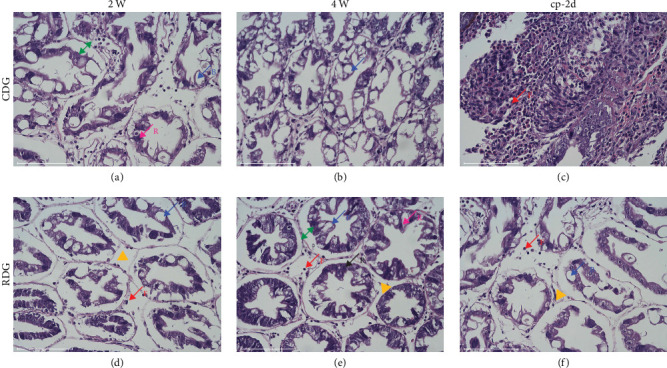
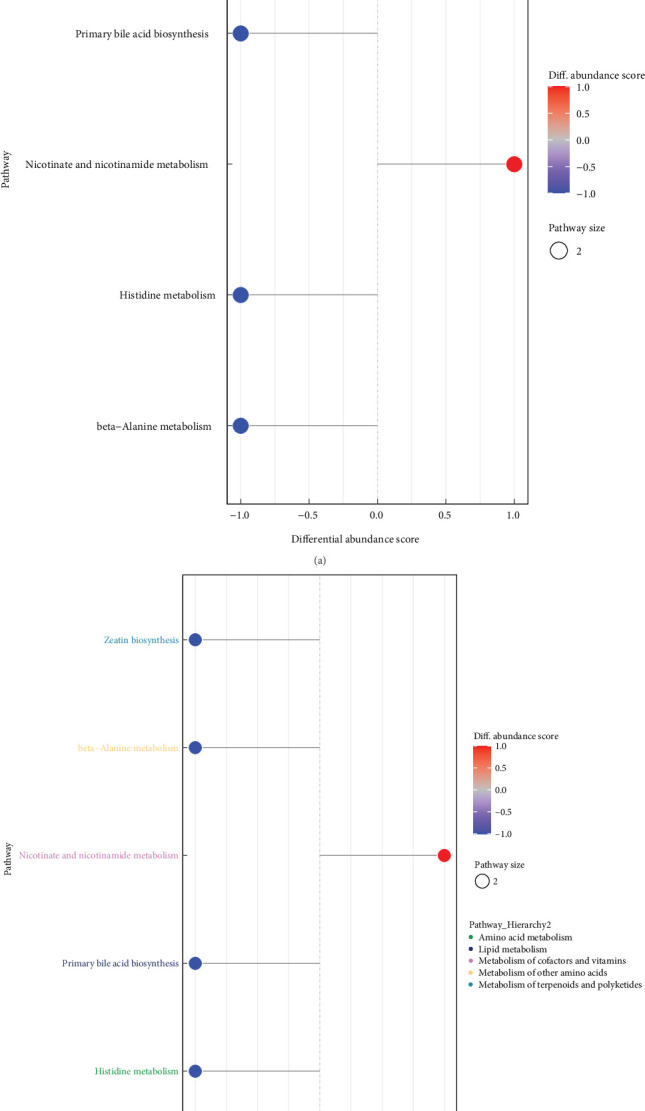
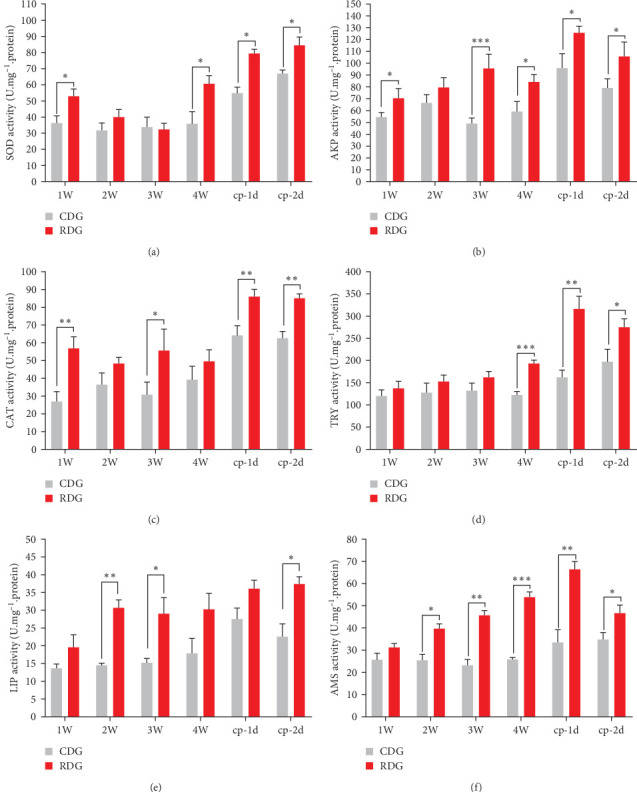
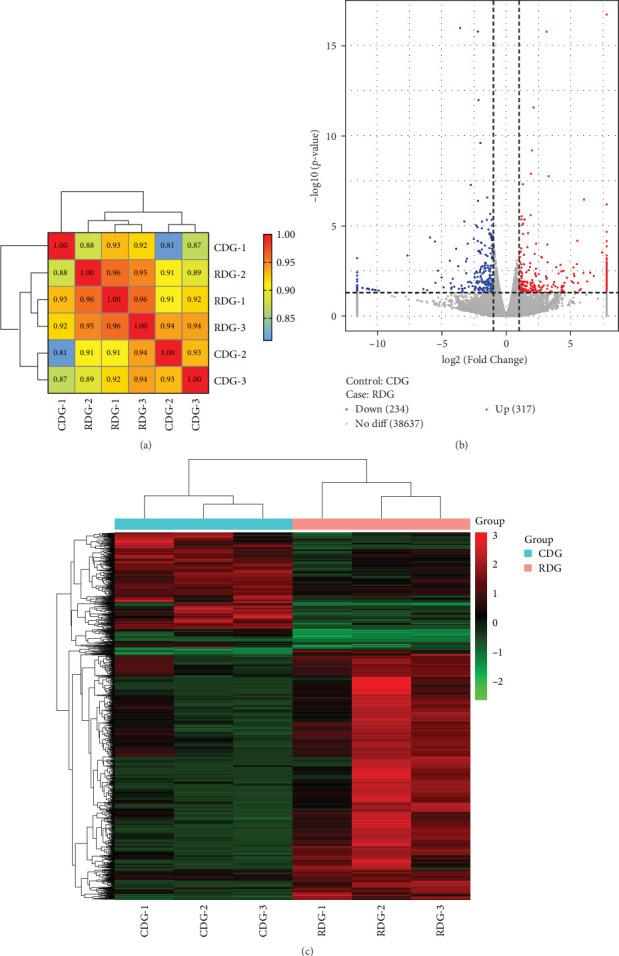
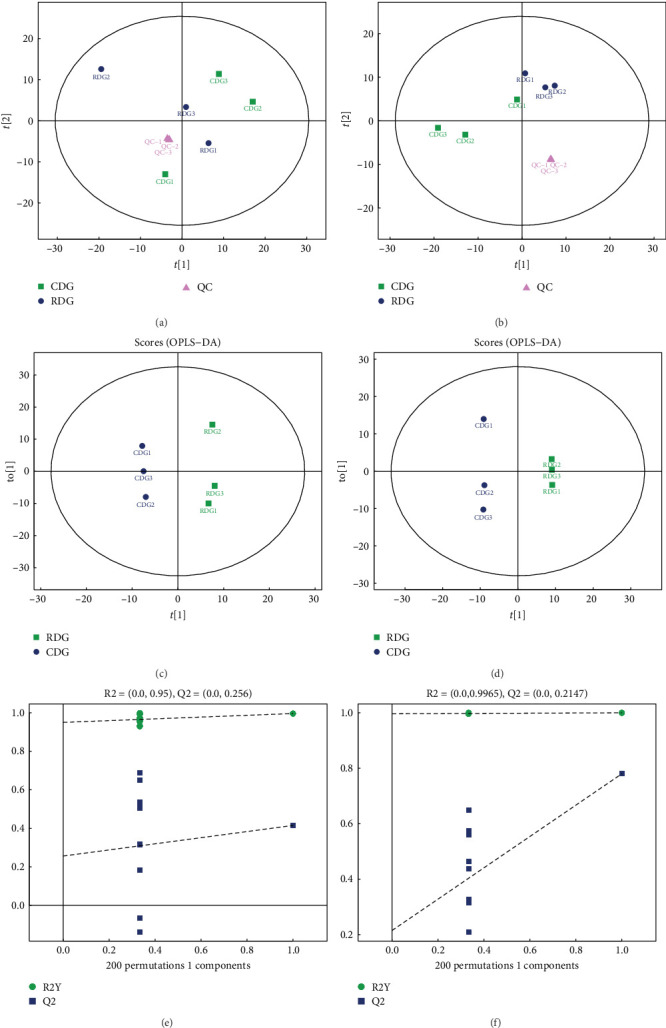
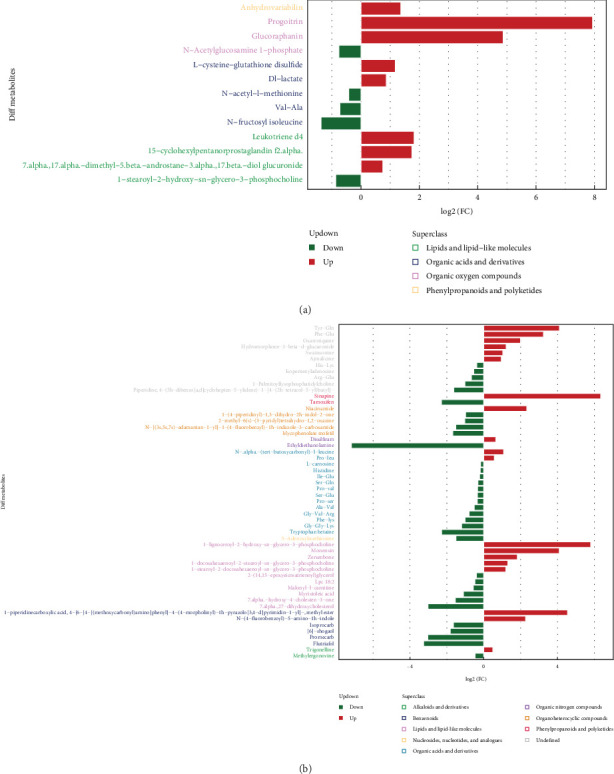
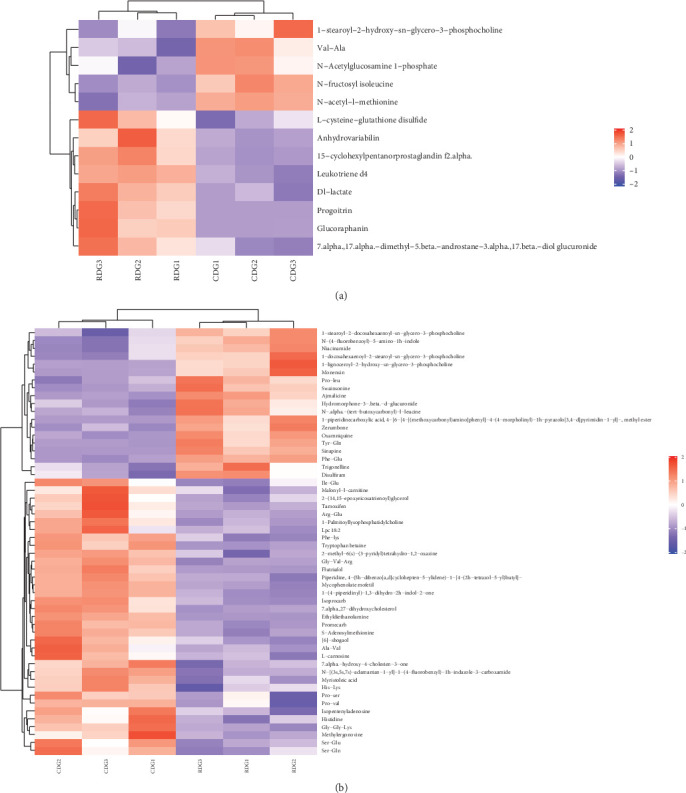
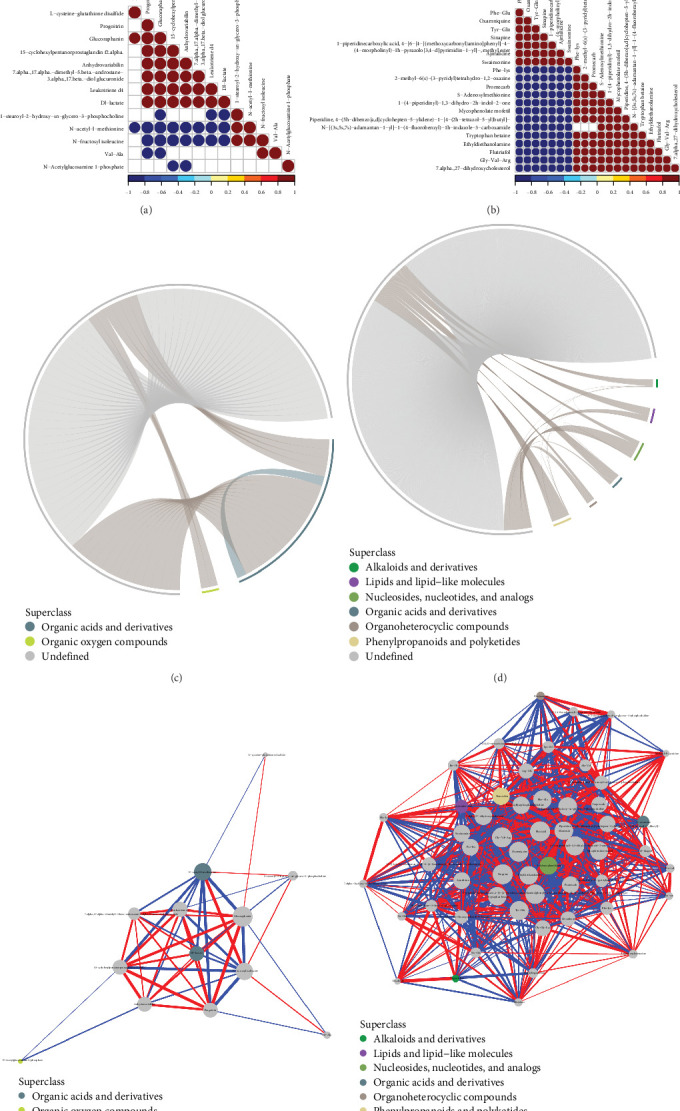
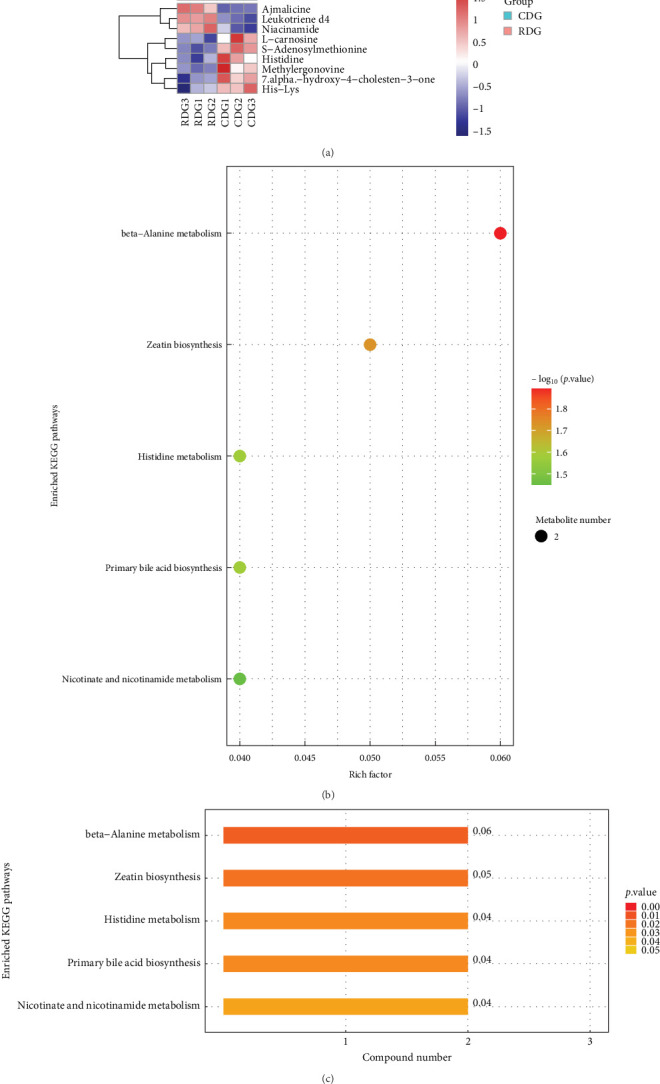
Infection with the pathogenic bacterium typically causes severe hepatopancreatic damage in , often resulting in acute shrimp mortality. Therefore, protecting the shrimp's hepatopancreas is crucial for enhancing their disease resistance. Previous research has demonstrated that the probiotic strain Ep-M17 inhibits the growth of E1 in vitro. However, it remains uncertain whether Ep-M17 can provide protective benefits to the shrimp's hepatopancreas. To address this knowledge gap, our present study investigated the histological changes, enzyme activity, gene transcription, and metabolite levels in the hepatopancreas of shrimp after a 4-week diet supplemented with Ep-M17. The results revealed that incorporating Ep-M17 into the shrimp's diet alleviated the damage by E1 infection in hepatopancreatic cells. In addition, the inclusion of Ep-M17 notably boosted the effectiveness of immunodigestive enzymes such as SOD, AKP, and CAT. Furthermore, Ep-M17 stimulated gene transcription in crucial immune response-related signalling pathways like the mitogen-activated protein kinase signaling pathway and the antigen processing and presentation pathway. Moreover, the incorporation of Ep-M17 into shrimp diets increased the levels of -alanine, and histidine in the hepatopancreas, enhancing anti-inflammatory capacity and improving the shrimp's immune response. Overall, the results indicate that incorporating Ep-M17 into the diet can enhance shrimp disease resistance by bolstering both immune response and metabolic activity within the hepatopancreas. These results underscore the importance of probiotics in controlling aquatic animal diseases and highlight Ep-M17 as a promising dietary supplement for enhancing shrimp health and immunity in aquaculture.
感染这种致病细菌通常会导致凡纳滨对虾严重的肝胰腺损伤,常常致使凡纳滨对虾急性死亡。因此,保护凡纳滨对虾的肝胰腺对于增强其抗病能力至关重要。先前的研究表明,益生菌菌株Ep-M17在体外可抑制E1的生长。然而,Ep-M17是否能为凡纳滨对虾的肝胰腺提供保护作用仍不确定。为填补这一知识空白,我们目前的研究调查了在凡纳滨对虾饲料中添加Ep-M17四周后,凡纳滨对虾肝胰腺的组织学变化、酶活性、基因转录和代谢物水平。结果显示,在凡纳滨对虾饲料中添加Ep-M17可减轻E1感染对肝胰腺细胞造成的损伤。此外,添加Ep-M17显著提高了超氧化物歧化酶(SOD)、碱性磷酸酶(AKP)和过氧化氢酶(CAT)等免疫消化酶的活性。此外,Ep-M17刺激了丝裂原活化蛋白激酶信号通路和抗原加工与呈递通路等关键免疫反应相关信号通路中的基因转录。而且,在凡纳滨对虾饲料中添加Ep-M17提高了肝胰腺中β-丙氨酸和组氨酸的水平,增强了抗炎能力并改善了凡纳滨对虾的免疫反应。总体而言,结果表明在饲料中添加Ep-M17可通过增强肝胰腺内的免疫反应和代谢活性来提高凡纳滨对虾的抗病能力。这些结果强调了益生菌在控制水产动物疾病方面的重要性,并突出了Ep-M17作为一种有前景的饲料添加剂,可用于增强水产养殖中凡纳滨对虾的健康和免疫力。