Vijayakumar Saranya, Saraswathy Gayathri G, Sakuntala Manjula
Plant Disease Biology Lab, Rajiv Gandhi Centre for Biotechnology, Thiruvananthapuram, India.
Research Centre, University of Kerala, Thiruvananthapuram, India.
Front Microbiol. 2024 Nov 18;15:1418816. doi: 10.3389/fmicb.2024.1418816. eCollection 2024.
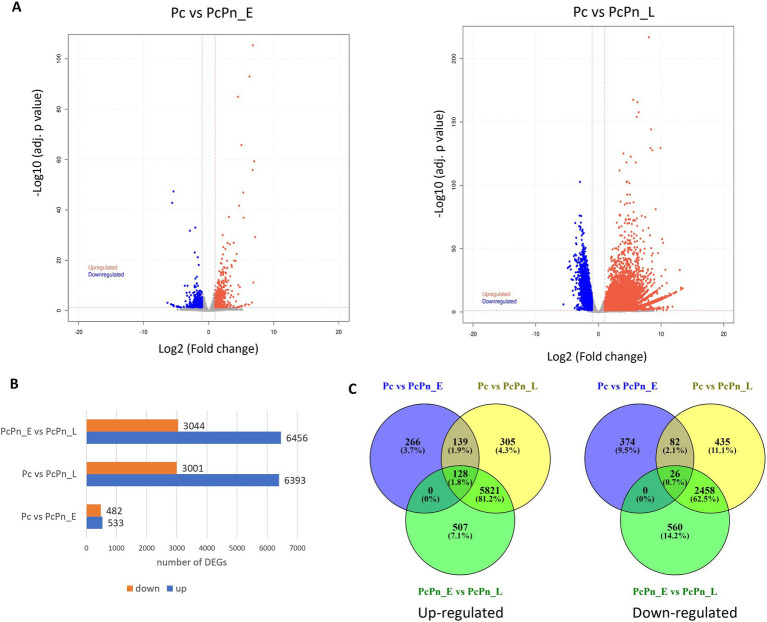
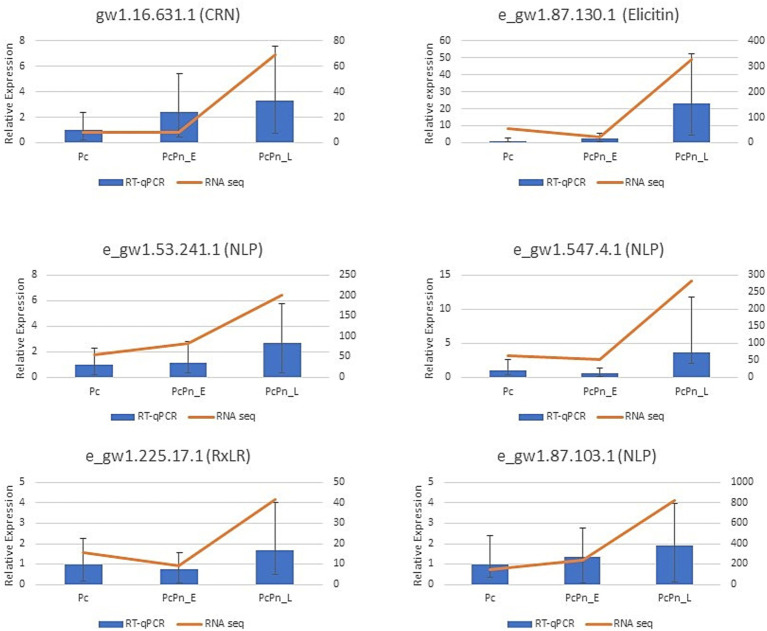
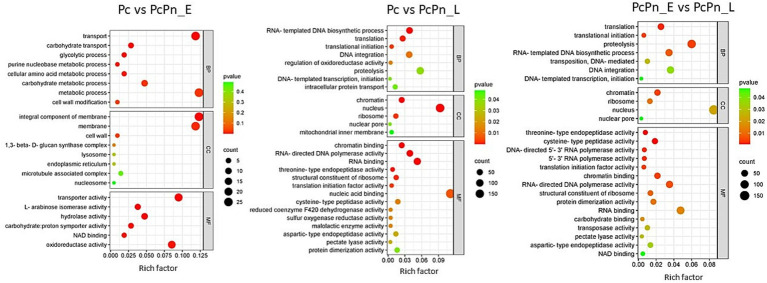
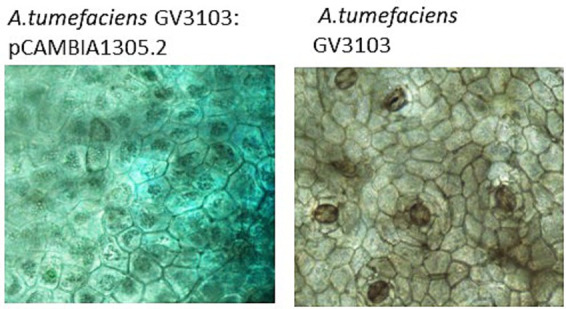
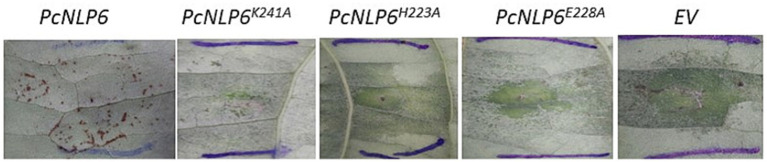
The devastating disease "quick wilt" or "foot rot" is caused by the oomycete Leonian and is affecting the economically significant spice crop black pepper ( L.). The details on the mechanism of interaction of with its host black pepper remain poorly understood, hindering efforts to enhance disease resistance. To address this knowledge gap, we conducted an RNA-seq analysis to investigate the gene expression profile of infecting black pepper. Comparative transcriptome analysis between axenic culture, and early and late infection stages of revealed a substantial number of differentially expressed genes. Our findings demonstrate the induction of metabolic pathways, signaling cascades, and crucial pathogenicity-related processes during infection of black pepper by . Specifically, we observed orchestrated expression of cell wall-degrading enzymes, effectors, and, detoxifying transporters at different infection time points, implicating their roles in pathogenicity. The expression patterns of key pathogenicity-associated genes, including effectors, were validated using reverse transcription quantitative real-time PCR. The effectiveness of agroinfiltration-mediated transient expression in black pepper for functional studies of effectors is also demonstrated in this study. Overall, this study establishes a strong foundation for further studies elucidating the pathogenic mechanisms employed by infecting black pepper and for developing effective disease management strategies. Future investigations building upon these findings are essential for advancing our understanding of this pathosystem and for implementing targeted approaches to mitigate black pepper foot rot.
毁灭性病害“猝倒病”或“根腐病”由卵菌纲的莱昂尼菌(Leonian)引起,正影响着具有重要经济价值的香料作物黑胡椒(Piper nigrum L.)。关于该菌与其寄主黑胡椒相互作用机制的细节仍知之甚少,这阻碍了增强抗病性的努力。为填补这一知识空白,我们进行了RNA测序分析,以研究侵染黑胡椒的莱昂尼菌的基因表达谱。对无菌培养物以及莱昂尼菌早期和晚期感染阶段进行的比较转录组分析揭示了大量差异表达基因。我们的研究结果表明,在莱昂尼菌侵染黑胡椒的过程中,代谢途径、信号级联反应以及关键的致病相关过程被诱导。具体而言,我们观察到在不同感染时间点,细胞壁降解酶、效应子和解毒转运蛋白的协同表达,这暗示了它们在致病性中的作用。通过逆转录定量实时PCR验证了包括效应子在内的关键致病相关基因的表达模式。本研究还证明了农杆菌浸润介导的瞬时表达在黑胡椒中对效应子功能研究的有效性。总体而言,本研究为进一步阐明莱昂尼菌侵染黑胡椒所采用的致病机制以及制定有效的病害管理策略奠定了坚实基础。基于这些发现的未来研究对于推进我们对这个病理系统的理解以及实施有针对性的方法减轻黑胡椒根腐病至关重要。